
Why Some Kratom Leaves You Wired and Focused While Others Make You Want to Nap: The Alkaloid Balance Guide for Energy Seekers
 Ryan Okafor
Why Some Kratom Leaves You Wired and Focused While Others Make You Want to Nap: The Alkaloid Balance Guide for Energy Seekers
You tried kratom for energy. Maybe a friend swore by it. Maybe you read about it replacing their afternoon coffee. So you grabbed a product, took a dose, and… nothing. Or worse, you felt foggy, heavy, like you needed a nap instead of a productivity boost.
Meanwhile, someone else takes kratom and describes exactly what you wanted: clean focus, sustained energy, no jitters, no crash.
Same plant. Wildly different experiences. What gives?
The answer isn’t your body chemistry (though that plays a role). It’s not the strain name on the label. And it’s definitely not some mystical kratom lottery where some people win and others lose.
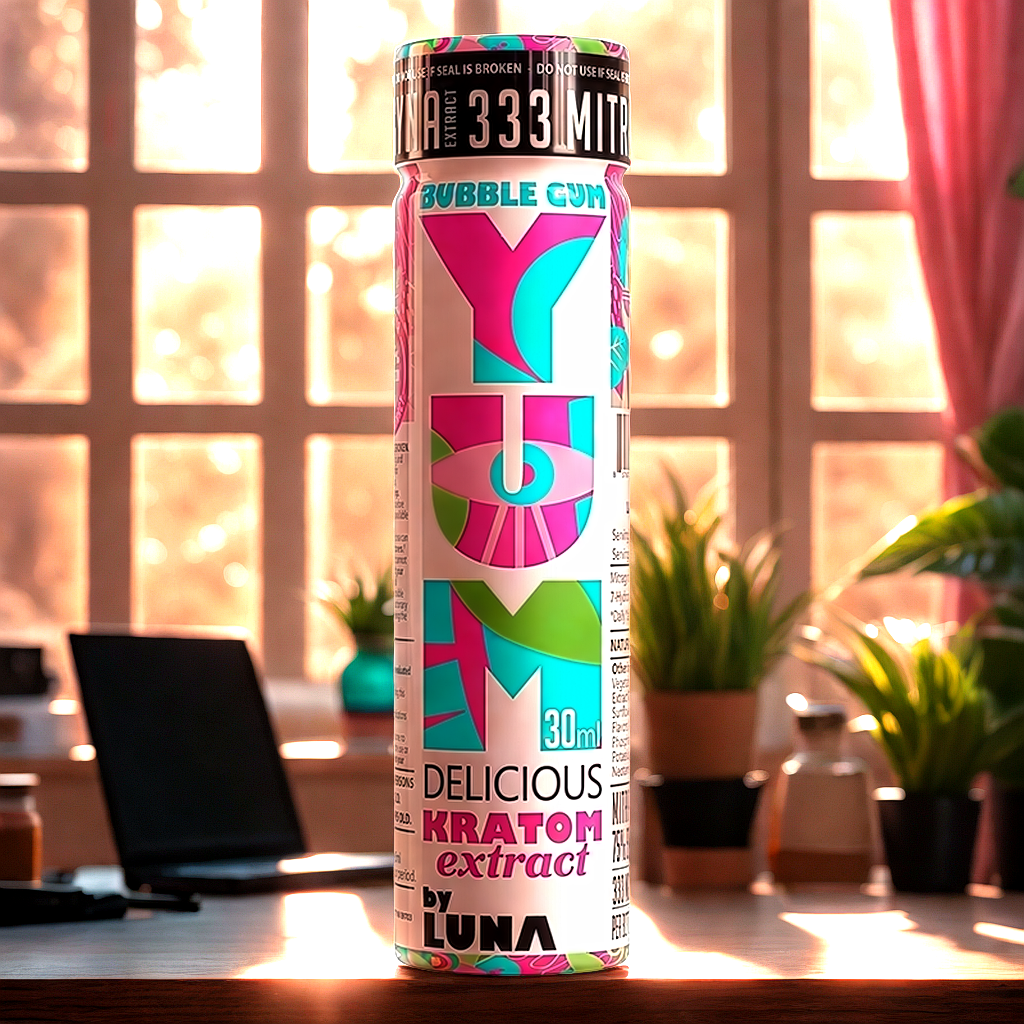
The answer is alkaloid balance. And once you understand it, you’ll stop gambling on kratom products and start choosing ones that actually deliver what you’re looking for.
The Dirty Secret About “Kratom for Energy” That Nobody’s Explaining
Here’s what most kratom content won’t tell you: the phrase “kratom for energy” is almost meaningless without context.
Kratom contains over 40 different alkaloids, but two of them dominate the conversation: mitragynine and 7-hydroxymitragynine (commonly called 7-OH). These two compounds produce very different effects in your body, and the ratio between them determines whether you experience energizing focus or sedative fog.

Most products don’t talk about this. They slap a strain name on the label (Green Malay, White Maeng Da, whatever) and call it a day. But strain names are largely marketing. The actual science behind kratom shows that alkaloid content varies dramatically based on growing conditions, harvest timing, processing methods, and extraction techniques.
Two products with the same strain name can produce completely opposite experiences. That’s not inconsistency in your body. That’s inconsistency in the products.
If you’ve felt confused, disappointed, or just plain skeptical about kratom’s energy claims, you’re not wrong to feel that way. You probably just haven’t encountered a product with the right alkaloid balance for what you’re trying to achieve.
Mitragynine vs. 7-Hydroxymitragynine: The Two Alkaloids That Determine Your Experience
Let’s break this down without getting too deep into biochemistry.
Mitragynine is the primary alkaloid in kratom leaves, typically making up the majority of the plant’s alkaloid content. At lower to moderate amounts, mitragynine interacts with your brain in ways that tend to produce:
- Increased alertness and focus
- Mild mood elevation
- Sustained energy without the spike-and-crash pattern of stimulants
- Mental clarity that feels natural, not forced
7-hydroxymitragynine is present in much smaller quantities in raw kratom leaf, but it’s significantly more potent. Higher concentrations of 7-OH tend to produce:
- Sedative, relaxing effects
- Heavy-body sensations
- The “couch-lock” feeling some users describe
- Effects that lean more toward what you’d expect from something calming, not energizing
Think of it like wine. Same grape variety can produce a crisp, energizing white wine or a heavy, warming red depending on how it’s processed. The raw material matters, but the processing determines the final experience.
This is why someone can take kratom and feel sharp and productive while someone else takes a different product and wants to sink into the couch. The alkaloid balance was completely different.
Why Concentrated Extracts Can Go Either Way: The Extraction Problem
Raw kratom powder has a relatively predictable alkaloid profile (assuming quality sourcing). But extracts? That’s where things get complicated.
Extraction concentrates the active compounds from kratom leaves into a smaller, more potent form. The problem is that different extraction methods can concentrate certain alkaloids more than others. Some extraction processes may inadvertently boost 7-OH concentrations relative to mitragynine, which shifts the entire experience toward sedation.
This is why “stronger” doesn’t mean “better energy.” A highly concentrated extract with elevated 7-OH levels might be incredibly potent, but that potency shows up as heaviness and fog rather than the clean focus you were hoping for.
Many extracts on the market prioritize total alkaloid content (because bigger numbers look impressive) without paying attention to the balance between stimulating and sedating compounds. The result? Products that are strong but in all the wrong ways for energy seekers.

If you’ve tried kratom extracts and felt disappointed, this is likely why. The extraction process shifted the alkaloid balance away from what produces clean, focused energy.
What Balanced Alkaloid Profile Actually Means for Your 2PM Slump
Let’s translate all this chemistry into what you actually care about: how does proper alkaloid balance feel in your body?
When a kratom product has a balanced alkaloid profile optimized for energy, the experience typically looks like this:
The onset (15-30 minutes): A gentle alertness kicks in. Not jittery like too much coffee. More like the fog lifting and your mind sharpening. You notice you’re more engaged with whatever you’re doing.
The sweet spot (1-3 hours): Sustained focus without the forced, wired feeling. Tasks feel more approachable. Conversations flow easier. You’re present without being overstimulated. This is what people mean when they describe kratom benefits for focus and energy.
The taper (3-4 hours): The effects gradually diminish rather than crashing. No afternoon slump. No reaching for another dose or another coffee just to stay functional. You ease back to baseline naturally.
Afterward: No hangover feeling the next morning. No next-day fog or irritability. Your sleep isn’t disrupted if you timed it right (not too late in the day).
Compare this to what happens with an imbalanced extract that leans too heavy on 7-OH: initial heaviness, brain fog, possibly some relaxation you didn’t want, and an overwhelming urge to sit down rather than power through your to-do list.
Same plant. Completely different outcomes. The alkaloid balance is the difference.
The Quality Markers That Actually Predict Good Energy (Not Marketing Buzzwords)
So how do you find products with the right alkaloid balance? Here’s what to look for and what to avoid.
Green Flags
Third-party lab testing with published results: Not just “we test our products” but actual certificates of analysis (COAs) you can view. Companies that test should be happy to show you the results. Check out what lab-tested quality looks like.
Transparency about extraction methods: Companies that understand alkaloid balance will talk about their process. Vague language about “proprietary blends” often hides inconsistent or poorly designed extraction.
Focus on balanced profile rather than maximum potency: Products marketed purely on strength (“10x extract!” “Maximum alkaloids!”) often miss the point. Balance matters more than brute force.
Consistent customer experiences: Look for reviews that describe similar effects. Inconsistency in user reports often signals inconsistency in the product.
Red Flags
No lab testing or hidden results: If they test but won’t show you, ask why.
Emphasis on strain names as the primary differentiator: Strain names are largely marketing. What matters is what’s actually in the product.
Ridiculously low prices: Quality extraction that maintains proper alkaloid balance costs money. Rock-bottom prices usually mean corners were cut.
Claims that sound too good: Any product claiming to be a miracle cure for anything should be immediately suspect.
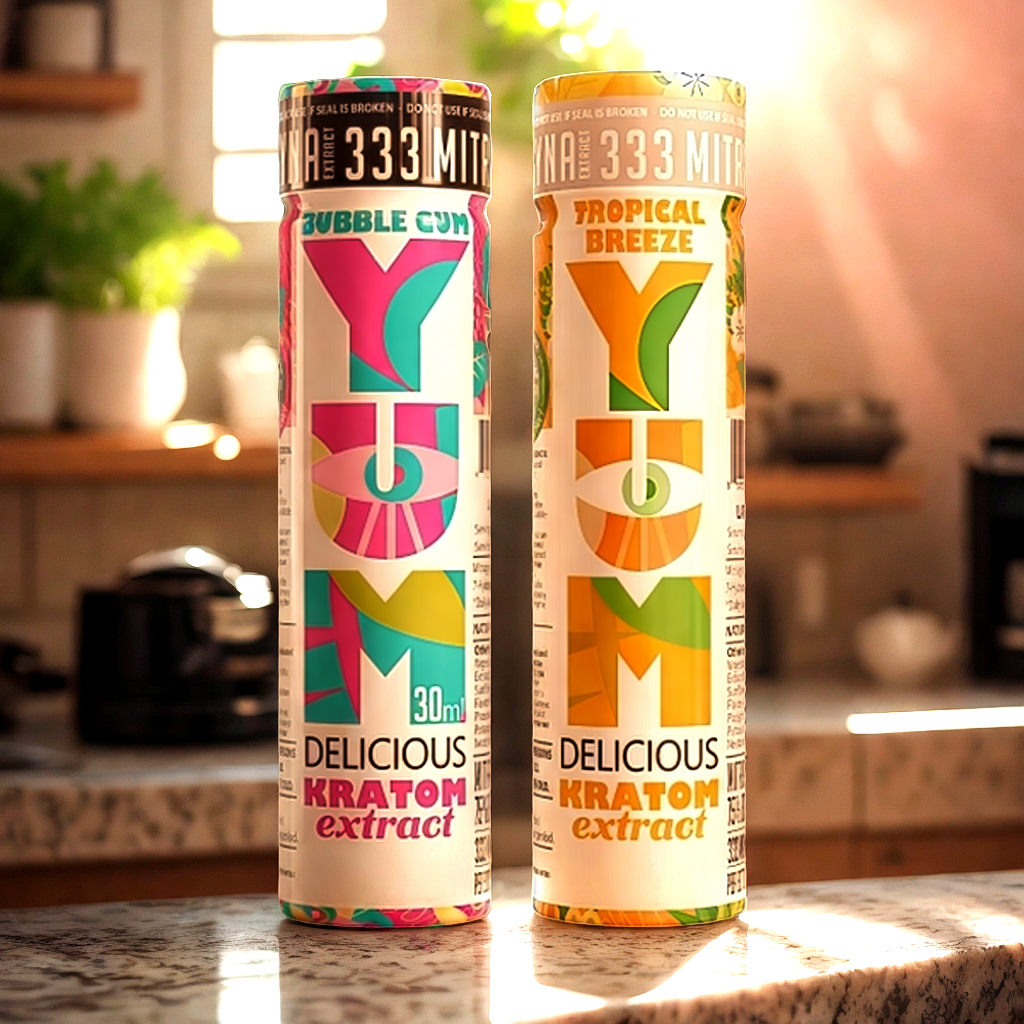
YUM’s approach focuses specifically on balanced alkaloid profiles. The extraction process is designed to preserve the mitragynine-forward ratio that produces clean, focused energy rather than sedative heaviness. And unlike most kratom products, it actually tastes good, which means you might actually enjoy drinking it rather than choking it down.
Your Protocol: How to Use Kratom Extract for Sustained Focus Without Overdoing It
Even with a well-balanced product, how you use it matters. Here’s a practical framework for energy-focused kratom use.
Start Small
One capful. That’s it. If you’re new to kratom or trying a new product, start with the smallest recommended serving. You can always adjust upward, but you can’t undo taking too much.
This “less is more” philosophy is especially important with kratom for energy. Higher amounts don’t produce more energy. They often produce the opposite effect, tipping the experience toward sedation regardless of the product’s alkaloid balance.
Timing Matters
For work sessions: Take it about 20-30 minutes before you need to be locked in. The onset period is gradual, so give it time to build.
For training: Same timing. Many people find kratom supports physical endurance and motivation without the jitters of pre-workout supplements. (That said, if you’re an athlete subject to testing, check your sport’s specific rules.)
For creative flow: Some people prefer to take it right as they start working, so the onset coincides with warming up their creative process.
For social energy: About 30 minutes before you need to be “on.” Check out more details in this guide on using kratom for social situations.
Don’t Stack
Resist the urge to redose within the same session. The effects last 3-4 hours. Taking more before the first serving has run its course doesn’t extend the experience; it changes it (and not usually in the direction you want).
Not Every Day
Kratom can cause dependence with regular daily use. Treat it like a tool you reach for when you need it, not a daily habit. Your body will thank you, and the effects will remain consistent instead of requiring more to achieve the same result.
For a deeper look at responsible use patterns, read about how to use kratom properly.
When Kratom for Energy Isn’t the Right Call
Honesty time. Kratom isn’t for everyone, and there are situations where it’s definitely not the right choice.
If you’re under 21: This is an adult product. Full stop. YUM doesn’t sell to anyone under 21, and neither should any reputable vendor.
If you have medical conditions: Heart conditions, liver issues, kidney problems, mental health conditions, or any ongoing medical situation means you should talk to your healthcare provider before trying kratom. This isn’t legal CYA language. It’s genuinely good advice.
If you’re taking medications: Kratom can interact with certain medications, particularly those processed by the liver. Your doctor or pharmacist can help you understand potential interactions.
If you’re pregnant or nursing: There’s not enough research to know the effects. Don’t risk it.
If you have a history of substance dependence: Kratom affects some of the same brain systems involved in other dependencies. This doesn’t make it off-limits for everyone with such a history, but it does mean extra caution and possibly consultation with an addiction specialist is warranted.
For people in these categories, alternatives exist. High-quality coffee (not energy drinks loaded with sugar and mystery ingredients), L-theanine, adaptogens like rhodiola, and good old-fashioned sleep, nutrition, and exercise can all support energy in different ways.
The point isn’t that kratom is magic. The point is that for adults who can use it responsibly and don’t fall into contraindicated categories, understanding alkaloid balance makes the difference between a useful tool and a disappointing experience.
Frequently Asked Questions
Why did I feel tired instead of energized when I tried kratom for energy?
Most likely, the product you tried had an alkaloid balance that leaned toward higher 7-OH concentrations relative to mitragynine. This is common in extracts that prioritize total potency over balanced effects. The product wasn’t bad per se, but it wasn’t formulated for energy. It was essentially a relaxation product marketed as an energy product. Alternatively, you may have taken too much. Higher amounts of even well-balanced products can tip toward sedation.
How long does kratom energy last compared to coffee or energy drinks?
Properly balanced kratom typically provides 3-4 hours of sustained energy. Unlike coffee, which often peaks quickly then crashes (especially on an empty stomach), kratom’s onset is more gradual and the taper is gentler. Unlike energy drinks, there’s no sugar crash and no jittery overstimulation. The experience is more like a sustained plateau of focus rather than a spike and drop.
Can I use kratom extract before a workout for training energy?
Many people do. A balanced kratom extract can support endurance and motivation without the heart-racing intensity of traditional pre-workouts. That said, pay attention to your body. Stay hydrated (kratom can be mildly dehydrating), don’t push through genuine fatigue signals, and if you’re subject to any athletic testing, verify kratom’s status with your specific organization.
What’s the difference between kratom strains for energy and alkaloid balance in extracts?
Strain names (White Thai, Green Maeng Da, etc.) refer to the source material and its traditional categorization. In raw powder form, certain strains do tend toward different effects. However, when that material is extracted, the extraction process has far more influence on the final alkaloid balance than the original strain. A poorly extracted “energizing strain” can end up sedating, while a well-extracted product from a supposedly mellower strain can be perfectly energizing. For extracts, focus on the company’s extraction approach and transparency rather than strain marketing.
Ready to Experience What Balanced Alkaloid Energy Actually Feels Like?
If you’ve been disappointed by kratom in the past, or you’re curious but skeptical after everything you’ve read, that skepticism is healthy. The kratom market is full of products that don’t deliver what they promise.
YUM is different. The extraction process is specifically designed to maintain a balanced alkaloid profile that produces clean, focused energy without the sedative heaviness that plagues many extracts. And unlike products that taste like you’re drinking forest floor, YUM actually tastes good.
Start with one capful. See how a properly balanced kratom extract actually feels. That’s not marketing hype. It’s an invitation to experience the difference that alkaloid science makes.
Explore YUM’s products and find out what clean energy without the crash actually feels like. Got questions first? Check out our frequently asked questions or reach out directly. We’d rather you understand what you’re getting into than buy something that isn’t right for you.