
Why Most Kratom Shots Taste Like Punishment (And How to Find One You'll Actually Want to Drink Again)
 Marcus Chen
Why Most Kratom Shots Taste Like Punishment (And How to Find One You’ll Actually Want to Drink Again)
You know the face. That involuntary grimace, the full-body shudder, the desperate reach for a chaser. Maybe you’ve made it yourself, standing in your kitchen wondering why you paid good money to drink something that tastes like bitter soil mixed with regret.
Here’s the thing nobody in the kratom industry wants to talk about: most kratom shots taste absolutely terrible. And that’s not just an inconvenience. It’s a genuine barrier that keeps people from experiencing what this botanical can actually offer.
If you’ve tried kratom shots before and walked away thinking “never again,” this one’s for you. Because the taste problem isn’t inevitable. It’s a choice that most manufacturers simply don’t bother to address.
The Dirty Secret the Kratom Industry Hopes You’ll Just Accept
Scroll through any kratom forum or review section and you’ll find the same complaint repeated hundreds of times: “Works great, tastes like garbage.” People describe the flavor as earthy, bitter, medicinal, swampy, or simply “like drinking a lawn.”
And the industry’s response? Basically, “deal with it.”
Most kratom brands treat palatability as an afterthought. They focus entirely on potency metrics and alkaloid content, slap a generic flavor on the final product, and expect consumers to white-knuckle their way through each dose. The unspoken message is that serious kratom users should just accept the punishment as part of the experience.
But think about that logic applied to anything else you consume regularly. Would you drink coffee that made you gag every morning? Would you force down a protein shake that tasted like wet cardboard? Of course not. We expect things we put in our bodies to be at least tolerable, if not actually enjoyable.
The kratom industry has somehow convinced consumers that their standards are unreasonable. They’re not. You shouldn’t have to brace yourself every time you reach for your energy routine.
If you’re new to all this and wondering what kratom even is before worrying about taste, this honest guide for curious high performers covers the basics without the marketing fluff.
What Makes Kratom Taste Like That (The Science of Bitter)
Understanding why kratom shots taste the way they do helps explain why some products are dramatically more drinkable than others.
Kratom’s active compounds, called alkaloids, are inherently bitter. This is true of many plant alkaloids (think of the bite in coffee or the bitterness of certain teas). The two primary alkaloids in kratom, mitragynine and 7-hydroxymitragynine, both contribute to this bitter profile.
But here’s where it gets interesting: the extraction and concentration process can make the bitterness dramatically better or worse.
Extraction Methods Matter More Than Most People Realize
When manufacturers create kratom extract shots, they’re concentrating the active compounds from raw kratom leaf. Different extraction methods pull different compounds from the plant material:
- Harsh, aggressive extraction can pull more of the bitter compounds while destroying some of the plant’s natural flavor balancers
- Gentler extraction methods preserve a more balanced alkaloid profile that’s naturally less punishing on the palate
- The solvent used (water, alcohol, or other methods) affects which compounds end up in the final product

Many budget manufacturers simply optimize for maximum alkaloid concentration, which often means maximum bitterness. They’re chasing numbers on a lab report without considering what the final product will actually taste like.
For a deeper look at extraction science and how it affects what you’re actually drinking, this breakdown of kratom shot chemistry goes into the technical details.
The “Stronger = Worse” Problem
There’s a direct correlation in many products between potency claims and taste severity. When a brand markets their shot as having extreme concentrations, they’re often inadvertently warning you about the taste experience too.
This doesn’t have to be the case. Proper formulation can deliver effective alkaloid content without making you suffer through every sip. But that requires actually caring about the consumer experience beyond just the functional effects.
The Real Cost of Choking Down Terrible-Tasting Shots

Bad taste isn’t just unpleasant in the moment. It has real consequences for how (and whether) you’ll actually use kratom consistently.
The Compliance Problem
When something tastes awful, you’ll find reasons to skip it. Maybe you “forget” on busy mornings. Maybe you tell yourself you don’t really need it today. The mental barrier of dreading the taste experience creates friction that undermines consistency.
This matters because kratom’s benefits for focus and energy are most noticeable when you can actually maintain a consistent routine. Sporadic use because you’re avoiding the taste defeats the purpose of having kratom in your toolkit at all.
The Mental Tax of Dreading Your Routine
Think about the psychological difference between looking forward to something versus dreading it. Your morning ritual sets the tone for your day. Starting with something you actively dislike creates a negative association that bleeds into your entire experience.
Compare this to coffee culture, where people genuinely enjoy the process. They savor the aroma, appreciate the flavor notes, look forward to that first sip. Nobody’s choking down their espresso with their nose pinched.
Kratom users deserve that same relationship with their botanical of choice. The experience should be something you welcome, not something you endure.
Why People Abandon Kratom Entirely
Here’s the part that frustrates us most: many people try kratom once, have a horrible taste experience, and never come back. They assume that’s just what kratom is. They never discover what the botanical can actually offer because their first impression was so off-putting.
These aren’t people who dislike kratom’s effects. These are people who never got past the taste barrier to experience the effects at all. That’s a failure of the products they encountered, not a reflection of kratom itself.
What Separates a Drinkable Kratom Shot From Liquid Punishment
So what actually makes some kratom shots tolerable (or even enjoyable) while others are torture in a bottle? After extensive research into what makes or breaks the kratom shot experience, here’s what we’ve found matters most.
Flavor Science and Formulation Investment
Creating a kratom shot that tastes decent requires working with professionals who understand flavor chemistry. This means flavorologists who know how to balance bitter compounds, which complementary flavors can mask or counteract specific types of bitterness, and how different ingredients interact on the palate.
Most kratom companies don’t bother with this level of formulation work. They add a generic fruit flavor, call it done, and hope the sweetness covers enough of the bitter. It usually doesn’t.
Brands that actually invest in palatability spend significant time and money on flavor development. They test multiple formulations. They get feedback from real consumers. They iterate until the product is genuinely drinkable.
Balanced Alkaloid Profiles
Products with balanced, naturally-occurring alkaloid ratios tend to be more palatable than those with artificially boosted or isolated compounds. When you concentrate specific alkaloids aggressively, you often concentrate the bitter taste along with them.
This is where third-party lab testing becomes relevant not just for safety but for taste prediction. Products with well-balanced profiles (rather than extreme spikes of individual compounds) typically offer a smoother taste experience.
Quality Indicators That Correlate With Better Taste
While there’s no guaranteed taste predictor, certain quality markers tend to associate with more palatable products:
- Premium pricing (companies that invest in formulation need to charge enough to cover that investment)
- Specific flavor descriptions (brands that describe actual flavor profiles rather than just “natural flavor” have usually put more thought into it)
- Consumer reviews mentioning taste positively (not just “it works” but “I actually like drinking this”)
- Smaller batch production (allows for more quality control and formulation attention)
Why Some Brands Don’t Bother
Creating a good-tasting kratom shot is harder and more expensive than creating a functional but awful-tasting one. The path of least resistance is to focus entirely on alkaloid content, slap on cheap flavoring, and let consumers suffer.
For brands competing primarily on price or potency metrics, taste investment doesn’t make business sense. They’re targeting consumers who will tolerate anything as long as it “works.”
That’s not the approach for everyone. Some of us think life’s too short to dread your daily routine.
The Taste Test Framework: Questions to Ask Before You Buy
If you’re shopping for kratom shots and want to avoid the liquid punishment experience, here’s a practical framework for evaluating products before you commit.
What Reviews Actually Say About Taste
Don’t just look at overall star ratings. Search specifically for taste mentions in reviews. Red flags include:
- “Works great but tastes horrible” (common but telling)
- “Have to chase it with something strong”
- “Gag reflex every time”
- “You get used to it” (you shouldn’t have to)
Green flags include:
- “Actually tastes good” (rare and meaningful)
- “Pleasantly surprised by the flavor”
- “Look forward to taking it”
- “My partner tried it and didn’t hate it” (the real taste test)
Label and Marketing Cues
Products that mention palatability prominently have usually invested in it. If a brand makes taste a selling point rather than an afterthought, they’ve likely put work into backing up that claim.
Specific flavor descriptions (rather than vague “tropical” or “berry”) suggest actual flavor development work.
“Strongest on the market” claims often inversely correlate with enjoyability. Extreme potency usually means extreme bitterness.
Red Flags That Signal “Just Choke It Down” Products
- No mention of taste anywhere in marketing or reviews
- Rock-bottom pricing (flavor investment costs money)
- Generic packaging that looks like every other kratom shot
- Brand doesn’t seem to care about the consumer experience beyond “it works”
The Sample Strategy
Before committing to a larger purchase, try single shots from different brands if possible. Your taste preferences are individual, and what one person finds tolerable another might find unbearable.
For a comprehensive guide to evaluating kratom shot quality beyond just taste, our no-BS buyer’s guide covers the full picture.
Making Kratom Shots Part of Your Routine Without Dreading It
Once you find a kratom shot that doesn’t make you wince, the entire experience changes. Instead of forcing yourself through a daily punishment, you have a routine you can actually look forward to.
The Difference Between Forcing and Welcoming
When taste isn’t a barrier, you notice things you missed before. The anticipation becomes positive. The ritual becomes enjoyable. The entire experience from first sip to the clean energy that follows feels integrated rather than something you endure to get to the good part.
This matters for sustainability. People stick with things they enjoy. They abandon things they dread. If kratom is going to be a useful tool in your life, the experience of taking it should support that relationship, not undermine it.
How Taste Affects the Full Experience Arc
Your experience with a kratom shot doesn’t start when the alkaloids kick in. It starts with that first sip. A positive start creates a positive association. A negative start creates a negative one, even if the functional effects are identical.
Think about the difference between a massage that starts with a comfortable environment versus one in a dingy room with fluorescent lighting. The bodywork might be the same, but the experience is completely different.
If you’re exploring what actually happens from first sip to four hours later, taste is part of that timeline. It’s the opening chapter of the experience, and it sets the tone for everything that follows.
The YUM Philosophy
Our founder Gunnther built YUM because he was frustrated with exactly this problem. He’d experienced kratom’s benefits but couldn’t find a product that didn’t taste like punishment. The options were either awful-tasting shots from established brands or gambling on sketchy products of unknown quality.
So he worked with flavorologists to create something different. A kratom shot that actually tastes good. Not “tolerable.” Not “you’ll get used to it.” Actually enjoyable to drink.
This isn’t complicated, but it requires caring about the consumer experience beyond just alkaloid content. It requires investment in formulation. It requires the belief that kratom users deserve products they can look forward to, not endure.
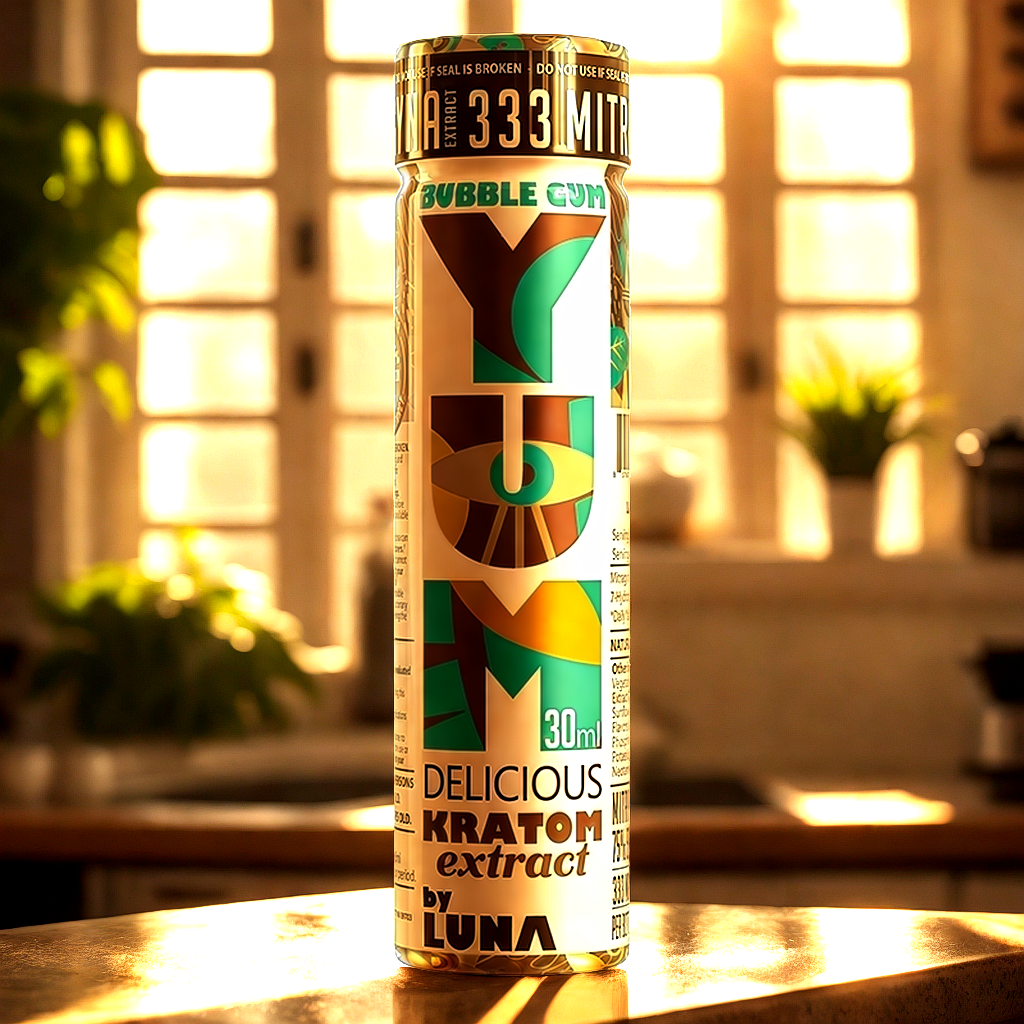
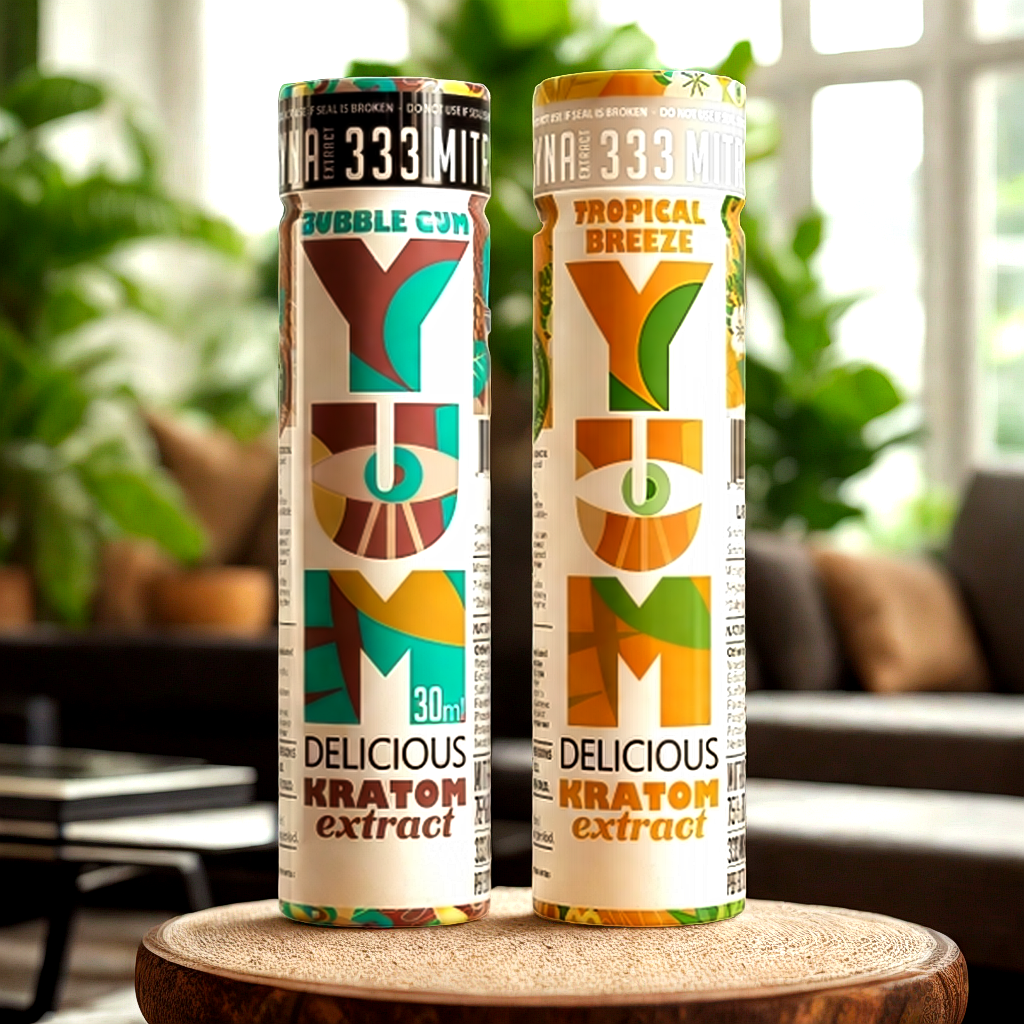
If you’re curious about what a kratom shot can be when taste is treated as essential rather than optional, check out our products and see for yourself. Start with one capful (our “less is more” philosophy means you don’t need to chug the whole bottle).
Frequently Asked Questions
Why do most kratom shots taste so bitter compared to other botanical extracts?
Kratom’s primary alkaloids are inherently bitter compounds, similar to caffeine in coffee or certain compounds in green tea. However, the extraction and concentration process used by many manufacturers amplifies this bitterness significantly. Aggressive extraction methods that prioritize maximum alkaloid yield often pull more bitter compounds while destroying natural flavor balancers in the plant material. Additionally, most kratom companies simply don’t invest in proper flavor formulation, opting for cheap generic flavoring that fails to adequately mask the concentrated bitterness.
Does better taste mean the kratom shot is less potent or effective?
No. This is a myth the industry perpetuates (intentionally or not). Better taste comes from better formulation and flavor science, not from diluting the active compounds. Products can absolutely deliver effective alkaloid content while also tasting good. It just requires more investment in the formulation process. Some of the worst-tasting shots aren’t even particularly potent; they’re just poorly made. Conversely, well-formulated products can deliver consistent effects without making you suffer through the taste.
What should I look for on a label to guess whether a kratom shot will taste decent?
Look for specific flavor descriptions rather than vague terms like “natural flavor” or “berry.” Brands that describe their flavor profile in detail have usually invested in developing it. Check if taste or palatability is mentioned as a feature. Read reviews specifically looking for taste comments, not just overall ratings. Premium pricing (while not a guarantee) often indicates investment in formulation quality. Avoid products that market exclusively on potency claims with no mention of the consumer experience.
Can I mix a kratom shot with juice or other drinks to improve the taste?
You can, and many people do. Citrus juices (orange, grapefruit) tend to work well because the acidity helps cut the bitterness. Some people mix with strong-flavored beverages like coffee. However, this approach has downsides: it’s inconvenient (especially on the go), it adds volume and calories, and it means you’re admitting the product isn’t good enough on its own. A better long-term solution is finding a kratom shot formulated to taste good without modification. If you need to mask the taste significantly, that’s a signal to find a better product.
For Adults 21+ Only
Kratom products, including YUM shots, are intended for responsible adults aged 21 and over. If you’re new to kratom, start with one capful and see how your body responds. Our philosophy is “less is more,” which means you can always take more, but you can’t take less once you’ve consumed it. For more guidance on responsible use, visit our frequently asked questions page.
Experience what a kratom shot should taste like. Try YUM and discover why “actually tastes good” isn’t marketing speak. It’s the whole point. Start with one capful.