
Why Kratom Benefits and Effects Vary Wildly—And the 3 Factors That Actually Determine Your Experience
 Marcus Chen
Why Kratom Benefits and Effects Vary Wildly—And the 3 Factors That Actually Determine Your Experience
Your coworker swears kratom gave her four hours of laser focus. Your gym buddy said it made him feel nothing. Your friend from college claims one shot had him foggy the entire next day. And now you’re wondering: is kratom benefits and effects even a real thing, or is everyone just making this up?
Here’s the uncomfortable truth that nobody in the kratom industry wants to address directly: all three of those people are probably telling the truth about their own experience. The problem isn’t that kratom doesn’t work. The problem is that most people have zero framework for understanding why it works differently for different people, or why two products with “kratom” on the label can produce completely opposite results.
This isn’t marketing spin. It’s the reality of working with a botanical that contains multiple active compounds, being consumed by humans with wildly different biology, at varying serving sizes. Until you understand these three variables, you’re essentially gambling every time you try kratom.
Let’s fix that.
The Kratom Experience Problem Nobody Talks About
Search for “kratom benefits and effects” and you’ll find two categories of content. Medical websites will list potential effects with heavy disclaimers and warnings. Vendor sites will promise focus, energy, and relaxation without explaining why you might not get any of those things.
Neither approach helps you understand what will actually happen when you take kratom.

The truth is messier: kratom benefits and effects exist on a spectrum, and where you land on that spectrum depends on factors that most content completely ignores. Two people can take the exact same product, from the same batch, at the same time, and report experiences that sound like they consumed entirely different substances.
This isn’t a flaw. It’s how botanical extracts work. But pretending this variation doesn’t exist (or blaming it entirely on the user) is dishonest. If you’ve ever tried kratom and thought “this doesn’t work” or “this isn’t what I expected,” you weren’t wrong. You just didn’t have the information to understand what was happening.
Three factors determine your actual kratom experience: your individual body chemistry, your serving size, and the quality and alkaloid balance of the specific product you’re consuming. Miss any one of these, and your results become unpredictable. Nail all three, and you get the consistent, reliable experience that makes kratom actually worth using.
Factor One: Your Body Chemistry Isn’t Their Body Chemistry
Let’s start with the variable you can’t control: you.
Kratom’s active compounds (primarily mitragynine and 7-hydroxymitragynine) interact with your body’s receptors. How strongly they interact, how quickly they’re metabolized, and how you subjectively experience that interaction all depend on your individual biology.
Factors that influence your kratom response:
- Body weight and composition affect how compounds distribute through your system
- Natural receptor sensitivity varies significantly between individuals
- Metabolic rate determines how quickly your body processes alkaloids
- Liver enzyme activity (particularly CYP enzymes) influences how compounds are broken down
- What you’ve eaten changes absorption speed and intensity
- Caffeine and stimulant tolerance may affect how you perceive energizing effects
- Sleep quality and stress levels on that particular day
This is why your friend’s “perfect dose” might feel like nothing to you, or why the same product can feel different on Monday versus Friday.
The practical implication? Stop chasing someone else’s experience. Their body isn’t your body. The person on Reddit who takes a specific amount and reports specific effects isn’t lying, but their report isn’t a prediction for you.
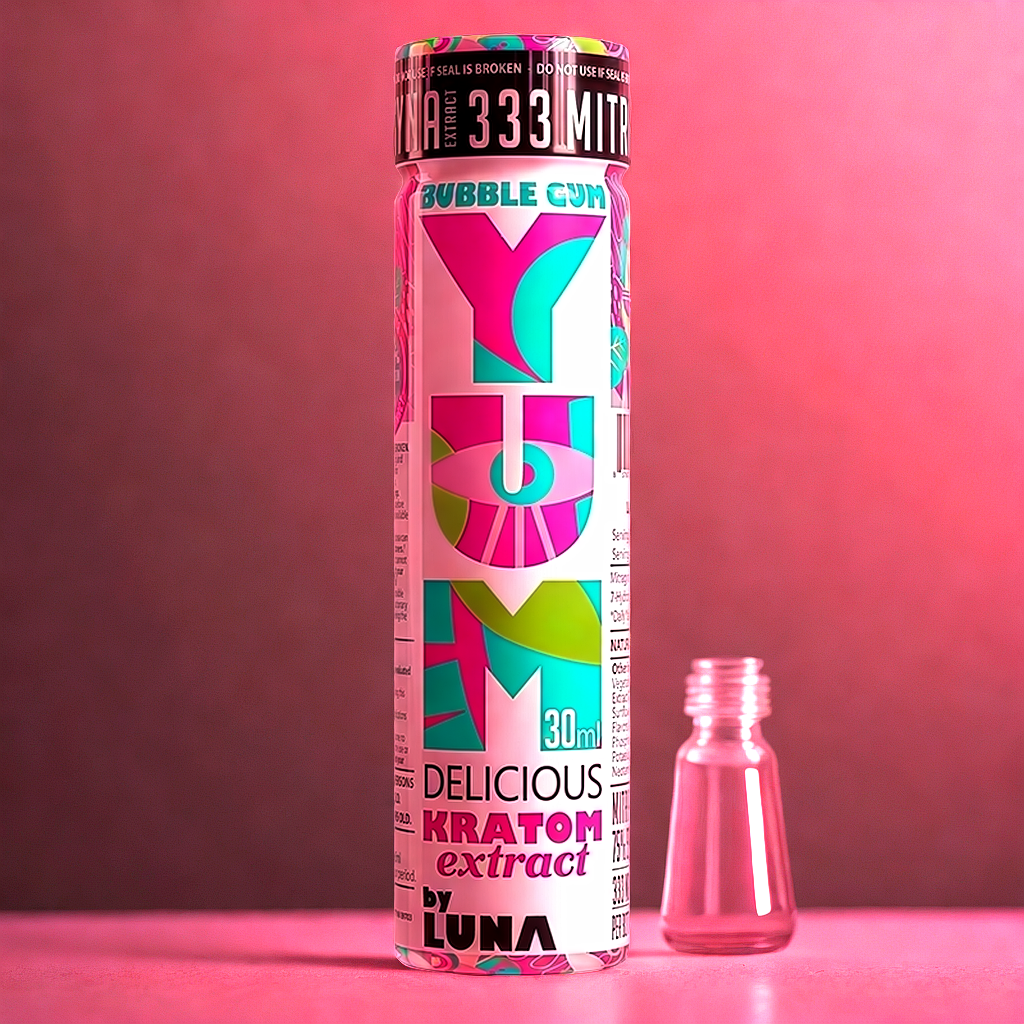
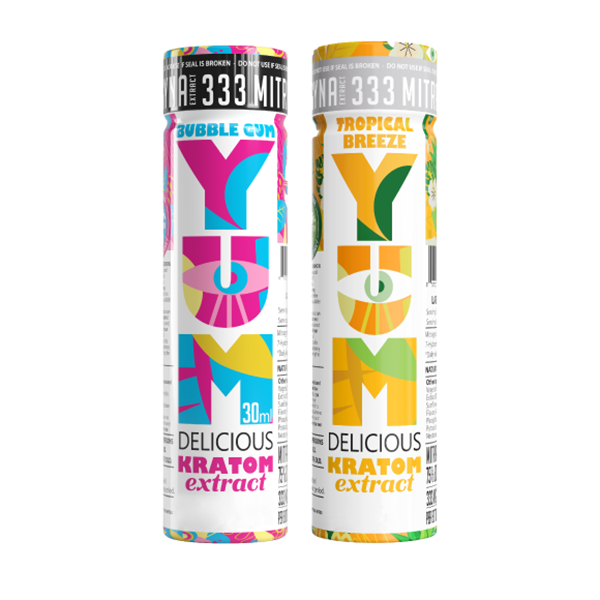
If you’re new to kratom (or coming back after a break), the only intelligent approach is starting with the smallest reasonable serving and paying attention to your own response. For extracts like YUM, that means one capful. Not two because your friend takes two. Not half because you’re nervous. One capful, on a day when you can actually observe how you feel over the next few hours.
For a detailed walkthrough of what that first experience actually looks like, check out what actually happens from first sip to four hours later.
Factor Two: The Serving Size Sweet Spot (And Why More Isn’t Better)
Here’s where kratom gets interesting, and where most people sabotage themselves.
Kratom has what pharmacologists call a “biphasic” response curve. In plain English: smaller servings tend to produce more energizing, focusing effects. Larger servings shift toward relaxation and sedation. This isn’t marketing language; it’s documented in the scientific literature and confirmed by decades of traditional use in Southeast Asia.
The problem is that many people approach kratom with a “more is better” mentality borrowed from other substances. Didn’t feel much? Take more next time. Want stronger effects? Double it.
This backfires spectacularly with kratom.
Taking more doesn’t give you “more energy.” It shifts your experience toward the opposite end of the spectrum. That focused productivity you wanted? Gone. Replaced by drowsiness, fog, or that uncomfortable feeling of having taken too much of something.
The serving size framework:
- Lower servings typically produce: alertness, focus, motivation, social energy, a sense of clear-headed drive
- Higher servings typically produce: relaxation, calmness, sedation, potential next-day grogginess
Notice the word “typically.” Your body chemistry (Factor One) affects where these thresholds fall for you personally. But the principle holds: if you want the energizing benefits most people seek from kratom, less is genuinely more.
This is why the “start with one capful” recommendation isn’t about being cautious. It’s about actually getting the experience you want. You can always try slightly more next time if needed. You can’t un-take what you’ve already consumed.

For goal-specific serving guidance, this breakdown by use case covers what to expect for deep work, training, creative flow, and social situations.
Factor Three: Product Quality and Alkaloid Balance—The Variable Most People Ignore
Now we arrive at the factor that explains most of the wildly inconsistent experiences you’ve heard about. And it’s the one the kratom industry has the least incentive to discuss honestly.
Kratom isn’t a single compound. It contains dozens of alkaloids, with mitragynine and 7-hydroxymitragynine being the most significant. The ratio between these alkaloids (and the presence of other compounds) dramatically changes what you actually feel.
Mitragynine is associated with kratom’s more energizing, focusing effects. It’s the primary alkaloid in the leaf and typically what you want more of if you’re seeking clean energy without sedation.
7-hydroxymitragynine (7-OH) is present in much smaller amounts naturally, but it’s significantly more potent. It’s associated with kratom’s more sedative, relaxing effects.
Here’s what matters: extraction and concentration methods can dramatically shift these ratios.
Many kratom extracts on the market concentrate 7-OH heavily because it’s more potent by weight. This makes the product seem “stronger” and allows manufacturers to use less material. But concentrated 7-OH produces a different experience entirely: heavier, more sedating, and often accompanied by next-day fog or discomfort that defeats the purpose of using kratom for performance.
This is why some people try kratom once, have a bad experience, and conclude “kratom isn’t for me.” They weren’t experiencing kratom’s balanced alkaloid profile. They were experiencing an extract optimized for potency metrics rather than actual user experience.
Signs of poor alkaloid balance in a product:
- Heavy sedation even at small servings
- Feeling “off” or foggy the next morning
- Effects that come on aggressively and crash hard
- Difficulty finding a serving size that produces clean energy
- Nausea or discomfort that seems disproportionate to the dose
Quality extracts prioritize alkaloid balance over raw potency. They preserve mitragynine as the dominant compound while keeping 7-OH at the ratios found naturally in well-sourced leaf. The result is an experience that’s energizing without being jittery, focused without being sedating, and clear enough that you wake up feeling normal the next day.
Taste, surprisingly, is a quality signal here. Extracts that taste overwhelmingly bitter and unpleasant often indicate harsh extraction methods that strip out the plant’s natural complexity. If a company can’t be bothered to make their product palatable, they’re probably cutting corners elsewhere too.
For a deeper dive into how extraction methods affect what ends up in your bottle, see why extraction method changes everything about your experience.
What Balanced Kratom Benefits and Effects Actually Look Like
Let’s get specific about what you can expect when all three factors align: your body chemistry is accounted for, your serving size is appropriate, and your product has a balanced alkaloid profile.
Onset (15-30 minutes): You’ll notice a subtle shift in how you feel. Not a dramatic “hit,” but a gradual sense that your energy is becoming more available, your focus is sharpening, and tasks that felt like a slog now feel more approachable.
Peak (1-2 hours): This is where the benefits become most apparent. Clear-headed focus without the tunnel vision of stimulants. Physical and mental energy without jitters or anxiety. A general sense that you’re operating at a higher baseline than usual.
Duration (3-4 hours total): The effects taper gradually. No crash, no sudden drop-off, no compensation period where you feel worse than baseline. Just a gentle return to normal.
Next morning: You wake up feeling normal. No fog, no grogginess, no sense that yesterday’s productivity was borrowed from today.
What this looks like in practice:
- Deep work session: You sit down to tackle a complex project and find yourself actually engaged instead of constantly fighting the urge to check your phone
- Pre-training: You show up to the gym with genuine energy to push, not the artificial urgency of pre-workout stimulants
- Creative project: Ideas flow more freely, and the editing/perfectionism that usually kills momentum takes a back seat
- Social event: You’re present and engaged without the social lubrication (and consequences) of alcohol
This is what kratom benefits and effects mean when the variables line up correctly. Not superhuman performance. Not a magic pill. Just a cleaner, more sustainable version of you at your best.
How to Set Yourself Up for the Best Possible Experience
Understanding the three factors is step one. Here’s how to apply that knowledge practically:
Start with one capful. This isn’t negotiable for first-timers or people trying a new product. Your ego might want to take more. Your friend might suggest more. Ignore both. One capful gives you a baseline to learn from.
Time it with your stomach. Taking kratom on a completely empty stomach can intensify effects (sometimes uncomfortably). A completely full stomach can mute them. The sweet spot is typically 2-3 hours after a normal meal, or with something light in your system.
Stay hydrated. Kratom can be mildly dehydrating. Drink water throughout your experience. This is basic harm reduction that also improves how you feel.
Don’t stack stimulants initially. If you’re also drinking coffee or taking other energy-boosting substances, you’re introducing variables that make it harder to understand your kratom response. Once you know how kratom affects you solo, you can experiment with combinations.
Give it time. Kratom isn’t instant. If you take a serving and “don’t feel anything” after 15 minutes, don’t take more. Wait at least 45 minutes before deciding the dose wasn’t adequate. The most common mistake is re-dosing too soon and ending up with more than intended.
21+ only. Kratom is for adults. If you’re under 21, this conversation isn’t for you yet.
For a complete first-timer walkthrough, this guide covers methods, timing, and getting it right.
The Honest Limits: What Kratom Benefits Won’t Include
Here’s where we differ from most kratom content: we’re going to tell you what kratom won’t do.
Kratom is not medicine. It’s not FDA-approved, it’s not a replacement for medical treatment, and it’s not appropriate for managing health conditions. If you have a medical issue, talk to a healthcare provider. If you’re taking medications, talk to a healthcare provider before adding kratom.
Kratom isn’t for everyone. Some people’s body chemistry simply doesn’t respond well to it. Some people have conditions or take medications that make it inappropriate. Responsible use means accepting that it might not be right for you.
Regular use builds tolerance. If you use kratom daily, you’ll likely need more to achieve the same effects over time. Many experienced users cycle their use (taking breaks) to maintain effectiveness. This isn’t fear-mongering; it’s how most substances that affect receptors work.
Kratom can cause dependence with regular use. If you use it daily for extended periods, stopping suddenly may produce withdrawal symptoms. This is worth knowing upfront, not discovering later.
Legal status varies. Kratom is banned in some states and localities. Know your local laws before purchasing or traveling with it.
Being honest about limits builds trust. Companies that overpromise and never mention downsides aren’t protecting you. They’re protecting their sales numbers.
Frequently Asked Questions
Why did kratom work great for my friend but I didn’t feel much?
This comes down to the three factors we’ve covered. Your body chemistry differs from theirs, meaning your receptor sensitivity, metabolism, and enzyme activity are unique. The serving size that’s perfect for them might be insufficient or excessive for you. And if you’re using different products, the alkaloid balance could be completely different. The solution isn’t to copy their approach exactly; it’s to find your own sweet spot through careful experimentation starting with a small serving.
How long do kratom benefits and effects typically last?
Quality extracts with balanced alkaloid profiles typically produce noticeable effects for 3-4 hours, with a gradual tapering rather than a hard crash. Onset is usually 15-30 minutes. Products that concentrate 7-OH heavily may feel “stronger” initially but often produce shorter-lived effects with a more pronounced crash. If your kratom wears off abruptly and leaves you feeling drained, that’s a product quality issue, not an inherent kratom characteristic.
Can kratom benefits decrease over time with regular use?
Yes. Like most substances that interact with receptors, regular kratom use can lead to tolerance, meaning you need more to achieve the same effects. Many experienced users manage this by using kratom strategically (for specific tasks or occasions rather than daily) or by cycling their use with regular breaks. If you’re finding that your usual serving doesn’t produce the same effects, the answer isn’t necessarily to take more. It might be time for a break.
What’s the difference between kratom powder benefits and extract benefits?
Kratom powder is ground whole leaf containing all the plant’s alkaloids in their natural ratios. Extracts concentrate these alkaloids, making them more potent per volume. The benefit of quality extracts is convenience and consistency: you know exactly what you’re getting in each serving, and you don’t have to deal with the taste and preparation of raw powder. The risk with poor-quality extracts is that the concentration process can skew alkaloid ratios toward 7-OH, producing a different (often less desirable) experience. This guide explains the differences in detail.
The Bottom Line
Kratom benefits and effects are real. The experiences people describe aren’t fabricated. But those experiences vary dramatically based on factors that most content completely ignores.
Your results depend on your body chemistry (which you can’t change), your serving size (which you control), and your product’s alkaloid balance (which depends on what you buy).
When people have bad kratom experiences, it’s usually because one of these factors was off. When they have great experiences, it’s because all three lined up. Understanding this framework doesn’t guarantee perfect results, but it gives you the knowledge to troubleshoot when something isn’t working and optimize when it is.
The kratom industry benefits from keeping this information vague. If you don’t understand why your experience varies, you’ll keep trying different products, hoping to stumble onto one that works. That’s great for their revenue, not so great for your wallet or your results.
Now you know better.
Ready to experience what balanced kratom actually feels like? Try YUM, the extract that finally gets the alkaloid ratio right, tastes good enough to actually enjoy, and delivers clean energy without the crash. Start with one capful and see what peak performance feels like. Check out our kratom products to get started.