
Why Doctors, the FDA, and Every Official Source Warns Against Kratom—And What They're Not Wrong About (But Also Not Telling You)
 Marcus Chen
Why Doctors, the FDA, and Every Official Source Warns Against Kratom—And What They’re Not Wrong About (But Also Not Telling You)
You Just Read Something Scary About Kratom. That’s Actually the Right Place to Start.
You probably landed here after reading the Mayo Clinic page. Or maybe the FDA’s official statement. Perhaps you scrolled through the DEA’s clinical overview or stumbled onto the American Psychiatric Association’s “Raising Concerns” article.
And now you’re confused.
Because those pages describe something that sounds genuinely dangerous. “Unsafe and ineffective.” “Potential for harm.” “No approved medical uses.” The language is stark, the warnings are clear, and the message is consistent: stay away.
But then you noticed something else. Millions of people use this stuff. Kratom bars are popping up in cities. Friends mention it casually. Reddit threads have thousands of people discussing their experiences like it’s no big deal.
So what’s going on? Is everyone who uses kratom just ignoring serious medical warnings? Are the institutions wrong? Is this some kind of conspiracy?
None of the above, actually. The truth is more nuanced than either side typically presents.

This piece isn’t going to dismiss the institutional concerns. They exist for real reasons. But it’s also going to give you the context those official sources don’t include, because you deserve to make an informed decision with complete information, not just half the picture.
What Officials Are Actually Saying (And Why They’re Saying It)
Let’s start by taking the institutional warnings seriously. If you’ve read the scary headlines about kratom, you’ve probably encountered several specific concerns. Here’s what they actually mean:
“Not FDA Approved”
This is the foundation of most official warnings. The FDA has not approved kratom for any medical use, which means:
- No standardized dosing guidelines exist
- No official quality control requirements apply
- No clinical trials have proven safety and efficacy to FDA standards
- Companies can’t legally claim it treats any condition
This is a legitimate concern. FDA approval involves rigorous testing that kratom hasn’t undergone. When officials say “not approved,” they’re stating a fact, not making a value judgment.
“Potential for Dependence”
Kratom contains alkaloids that interact with opioid receptors in the brain. With regular, daily use, physical dependence can develop. This means:
- Your body can become accustomed to its presence
- Stopping suddenly after heavy use can cause withdrawal symptoms
- Some people find it difficult to moderate their use
This concern is also legitimate. Anyone who tells you kratom has zero dependence potential is either misinformed or lying. The degree varies dramatically based on use patterns, but the potential exists.
“Inconsistent Product Quality”
Because kratom exists in a regulatory gray area, product quality varies wildly. Some products have been found to contain:
- Heavy metals from poor sourcing
- Bacterial contamination
- Inconsistent alkaloid concentrations
- Adulterants not listed on labels
This is perhaps the most practically important concern. The unregulated market means consumers must do their own due diligence.
“Reports of Adverse Events”
The FDA has linked kratom to deaths and adverse events. Medical journals have published case reports of serious reactions. Poison control centers receive calls related to kratom exposure.
These reports exist. They’re documented. Dismissing them entirely would be dishonest.
“Limited Clinical Trial Data”
Most of what we know about kratom comes from traditional use, animal studies, and user reports, not controlled human trials. The scientific evidence base is thin compared to pharmaceutical drugs.
This gap matters. Without rigorous studies, we’re relying on less reliable forms of evidence.
The Context Official Sources Don’t Include
Now here’s where things get more complicated. Those concerns above are all valid starting points. But they’re also incomplete. Here’s what the Mayo Clinic and FDA pages don’t tell you:
150+ Years of Traditional Use
Kratom (Mitragyna speciosa) has been used in Southeast Asia for over a century. In Thailand, Malaysia, and Indonesia, workers have chewed kratom leaves for energy and used them for various traditional purposes for generations. If you want to understand the supply chain from Southeast Asian farms to the products available today, the history matters.
This doesn’t prove safety in the way a clinical trial would. But it does suggest that kratom isn’t some novel synthetic compound with unknown long-term effects. People have been using it for a very long time.
“Not FDA Approved” Doesn’t Mean “Proven Dangerous”
Many things aren’t FDA approved:
- Most herbal supplements
- Traditional Chinese medicine
- Ayurvedic preparations
- Kava (which is served openly in bars)
- Most nootropics
“Not approved” means the FDA hasn’t evaluated it through their approval process. It doesn’t mean they’ve studied it and determined it’s harmful. These are different things, though the language can blur the distinction.
The Difference Between “We Haven’t Studied It” and “We’ve Studied It and It’s Harmful”
Most official kratom warnings are based on an absence of evidence rather than evidence of absence. The FDA hasn’t run the trials that would prove safety. That’s different from having trial data showing harm.
Is this a reason to throw caution to the wind? No. Is it worth understanding the distinction? Yes.
Why Anecdotal Evidence Exists at Such Scale

Millions of Americans use kratom. Online communities have hundreds of thousands of members sharing experiences. If kratom were as dangerous as the warnings suggest, we’d expect to see far more problems given the scale of use.
Anecdotal evidence isn’t proof. It’s subject to selection bias, placebo effects, and misattribution. But when millions of people report positive experiences over years of use, that’s data worth considering, even if it’s not clinical-grade data.
Self-Selection Bias in Adverse Event Reports
The adverse events linked to kratom come from a specific subset of cases: people who ended up in emergency rooms, poison control calls, or medical examiner reports. These are not representative samples of typical kratom users.
Many reported deaths involved other substances (opioids, benzodiazepines, alcohol) alongside kratom. Some involved pre-existing health conditions. The causation picture is often murky.
This doesn’t mean kratom is risk-free. It means the risk assessment is more complicated than “X deaths have been linked to kratom.”
Why the Regulatory Stance Exists
Here’s something both sides often miss: regulatory agencies have institutional incentives to err on the side of caution. If the FDA says something is safe and it turns out to cause harm, that’s a major scandal. If they warn against something that turns out to be relatively safe, the downside is much smaller.
This doesn’t make them wrong. It just means their risk tolerance is calibrated differently than an individual consumer’s might be.
The Legitimate Concerns You Should Actually Take Seriously
With all that context in mind, here are the concerns that actually matter for someone considering kratom:
Dependence Potential Is Real
If you use kratom daily, especially at higher amounts, your body will likely adapt. This isn’t propaganda; it’s pharmacology. The alkaloids in kratom interact with the same receptors that create dependence with other substances.
The severity varies dramatically based on use patterns. Occasional use carries minimal risk. Daily, heavy use carries more significant risk. If you want to understand kratom’s relationship with your body over time, this is the most important factor to consider.
Product Quality Varies Wildly
Because the market is unregulated, you cannot assume any given kratom product is safe or accurately labeled. Some companies test rigorously and maintain high standards. Others cut corners or don’t know what they’re selling.
This is probably the most actionable concern. If you’re going to use kratom, choosing quality products from transparent companies isn’t optional. It’s essential. Look for companies that publish third-party lab results and can tell you exactly what’s in their products.
Not Everyone Should Use Kratom
Kratom isn’t for:
- Anyone under 21
- Pregnant or nursing women
- People with certain medical conditions (talk to your doctor)
- People taking medications that might interact (again, doctor)
- People with a history of substance dependence issues
If any of these apply to you, the institutional warnings are probably right for your situation.
Starting With Too Much Is a Common Mistake
Many negative kratom experiences come from people who took too much on their first try. Kratom has a dose-dependent effect profile, and more isn’t better. Higher amounts can cause nausea, dizziness, and unpleasant sedation.
The “less is more” principle matters here. If you’re curious about how to use kratom as a first-timer, starting small is the first rule.
It’s Not a Substitute for Medical Care
Kratom is a botanical with effects. It’s not a medicine. It doesn’t treat, cure, or prevent any disease or medical condition. If you have health issues, you need actual healthcare, not an herbal extract.
What Responsible Use Actually Looks Like
If you’ve weighed the information and decided to try kratom, here’s what responsible use looks like:
Start Small
Your first experience should involve a small amount. You can always take more next time; you can’t take less after the fact. Give yourself time to understand how kratom affects you personally before increasing.
Don’t Use Daily
The surest way to develop dependence is daily use. Treating kratom as an occasional tool rather than a daily staple dramatically reduces risk. Many experienced users take regular breaks or use only a few times per week.
Choose Quality Products
Buy from companies that:
- Test their products through independent labs
- Publish those test results
- Can tell you where their kratom comes from
- Have a track record and reputation to protect
Cheap, sketchy products from unknown sources are where most quality-related problems come from. If you’re exploring kratom products, transparency should be non-negotiable.
Know Your State’s Legal Status
Kratom is legal in most U.S. states but banned or restricted in some. Before purchasing or possessing kratom, verify the legal status in your state and any states you might travel to. This is your responsibility.
Tell Your Doctor
If you use kratom, your healthcare provider should know. This matters for potential interactions, for accurate medical history, and for your own safety. If you’re worried about the conversation, we’ve written about how to approach that healthcare conversation.
Understand This Is a Tool, Not a Solution
Kratom can provide energy, focus, or social ease in the moment. It’s not a fix for underlying issues. If you’re struggling with chronic fatigue, anxiety, or other persistent problems, those need real solutions, not botanical band-aids.
Making Your Own Informed Decision
Here’s what I won’t do: tell you whether to use kratom or not.
That’s not my call. You’re an adult capable of weighing evidence, assessing risks, and making decisions about your own body.
The institutional warnings are real and based on legitimate concerns. They’re also incomplete, lacking context about traditional use, the distinction between absence of evidence and evidence of harm, and the scale of uneventful use that happens every day.
The user testimonials are real and reflect genuine experiences. They’re also subject to bias, placebo effects, and the tendency of people with positive experiences to be more vocal than those with neutral ones.
The truth, as usual, is somewhere in the middle.
Kratom is a botanical with real effects, real benefits for some people, and real risks for others. It’s not the dangerous drug that some official sources suggest, and it’s not the miracle plant that some enthusiasts claim. It’s somewhere in between.
If you decide it’s not for you after reviewing all the information, that’s a reasonable conclusion. If you decide to try it with appropriate caution and quality awareness, that’s also a reasonable conclusion.
What’s not reasonable is making that decision based on only half the available information, whether that half comes from official warnings or from user testimonials.
You came here looking for context. Now you have it. What you do with it is up to you.
Frequently Asked Questions
Why doesn’t the FDA approve kratom if millions of people use it safely?
FDA approval requires extensive clinical trials that cost hundreds of millions of dollars and take years to complete. These trials are typically funded by pharmaceutical companies expecting patent protection and profit from an approved drug. Kratom is a natural plant that can’t be patented, so there’s no financial incentive for anyone to fund FDA approval trials. The absence of approval reflects economics and process, not a definitive safety determination. Many widely used botanicals (kava, valerian, most herbal supplements) exist in the same regulatory space.
Is kratom actually addictive, or is that exaggerated?
It’s neither completely exaggerated nor as severe as sometimes portrayed. Kratom can cause physical dependence with regular, daily use. This is a pharmacological reality, not propaganda. However, “addictive” covers a wide spectrum. Kratom’s dependence profile is generally considered less severe than classical opioids, and many people use it occasionally without developing any dependence. The key variables are frequency of use, amount used, and individual physiology. Daily heavy use carries meaningful dependence risk. Occasional use carries minimal risk. The honest answer is: it depends on how you use it.
If kratom is dangerous, why is it still legal in most states?
Several factors keep kratom legal despite federal warnings. First, the DEA attempted to emergency-schedule kratom in 2016 and faced unprecedented public backlash, eventually withdrawing the proposal. Second, the evidence of harm is less clear-cut than with other controlled substances. Third, advocacy groups have been effective at both the state and federal level. Fourth, some states have passed the Kratom Consumer Protection Act, which regulates rather than bans kratom. The legal status reflects ongoing debate about where kratom falls on the risk spectrum, not a settled scientific consensus that it’s safe.
Should I trust government warnings or user testimonials more?
Neither completely. Government warnings represent institutional caution, legitimate regulatory concerns, and sometimes incomplete information. They tend to emphasize risks and may not reflect typical user experiences. User testimonials represent individual experiences that may not apply to you, are subject to multiple biases, and tend to skew positive because satisfied users are more vocal. The most accurate picture comes from understanding both perspectives and their limitations. Read the official warnings to understand the real concerns. Read user experiences to understand what typical use looks like. Then make your own assessment based on your personal situation, risk tolerance, and health status.
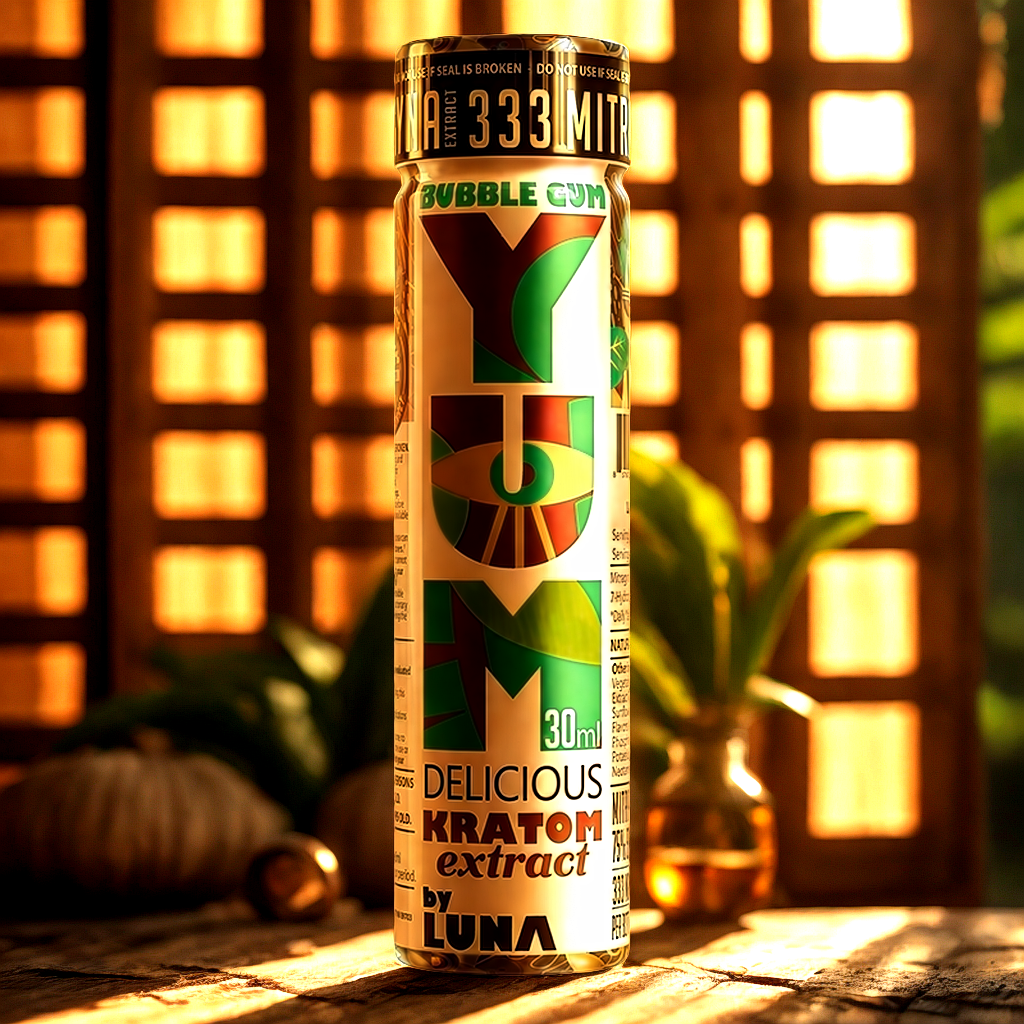
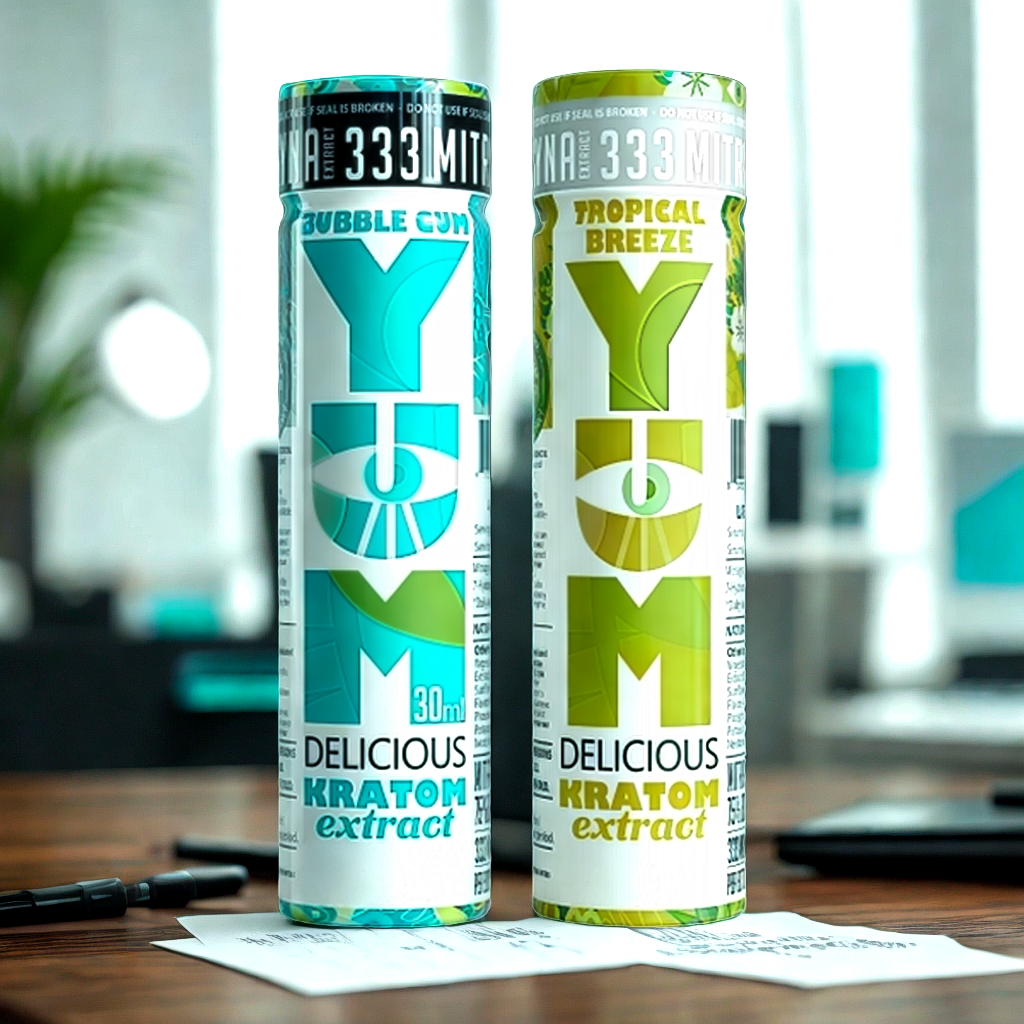
If you’ve decided to try kratom after doing your research, start with a product from a company that prioritizes transparency, balanced alkaloid profiles, and actually tastes good. YUM was built for people who want clean energy without the crash, and without the mystery of what’s actually in the bottle.