
The Kratom Wave: Why Millions Are Ditching Coffee, Alcohol, and Energy Drinks for This Controversial Botanical
 YUM Kratom Team
The Kratom Wave: Why Millions Are Ditching Coffee, Alcohol, and Energy Drinks for This Controversial Botanical
You’ve noticed it. Maybe it was the kava bar that opened three blocks from your office. Or your buddy who stopped ordering whiskey and started asking bartenders about “botanical shots.” Perhaps it was that podcast host casually mentioning kratom between ads for mattresses and meal kits. Or the small bottles sitting next to the energy drinks at your gym.
Kratom is suddenly everywhere. And you’re wondering what the hell is going on.
Here’s what makes this interesting: if you Google “what is kratom,” you’ll get a wall of warnings. The FDA says it’s dangerous. The DEA has it on watch lists. Medical institutions call it concerning. And yet, millions of Americans are actively choosing it over their morning coffee, their after-work drinks, their pre-workout shots.
That disconnect tells a story worth understanding, whether or not you ever try kratom yourself.
Something’s Shifting: Why Kratom Is Suddenly Everywhere You Look
Let’s be clear about something: kratom isn’t new. It’s a tropical tree from Southeast Asia (Mitragyna speciosa, if you want to get technical) that’s been used for centuries in places like Indonesia, Thailand, and Malaysia. Workers chewed the leaves. It was part of local culture, unremarkable and routine.
What IS new is the American moment happening around it right now.
Walk into any major city’s “functional beverage” scene and you’ll find kratom. It’s in kava bars in Austin. Wellness shops in LA. The coolers of CrossFit gyms in suburban Ohio. Podcasters with massive audiences discuss it openly. Entrepreneurs build brands around it. The sober-curious crowd embraces it as an alcohol alternative.
The American Kratom Association estimates millions of Americans now use kratom regularly. That number keeps growing despite (or perhaps because of) the institutional warnings.
So what’s driving this?
Not recklessness. Not ignorance. The people adopting kratom tend to be educated, health-conscious, and deeply skeptical of both pharmaceutical solutions AND unregulated supplements. They’ve done research. They’ve read the scary headlines. And they’re making a calculated choice anyway.
Understanding why requires looking at what they’re running from.
The Broken Options Problem: What Kratom Users Are Actually Running From
Here’s a question that doesn’t get asked enough: why are so many people looking for alternatives in the first place?
Let’s run through the standard toolkit most adults rely on for energy, focus, and social lubrication:
The Caffeine Trap
Coffee is practically a religion. But many people reach a point where their relationship with caffeine stops working.
You know the pattern. One cup becomes two. Two becomes four. The afternoon crash gets brutal. Sleep quality suffers. You need caffeine just to feel normal, and even then, the actual energy boost has diminished. You’re not getting a lift anymore; you’re just avoiding withdrawal.
Energy drinks follow the same trajectory, often with added sugar crashes, heart palpitations, and a jittery anxiety that makes focused work difficult. If you’ve explored natural energy alternatives beyond caffeine, you know how limited the options feel.
The “borrowed energy” problem is real: stimulants don’t create energy, they borrow it from later. And eventually, you run out of credit.
Alcohol’s Hidden Costs
For social situations, alcohol remains the default. And it works, sort of. It loosens you up. Reduces social friction. Makes networking bearable and parties fun.
But the costs accumulate. The next-morning fog. The empty calories. The sleep disruption (yes, passing out isn’t the same as restful sleep). The gradual tolerance that means you need more to feel the same effect. The hangovers that get worse as you age.
Many people reach a point in their 30s or 40s where they can’t drink the way they used to without paying a steep price in productivity. The sober-curious movement exists because millions of people are quietly asking: is there another way to be social without feeling like garbage the next day?
The Gap Nobody’s Filling
What people actually want is pretty simple:
- Clean, sustained energy without the jitters or crash
- Focus that lasts through a work block or workout
- Social ease without impairment or hangover
- Something that doesn’t require escalating doses to keep working
Caffeine doesn’t quite do it. Alcohol definitely doesn’t. Energy drinks are temporary and harsh. Prescription options come with their own complications.
Into that gap, kratom has inserted itself. Not because marketing convinced people, but because word-of-mouth spread from person to person: “Hey, try this instead.”
The Experience People Describe: What Actually Draws Them In
I need to be careful here because individual experiences vary significantly. What one person feels, another might not. Kratom isn’t a one-size-fits-all substance, and I’m not going to pretend it is.
But here’s what draws people in, based on how users commonly describe the experience:
Smooth focus. Not the wired, anxious alertness of too much caffeine. More like clarity, the ability to settle into work without the mental scatter. Many users describe it as “calm energy.”
Social ease without impairment. This is a big one for the alcohol-alternative crowd. Kratom users often report feeling more relaxed and conversational in social settings while remaining sharp. No slurring. No bad decisions. No hangover.
A clean offset. Unlike caffeine’s crash or alcohol’s hangover, users frequently note that kratom wears off without a dramatic payback. You don’t feel worse after than you did before.
The typical experience window is roughly 3 to 4 hours. That’s meaningful, because it aligns with natural work blocks, workout sessions, or social events. It’s functional energy for specific time windows, not an all-day alteration.
One thing experienced users discover quickly: less is more. Unlike alcohol or caffeine, where more generally equals stronger effects, kratom has a sweet spot. Too much can actually be counterproductive. This surprises people who expect a linear dose-response curve.
A few important notes: if you have any medical conditions, talk to your healthcare provider before trying kratom. Individual responses vary based on body chemistry, what you’ve eaten, and numerous other factors. Start with small servings if you’re curious. And this isn’t for anyone under 21.
The Controversy Explained: Why Institutions and Users See Different Things
Here’s where things get complicated. If you search for kratom information, you’ll find the FDA warning it’s dangerous. The DEA has considered scheduling it. Medical institutions express concern.
Meanwhile, millions of people use it regularly and describe it as life-improving. What gives?
Both perspectives contain truth. Here’s what’s actually happening:
The Research Gap
Kratom is botanically complex. It contains dozens of alkaloids (the active compounds) that interact with each other in ways that aren’t fully understood yet. The primary ones, mitragynine and 7-hydroxymitragynine, work differently at different doses.
Here’s the problem: there’s limited clinical research on kratom. Most studies are small, preliminary, or conducted outside the US. The FDA hasn’t approved it for any use, which means there’s no standardized dosing, no official safety guidelines, and no regulatory oversight of product quality.
When institutions say “we don’t have enough data to call this safe,” they’re being accurate. The research genuinely doesn’t exist at the scale needed to make definitive safety claims. If you want to understand the science behind kratom’s alkaloids, you’ll find it’s genuinely complex territory.
The Quality Problem
This is crucial: the kratom market is largely unregulated. That means wildly inconsistent products. Some brands sell clean, well-tested extracts. Others sell contaminated, mislabeled, or adulterated products.
Many of the adverse events reported to the FDA involve products that were contaminated or combined with other substances. When someone has a bad reaction to “kratom,” it’s often unclear whether the kratom itself was the problem or whether the product contained something it shouldn’t have.
This is a real concern, and informed consumers take it seriously. They look for brands that offer third-party lab testing, transparent sourcing, and consistent alkaloid profiles. The difference between quality-focused kratom and gas station garbage is massive.
The Context Problem
Institutions evaluate substances in isolation. Users evaluate them in context.
From an institutional perspective, kratom has risks, potential for dependence, interaction possibilities, and individual variation. That’s all true.
From a user perspective, they’re comparing kratom to their current options. Is kratom riskier than being on four cups of coffee a day? Than regular alcohol consumption? Than the energy drink habit that’s disrupting their sleep? Than the prescription stimulants with their own side effect profiles?
These are personal calculations that individuals make for themselves. The institutional view doesn’t account for what people are replacing with kratom, only what kratom itself might do.
This isn’t “ignore the warnings.” It’s “understand why the conversation is complicated.” People aren’t stupid for making choices that differ from institutional recommendations. They’re weighing tradeoffs that institutions don’t always acknowledge.
What This Trend Actually Tells Us About Modern Performance Culture
Zoom out for a moment. Kratom’s rise isn’t happening in isolation. It’s part of something bigger.
The Pharmaceutical Skepticism Wave
Trust in pharmaceutical solutions has eroded for many people. Whether it’s concerns about overprescription, frustration with side effects, or simply wanting fewer synthetic substances in their bodies, many adults are actively seeking alternatives.
This isn’t anti-science. It’s often deeply research-driven. The same people exploring kratom are reading studies, tracking their responses, and approaching it more rigorously than they’d approach a prescription their doctor handed them.
The Sober-Curious Explosion
Alcohol consumption is declining among younger adults. The “sober-curious” movement has gone mainstream. People want the social benefits of drinking without the costs.
Kratom fits neatly into this space. It provides what sober-curious consumers are looking for: something to hold at a party, something that takes the edge off social anxiety, something that doesn’t destroy your productivity the next day.
Kava bars aren’t thriving because of marketing. They’re thriving because they offer an alternative to the bar-alcohol-hangover cycle that many people are exhausted by.
The “Clean Energy” Standard
Performance culture has evolved. The “grind until you crash” mentality is giving way to something more sustainable. People want energy, but they want it clean. No crash. No jitters. No dependency spiral. No borrowing from tomorrow to fuel today.
Kratom, when used responsibly, fits that framework for many people. It’s functional. It has an end time. It doesn’t require escalating doses. It doesn’t ruin sleep.
What Does It Mean When Millions Choose Controversy?
Here’s the uncomfortable truth: when millions of educated adults choose a controversial botanical over socially accepted options, it says something about those socially accepted options.
Coffee and alcohol are so normalized that we don’t think of them as drugs. But they are. And their costs are significant for many people.
Kratom’s rise isn’t a trend manufactured by clever marketing. It’s a grassroots response to a genuine gap in what’s available. People found something that works for them and told their friends.
Whether or not kratom is for you, this conversation matters. It reflects changing attitudes toward how we optimize, socialize, and function.
If You’re Curious: The Smart Consumer’s Starting Framework
Let me be direct: kratom isn’t for everyone.
Some states have restrictions or bans, so check your local laws. If you have medical conditions, talk to your healthcare provider first. If you’re pregnant, nursing, or taking medications, don’t try kratom without medical guidance. If you’re under 21, this isn’t for you, period.
For those who do decide to explore, here’s the smart approach:
Start Small, Really Small
The biggest mistake new users make is taking too much. Remember: less is more with kratom. Start with the lowest suggested serving and wait to understand how your body responds. You can always take more next time; you can’t take less.
Quality Matters More Than Potency
Don’t chase the strongest product. Chase the cleanest, most consistent one. The questions to ask:
- Does this brand publish third-party lab results?
- Is the alkaloid profile balanced, not just maxed-out on one compound?
- Where does the kratom come from, and is the supply chain transparent?
- What do the reviews say about consistency between batches?
Understanding what makes a quality kratom extract is more valuable than finding the cheapest option.
Track Your Response
Pay attention to how kratom affects you specifically. Energy levels. Focus. Sleep quality. Mood. Everyone’s chemistry is different. What works for your friend might not work for you, and vice versa.
Don’t Make It Daily
Responsible users tend to be intentional about when and why they use kratom. For a big work session. Before a social event. During a tough workout. Not as a daily default. This isn’t about restriction for its own sake; it’s about keeping kratom effective and avoiding the tolerance issues that plague caffeine users.
Taste and Balance Matter
Here’s something nobody tells you: most kratom products taste genuinely awful. That matters because if something tastes like punishment, you’re not going to enjoy using it, and you’re more likely to rush through the experience or avoid it altogether.
The brands that have figured out how to make kratom palatable (actual taste, not just “less disgusting”) have solved a real problem. If you’re exploring, look for products where someone actually thought about the drinking experience, not just the alkaloid content.
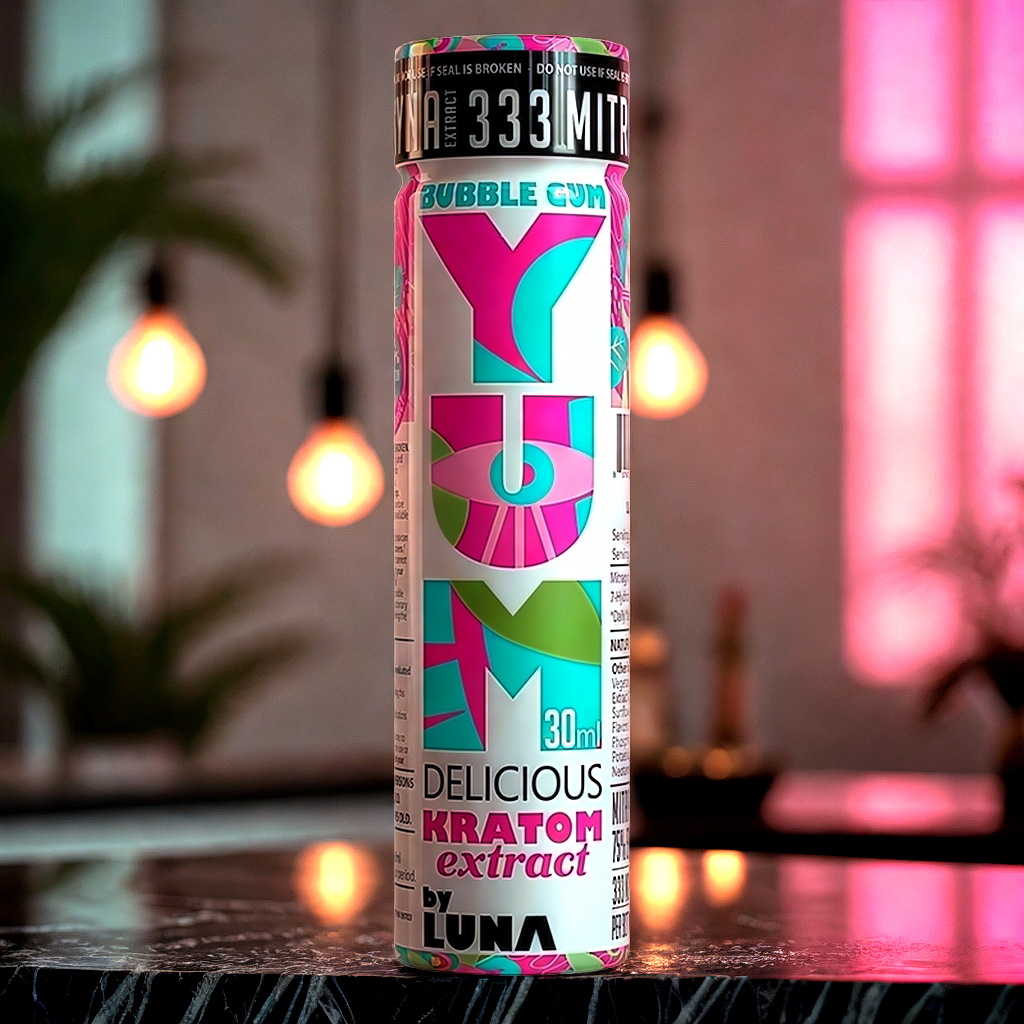
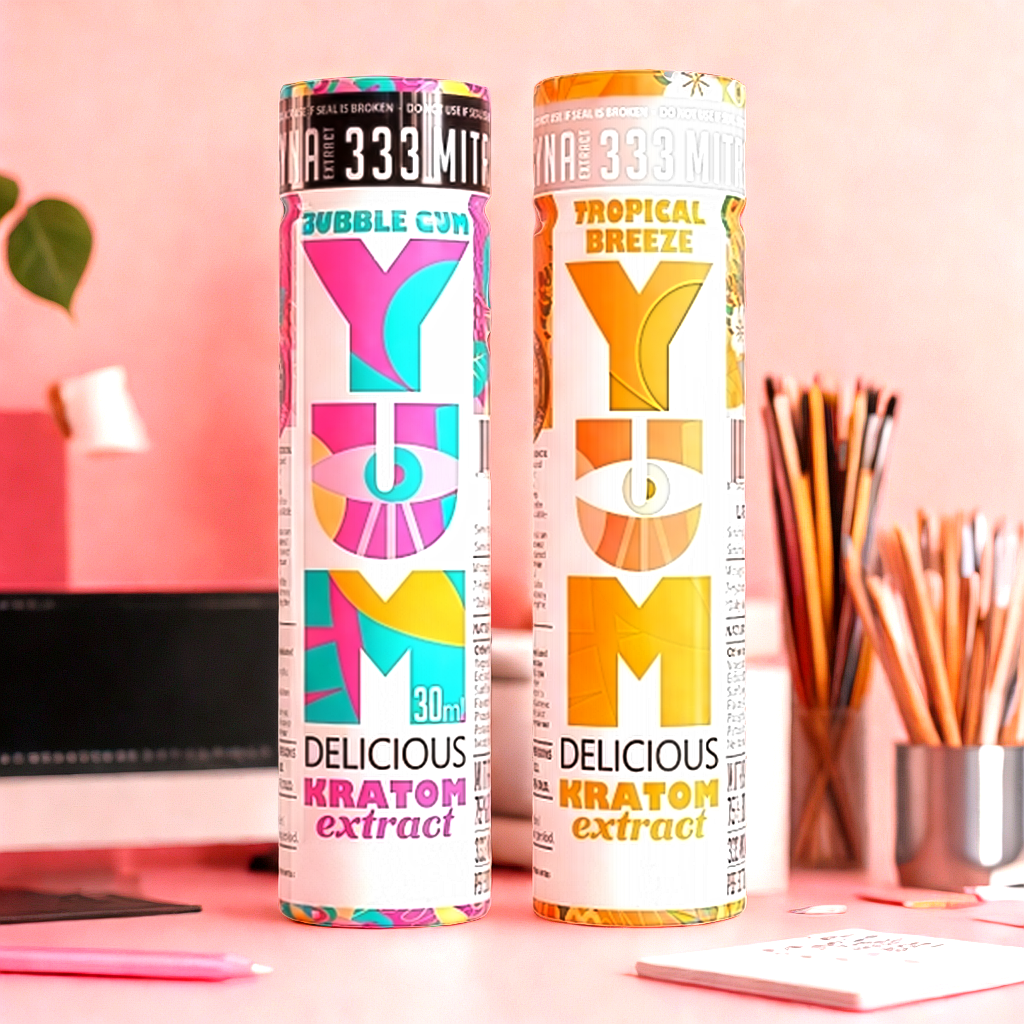
YUM exists because we believe kratom can be built for clean energy, actual taste, and no next-day regrets. We focus on balanced alkaloid profiles, transparent testing, and a drinking experience you might actually look forward to. If you want to see what a quality-focused, taste-forward approach to kratom extract looks like, explore our products.
Frequently Asked Questions
Why are so many people suddenly interested in kratom when medical institutions warn against it?
The short answer: people are weighing kratom against their current options, not against an ideal of perfect safety. For many, the downsides of caffeine dependency, alcohol’s costs, or pharmaceutical side effects feel more immediate than institutional warnings about a botanical with limited research. They’re making informed tradeoffs, not ignoring risks. The institutions aren’t wrong to note concerns. Users aren’t wrong to consider context. Both things can be true.
How does kratom compare to caffeine and energy drinks in terms of how it actually feels?
Users typically describe kratom’s energy as “cleaner” than caffeine: focused without the jitters, sustained without the crash. The experience tends to be calmer, less anxious, more grounded. Unlike energy drinks, there’s no sugar spike and subsequent plummet. The duration is similar (3 to 4 hours), but the offset is gentler. That said, individual responses vary significantly, and comparing your friend’s experience to what you’ll feel is unreliable. If you want a detailed comparison between kratom and other energy alternatives, we’ve covered that in depth.
Is kratom legal, and why does legality vary by state?
Kratom is legal at the federal level but regulated differently by individual states. Some states have banned it entirely. Others have passed the Kratom Consumer Protection Act, which regulates quality and labeling rather than banning the substance. A few states have restrictions at the county or city level. Always check your specific state and local laws before purchasing. The legal variation reflects the ongoing debate about whether kratom should be regulated like a supplement, a controlled substance, or something in between.
What should someone look for if they decide to try a kratom product?
Three things matter most: transparency, testing, and balance. Look for brands that publish third-party lab results showing alkaloid content and confirming the absence of contaminants. Prioritize balanced alkaloid profiles over products that brag about maxing out a single compound. Check that the company is transparent about sourcing and extraction methods. Avoid products with outrageous claims, suspiciously low prices, or no verifiable testing. And read reviews for consistency between batches. Quality kratom isn’t cheap, but the premium is worth it for safety and reliability. Check out our frequently asked questions for more guidance on getting started.