
The High Performer's Honest Guide to Natural Energy Supplements: What Actually Works, What's Overhyped, and Where Botanicals Like Kratom Fit
 Ryan Okafor
The High Performer’s Honest Guide to Natural Energy Supplements: What Actually Works, What’s Overhyped, and Where Botanicals Like Kratom Fit
You’ve tried B vitamins. Maybe some ashwagandha gummies your friend swore by. Possibly a green powder that tasted like lawn clippings and promised “all-day energy.” And here you are, still tired, still reaching for that third coffee, still wondering if any of this stuff actually works.
You’re not alone. Most people cycle through three to five natural energy supplements before either finding something that clicks or giving up entirely. The problem isn’t that natural energy solutions don’t exist. The problem is that the supplement industry treats wildly different categories as interchangeable, and nobody explains why something might work for your coworker but do absolutely nothing for you.
This guide is different. We’re going to break down the entire natural energy supplement category honestly. What works, what’s overhyped, what only works under specific circumstances, and where botanical extracts like kratom fit into the picture. No sales pitch. Just straight information so you can stop wasting money on things that won’t move the needle for you.
Why Most Natural Energy Supplements Disappoint (And It’s Not Your Fault)
Here’s the fundamental issue nobody talks about: there are two completely different types of “energy supplements,” and they work through entirely different mechanisms.
Category one: Deficiency correctors. These are things like B12, iron, vitamin D, and magnesium. They work brilliantly if you’re actually low in them. If you’re not deficient, they do essentially nothing for your energy levels. Taking extra B vitamins when your levels are already normal is like putting premium gas in a car that runs fine on regular. You’re not going to notice a difference.
Category two: Active enhancers. These are substances that produce a noticeable effect regardless of your baseline nutritional status. Coffee falls into this category. So do adaptogens like rhodiola (though the effect is subtle and takes weeks). And so do botanical extracts like kratom, which you’ll actually feel within 20-30 minutes.
The supplement industry mixes these categories together constantly. That’s why someone recommends B12 to you, you try it, feel nothing, and assume all natural energy supplements are scams. They’re not. You just weren’t deficient in B12.
Understanding this distinction is going to save you a lot of money and frustration. Let’s break down each category honestly.
The Deficiency Correction Category: When Vitamins Actually Make Sense
Vitamins and minerals can absolutely affect your energy levels. But only if you’re actually deficient. Here’s the honest breakdown:
Vitamin B12
B12 is essential for energy production at the cellular level. Deficiency causes fatigue, weakness, and brain fog. But here’s the thing: if you eat meat, eggs, or dairy regularly, you’re probably not deficient. Vegetarians, vegans, people over 50 (who absorb B12 less efficiently), and those with certain digestive conditions are the groups most likely to benefit.
Who should consider it: Vegetarians, vegans, adults over 50, anyone with diagnosed absorption issues.
Who probably won’t notice anything: Meat eaters with normal digestive function.
How to know for sure: Get a blood test. It’s the only way to know if supplementation will help.
Iron
Iron deficiency is one of the most common nutritional deficiencies, especially among menstruating women, endurance athletes, and people who donate blood regularly. Low iron absolutely tanks your energy. But supplementing when you’re not deficient can actually cause problems.

Who should consider it: Menstruating women (especially with heavy periods), vegetarians, frequent blood donors, endurance athletes.
Who should NOT supplement without testing: Men and post-menopausal women. Iron overload is a real concern.
Bottom line: Don’t guess. Get tested.
Vitamin D
Low vitamin D is associated with fatigue, and a surprising number of people are deficient, especially those who work indoors, live in northern climates, or have darker skin. Unlike some vitamins, D deficiency is common enough that supplementation might be worth considering even without testing.
Who should consider it: Office workers, people in northern latitudes, anyone who doesn’t get regular sun exposure.
What to expect: Gradual improvement over weeks to months if you were actually low. Not an immediate energy boost.
Magnesium
Magnesium is involved in hundreds of enzymatic reactions, including energy production. Many people don’t get enough through diet. Unlike iron, supplementing magnesium is generally safe even without testing.
Who should consider it: Pretty much anyone, honestly. It’s hard to get enough from food.
What to expect: Better sleep quality (which improves energy indirectly), possibly reduced muscle tension. Not a dramatic energy boost.
The Honest Truth About Vitamins for Energy
If you’re genuinely deficient in any of these, correcting that deficiency will help your energy levels. But the effect takes weeks, and if you’re not deficient, you’ll feel nothing. This is why most people who try B vitamins for energy walk away disappointed. They weren’t addressing an actual deficiency.
Consider getting bloodwork done before spending money on vitamin supplements for energy. If your levels come back normal, you know to look elsewhere.
The Adaptogen Reality Check: Ashwagandha, Rhodiola, and Ginseng

Adaptogens have gotten enormous attention over the past few years. The marketing promises stress relief, mental clarity, and sustained energy. Here’s what the research actually shows.
Ashwagandha
Ashwagandha does have decent research behind it for stress reduction and cortisol regulation. Some studies show improvements in stress markers after 8-12 weeks of consistent use. But here’s what nobody mentions: it doesn’t give you “energy” in the way you probably want. It may help you feel less frazzled over time. That’s a different thing than alertness or focus.
What to expect: Subtle improvements in stress resilience after 4-8 weeks of daily use.
What NOT to expect: Feeling energized after taking it. This isn’t coffee.
Rhodiola Rosea
Rhodiola has some of the better research for adaptogens when it comes to fatigue. Some studies suggest it may help with mental fatigue and stress-related exhaustion. But again, we’re talking about subtle effects over weeks of consistent use, not an immediate boost.
What to expect: Possibly better resilience to stress and mental fatigue over 3-6 weeks.
The catch: Most people give up before the 4-week mark because they don’t feel anything immediately.
Ginseng (American and Asian)
Ginseng has been used for centuries, and there’s some research suggesting it may help with fatigue. Asian ginseng (Panax ginseng) tends to be more stimulating than American ginseng. Some people do notice a mild boost, though it’s nowhere near what you’d get from caffeine.
What to expect: Mild, subtle effects. Some people notice something; many don’t.
Best use case: People looking for very gentle support, not those seeking noticeable energy.
The Adaptogen Verdict
Adaptogens work on stress resilience over time, not immediate energy. They’re playing a completely different game than what most people are looking for when they search “natural energy supplements.” If you’re interested in adaptogens, commit to 6-8 weeks of consistent use before deciding if they work for you. If you need to feel something today, this isn’t the category for you.
For a deeper comparison of how adaptogens stack up against other alternatives, our guide on kratom compared to coffee, adaptogens, and other energy alternatives breaks it down in detail.
Botanical Extracts and the Active Enhancement Category
Now we’re getting into the category most people are actually looking for: substances that produce a noticeable effect within an hour, regardless of whether you have any nutritional deficiencies. This is where coffee lives. And it’s where botanical extracts like kratom fit.
The Difference Between “Correcting” and “Enhancing”
Active enhancers work through direct mechanisms. Caffeine blocks adenosine receptors, making you feel more alert. Kratom’s alkaloids interact with receptors in ways that many users describe as clean energy and focus. You don’t need to be “deficient” in anything for these to work.
Where Kratom Fits
Kratom is a botanical extract from the Mitragyna speciosa tree, native to Southeast Asia. It’s been used traditionally for centuries and has gained significant attention in the US over the past decade as an alternative to caffeine-based energy products.
What makes kratom different from vitamins or adaptogens:
- Onset time: 20-30 minutes, not weeks
- Duration: 3-4 hours of noticeable effect
- Experience profile: Users commonly describe it as clean focus, motivation, and energy without the jitters or crash associated with caffeine
If you’re curious about the basics, our no-BS guide to kratom covers what it is, how it works, and what to realistically expect.
What the Experience Actually Feels Like
Because kratom falls into the “active enhancement” category, the experience is something you’ll actually notice. Most people describe it as:
- Alert but not wired
- Focused without the tunnel vision of too much caffeine
- Motivated and clear-headed
- A smooth comedown rather than a crash
This is fundamentally different from popping a B vitamin and hoping you feel something in two weeks. It’s closer to the coffee category in terms of “you actually feel it,” but with a different profile that many people prefer once they’ve experienced the caffeine cycle one too many times.
For a detailed walkthrough of what to expect during your first experience, this honest timeline walks through it hour by hour.
The Honest Caveats
Kratom isn’t without considerations. It can cause dependence with regular use, which is why we emphasize the “less is more” approach and recommend using it intentionally rather than daily without breaks. It’s also not legal everywhere. Some states have restrictions, so check your local laws before purchasing.
Anyone with medical conditions should consult a healthcare provider before trying kratom or any new supplement. And this is strictly a 21+ product.
The Taste, Convenience, and Sustainability Factor Nobody Talks About
Here’s a practical truth the supplement industry glosses over: the best natural energy supplement is the one you’ll actually use consistently.
Most kratom products taste terrible. Like, genuinely unpleasant. Raw kratom powder has an intensely bitter, earthy flavor that makes people gag. Many extract shots are harsh, leaving an aftertaste that lingers for hours. This matters more than people realize, because if something tastes awful, you won’t stick with it long enough to build any kind of consistent practice.
The same applies to format. Mixing powder is messy and time-consuming. Capsules can take forever to kick in because they need to dissolve first. Extract shots offer convenience and faster onset, but quality varies wildly across the market.
Why We Obsess Over Taste at YUM
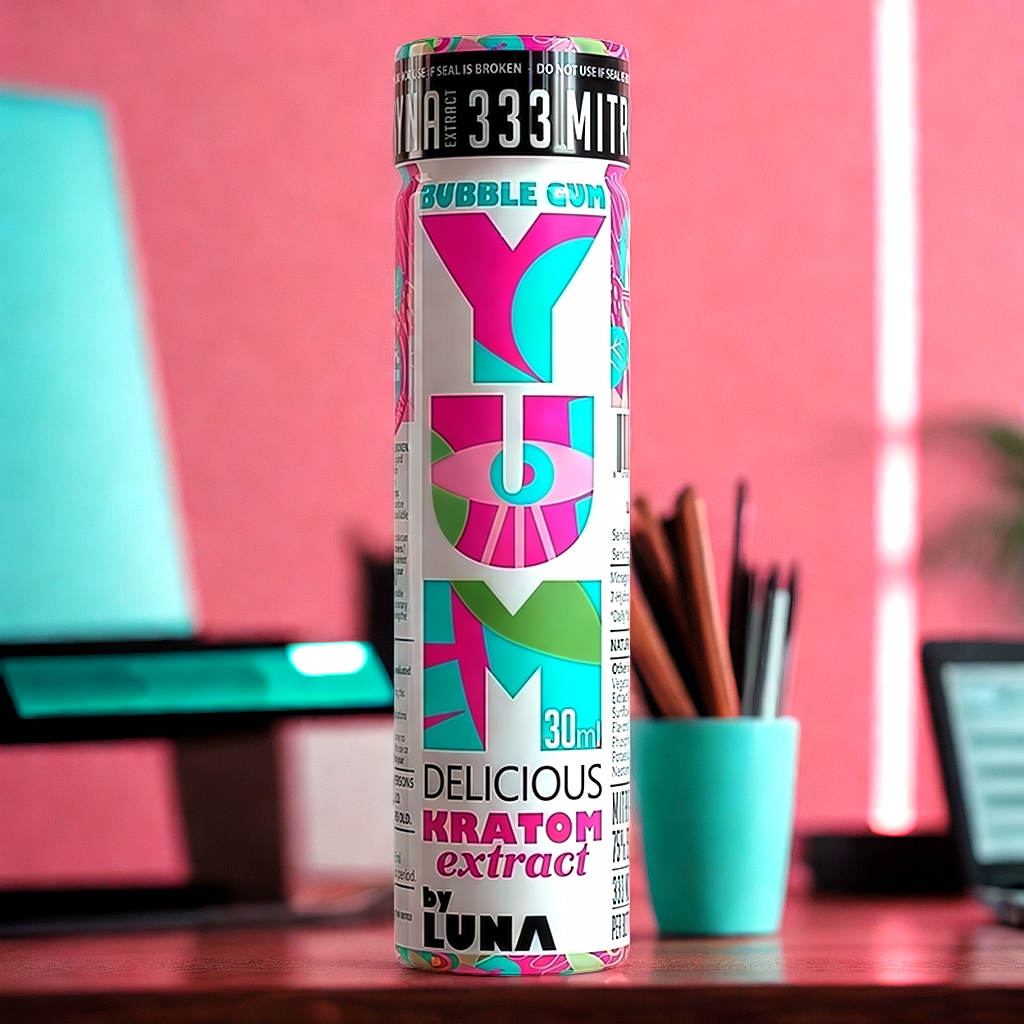
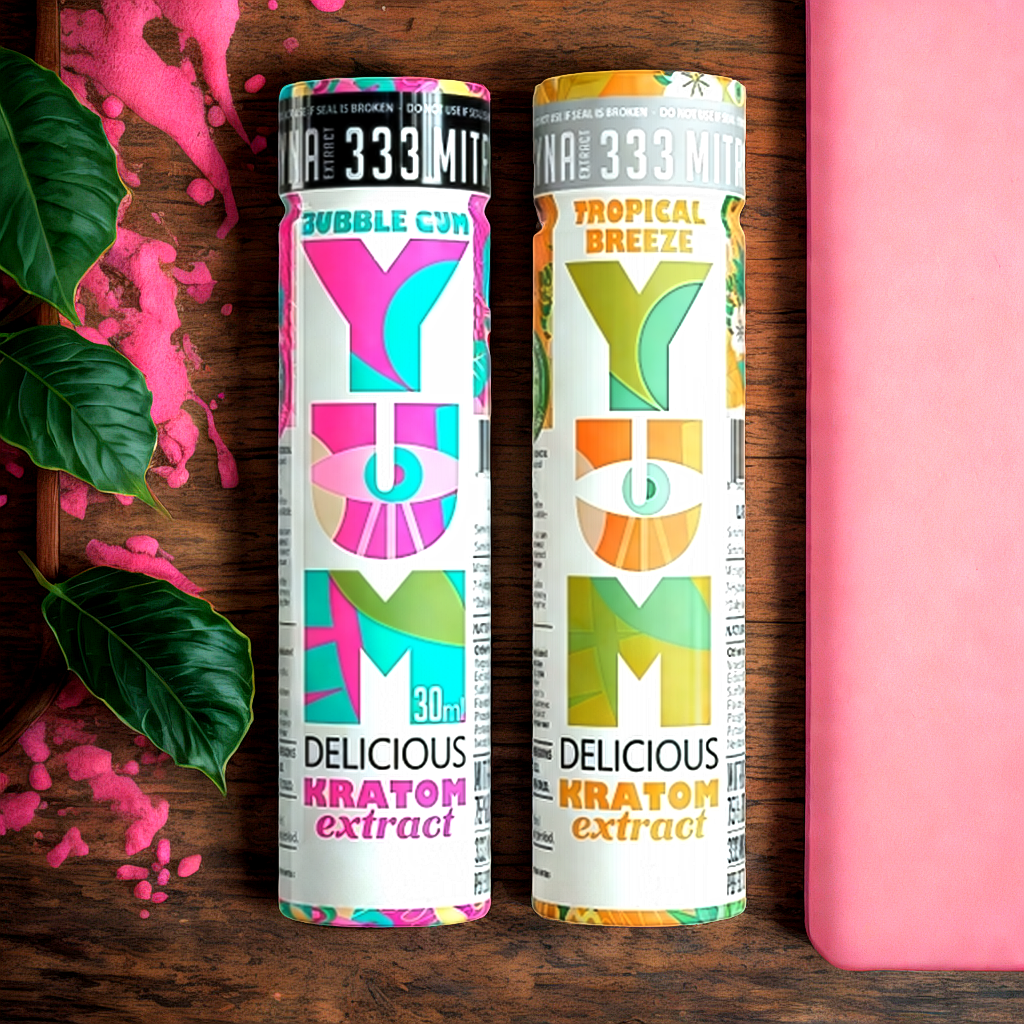
We spent significant time on formulation specifically because we watched people try kratom, hate the taste, and never use it again, even when the effects were exactly what they wanted. That’s a solvable problem. Our extract shots are designed to actually taste good. Not “tolerable for kratom.” Actually enjoyable.
If you’ve been curious about why most kratom tastes so bad and what makes certain products worth drinking, we get into the specifics there.
Building Sustainable Rituals
Whether you choose vitamins, adaptogens, or botanical extracts, sustainability matters. A supplement that works but that you hate taking isn’t a real solution. Think about:
- When will you actually use it? (Morning? Pre-workout? Before important meetings?)
- What format fits your life? (Home ritual vs. on-the-go?)
- Can you see yourself using this consistently for months?
These practical questions matter as much as the active ingredients.
How to Actually Choose: The Decision Framework for Your Specific Situation
Stop randomly trying things. Use this framework to identify what’s most likely to work for your specific situation:
If You’re Exhausted All the Time (Not Just Sometimes)
Constant fatigue regardless of sleep quality suggests you might have an underlying deficiency or health issue. Start with bloodwork. Check B12, iron, vitamin D, and thyroid function. If something comes back low, address that first. If everything’s normal, then look at active enhancers.
If You’re Wired-But-Tired (Anxious Energy, Can’t Focus)
This is often a stress/cortisol pattern, and piling on more stimulants usually makes it worse. Adaptogens might help over time. You might also consider botanical options that provide focus without the jittery quality of caffeine. This is actually where many people find kratom particularly useful, as the energy feels clean rather than anxious.
If You Crash Hard in the Afternoon
This is often blood sugar related or caffeine-crash related. Look at your eating patterns first. If that’s dialed in and you still crash, something with a longer, smoother duration might help. Kratom’s 3-4 hour window without a crash appeals to many people specifically for this reason.
If You’ve Already Tried Multiple Things That Didn’t Work
You’ve probably been trying deficiency correctors when you’re not deficient, or trying adaptogens and giving up before they had time to work. Consider moving to the active enhancement category and trying something you’ll actually feel. Coffee, kratom, or other botanical extracts that produce noticeable effects within an hour.
If You Need Results Today, Not Weeks From Now
Vitamins and adaptogens are not for you, at least not for immediate energy. Active enhancers are your category. That means caffeine-based options or botanical extracts like kratom.
What to Expect When You Try Something New (Realistic Timelines)
Set proper expectations so you can actually evaluate whether something works:
Vitamin/mineral supplements (if you’re deficient): 2-4 weeks of consistent use before noticing improvements. If you feel nothing after 4-6 weeks, you probably weren’t deficient.
Adaptogens: 4-6 weeks minimum. Some research suggests 8-12 weeks for full effects. If you’re not willing to commit to this timeline, don’t waste money on adaptogens.
Botanical extracts like kratom: 20-30 minutes. You’ll know if it works for you within an hour of your first try. No guessing, no waiting weeks to find out.
The “Start Low” Approach
For any new supplement, especially active enhancers, start with less than you think you need. With kratom specifically, we recommend starting with one capful and waiting to see how you respond before considering more. You can always take more next time; you can’t take less once it’s in your system.
Our first-timer’s guide walks through the specifics of timing, protocols, and what to expect.
How to Evaluate Whether Something Works
Give each thing a fair trial at the appropriate timeline (see above). Keep notes on how you feel. Pay attention to:
- Energy levels throughout the day
- Focus and mental clarity
- Mood and motivation
- Any side effects or downsides
- Whether you actually enjoy using it (this matters for sustainability)
After the appropriate trial period, make a clear decision: does this work for me or not? Then either commit to it or move on. Don’t half-use five different things indefinitely.
Frequently Asked Questions
Do natural energy supplements actually work, or is it mostly placebo?
Both categories (deficiency correctors and active enhancers) work through real physiological mechanisms. The issue is that deficiency correctors only work if you’re actually deficient, which is why many people experience nothing from B vitamins. Active enhancers like caffeine and kratom work through direct receptor interactions, and the effects are noticeable and measurable. The placebo component is probably smaller than skeptics assume, but expectation does influence subjective experience to some degree.
What’s the difference between vitamins for energy and botanical extracts like kratom?
Vitamins correct deficiencies. If you’re low on B12 or iron, supplementing brings you back to baseline, and you’ll have more energy. Botanical extracts like kratom are active enhancers. They produce effects regardless of your baseline nutritional status. Think of it like this: vitamins fill a hole; botanical extracts add something on top. Completely different mechanisms, completely different expectations.
How long should I try a new supplement before deciding if it works?
It depends entirely on the category. Vitamins and minerals: 4-6 weeks (if addressing a deficiency). Adaptogens: 6-8 weeks minimum. Active enhancers like kratom: you’ll know within an hour of your first use. Don’t apply the same timeline to everything. That’s one of the biggest mistakes people make.
Can I combine different natural energy supplements, or should I stick to one?
Start with one thing at a time so you know what’s actually working. Once you’ve established a baseline with something, you can experiment with combinations. Many people use adaptogens for long-term stress support while using something like kratom for specific occasions when they need focused energy. Vitamin and mineral supplementation can happen alongside anything else since they’re addressing nutritional status rather than providing acute effects. Just don’t stack multiple active enhancers until you understand how each one affects you individually.
The Bottom Line
Most natural energy supplements disappoint because people don’t understand the difference between correcting deficiencies and active enhancement. Vitamins work if you’re deficient. Adaptogens work for stress resilience over weeks. Botanical extracts like kratom work for noticeable energy and focus within 30 minutes.
Figure out which category fits your actual situation, set appropriate expectations, and give things a fair trial. That’s how you stop wasting money and find something that actually works for you.
If you’re interested in exploring botanical extracts, YUM’s kratom extract shots are designed for people who want the benefits without the terrible taste that makes most kratom products hard to stick with. Start with one capful, see how you feel, and go from there. We’re available in most states (check availability during checkout), and this is strictly for adults 21 and over.
Questions? Check our FAQ page or reach out directly. We’re happy to help you figure out if this is the right fit for you.