
The Dose-Response Truth About Kratom: Why Everyone Describes It Differently (And What That Means for You)
 YUM Kratom Team
The Dose-Response Truth About Kratom: Why Everyone Describes It Differently (And What That Means for You)
You’ve probably noticed something weird in your research. One source calls kratom a stimulant. Another calls it sedating. Medical websites warn it’s dangerous. Reddit threads praise it as life-changing. Your coworker swears it gives them laser focus. Your neighbor says it knocked them out.
They’re all telling the truth.
That’s not a contradiction. It’s the single most important thing nobody explains when answering what kratom actually is. And once you understand it, every confusing review, every alarming headline, and every glowing testimonial suddenly makes sense.
Why Your Research on Kratom Keeps Contradicting Itself
Let’s be honest about what brought you here. You searched “what is kratom” and got hit with a wall of conflicting information. The FDA says one thing. User forums say another. Medical institutions frame it as uniformly dangerous. Enthusiasts frame it as uniformly beneficial.

None of that helps you understand what you’d actually experience.
Here’s the problem: almost everyone talks about kratom as if it produces a single, predictable effect. It doesn’t. Kratom is what scientists call biphasic, meaning its effects change dramatically based on serving size. This isn’t some fringe claim or marketing spin. It’s the fundamental reality of how the plant’s active compounds interact with your body.
Think about how different three cups of coffee feels compared to half a cup. Now imagine if that difference was even more pronounced, where smaller amounts produced energizing effects and larger amounts produced the opposite. That’s kratom.
When you read reviews that seem to describe completely different substances, you’re usually reading about the same plant at different serving sizes. The person who felt alert and focused probably used less. The person who felt relaxed and sleepy probably used more. Both experiences are real. Both are dose-dependent.
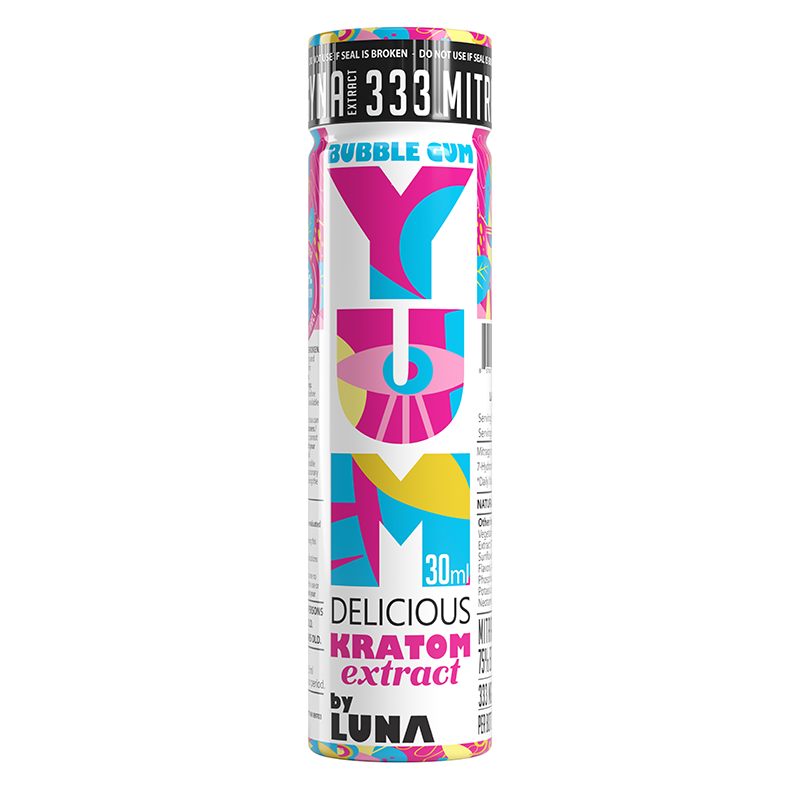
The Biphasic Nature of Kratom: One Plant, Two Experiences
Kratom contains dozens of active compounds called alkaloids, but two matter most: mitragynine and 7-hydroxymitragynine. These work differently in your body, and crucially, they become dominant at different serving sizes.
At smaller amounts, mitragynine takes the lead. This is the alkaloid associated with the energizing, focusing effects people describe. You might feel more alert, more motivated, more socially engaged. Many people compare it to a really clean cup of coffee without the jitters or the crash. For a deeper dive into the complete science behind these alkaloids, we’ve covered that elsewhere.
At larger amounts, the ratio shifts. The sedating effects become more prominent. You might feel calm, relaxed, even drowsy. This is where the “kratom made me tired” experiences come from.
Neither experience is wrong. They’re both real responses to the same plant at different points on the dose-response curve.
Here’s what makes this confusing for newcomers: the crossover point is different for everyone. Your body weight, your metabolism, whether you ate recently, your individual sensitivity, even your tolerance level if you’ve used kratom before, all influence where you fall on that curve. What feels energizing to your friend might feel sedating to you at the exact same amount.

Why First-Time Experiences Go Wrong (And It’s Usually About Amount)
Most negative first-time kratom experiences share a common thread: too much, too fast.
This happens for understandable reasons. People read powder dosing guides written for experienced users. They assume more equals better. They don’t wait long enough before adding more. They chase the effects they expected instead of paying attention to what’s actually happening.
The result? Someone who wanted energy ends up sedated and nauseous. Someone who wanted focus ends up uncomfortable and confused. And that person walks away thinking kratom “doesn’t work” or “isn’t for them” when the real issue was protocol, not the plant.

This is exactly why the “less is more” philosophy exists in the kratom community. It’s not restrictive. It’s protective. Starting small lets you find where YOUR body sits on that dose-response curve without overshooting into territory you didn’t want.
Practical guidance for first-timers:
- Start with the smallest recommended serving (for YUM, that’s one capful)
- Wait at least 30-45 minutes before deciding if you need more
- Don’t stack on top of other stimulants or depressants your first time
- Have food in your stomach, but not a massive meal
- Pay attention to how you actually feel, not how you expected to feel
If you want a complete walkthrough of how to use kratom for the first time, that guide covers timing, methods, and what to expect in detail.
What Balanced Alkaloid Profiles Actually Mean for Your Experience
Not all kratom products are created equal, and this is where the dose-response conversation gets complicated by product quality.
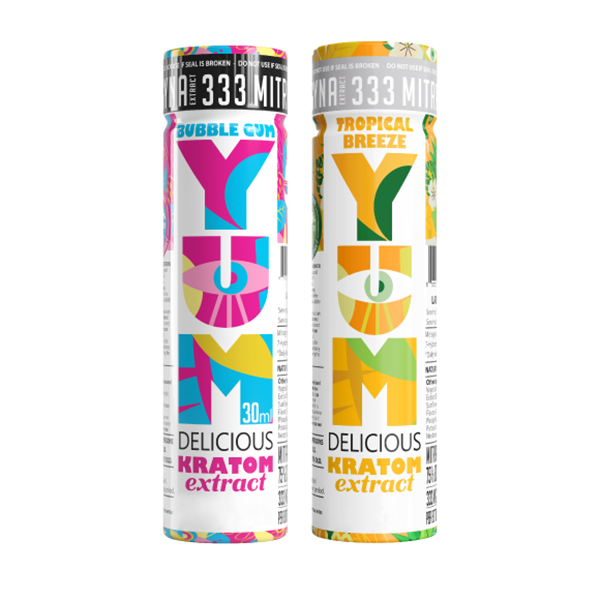
Different extraction methods and source materials produce different alkaloid ratios. Some products concentrate the energizing mitragynine. Others, intentionally or through poor processing, end up with higher proportions of the sedating compounds. This is why two kratom shots can produce wildly different experiences even at the same serving size.
When we talk about balanced alkaloid profiles, we mean extracts that preserve the natural ratios found in high-quality kratom leaves. This matters because it gives you a more predictable experience across the dose-response curve. You’re not getting a product artificially skewed toward sedation or stripped of its energizing compounds.
Quality products, ones that are third-party lab tested, give you consistent alkaloid ratios from batch to batch. This consistency is what lets you actually dial in your personal response over time instead of guessing every time you try a new bottle.
The unregulated nature of the kratom market means plenty of products don’t meet this standard. Some contain inconsistent alkaloid levels. Some are contaminated with heavy metals or adulterants. This isn’t fear-mongering. It’s reality, and it’s why product choice matters as much as serving size when thinking about your experience.
The Practical Framework: Finding Your Personal Response
Understanding dose-response is theoretical until you apply it to yourself. Here’s how to actually use this information.
Start with intention. What do you want from kratom? Clean energy and focus? Social ease without alcohol? A way to wind down that doesn’t leave you groggy? Your goal determines your approach. If you want kratom for energy, you stay on the lower end of the serving spectrum. Period.
Respect your variables. Your response will change based on:
- Body weight (heavier individuals often need slightly more)
- Food intake (empty stomach hits faster and stronger)
- Time of day (morning vs. evening affects perception)
- Sleep quality (tired bodies respond differently)
- Other substances (caffeine, alcohol, medications all interact)
Track what happens. This sounds tedious, but two minutes of notes after your first few experiences saves hours of frustration later. Write down the amount, the time, what you ate, and how you felt at 30 minutes, 60 minutes, and 2 hours. Patterns emerge fast.
Know when to pass. Kratom isn’t for everyone. If you’re pregnant, nursing, under 21, taking prescription medications (especially opioids, benzodiazepines, or antidepressants), or have liver concerns, this isn’t your product. If you have any medical conditions, talk to your healthcare provider first. This isn’t legal boilerplate. It’s genuine advice.
What the Medical Warnings Get Right (And What They Miss)
Medical institutions aren’t lying when they warn about kratom. They’re just missing context.
What they get right:
- Kratom can cause dependence with regular, heavy use. This is real. If you use kratom daily at high amounts over extended periods, your body will adapt, and stopping abruptly can cause withdrawal symptoms.
- Kratom interacts with other substances. Combining kratom with opioids, benzodiazepines, alcohol, or certain medications can be dangerous.
- The unregulated market has quality problems. Products without third-party testing may contain contaminants or inconsistent alkaloid levels.
- Taking too much can cause nausea, dizziness, and discomfort. Overdoing it has real consequences.
What they miss:
Dose-dependent risk is standard for any bioactive substance. Caffeine causes dependence. Alcohol causes dependence. Even water is toxic at high enough volumes. The missing context in most medical warnings is that responsible use at appropriate serving sizes presents a different risk profile than the horror stories they cite.
Most adverse event reports involve either adulterated products, poly-drug use (kratom combined with other substances), or extremely high amounts used over extended periods. This doesn’t make kratom risk-free. It means the risks are manageable with education and responsible use.
For a more thorough examination of what the scary headlines actually mean, we’ve broken down the specific claims and their context.
Why “Less Is More” Isn’t Marketing
When you understand dose-response, YUM’s approach stops sounding like a sales pitch and starts sounding like common sense.
If you want the energizing, focusing effects that make kratom interesting as a functional beverage, you stay on the lower end of the serving spectrum. Going higher doesn’t make those effects stronger. It changes them entirely.
One capful of YUM is designed to sit in that sweet spot, enough to feel something meaningful, not so much that you overshoot into sedation or discomfort. It’s not a limitation. It’s the whole point. The actual timeline of effects becomes predictable when you’re working with consistent, quality product at the right serving size.
This is also why we emphasize balanced alkaloid profiles. A product skewed toward sedating compounds at the same “serving size” would produce a completely different experience. What matters isn’t just the amount. It’s the amount of what.
Frequently Asked Questions
Why do some people say kratom gives them energy while others say it makes them tired?
Both are correct. Kratom has biphasic effects, meaning it produces different responses at different serving sizes. Smaller amounts typically produce energizing, focusing effects. Larger amounts shift toward sedation and relaxation. The same person can have opposite experiences on different days depending on how much they use. Individual factors like body weight, metabolism, and food intake also affect where someone falls on this spectrum.
How much kratom should a first-timer start with?
The honest answer: the smallest recommended serving for whatever product you’re using. For YUM kratom shots, that’s one capful. Wait at least 30-45 minutes before considering more. This approach lets you find your personal response without overshooting into effects you didn’t want. More is not better here. More is different.
Can you take too much kratom? What happens?
Yes. Taking too much kratom typically results in nausea, dizziness, sedation, and general discomfort. In some cases, people experience the “wobbles,” a term for dizziness and difficulty focusing the eyes. These effects are temporary but unpleasant. This is another reason to start low. You can always take more later; you can’t un-take what you’ve already consumed.
Why does the same kratom product feel different on different days?
Your body’s response to kratom varies based on several factors: whether you ate recently, how well you slept, your hydration level, stress, other substances in your system, and even hormonal fluctuations. Tolerance also builds with regular use, which changes your response over time. Keeping these variables in mind helps explain day-to-day variation in how you experience the same product at the same serving size.
The Bottom Line
“What is kratom” turns out to be the wrong question. The better question is: “What is kratom at this particular serving size, with this particular alkaloid profile, for my particular body?”
The contradictions in your research aren’t confusion. They’re evidence that dose matters more than most sources acknowledge. Medical institutions treat kratom as monolithic and dangerous. Enthusiasts treat it as universally beneficial. Neither framing serves you.
The reality is more nuanced and more useful: kratom is a plant with dose-dependent effects, manageable risks when used responsibly, and legitimate concerns when used recklessly. Understanding the dose-response curve puts you in control of your experience instead of gambling on it.
For those ready to experience what balanced, properly-formulated kratom extract actually feels like at the right serving size, YUM was built for exactly this moment. Start with one capful and discover why “less is more” isn’t a limitation. It’s the whole point.
Note: Kratom is not legal in all states. It is currently banned in Alabama, Arkansas, Indiana, Rhode Island, Vermont, and Wisconsin. YUM is intended for adults 21 and older. If you have medical conditions or take prescription medications, consult your healthcare provider before use.