
Sustaining the Benefits: The Experienced User's Guide to Long-Term Kratom Use Without Diminishing Returns
 Ryan Okafor
Sustaining the Benefits: The Experienced User’s Guide to Long-Term Kratom Use Without Diminishing Returns
You found something that works. Maybe it’s been three months. Maybe six. You discovered kratom benefits for focus and energy, figured out your sweet spot, and built it into your routine. The clean energy, the smooth focus, the social ease without the hangover. It clicked.
And now you’re noticing something uncomfortable: it doesn’t hit quite the same way it used to.
Here’s the thing most kratom content won’t tell you. The discovery phase ends. That initial magic where every experience feels perfectly dialed in? It fades for almost everyone who uses kratom regularly. Not because the plant stopped working, but because your body adapted. That’s not failure. That’s biology.
This guide isn’t for people still figuring out what kratom is or whether they like it. It’s for people who already know they like it and want to keep liking it, sustainably, for years. The questions you’re asking now (How do I maintain these benefits? Am I building tolerance? What does responsible long-term use actually look like?) aren’t covered in beginner guides. So let’s cover them here.
The 90-Day Inflection Point: Why Kratom Benefits Often Fade (And What Most People Get Wrong)
Somewhere around the three-month mark, most regular kratom users hit what I call the inflection point. The effects feel muted. You start wondering if you need to take more. You reach for it out of habit rather than intention. Sound familiar?
This isn’t unique to kratom. It happens with caffeine, with adaptogens, with nearly any compound that affects your neurochemistry. Your body is a master adapter. When something consistently stimulates certain receptors, your system adjusts to maintain equilibrium. The result: diminishing returns.
Most people respond to this in one of three ways:
- They increase their serving size. This works briefly, then makes the problem worse.
- They chase the original experience. Spoiler: you can’t recreate your first time. Stop trying.
- They quit entirely. Often while thinking “kratom stopped working for me.”
All three responses miss the actual solution: strategic use. The people who maintain consistent kratom benefits over years aren’t doing anything special. They just stopped treating it like something they consume daily without thought and started treating it like the tool it is.
The distinction between habitual use and strategic use matters more than serving size, strain selection, or product quality. If you’re using kratom because it’s 2 PM and that’s when you always use kratom, you’re on the tolerance treadmill. If you’re using kratom because you have a specific reason and you’ve considered whether today is the right day, you’re using it strategically.

The “Less Is More” Protocol: Why Backing Off Often Means Better Results
This is going to sound counterintuitive, but hear me out: the best way to feel kratom more strongly is often to use it less frequently.
I know. You didn’t want to hear that. But the experienced users who maintain solid benefits over time almost universally share one characteristic. They exercise restraint. Not because they’re morally superior, but because they figured out the math. Infrequent use equals consistent effects. Frequent use equals diminishing returns plus the need for more to feel the same thing.
Here’s what backing off actually looks like in practice:

If you’re currently using daily: Start by identifying your two lowest-priority use days and skip them. Most people find weekends easiest to skip if they’re using kratom for work focus. Others find weekdays easier if they’re using it socially. Pick what matches your actual reasons for using it.
If you’re using multiple times per day: That’s a red flag worth examining honestly. Ask yourself whether each serving is intentional or automatic. Cut the automatic ones first.
If you’ve been increasing serving sizes: The answer isn’t more. It’s less, followed by a break. I know that’s not what the craving says, but the craving is lying to you.
The goal isn’t to white-knuckle your way through deprivation. It’s to reset your baseline so that when you do use kratom, you actually feel it. Many experienced users report that dropping from daily use to three or four times weekly makes each experience noticeably more pronounced. The total amount consumed drops, the effects improve, and the relationship with the plant stays healthy.

Cycling Strategies That Actually Work: Building Breaks Into Your Routine
“Cycling” sounds technical, but it’s really just structured breaks. The point is to give your system regular opportunities to reset rather than running tolerance up continuously until you’re forced into an unplanned break that feels awful.
Here are three frameworks that experienced users find sustainable:
The 5-On-2-Off Model
Use kratom five days per week maximum, with two consecutive days off. Most people align this with their work week, using Monday through Friday and taking weekends off. The two consecutive days matter because they give your system meaningful recovery time rather than just a brief pause.
This works well for people who use kratom primarily for work focus or productivity. The weekends become a reset period, and Monday’s experience feels noticeably stronger than Friday’s.
The Alternating Weeks Strategy
One week on, one week off. This is more aggressive and delivers more significant tolerance reduction, but it requires actually committing to full weeks without kratom. It’s better suited for people who’ve been using heavily and need a harder reset.
The first off week can be uncomfortable if you’ve been using daily. Plan for lower energy and potentially some irritability. By the second or third cycle, the off weeks become much easier, and the on weeks become much more effective.
The Special Occasions Model
Reserve kratom for specific, intentional purposes: the big presentation, the social event where you want to be “on,” the creative project that needs flow state. No casual use, no “just because it’s Thursday” use.
This model delivers the most consistent effects because frequency stays naturally low. It also forces honest assessment of whether kratom is enhancing your life or just becoming background noise. The downside: it requires genuine discipline and clear self-awareness about what constitutes a “special occasion” versus rationalization.
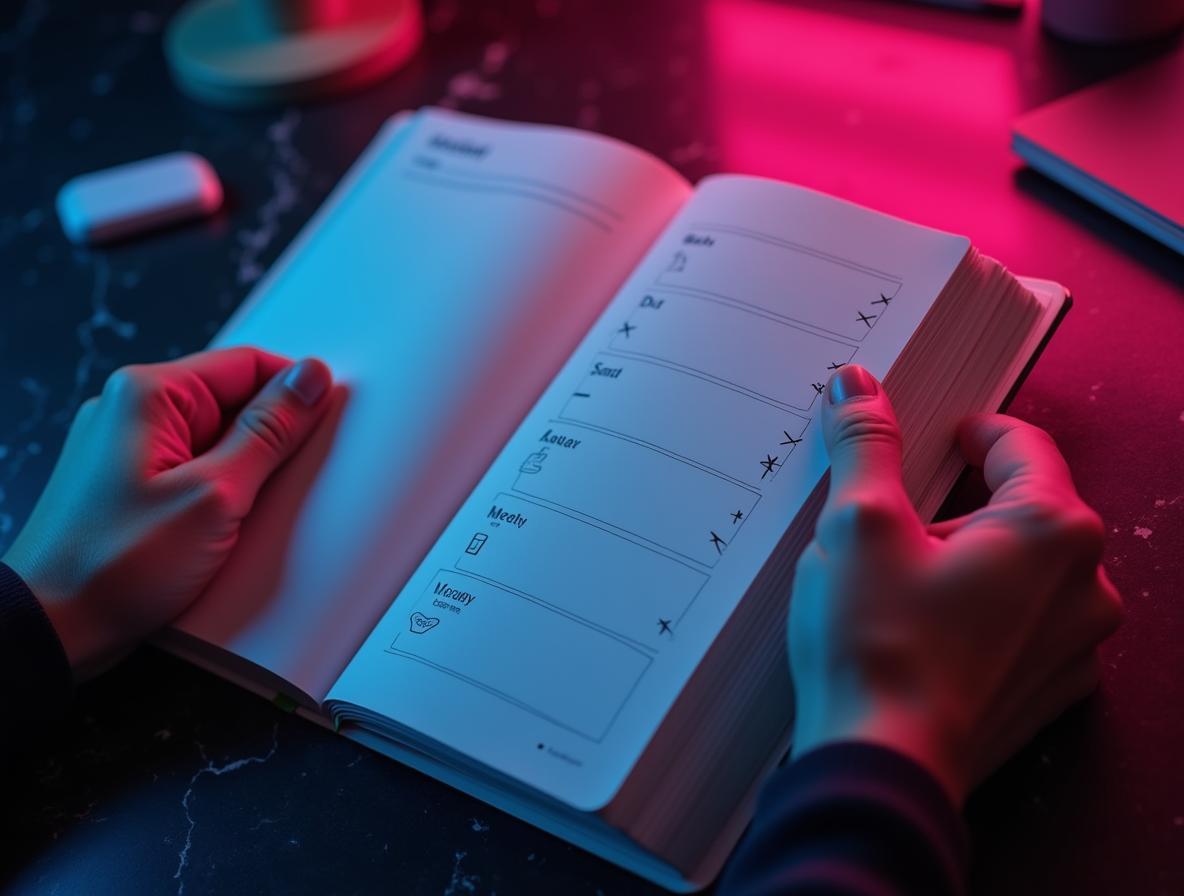
Whatever cycling strategy you choose, write it down. “I’ll use less” is a vague intention that evaporates under pressure. “I use kratom Tuesday, Thursday, and Saturday” is a protocol you can actually follow.
Reading Your Body’s Signals: When to Push Forward and When to Take a Week Off
Self-awareness separates sustainable users from people who end up in problematic patterns. Your body communicates clearly if you’re willing to listen. Here’s what to watch for:
Signs it’s time for a break:
- You’re reaching for kratom before consciously deciding to use it
- You need noticeably more to feel the same effects you felt a month ago
- Non-use days feel harder than they used to (irritability, low motivation, poor sleep)
- You’re thinking about your next serving before the current one has worn off
- Your reasons for use have shifted from “I want this experience” to “I don’t want to feel without it”
None of these are moral failures. They’re information. They’re your body telling you that your current pattern isn’t sustainable and adjustment is needed.
Signs your current approach is working:
- Each use feels intentional and purposeful
- Effects remain consistent without serving size increases
- Non-use days feel normal, maybe slightly less optimal but not uncomfortable
- You can skip a planned use day without significant mental resistance
- You’re using kratom to enhance already-good days rather than to make bad days tolerable
Be honest with yourself here. Really honest. The experienced users who maintain healthy, long-term relationships with kratom are the ones who take breaks before they absolutely need them, not after they’ve run tolerance into the ground.
If you’re noticing multiple warning signs, consider a full week off. Yes, a whole week. It’s not as hard as it sounds, and the reset is worth it. Check out our guide on rest days and strategic recovery for more detail on making breaks productive rather than just something to survive.
The Quality-Consistency Connection: Why What You’re Taking Matters More Over Time
Here’s something that becomes more apparent the longer you use kratom: product inconsistency creates tolerance confusion.
Let me explain. If you’re buying random products with wildly different alkaloid profiles, some heavy on 7-hydroxymitragynine, some not, some well-extracted, some basically dirt in a bottle, your body never establishes a stable baseline. You end up chasing consistency through increased frequency or larger servings when the real problem is that you’re essentially taking different products every time.
Product quality affects everything, but it matters more for long-term users than beginners. A new user might not notice the difference between a balanced extract and an artificially enhanced one. An experienced user absolutely will, especially when tolerance implications compound over months.
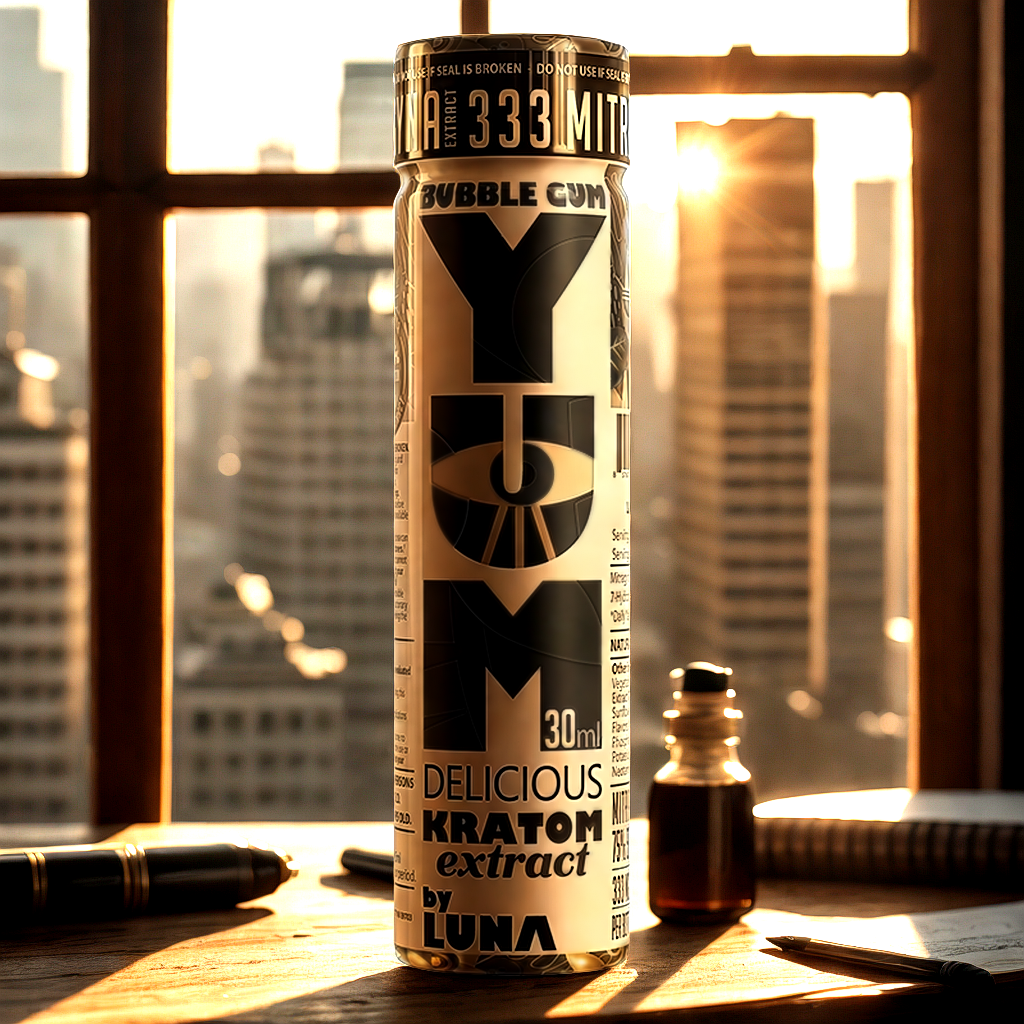
Products with artificially elevated 7-OH concentrations hit harder initially but create faster tolerance. They’re optimized for the wow factor, not for sustainable use. Balanced alkaloid profiles (like what YUM is designed around) deliver more moderate effects that remain consistent over time. Less dramatic, more sustainable.
This isn’t just marketing. The experienced user community consistently reports that switching to lab-tested, quality-verified products often feels like a tolerance reset, even without taking time off. When your body knows what it’s getting and can calibrate appropriately, consistency improves.
If you’ve been bouncing between products and noticing unpredictable effects, consider standardizing. Pick one quality product, stick with it for a month, and see whether your experience stabilizes. Most people are surprised by the difference.
Building a Sustainable Relationship: What Responsible Long-Term Use Actually Looks Like
What does healthy kratom use look like at year two? Year five?
The people who maintain positive, sustainable relationships with kratom over years share some common characteristics. They treat it as a tool with specific applications, not a daily baseline. They take breaks proactively. They remain honest with themselves about their patterns. And they maintain enough self-awareness to adjust or stop if the relationship stops serving them.
Here’s what sustainable long-term use typically looks like:
Frequency: Most sustainable long-term users settle around two to four times per week. Daily use is possible for some people, but it requires extra vigilance about tolerance and honest assessment of dependency signals. If you’re using daily and everything feels fine, that’s great. If you’re using daily and can’t imagine stopping, that’s worth examining.
Purpose: Each use has a clear reason. “I have a demanding workday and want clean focus.” “I’m going out tonight and want social energy without alcohol.” “I’m training hard this week and could use the support.” Not “It’s Tuesday.”
Flexibility: Skipping a planned use because circumstances changed doesn’t feel like a big deal. If missing one serving triggers significant anxiety or discomfort, that’s a signal your relationship with kratom needs recalibration.
Perspective: Kratom is one tool among many. It’s not your only source of energy, focus, or social ease. The people who do best long-term maintain baseline wellness through sleep, nutrition, exercise, and stress management, then use kratom as an enhancer rather than a foundation.
I want to be direct about something: some people reading this should probably reduce their use or take an extended break. Not because kratom is bad, but because their relationship with it has shifted from enhancement to dependence. If that’s you, it doesn’t make you weak. It makes you human. Bodies adapt, habits form, and sometimes recalibration requires stepping back.
Consulting with a healthcare provider is always wise for anyone using kratom regularly, especially if you have existing health conditions or take other substances. This isn’t fear-mongering. It’s basic adult responsibility. Here’s how to have that conversation if you haven’t already.
Frequently Asked Questions
How often can I use kratom without building tolerance?
There’s no universal number because individual biochemistry varies significantly. That said, most experienced users find that keeping use to three or four times weekly or fewer allows for consistent effects without noticeable tolerance buildup. Daily use almost always leads to some degree of tolerance, though how quickly and severely varies by person. If you’re noticing diminishing effects, that’s your answer: you’ve found your threshold, and it’s time to back off.
What are the signs I’m using kratom too frequently?
The clearest signs: needing larger servings for the same effect, feeling noticeably “off” on non-use days (irritability, fatigue, poor mood), reaching for kratom automatically rather than intentionally, and difficulty skipping a planned serving without discomfort. Any of these suggest your body has adapted to regular kratom presence and would benefit from reduced frequency or a break.
Will taking a break reset my tolerance completely?
Mostly, yes. A week off typically provides significant tolerance reduction for most users. Two weeks delivers more complete reset. After a break, effects generally return to near-original intensity, though some experienced users report that tolerance rebuilds faster after the first cycle than it did initially. This is another argument for maintaining lower frequency from the start rather than using heavily and relying on periodic resets.
Does product quality affect how fast tolerance builds?
Yes, meaningfully so. Products with artificially elevated 7-hydroxymitragynine levels tend to create faster tolerance because they hit harder and push your system to adapt more aggressively. Balanced, naturally-extracted products tend to allow more stable long-term use patterns. Consistency also matters: using the same quality product regularly lets your body calibrate, while switching between wildly different products creates unpredictable tolerance patterns.
Ready to experience what balanced, quality kratom extract actually feels like? YUM was designed for people who want consistent benefits without the diminishing returns. Try your first shot and taste the difference that proper alkaloid balance makes.