
Someone Just Offered You Kratom: The 5-Minute Guide to Understanding What's in Front of You Without Making It Weird
 Jess Morales
Someone Just Offered You Kratom: The 5-Minute Guide to Understanding What’s in Front of You Without Making It Weird
Your coworker just pulled out a small bottle from their gym bag. Your friend ordered something at the kava bar you’ve never heard of. Someone at the party handed you a shot and said “try this, it’s kratom.” And now you’re standing there with a polite smile, internally asking yourself: What am I actually looking at right now?
You don’t want to seem paranoid. You also don’t want to blindly consume something you know nothing about. And Googling “what is kratom” in the middle of a social situation feels awkward. So here you are.
This guide exists for exactly this moment. Not for the person doing a deep research dive at 2am. Not for the person who’s been using kratom for years. For you, right now, trying to figure out what you’re dealing with while the conversation keeps moving.
You’re Probably Feeling a Mix of Curiosity and “Wait, Is This Okay?”

Let’s acknowledge something first: encountering an unfamiliar substance through someone you trust creates a very specific kind of mental situation.
On one hand, the person offering it clearly seems fine. They’re not acting weird. They probably wouldn’t offer you something sketchy. On the other hand, you’ve maybe heard the word “kratom” in passing, possibly in a context that made it sound concerning. Or you’ve never heard of it at all, which is its own kind of uncertainty.
Both reactions are completely reasonable. Here’s what’s actually happening in your brain:
- Social trust signals are telling you this is probably fine (your friend uses it, they seem normal)
- Unfamiliarity signals are telling you to gather more information before committing
- Social pressure signals are making you not want to seem uptight or preachy
All of these can coexist. You don’t need to resolve them right now. You just need enough information to make whatever decision feels right to you in this moment, whether that’s “sure, I’ll try it,” “not tonight, but I’m curious,” or “not my thing.”
None of those answers are wrong. What matters is that you get to choose with actual information, not social pressure.
What Kratom Actually Is (The 60-Second Version)
Kratom is an herbal extract from Mitragyna speciosa, a tropical tree that grows in Southeast Asia (primarily Indonesia, Thailand, and Malaysia). People in those regions have used the leaves for centuries, traditionally chewing them or brewing them into tea.
The leaves contain compounds called alkaloids, with the primary one being mitragynine. These alkaloids interact with receptors in your brain, which is why kratom has noticeable effects rather than being like drinking chamomile tea.
In the US, you’ll encounter kratom in a few forms:
- Extract shots (small bottles, often what you’d see at a kava bar or what someone might have at a party)
- Capsules (concentrated powder in pill form)
- Loose powder (for people who mix their own)

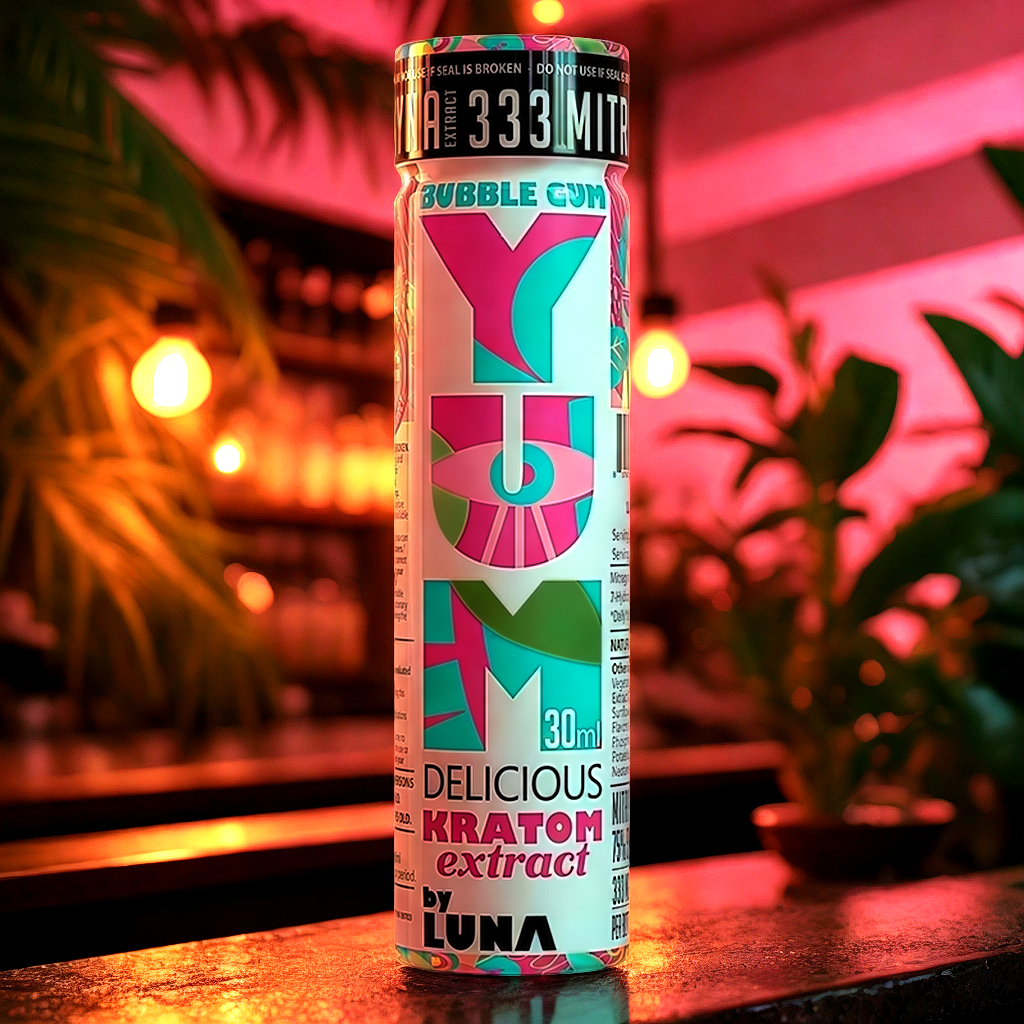
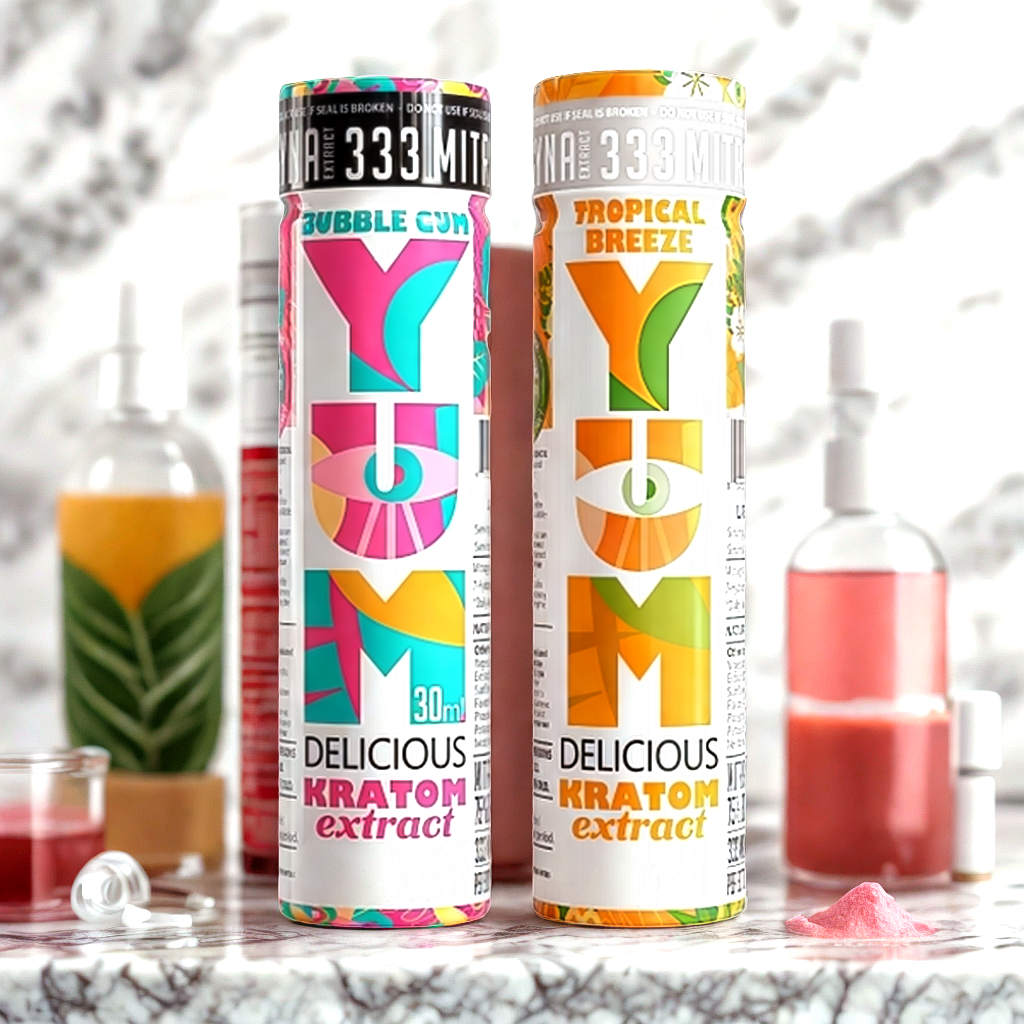
If someone handed you a small bottle that looks like an energy shot, you’re probably looking at a kratom extract. For a deeper breakdown of the science behind these products, you can check out what is kratom? the complete science behind the plant, the alkaloids, and how it actually works.
What kratom is NOT:
- It’s not FDA-approved for anything
- It’s not a prescription medication
- It’s not a “safe” alternative to anything (in the sense that nothing is universally “safe”)
- It’s not legal everywhere (more on that below)
It’s an herbal extract with real effects. That’s the honest framing.
Why Your Friend Probably Uses It (The Honest Context)
If someone you trust uses kratom, they probably fall into one of a few camps. Understanding their “why” might help you understand what you’re looking at:
The productivity crowd: Some people use kratom for focus and energy during work, similar to how others use coffee but looking for something with a different feel. These folks often describe it as clean focus without the jitters or crash that comes from their fourth espresso.
The social energy seekers: Others use it as an alternative to alcohol in social situations. They want to feel relaxed and present without getting drunk, dealing with hangovers, or consuming calories. If you encountered kratom at a kava bar, this is probably the context. Our guide on alcohol alternative drinks compared breaks down how different options actually feel.
The fitness crowd: Some gym-goers use it before workouts for energy and mood, or after for unwinding. If your gym buddy pulled one out, this is probably their angle.
The creative professionals: Writers, designers, musicians, and other creative types sometimes use it for sustained focus during long projects. The creative professional’s guide to kratom covers this in detail.
Here’s the thing: experiences vary. A lot. What works perfectly for your friend might feel completely different for you. Body chemistry, tolerance, the specific product, whether you’ve eaten, how hydrated you are, your general headspace—all of these affect the experience.
Your friend isn’t lying about how it makes them feel. But their experience is theirs, not a guarantee of yours.

The Stuff You Should Actually Know Before Saying Yes or No
Alright, here’s the information that actually matters for making a decision:
Legal Status Varies
Kratom is legal in most US states, but it’s banned in Alabama, Arkansas, Indiana, Rhode Island, Vermont, and Wisconsin. Some cities and counties have their own bans even in states where it’s otherwise legal. If you’re not sure about your location, that’s worth a quick check before consuming.
Quality Varies Wildly
This is a big one. The kratom market isn’t federally regulated, which means product quality ranges from excellent to genuinely concerning. Some products are third-party tested with verified alkaloid content. Others are basically mystery bottles.
If someone offers you kratom, asking “where did you get this?” or “is this from a reputable brand?” isn’t paranoid—it’s smart. Our lab-tested quality standards exist specifically because this is a real issue in the industry. You can also read more about finding quality kratom products for the full breakdown.
Effects Depend on the Product
Kratom extracts vary in their alkaloid balance. Some products feel more energizing. Others feel more relaxing. The specific formulation matters, and unfortunately, not all products clearly communicate what they contain.
Dependence Is Possible with Frequent Use
This is worth knowing upfront. Using kratom frequently (especially daily) can lead to physical dependence. This doesn’t mean trying it once creates a problem, but it’s information you should have. Occasional use carries less risk than daily use. Simple as that.
Starting Small Is Essential
If you’ve never tried kratom before and you decide to try some tonight, the smart move is starting with a small amount and seeing how you feel. A full extract shot on an empty stomach with zero tolerance is a recipe for not having a great time. Half a shot, with food in your stomach, is a much more reasonable starting point.
Don’t Drive
Kratom affects your brain chemistry. Even if you feel fine, your reaction times and judgment may be affected. If you’re going to try it for the first time, make sure you’re in a situation where you’re not behind the wheel afterward.
How to Handle This Conversation Without Being Weird
Social situations have their own gravity. Here’s how to handle the common scenarios:
If You Want to Politely Decline
“I’m good, thanks” works perfectly. You don’t owe anyone an explanation. If pushed:
- “Not my thing tonight, but appreciate the offer”
- “I haven’t tried it before and want to do some research first”
- “I’m sticking with [whatever you’re drinking] tonight”
Most people offering kratom aren’t trying to pressure anyone. They’re sharing something they like. A simple “no thanks” is usually the end of it.
If You’re Curious and Want to Ask Questions
Good questions that show genuine interest without being interrogative:
- “What does it feel like for you?”
- “What brand is this?”
- “How long does it usually last?”
- “Do you use it often or just occasionally?”
These are reasonable things to ask. Anyone worth your time will be happy to answer honestly.
If You Decide to Try It
Smart first-time approach:
- Start small. Half of whatever’s offered, not the full amount.
- Eat something first if you haven’t recently. Empty stomach plus kratom can be intense.
- Stay hydrated. Water is your friend.
- Wait before having more. Effects take 15-30 minutes to fully kick in. Don’t redose because you “don’t feel anything” after 10 minutes.
- Stay where you are. Don’t drive. Don’t make this the night you try it and then have to get home alone.
- Pay attention to how you feel and don’t push through if something feels off.
For a complete breakdown of what to expect timing-wise, this honest timeline of your first experience walks through exactly what happens from sip to several hours later.
What If You’re Still Not Sure?
Here’s the thing nobody tells you: you don’t have to decide anything right now.
“Let me think about it” is a complete sentence. “Maybe next time” is a complete sentence. The pressure to make an immediate decision is mostly in your head (and possibly a little in the social dynamic, but that’s manageable).
If you’re not sure, the right answer is probably “not tonight.” You can always try it later when you’ve had time to read up, ask questions, and make a more informed choice. Nothing is lost by waiting.
If you want to learn more before deciding anything:
- Check out our frequently asked questions for quick answers
- Read the no-BS guide for curious high performers for a comprehensive overview
- Browse through our blog for specific topics that match your questions
The information will still be here tomorrow. The opportunity to try kratom will come around again if you want it to. There’s no urgency except whatever urgency you’re putting on yourself.
Frequently Asked Questions
Is kratom legal where I am right now?
Kratom is legal in most US states. The exceptions are Alabama, Arkansas, Indiana, Rhode Island, Vermont, and Wisconsin, where it’s banned statewide. Some cities and counties have their own restrictions even in states where it’s otherwise legal (San Diego County in California, for example). If you’re unsure, a quick search for “kratom legal [your location]” will give you current information.
What does kratom actually feel like compared to alcohol or caffeine?
This varies based on the person and the product, but general comparisons: Kratom feels less mentally foggy than alcohol. You’re more present in conversation, more in control. Compared to caffeine, it tends to feel smoother, less jittery, with mood effects that coffee doesn’t provide. Some describe it as calm energy or alert relaxation. It’s not quite like either, which is why comparisons only get you so far. Our comparison guide on kratom vs coffee, adaptogens, and other alternatives goes deeper on this.
How do I know if this particular kratom product is high quality?
Look for: a recognizable brand name, third-party lab testing (often shown on the packaging or available online), clear labeling of alkaloid content, and professional packaging. Red flags: no brand name, unclear sourcing, suspiciously cheap price, sketchy gas station packaging. If someone hands you something that looks professional and they can tell you the brand, that’s a better sign than a mystery bottle.
What should I do if someone I’m with seems to be having a bad reaction?
Most negative kratom experiences involve nausea, dizziness, or feeling uncomfortably sedated. If someone seems to be having a rough time: get them water, get them to a comfortable seated or lying position, keep them talking, and make sure they’re breathing normally. If they become unresponsive, have difficulty breathing, or you’re genuinely concerned, call for medical help. It’s always better to be overcautious than to assume everything will be fine. Be honest with medical professionals about what was consumed.
The Bottom Line
You just got a crash course in kratom while probably still standing in whatever social situation prompted you to look this up. Here’s what it comes down to:
Kratom is a real botanical extract with real effects. Millions of people use it responsibly. Quality matters enormously. Starting small is smart. And you don’t owe anyone an immediate yes or no.
Whatever you decide tonight is fine. Whether that’s trying a small amount with the person you trust, politely declining and enjoying the rest of your evening, or filing this information away for a future time when you’ve had more time to think about it.
If you’re ready to try a kratom extract that actually tastes good and prioritizes balanced alkaloid profiles, check out YUM. If you’re not ready, that’s completely fine. Bookmark this page for later.
Your call. Your timing. No pressure.