
Someone Just Handed You Kratom: The Real-Time Field Guide for Your Next 20 Minutes
 Marcus Chen
Someone Just Handed You Kratom: The Real-Time Field Guide for Your Next 20 Minutes
You’re holding something you’ve never tried before. Maybe you’re at a kava bar and the bartender suggested it. Maybe your friend just pulled a small bottle out of their bag with a knowing smile. Maybe you’re at a party and someone passed you something called “kratom” and you stepped aside to Google it before putting anything in your body.
Smart move. Let’s get you the information you actually need right now.
This isn’t a comprehensive guide. This isn’t going to explain the history of Southeast Asian farming practices or dive deep into alkaloid chemistry. You can read the complete science behind kratom later if you want. Right now, you have maybe five minutes and a very specific question: should I try this thing, and if so, what do I need to know?
Let’s go.
So You’re Holding a Kratom Product Right Now
First, take a breath. You’re not in any danger just holding the bottle. Nobody’s pressuring you to chug it immediately. You’ve got time to make an informed decision, and that’s exactly what you’re doing by reading this.
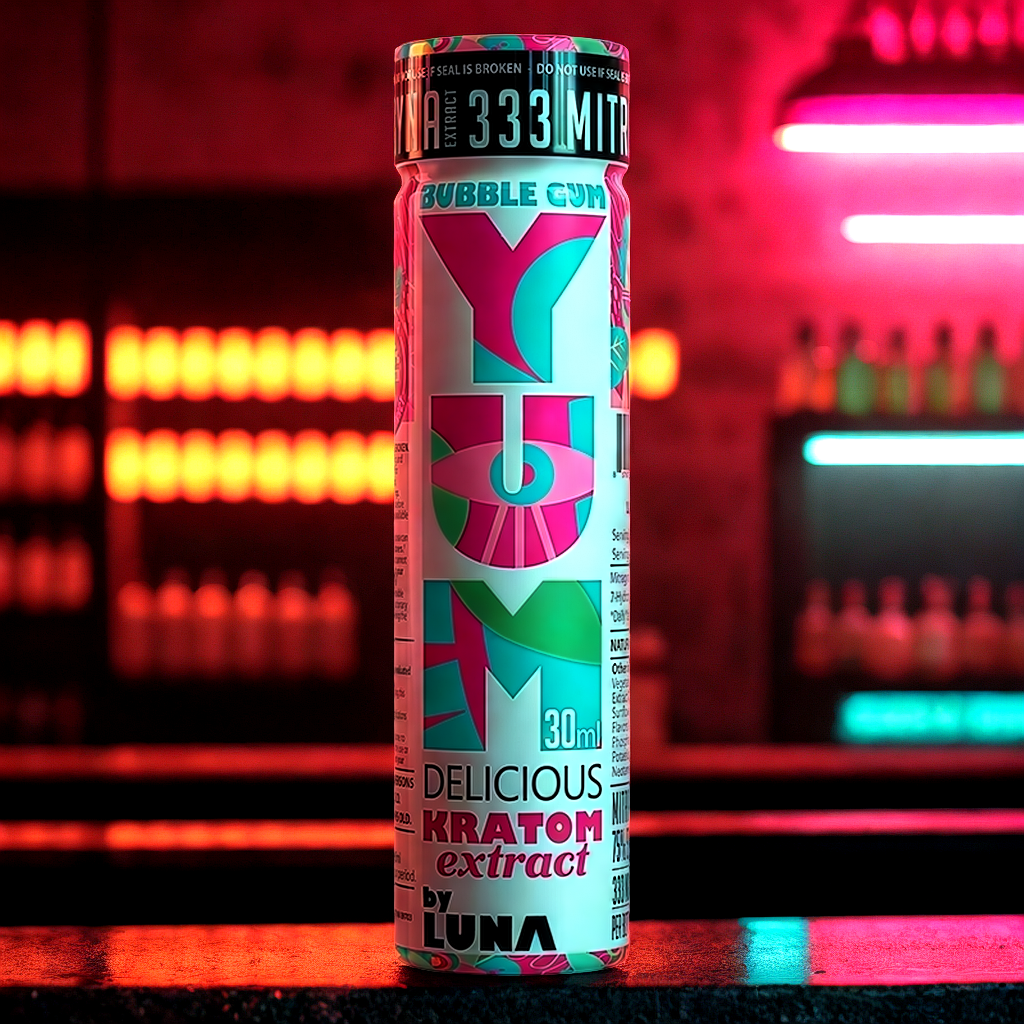
The person who handed it to you probably means well. Kratom has a devoted following of people who genuinely enjoy it and want to share that experience. But they might not be great at explaining what it actually is, especially on the spot. And you might be too polite to admit you have no idea what you’re about to consume.
Here’s the situation: you’re an adult (you need to be 21+ for this, full stop), you’re in a social setting, and you’re being offered something unfamiliar. That’s actually a pretty common scenario with craft cocktails, specialty teas, or new energy drinks. The difference is that kratom is less mainstream, so your mental model for it might be completely blank.
Let’s fill in that blank with what actually matters right now.
The 60-Second Basics (What You Actually Need to Know)
What kratom is: It’s a tropical tree leaf from Southeast Asia. The leaves contain naturally occurring alkaloids that interact with your body in ways that many people find pleasant. It’s not synthetic. It’s not a research chemical someone cooked up in a lab. People in Thailand, Indonesia, and Malaysia have been using kratom leaves for generations.
What it’s not: It’s not approved by the FDA for any specific purpose, so nobody should be telling you it treats or cures anything. It’s also not legal everywhere in the US (a handful of states have banned it), so if you’re unsure about your location, that’s worth a quick check.
Why people use it: The reasons vary. Some people describe it as providing a sense of calm focus. Others say it gives them a subtle energy boost without the jitters. In social settings, many people report feeling more talkative and at ease. It’s become popular at kava bars as an alternative to alcohol for folks who want to socialize without a hangover.
The one thing to remember: Less is more. Especially your first time. This isn’t the kind of thing where “more equals better.” In fact, the opposite is often true. If you’re going to try it, start small.
If you want more background later, there’s a solid no-BS guide for curious people that covers the basics without all the marketing fluff.

The Taste Reality Check
Let’s be honest about this part, because nobody wants to be surprised by putting something gross in their mouth.
Most kratom tastes rough. Traditional kratom powder has a bitter, earthy, almost-dirt-like quality that makes a lot of people grimace. If someone hands you loose powder or a basic tea, prepare yourself. It’s an acquired taste at best.
What you’re holding matters:

- Raw powder: The most intense taste experience. Bitter, vegetal, challenging. Some people mix it with orange juice or chocolate milk to mask it. If that’s what you’re looking at, ask your friend how they typically take it.
- Capsules: No taste, but slower onset since your body has to dissolve the capsule first. Less common in social settings because they’re not as shareable.
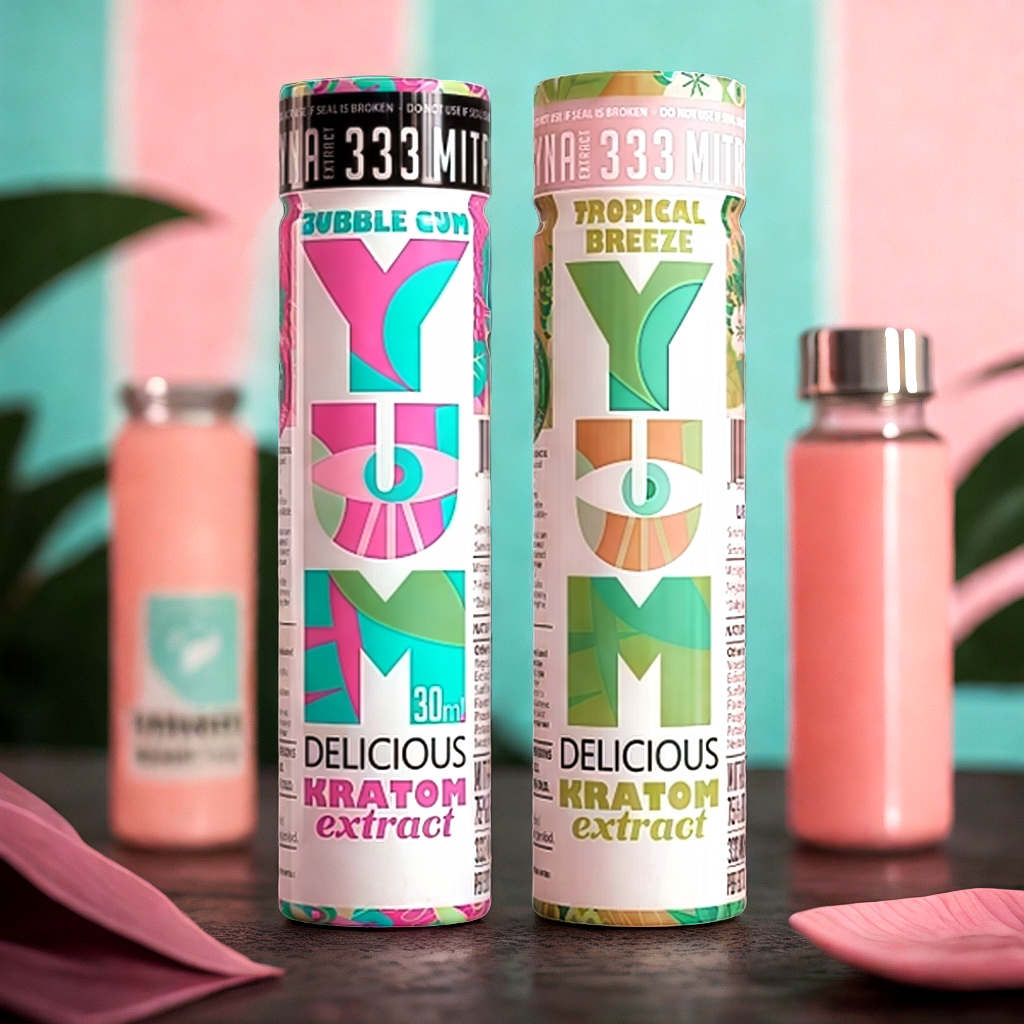
- Extract shots: These vary wildly. Some taste like concentrated bitterness. Others (like YUM) have been formulated specifically to not taste like dirt. If you’re holding a shot, check if it’s one of the ones designed to be palatable.
- Mixed drinks: Kava bars often mix kratom into smoothies, mocktails, or specialty drinks. These usually taste fine because the other ingredients mask the kratom.
Bottom line: don’t be surprised if your first sip makes you make a face. That’s normal. It doesn’t mean something’s wrong. Some products have solved the taste problem better than others, but kratom has a distinctive flavor that most people don’t love on first exposure.
If taste matters a lot to you, check out why most kratom extracts taste like dirt and what separates the drinkable ones from the rough ones.
Timing, Onset, and Duration: What Happens When
You took it. Now what? Here’s your timeline:
Empty stomach: Effects typically begin within 20-30 minutes. Some people notice subtle shifts within 15 minutes.
Full stomach: Could take 45 minutes to an hour. Food slows absorption. If you just ate a big meal, be patient.
Peak effects: Usually hit somewhere between 1-2 hours after consumption. This is when you’ll have the clearest sense of how kratom affects you personally.
Duration: Most people report effects lasting 3-4 hours total, with a gradual tapering. You won’t snap back to baseline suddenly. It fades.
Critical point: Do NOT take more if you don’t feel anything after 30 minutes. This is the most common beginner mistake. You think “this isn’t working,” take more, and then everything hits at once. Give it at least an hour before you decide it’s not doing anything. If after 90 minutes you feel nothing, your body might just process it slowly, or that particular product might not be for you.
For a detailed walkthrough of what to expect from start to finish, this honest timeline of your first experience covers everything.
The Practical Questions You’re Too Embarrassed to Ask
Let’s rapid-fire through the stuff you actually want to know but might feel weird asking out loud:
Can I drive after?
Not if this is your first time. You have no idea how you’ll respond. Even if you feel completely fine, you need at least one experience under your belt before you can gauge whether kratom affects your reaction time or attention. Plan on staying where you are or getting a ride.
Can I mix kratom with alcohol?
This is a bad idea, especially your first time. The combination can be unpredictable and often makes people feel worse, not better. If you’ve already had a drink tonight, skip the kratom. If you want kratom, skip the alcohol. Pick one.
What if I took too much?
With a single reasonable serving, this is unlikely. But if you do feel uncomfortable (queasy, dizzy, overly sedated), here’s the protocol: sit down somewhere comfortable, drink water, eat something if you can, and wait it out. The effects will pass. You’re not in danger from one normal dose, but your body might be telling you that was more than it wanted. Listen to it.
Can I take half?
Yes. And honestly, you should. If someone hands you a full shot, ask if you can split it. If it’s powder, use less than they suggest. “Less is more” isn’t a marketing slogan with kratom. It’s genuinely good advice, especially for beginners.
Will I get high?
That depends on your definition. Most people don’t describe the kratom experience as “getting high” in the way you might think of alcohol or cannabis. It’s typically more subtle: a mood shift, a sense of ease, improved focus. If you’re expecting something intense, you’ll probably be underwhelmed. And that’s okay.
Is this going to show up on a drug test?
Standard workplace drug panels don’t test for kratom. However, specialized tests can detect it if someone’s specifically looking for it. If you have a job that does extensive testing or you’re in a situation where this matters, know your specific circumstances before deciding.
Is kratom addictive?
Kratom can cause dependence with regular use. That’s not the same as trying it once at a party, but it’s something to be aware of if you’re considering making it a regular thing. Occasional use is different from daily use. Keep that distinction in mind.
The “Should I Actually Do This?” Checklist
Before you take the sip, run through this quick mental checklist:
✓ Are you 21 or older?
If not, hard stop. This isn’t for you yet.
✓ Are you in a state where kratom is legal?
It’s banned in Alabama, Arkansas, Indiana, Rhode Island, Vermont, and Wisconsin. Some cities and counties have local bans too. If you’re not sure, a quick search for “kratom legal [your state]” will clarify.
✓ Are you on any medications?
Kratom can interact with certain medications, particularly those processed by the liver. If you take prescription meds, especially for mood or heart conditions, this probably isn’t the night to experiment. Talk to your doctor first.
✓ Do you need to drive anytime soon?
If you’re the designated driver or have somewhere to be in the next 4-5 hours, skip it. Find out how you respond another time when your schedule is clear.
✓ Do you have responsibilities tonight?
Job interview in two hours? Important call? Need to take care of someone? Maybe not the time. Kratom deserves your attention so you can observe how it affects you.
✓ Are you with people you trust?
Trying something new in a comfortable setting with people who have your back is smart. Trying something new alone or with strangers is less smart. Environment matters.
✓ Are you in a good headspace?
If you’re already anxious, upset, or not feeling well, adding a new variable isn’t the best call. Try it when you’re starting from a baseline of “basically fine.”
If any of these gave you pause, kratom will still exist tomorrow. There’s no urgency here. Come back to it when the circumstances are right.
If You Decide to Try It: Your First 20 Minutes
Okay, you’ve done the checklist. You’re good to go. Here’s what to actually expect:
Minute 0: You take the kratom. If it’s a shot, drink it in one or two swallows. If it’s powder or a mixed drink, pace yourself however feels natural. Notice the taste. Make a mental note.
Minutes 1-15: Nothing yet. This is normal. Don’t sit there waiting and analyzing every tiny sensation. Go back to your conversation. Finish your drink. Put your phone away.
Minutes 15-30: Some people start to notice the first subtle signs around this window. A slight shift in mood. Maybe a bit more talkative. A sense that things feel “easier.” Don’t force it. If you don’t notice anything, that’s also fine.
Minutes 30-60: If it’s going to work for you tonight, you’ll know by now. The effects become more distinct. Many people describe feeling present, focused, and socially comfortable. Conversations flow. You’re engaged but not wired.
What “it’s working” actually feels like:
- A sense of calm alertness
- Easier small talk
- Gentle energy without restlessness
- Feeling like you’re “in the zone” socially
- Subtle mood improvement
What it doesn’t feel like (if you dosed correctly):
- Drunk
- High in the “can’t function” sense
- Sedated or sleepy
- Disconnected from your surroundings
- Unable to have normal conversations
The experience should be subtle enough that you could have a normal interaction with anyone and they wouldn’t necessarily know you took anything. If you feel dramatically altered, you probably took too much, or that particular product is stronger than expected.
What to Do If You’re Not Feeling It (Or Feeling It Too Much)
If you feel nothing after 60-90 minutes:
Sometimes first experiences are underwhelming. A few possible reasons:
- You ate a big meal beforehand
- Your metabolism is slow
- That particular product wasn’t very potent
- You’re one of those people who needs a couple experiences before they notice anything
Don’t chase it by taking more tonight. Just file away the experience and try again another time with different conditions. Maybe on an emptier stomach. Maybe a different product. Maybe slightly more (but not dramatically more).
If you feel great:
Enjoy it. Stay hydrated. Engage with the people around you. This is what the experience is supposed to be like.
If you feel off:
First, don’t panic. Everything you’re feeling will pass within a few hours. Here’s what to do:
- Sit down. Find somewhere comfortable.
- Drink water. Stay hydrated.
- Eat something. A snack can help your body process things.
- Get fresh air. Step outside if you can.
- Tell someone. Let a friend know you’re not feeling great so they can keep an eye on you.
- Wait. This is the main one. Time will resolve this.
Common uncomfortable sensations that aren’t dangerous but aren’t fun: mild nausea, dizziness, feeling too warm, slight headache. These typically mean you took more than your body wanted. Lesson learned for next time.
If you’re curious about what happens when kratom doesn’t land right and how to troubleshoot, there’s a troubleshooting guide for underwhelming experiences worth reading later.
Frequently Asked Questions
How much kratom should I take my first time?
Start with half a serving or one capful if it’s an extract. With powder, that might be 1-2 grams. The goal isn’t to maximize the experience your first time. The goal is to see how your body responds with minimal variables. You can always try more another day. You can’t un-take what you’ve already consumed.
Will kratom show up on a drug test?
Standard drug panels (the ones most employers use) don’t include kratom. However, specialized kratom-specific tests do exist and can detect it. If you’re in a situation where drug testing is a regular part of your life, research your specific circumstances before trying kratom.
Can I drink alcohol and take kratom at the same time?
Not recommended, especially your first time. The combination tends to make people feel worse, not better. Some people report increased nausea or a heavy, unpleasant sensation. If you’re going to explore kratom, do it without alcohol in the mix. There’s more detail on the alcohol question in the sober curious person’s guide.
What if I don’t like how kratom makes me feel?
It wears off in 3-4 hours. Hydrate, eat something, find a comfortable spot, and wait. You’ll be fine. The effects are temporary. If you really hate it, you never have to try it again. But give it the full duration before making a final judgment. Some people find the early stage uncomfortable but the later stage pleasant, or vice versa.
The Bottom Line
Kratom is a botanical that a lot of people enjoy, particularly in social settings where they want an alternative to alcohol. It’s not magic, it’s not medicine, and it’s not something to approach carelessly. But with reasonable expectations and a conservative first dose, it’s also not something most adults need to fear.
You’re holding something. You can try it, or you can pass. Either choice is fine. If you do try it, start small, pay attention to how you feel, don’t mix it with alcohol, and don’t plan on driving. If you don’t try it, nobody’s judging. Kratom will still be there whenever you’re ready.
The fact that you stopped to read this before putting something unfamiliar in your body says good things about your decision-making process. Trust that instinct.
For more answers to questions you might think of later, check out our frequently asked questions page or browse our blog for deeper dives on any of the topics touched on here.
Ready to try a kratom extract that actually tastes good and won’t leave you feeling off tomorrow? YUM delivers clean, focused energy with a balanced alkaloid profile. No dirt taste, no regrets. Find YUM near you or order direct.