
Sensory-Sensitive? ADHD Brain? An Honest Look at Kratom for People Whose Nervous Systems Don't Follow the Standard Script
 Ryan Okafor
Sensory-Sensitive? ADHD Brain? An Honest Look at Kratom for People Whose Nervous Systems Don’t Follow the Standard Script
You’ve read seventeen articles about kratom already. You’ve got three browser tabs open comparing alkaloid profiles. You’re here because the standard “what is kratom” guides don’t answer your actual questions, which are things like: Will this make my brain feel like it’s vibrating? Is the taste going to be so bad I gag? How predictable is this thing, really?
If caffeine makes you anxious instead of alert, if you notice textures and tastes that other people don’t even register, if you need to know exactly what’s going to happen before you try something new, this guide is specifically for you. This is for adults 21 and older whose nervous systems have always operated on their own terms.
Let’s be clear upfront: this isn’t medical advice, and kratom isn’t a treatment for ADHD, autism, sensory processing differences, or any other condition. What this is happens to be honest, experience-based information for people who process substances differently and need more detail than “it gives you energy.”
Why “What Is Kratom” Hits Different When Your Brain Already Processes Everything Differently
Most kratom guides assume a baseline nervous system response. They say things like “similar to coffee but smoother” and call it a day. That’s useless information when coffee makes you feel like your heart is trying to escape your chest.
Here’s what sensory-sensitive people and those with neurodivergent experiences actually want to know:
- Predictability: How consistent is this? Will it feel the same each time, or is it going to be a gamble?
- Overstimulation risk: Is this going to feel “clean” or “dirty”? Will my skin crawl?
- Sensory load: What does it taste like, really? What’s the texture? What’s the physical experience of consuming it?
- Timeline clarity: Exactly when will I feel it, how long will it last, and what does the comedown look like?
- Controllability: Can I dial in my experience, or is this an all-or-nothing thing?
If you’ve found that your relationship with caffeine is complicated (maybe it worked for years then stopped, maybe it triggers anxiety, maybe you need way more or way less than other people), you’re already familiar with how differently your nervous system responds to substances. That context matters here.
For a broader understanding of what kratom actually is at the botanical level, this no-BS guide covers the basics without the fluff.
The Sensory Reality: Taste, Texture, and What Taking Kratom Actually Involves
Let’s address the elephant in the room: traditional kratom powder tastes genuinely terrible. We’re talking bitter, earthy, and lingering. For people with heightened taste sensitivity, this isn’t just unpleasant. It can be a complete dealbreaker.
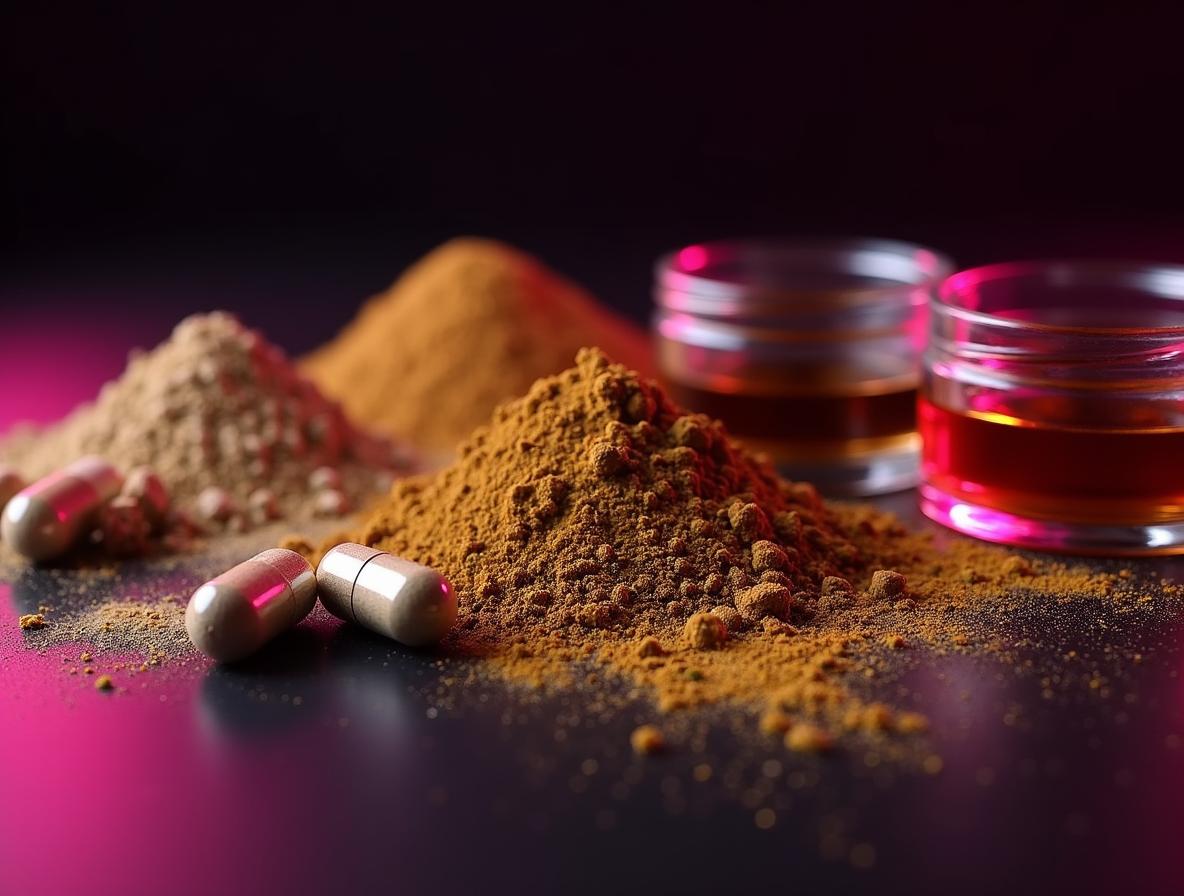
Here’s what different formats actually involve sensory-wise:
Raw Powder (The Original Form)
You’re looking at a green powder that tastes like you licked a forest floor. Most people mix it with orange juice to mask the flavor, but if you have texture sensitivity, the gritty, sludgy consistency is its own problem. The taste lingers. Many sensory-sensitive people try this once and never again.
Capsules (The Avoidance Strategy)
Capsules sidestep the taste issue entirely. The downside: you might need to swallow several at once, and absorption takes longer because the capsules have to dissolve first. For people who track their experiences carefully, the less precise onset timing can be frustrating.
Extract Shots (The Modern Solution)

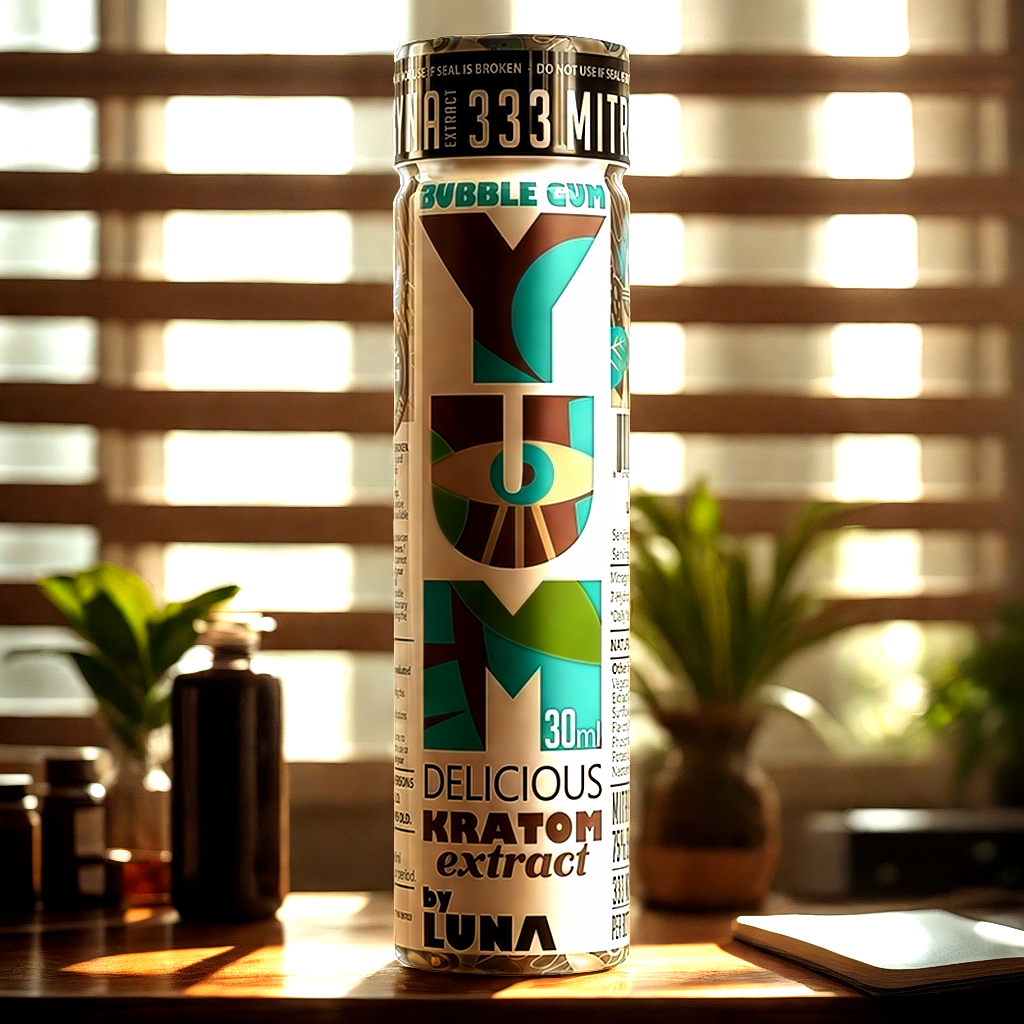
This is where things get interesting for the sensory-sensitive crowd. Quality extract shots concentrate the active alkaloids into a small liquid volume, which means less to consume overall. The better ones are formulated to actually taste decent. YUM specifically focused on palatability because “healthy but disgusting” isn’t a sustainable relationship with anything.
The physical experience of taking a shot: it’s about an ounce of liquid. Done in seconds. No gritty texture, no lingering aftertaste if the formula is good. For a deeper dive into why most kratom products taste terrible and what makes certain ones different, this breakdown covers the formulation science.
Predictability and Consistency: What Sensory-Sensitive People Need to Know About Kratom’s Effects
This is probably your biggest concern. You’ve been burned before by substances that felt different every single time, making them impossible to incorporate reliably.
Here’s the honest timeline breakdown:
- Onset: Typically 20-30 minutes on an empty stomach, potentially 45-60 minutes with food
- Peak effects: Usually around the 1-2 hour mark
- Duration: Generally 3-4 hours of noticeable effects
- Comedown: Gradual, not abrupt. Most people describe it as “fading out” rather than crashing
What “clean energy” actually means experientially:

When people say kratom provides “clean” energy versus “dirty” energy, they’re describing a qualitative difference. Clean feels like focused alertness. Dirty feels like your nervous system is being poked with a stick.
The jitters you might get from too much caffeine? The racing heart? The inability to sit still combined with the inability to focus? That’s dirty energy. What kratom users commonly report is alertness without those physical agitation symptoms. No jitters, no crash, just clear focus that eventually fades.
The consistency factor:
Here’s where product quality becomes critical. Kratom is a natural botanical, which means alkaloid content varies between batches of raw material. Cheap products with no standardization will give you wildly different experiences each time. Quality extract shots with balanced alkaloid profiles and proper testing give you the predictability you need.
This is why third-party lab testing matters so much. You want to know that what you’re getting is consistent batch to batch. For analytical types who want to understand the science behind alkaloid balance, this breakdown of kratom energy and alkaloid balance goes deep.
The Overstimulation Question
This is the thing sensory-sensitive people worry about most. Will kratom make me feel overstimulated?
The answer depends heavily on amount. Kratom has an interesting dose-response relationship: smaller amounts tend to produce more energizing effects, while larger amounts tend to produce more calming effects. This is why the “less is more” approach matters so much.
Start with one capful. That’s it. You can always take more next time if you want more effect. You can’t undo taking too much. For nervous systems that are already sensitive, erring on the side of less is almost always the right call.
The Caffeine Comparison: Why Coffee Might Wreck You While Kratom Works Differently
If you’re reading this, there’s a good chance you have a complicated relationship with caffeine. Maybe it used to work and doesn’t anymore. Maybe it makes you anxious. Maybe you metabolize it weirdly and one cup keeps you up for 16 hours. Maybe it gives you a burst of energy followed by a crash so bad you need another cup just to feel normal.
Here’s what users commonly report about the experiential difference between coffee and kratom:
Coffee’s pattern for sensitive nervous systems often looks like:
- Quick onset (15-20 minutes)
- Spike of energy that feels physically agitating
- Anxiety or racing thoughts
- Sharp crash 2-3 hours later
- Need for another cup to get back to baseline
- Sleep disruption even from morning consumption
What kratom users commonly report:
- Slightly slower onset (20-30 minutes)
- Gradual increase in alertness without physical jitteriness
- Mental clarity without racing thoughts
- Effects that fade gradually rather than crash
- No mid-afternoon crater requiring another dose
This isn’t about brain chemistry claims. I’m not going to tell you kratom affects different receptors than caffeine (even though it does). What matters for your decision is what people actually experience. And across the community, the pattern is consistent: smooth energy, no jitters, no crash.
For a detailed comparison between kratom and other energy alternatives including coffee, this honest breakdown covers the spectrum.
The Research Protocol: How to Approach Trying Kratom When You Need to Know Everything First
You’ve done the research. You’re still reading. You’re probably ready to try it but want a protocol. Here’s the systematic approach for analytical, cautious experimenters.
Before You Try Anything
Check legality: Kratom is legal in most states but not all. Verify your specific state’s status before purchasing. The 2025 state-by-state guide has current information.
Consult your healthcare provider: Especially if you’re taking any medications. Bring this up proactively. Here’s a guide on having that conversation without it being awkward.
Choose a controlled setting: Your first time shouldn’t be at a social event or before an important meeting. Pick a day when you have no obligations, you’re at home, and you can pay attention to how you feel without external pressure.
The First Experience Protocol
- Start minimal: One capful or less. Seriously. You’re not trying to maximize the experience, you’re trying to understand how your body responds.
- Empty stomach or light food: Empty stomach means faster onset and clearer signal. Light food (like toast) means potentially slower but smoother absorption. Your choice.
- Set a timer: Note the time you take it. This lets you track onset accurately.
- Stay off screens for the first hour if possible: You want to notice the effects without distraction.
- Have water available: Some people report dry mouth. Stay hydrated.
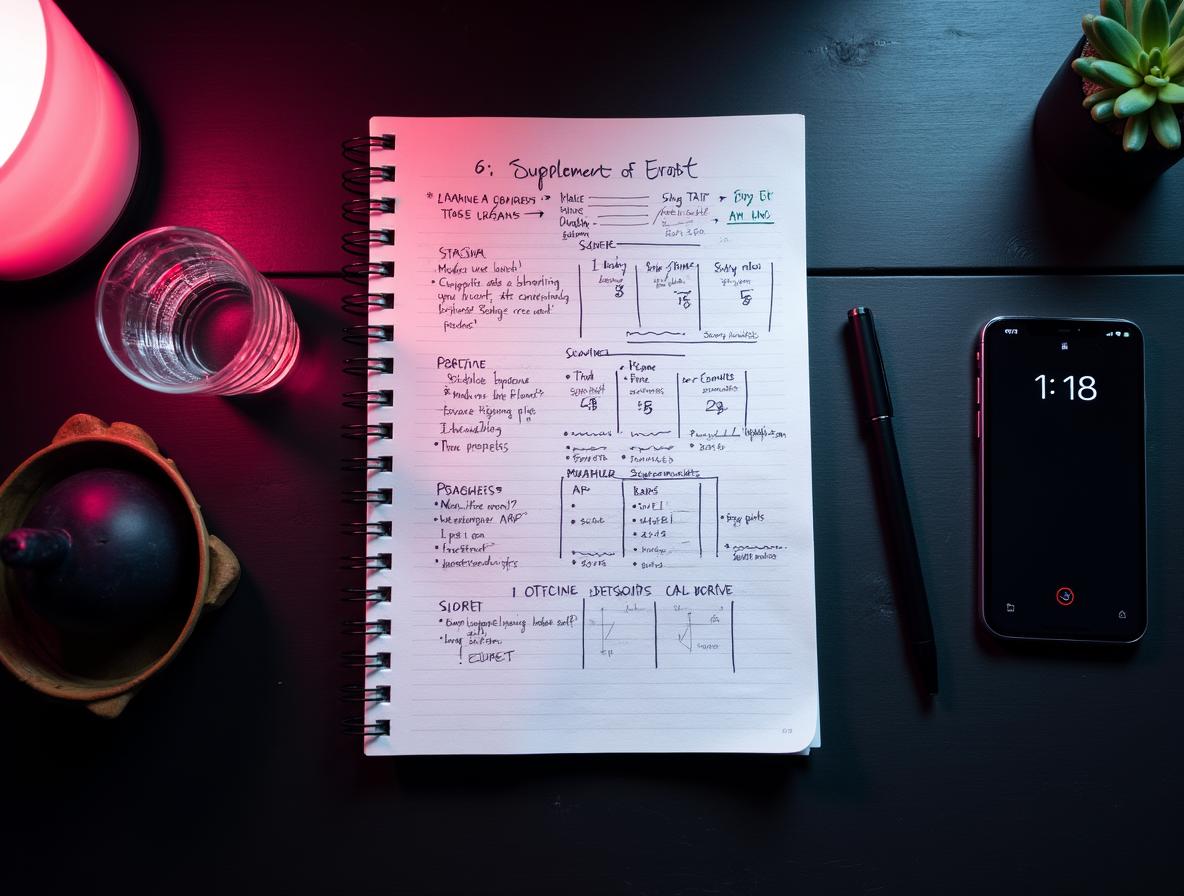
What to Track (For the Data People)
If you’re the type who journals supplements (and if you’re reading this, you probably are), here’s what’s worth noting:
- Time of consumption
- Whether you ate beforehand and what
- Time you first noticed effects
- Quality of effects (energy? focus? calm? physical sensations?)
- Duration until effects faded
- How you felt afterward (any crash? lingering anything?)
- Sleep quality that night
- How you felt the next morning
This data becomes incredibly valuable if you decide kratom is for you. You’ll be able to dial in your ideal timing, amount, and use context.
Signs It’s Working For You
- Increased focus without feeling wired
- Calm alertness (sounds contradictory, makes sense when you feel it)
- Ability to engage in tasks without the usual mental resistance
- No physical agitation or jitteriness
- Gradual return to baseline without crashing
Signs It’s Not Your Thing
- Nausea (this often means too much, but some people just don’t tolerate it)
- Headache
- Feeling “off” or uncomfortable in a way that’s hard to describe
- Overstimulation despite small amounts
- Effects that feel unpredictable even with consistent products
Not everything works for everyone. That’s not failure, that’s information.
Honest Limitations: When Kratom Might Not Be Right for You
This section is mandatory reading. Kratom isn’t for everyone, and responsible messaging matters more than sales.
Do not use kratom if:
- You’re under 21
- You’re pregnant or nursing
- You have liver or kidney concerns (talk to your doctor first, at minimum)
- You’re taking medications without first consulting your healthcare provider about potential interactions
- You have a history of substance dependence (kratom can form habits with frequent use)
Use with serious caution and medical consultation if:
- You’re on any prescription medications, especially those affecting mood, energy, or neurological function
- You have any diagnosed mental health conditions
- You have heart conditions or blood pressure issues
Important realistic expectations:
Kratom is not a replacement for medical care. It’s not a treatment for ADHD. It won’t fix executive dysfunction. It won’t cure sensory processing differences. What it might do is provide a different energy experience than caffeine for some people. That’s it. That’s the realistic claim.
Results vary significantly between individuals. Your experience might be different from what’s described here. Some people love kratom. Some people feel nothing. Some people feel terrible. You won’t know which category you’re in until you try it carefully and pay attention.
Frequency matters too. This isn’t something to use daily. Building a habit with any substance that affects how you feel is worth avoiding. Occasional, intentional use for specific situations is the sustainable approach.
Frequently Asked Questions
Does kratom cause overstimulation like caffeine does for some people?
Most users report the opposite, describing kratom’s energy as “cleaner” and less physically agitating than caffeine. However, taking too much can cause discomfort, which is why starting with one capful (or less) matters so much. Sensitive nervous systems should err on the side of less. You can always increase next time if you want more effect.
How predictable are kratom extract effects compared to powder or capsules?
Quality extract shots with standardized production and third-party testing offer the most consistent experience. Raw powder varies significantly batch to batch. Capsules are more consistent than powder but less precise in timing than liquid extracts. For people who need predictability, tested extract shots are typically the best format choice.
What should I tell my doctor if I want to try kratom while taking other medications?
Be direct: “I’m considering trying kratom for occasional energy and focus. Can you tell me if there are any concerns given my current medications?” Bring information about what kratom is (a botanical containing alkaloids) and be honest about your interest. Many doctors aren’t familiar with kratom, so being informative rather than defensive helps. If your doctor dismisses it without engagement, that’s information about the conversation, not necessarily about kratom.
Is kratom extract safe to try if I’m sensitive to most stimulants?
“Safe” is a medical determination only your healthcare provider can make for your specific situation. What I can tell you is that many people who report sensitivity to caffeine and other stimulants describe kratom as a different, less agitating experience. Start with the minimum amount, in a controlled setting, with no obligations afterward. Pay attention to how your body responds. If anything feels wrong, stop. Your nervous system’s feedback is data.
The Bottom Line for Sensory-Sensitive Adults
You’ve done more research than most people do before buying a car. That’s not a bug, that’s how your brain works. You need information before you commit to trying something new, especially something that affects how you feel.
Here’s what you now know:
- Kratom is a botanical that provides energy and focus without the jittery crash pattern many experience with caffeine
- Extract shots solve the terrible taste problem that makes traditional kratom powder a non-starter for sensory-sensitive people
- Effects are predictable (20-30 minute onset, 3-4 hour duration, gradual fadeout) when you use quality, tested products
- Less is more, especially for sensitive nervous systems
- This isn’t a treatment for anything. It’s an experience some people find preferable to coffee or energy drinks
For sensory-sensitive adults ready to try a kratom extract that actually tastes good and prioritizes balanced, predictable effects, YUM was formulated with exactly these concerns in mind. Check out our FAQ for additional questions, and start with one capful to see how your system responds.
Your nervous system doesn’t follow the standard script. That doesn’t mean you can’t find things that work for you. It just means you need better information to make the call. Now you have it.