
Replacing Your Daily Rituals: The Practical Blueprint for Swapping Coffee, Alcohol, or Energy Drinks for Kratom Extract
 Jess Morales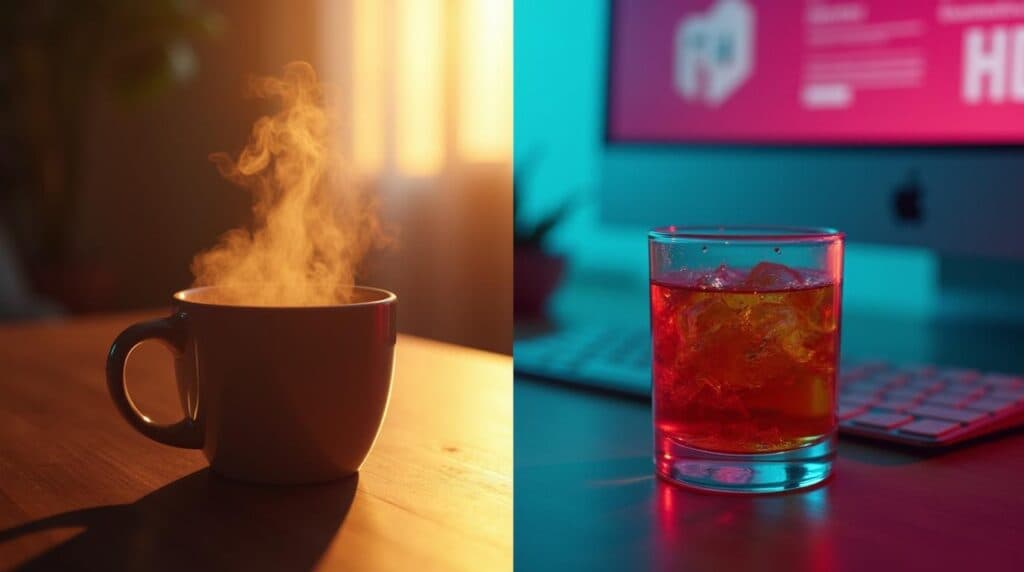
Replacing Your Daily Rituals: The Practical Blueprint for Swapping Coffee, Alcohol, or Energy Drinks for Kratom Extract
You’ve already decided. You’re done with the 3pm coffee crash, the post-work wine that turns into three glasses, or the pre-workout that makes your heart feel like it’s trying to escape your chest. You’ve read about kratom. Maybe you’ve even bought some. But here’s where most people get stuck: knowing what to swap isn’t the same as knowing how to swap it.
This isn’t another explainer about what kratom is. You can find that elsewhere. This is the practical playbook for people who’ve made the decision but keep defaulting to old habits because they haven’t built new ones. We’re talking about the actual mechanics of ritual replacement: what your mornings look like now, what your evenings feel like, and how to get through the awkward first two weeks without giving up.
Why Ritual Replacement Fails (And How to Actually Make It Stick)
Here’s what nobody tells you about quitting coffee, cutting back on alcohol, or ditching energy drinks: the substance is maybe 30% of the habit. The other 70%? That’s ritual, context, and emotional association.
Your morning coffee isn’t just caffeine delivery. It’s the warm mug in your hands while you check email. It’s the walk to the coffee shop where you see the same barista. It’s the smell that signals “okay, now we’re starting the day.” When people try to swap substances without replacing these elements, they fail. Not because kratom doesn’t work, but because they’ve created a behavioral vacuum that pulls them right back to the old pattern.
Ritual anchoring is the fix. Instead of trying to delete your existing habit architecture and build something new from scratch, you slot kratom into the framework you’ve already established. Same time, same trigger, same location if possible. Different substance, different outcome.
The people who make this transition successfully understand something important: you’re not fighting willpower battles every morning. You’re installing a new default. That requires strategic replacement, not white-knuckle resistance.
The Morning Coffee Swap: What Actually Changes From Day 1 to Day 30
Let’s get specific about what happens when you replace your morning coffee ritual with kratom extract.
Day 1-3: The Sensory Adjustment

The first thing you’ll notice: kratom doesn’t smell like coffee. Obvious, but the absence of that familiar aroma feels weird. Your brain has associated that smell with “morning is starting” for years, possibly decades. Without it, your morning feels slightly off, like watching a movie with the soundtrack removed.
What to do: Don’t fight this. Add a sensory anchor. Some people still brew coffee for the smell but don’t drink it (wasteful, but effective for the transition). Others light a candle, play specific music, or create a new morning signal. The point is giving your brain something to latch onto.
The energy curve feels different too. Coffee hits fast with that familiar spike, then the crash. Kratom’s energy profile is more gradual. You might not feel “ON” in that jittery coffee way, and that can initially feel like it’s not working. Give it 45 minutes before judging. The onset is smoother, which is the whole point.
Day 4-10: The Social Navigation
“Want to grab coffee?” is going to come up. This is where most people cave. Not because they miss coffee specifically, but because saying no feels socially awkward.
Options that work:
- Go anyway. Order tea, decaf, or nothing. The social ritual is about connection, not caffeine.
- Take your kratom before you go. The timing works out since you’ll be alert and present for the conversation.
- Be honest: “I’m trying something new for energy. Still figuring it out.” Most people are curious, not judgmental.
Day 11-20: The New Normal Takes Shape
Around the two-week mark, something shifts. You stop actively missing coffee and start noticing what’s different. Many people report that the lack of afternoon crash changes their entire workday structure. That 2pm slump where you’d normally reach for another cup? It often just… doesn’t happen in the same way.
You might also notice you’re sleeping better. Coffee’s half-life means that afternoon cup was still affecting your sleep quality even if you didn’t realize it. Kratom, taken in the morning, clears your system on a different timeline.
Day 21-30: The Comparison Stops
By the end of the first month, you’re no longer comparing kratom to coffee. They’re just different tools. Some people find they occasionally have coffee again (at brunch, on vacation, in social situations) without it derailing their new pattern. Others find they’ve completely lost interest. Both outcomes are fine.

The key insight: you’re not giving something up. You’re trading one energy pattern for another. When you frame it as deprivation, you’ll eventually cave. When you frame it as a strategic upgrade, the transition has staying power.
The Post-Work Drink Swap: Unwinding Without the Hangover
The post-work drink serves a specific psychological function: it marks the transition between work-self and home-self. You walk in the door, pour something, and that action tells your nervous system “okay, we’re done for the day.” The problem isn’t wanting to unwind. The problem is that alcohol’s version of unwinding comes with diminishing returns, disrupted sleep, and next-morning fog.
Understanding What You’re Actually After
Before we talk about the swap, be honest about what you’re seeking. If you’re looking for:
- Edge-dulling relaxation: Kratom can provide a sense of ease, but it won’t make you feel sedated or “checked out” the way alcohol does. If numbing is the goal, you’ll likely be disappointed.
- Social lubrication: Kratom can actually enhance social energy and reduce self-consciousness for many people. This is where the swap works particularly well.
- Ritual satisfaction: The act of pouring something and drinking it at a specific time of day? Kratom slots right in.
- Stress relief: Many users report that kratom helps take the edge off after a demanding day without the rebound anxiety or sleep disruption that alcohol causes.
The Timing Difference
Alcohol takes a while to hit. You’re maybe 20-30 minutes into your drink before you feel notably different. Kratom extract works faster. If you’re used to the slow onset of alcohol relaxation, the quicker shift might feel abrupt at first. Some people prefer to take their kratom about 15 minutes before they’d normally pour a drink, so the effect is present by the time they would have been reaching for the bottle.
Social Situations Where Alcohol Is Expected
This is the hardest part, and there’s no point pretending otherwise. Happy hour, dinner parties, dates, networking events. Alcohol is so normalized that not drinking can feel like you’re making a statement even when you’re not.
What works:
- Pre-game with kratom. Take your serving 30-45 minutes before the event. You’ll have social energy and won’t feel like you’re white-knuckling through sober socializing.
- Order something in a glass. Club soda with lime. Tonic water. Ginger beer. Most people aren’t tracking what’s in your glass; they’re just pattern-matching “person with drink = normal.”
- Don’t explain unless asked. “I’m not drinking tonight” is a complete sentence. You don’t owe anyone your substance philosophy.
For more on using kratom in social contexts, check out the going-out guide for people who want social energy without the hangover.
What “Relaxation Without Sedation” Actually Means
This phrase gets thrown around a lot. Here’s what it looks like in practice: you feel present and engaged, not checked out. You can still have a real conversation, remember the evening clearly, and wake up without that groggy regret. The tension releases from your shoulders, but your mind stays clear.
It’s a different experience than alcohol, not a lesser one. But you have to recalibrate your expectations. If you’re chasing the specific feeling of being buzzed, kratom isn’t trying to replicate that. It’s offering an alternative destination.
The Pre-Workout/Energy Drink Swap: Performance Without the Shakes
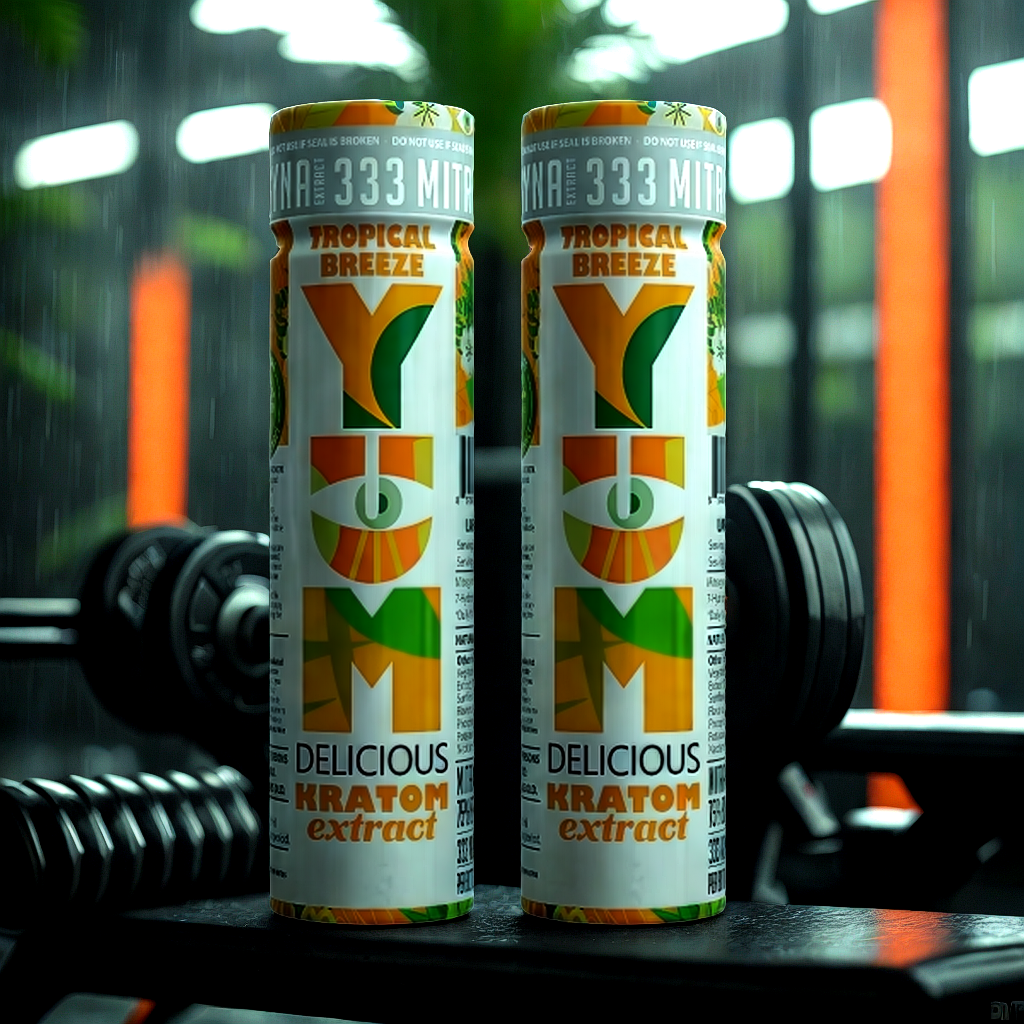
Pre-workouts and energy drinks are a particular beast because they’re designed to make you feel like you’re on rocket fuel. The beta-alanine tingles, the massive caffeine dose, the B-vitamin flush. It all screams “GO TIME” to your nervous system. Kratom doesn’t do that, and if you’re expecting that experience, you’ll think something’s wrong.
Redefining “Ready to Train”
The jacked-up, skin-crawling pre-workout feeling isn’t actually optimal for performance. It’s just a signal your body has learned to interpret as “time to lift.” High stimulant loads increase cortisol, can impair fine motor control, and often lead to workouts that feel intense but aren’t actually productive.
Kratom’s energy is more focused. Users describe it as alert but not amped, motivated but not frantic. For endurance work, this often translates to more consistent output without the mid-workout crash. For strength training, you might not feel as “hyped” but your actual performance often doesn’t suffer (and recovery may improve because you’re not cortisol-spiking every session).
Timing for Optimal Pre-Training Effect
Take your kratom 30-45 minutes before training. This is earlier than most pre-workouts, which are designed for 15-20 minute onset. If you take kratom right before hitting the gym, you’ll be mid-warmup when it kicks in rather than fully in the zone for your working sets.
For a more detailed breakdown of timing protocols, the goal-based protocol guide covers how to dial this in for different training styles.
The “Clean Focus” Experience During Physical Activity
Something interesting happens when you train with kratom instead of traditional stims: you’re more tuned into your body. The noise and chatter that caffeine-based pre-workouts create (constant checking of the clock, jumping between exercises, feeling like you need MORE) tends to quiet down.
Many users report better mind-muscle connection and improved form because they’re not rushing through sets trying to burn off excess stimulant energy. Whether this translates to better gains over time is individual, but it’s a notably different training experience.
A Note on Competition and Drug Testing
If you compete in any organization that does drug testing, check their specific policies on kratom before using it in a competitive context. Rules vary significantly by organization and sport. When in doubt, ask directly or consult with a healthcare provider familiar with your sport’s regulations.
The First Two Weeks: A Realistic Day-by-Day What to Expect
Most people who give up on kratom do it in the first two weeks. Not because it doesn’t work, but because their expectations don’t match the reality of transitioning between substances. Here’s the honest timeline.
Days 1-3: Novelty Phase
Everything feels new. You’re paying attention to how you feel, constantly comparing to your old habit. This hyper-awareness can actually make the effects seem weaker than they are because you’re analyzing rather than just experiencing.
Common mistake: Taking more because you “don’t feel it.” Start with one capful and give it a full hour. The less-is-more principle applies here. If you’re new to kratom entirely, the first-timer’s guide covers what to expect in detail.
Days 4-7: The Comparison Trap
Your brain keeps running cost-benefit analysis between the old habit and the new one. “Coffee was easier.” “At least with a drink I knew exactly how I’d feel.” “That pre-workout actually pumped me up.”
This is normal. Your brain is pattern-matching and the old pattern has years of reinforcement. The new pattern is still establishing itself. Push through this phase without making permanent decisions.
Days 8-10: The Dip
This is when most people quit. The novelty has worn off, the old habit is calling, and you’re not yet experiencing the full benefits of the new pattern. You might wonder if kratom “stopped working” or if you made the wrong choice.
What’s actually happening: your body is still adjusting, and you haven’t yet accumulated the positive compound effects (better sleep, more stable energy, no crashes). Trust the process for a few more days.
Days 11-14: The Turn
Somewhere in this window, it clicks. You wake up one morning and don’t immediately think about your old habit. You notice you got through yesterday without the 3pm crash. You realize your sleep has been better. The comparison thoughts quiet down.
Not everyone experiences this at exactly the same time. Some people turn earlier, some later. But for most, the two-week mark is when the new pattern starts feeling like the default rather than an effortful choice.
Signs You’ve Found Your Rhythm
- You stop thinking about your old habit as something you’re “giving up”
- Your serving size has stabilized (you’re not constantly adjusting)
- The timing feels natural, not forced
- You’re noticing benefits without having to look for them
- Social situations are manageable without significant mental effort
Troubleshooting If It’s Not Clicking
If you’re past two weeks and still struggling, consider:
- Timing issues: Are you taking kratom at the optimal point in your ritual, or is there a gap that leaves you vulnerable?
- Serving size: Remember, more isn’t always better. Some people find they actually respond better to smaller amounts.
- Product quality: Not all kratom is created equal. If you haven’t tried a lab-tested product from a reputable source, quality might be the issue.
- Expectations: Are you looking for kratom to replicate your old substance exactly? It won’t. It’s a different experience with different benefits.
Building Your Personal Kratom Ritual: The Customization Framework
There’s no universal “right way” to use kratom. The person using it for morning energy and the person using it for post-work unwinding have different optimal protocols. Here’s how to build yours.
Timing Your Ritual
Consider:
- When did your old habit happen? Your kratom ritual should align with this timing to capture the same behavioral trigger.
- What’s your goal? Energy needs different timing than relaxation. Morning use for focus looks different than evening use for social events.
- What does your schedule demand? If you need to be sharp for a meeting at 9am, taking kratom at 8:45 doesn’t give you time to settle in. Back-calculate from when you need to be “on.”
The Less-Is-More Principle in Practice
Kratom has a dose-response curve that’s not linear. More doesn’t always equal more effect. Many users find their sweet spot is actually lower than they initially expected. Start conservative, give it time to work, and only adjust after several days at the same serving.
If you’re finding you need increasing amounts to get the same effect, that’s a signal to take a break. Responsible use means building in off-days. This isn’t a daily requirement substance; it’s a tool you deploy strategically.
Context Matters
Where and how you take kratom becomes part of the ritual. Some people prefer:
- A specific spot (the kitchen counter, the porch, their desk)
- A specific vessel (a particular glass or mug)
- A specific pairing (with their morning reading, before their workout, as they transition from work mode)
These contextual cues reinforce the habit loop. Don’t overthink it, but don’t ignore it either. Environment shapes behavior.
Why Your Ritual Will Look Different From Someone Else’s
Body chemistry varies. Metabolism varies. Goals vary. Someone using kratom to replace post-work drinking has different needs than someone replacing morning coffee. Someone training for competition has different needs than someone seeking creative flow.
Don’t copy someone else’s protocol exactly. Use frameworks and principles, then adjust based on your own experience. The goal is finding what works for your life, not replicating what worked for someone on the internet.
Sustainable Use Patterns
Being honest here: kratom can cause dependence with regular, frequent use. The responsible approach is:
- Build in non-kratom days each week
- Don’t escalate serving sizes (if your current serving stops working, take a break rather than taking more)
- Use it for specific purposes, not as an all-day background constant
- If you have medical conditions or take medications, consult a healthcare provider before making kratom part of your routine
For a deeper dive into sustainable practices, the guide to sustainable use, tolerance, and taking breaks covers this thoroughly.
Frequently Asked Questions
Can I still have coffee sometimes if I’m using kratom for energy?
Yes, though you’ll want to be thoughtful about timing. Many people find they can have occasional coffee without issues, especially in social situations or when traveling. The interesting thing is that after a few weeks without daily coffee, you might find you don’t want it as often. The crashes become more noticeable when you’re not used to them anymore.
If you do combine them, keep the coffee moderate and don’t stack kratom and coffee close together. The energy effects compound in ways that can feel jittery. Give at least a few hours between them.
How long does it take to stop missing my old ritual?
For most people, the active missing (where you’re consciously thinking about it multiple times a day) fades around the two-week mark. The occasional craving or nostalgic pull might show up for a few months, especially in contexts heavily associated with the old habit.
This isn’t unique to kratom replacement. It’s just how behavioral change works. The good news: each time you respond to a trigger with the new habit instead of the old one, you’re weakening the old association and strengthening the new one. It gets easier.
What if kratom doesn’t give me the same “reward feeling” as alcohol after work?
It won’t. And that’s not necessarily a problem. Alcohol’s reward feeling is chemically specific (it’s hitting GABA receptors in a particular way) and comes with costs you’re presumably trying to avoid (impaired sleep, next-day fog, dependence over time).
Kratom offers a different reward: presence without numbness, relaxation without sedation, ease without the hangover. It requires recalibrating what “unwinding” means to you. If you’re specifically seeking alcohol’s effects, you’ll be disappointed. If you’re open to a different version of after-work ease, you might find you prefer it.
Should I quit my old habit cold turkey or taper while introducing kratom?
This depends on what you’re replacing and how significant your current use is.
For coffee, most people can switch directly without major issues. You might have a few days of headaches (caffeine withdrawal is real), but it’s usually manageable.
For alcohol, if you’re drinking heavily or daily, talk to a healthcare provider before making changes. Alcohol withdrawal can be medically serious. For moderate, social drinking, direct substitution often works fine.
For energy drinks and pre-workouts, same as coffee. You’re mostly dealing with caffeine and stimulant adaptation.
The hybrid approach (using kratom while tapering the old habit) works for some people but can complicate things because you’re running two variables at once. If you’re not sure, start clean: one week with only kratom, then evaluate.
Ready to Make the Swap?
The difference between people who successfully change habits and people who keep trying and failing isn’t willpower. It’s strategy. Understanding that you’re replacing rituals, not just substances. Being patient through the first two weeks. Building contextual cues that make the new pattern automatic.
You’ve already done the research. You know what you’re moving away from and why. Now it’s about execution.
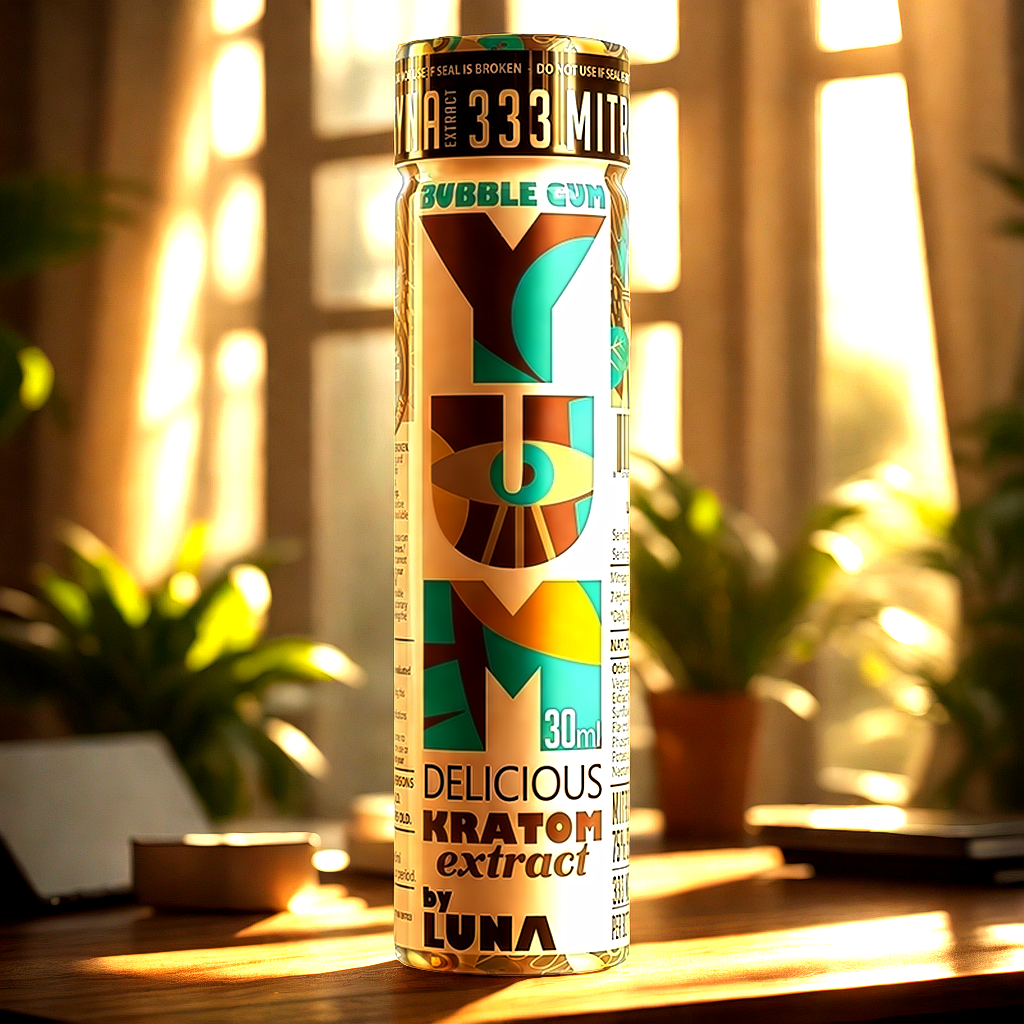
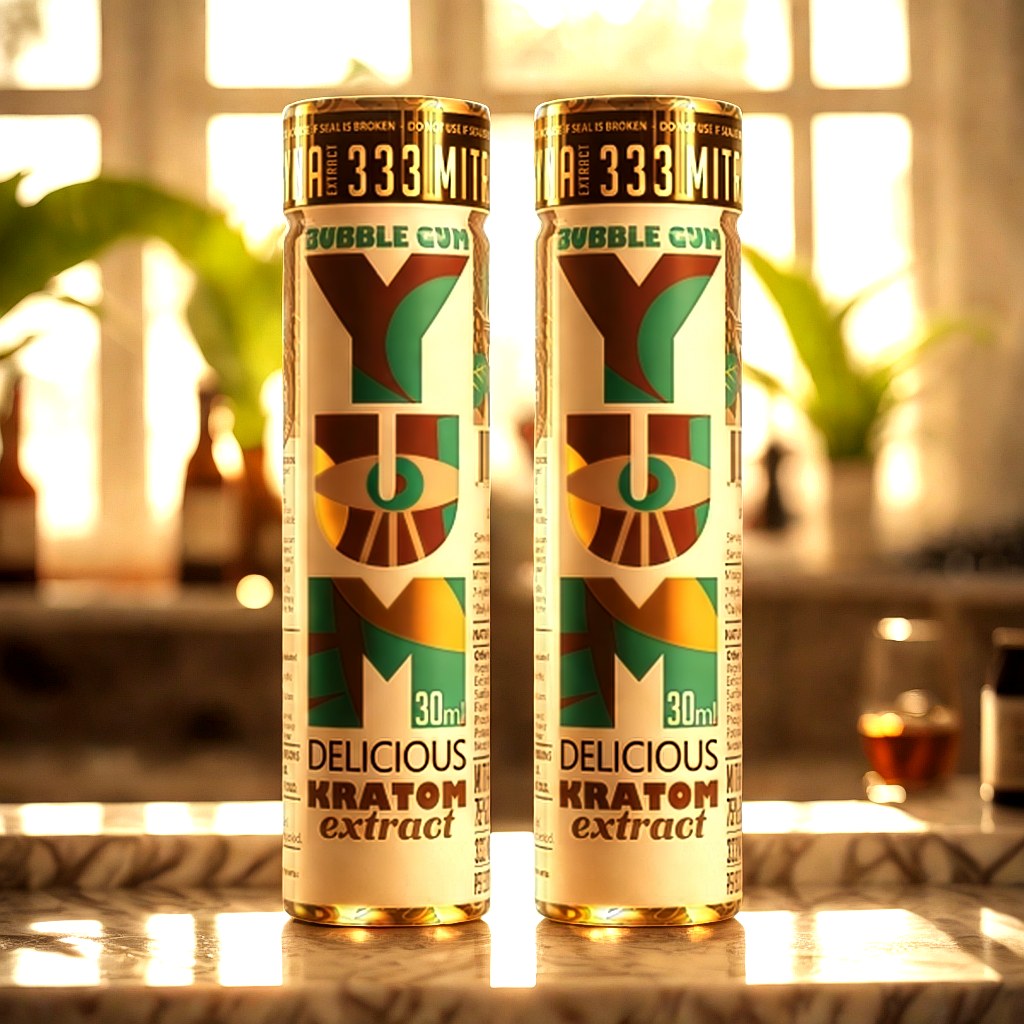
Ready to experience what clean, balanced energy actually feels like? YUM’s kratom extract is designed for exactly this transition. Great taste, balanced alkaloid profile, and none of the garbage that makes most kratom products miserable to use. Start with one capful and see why high performers are making the swap.
YUM products are intended for adults 21 and over. If you have medical conditions or take medications, consult a healthcare provider before use. This content is for informational purposes and does not constitute medical advice.