
Recalibrating Kratom: An Honest Framework for Understanding Why Your Experience Didn't Match the Internet
 Marcus Chen
Recalibrating Kratom: An Honest Framework for Understanding Why Your Experience Didn’t Match the Internet
You tried kratom. Maybe once, maybe a few times. And now you’re back on Google typing “what is kratom” because what actually happened didn’t line up with anything you read beforehand.
Maybe the internet told you it was dangerous and you felt… fine. Nothing dramatic at all. Or maybe glowing reviews promised clear-headed focus and you ended up feeling slightly off for three hours. Perhaps you felt absolutely nothing and wondered if you got scammed. Or it worked beautifully the first time and then did something completely different the second.
Here’s the thing nobody wants to admit: your confusion is the most rational response possible. You’re not doing something wrong. The information ecosystem around kratom is genuinely broken, and your personal experience just exposed the cracks.
This isn’t another “what is kratom” explainer. You don’t need the basics repeated. You need a framework for interpreting what actually happened to you, so you can decide whether to try again differently, adjust your expectations, or walk away entirely. All three are valid outcomes.
The Kratom Information Gap Nobody Talks About
Search “what is kratom” and you’ll find two parallel universes that barely acknowledge each other exists.
Universe one: medical institutions, government health departments, and news outlets treating kratom like it’s one bad decision away from destroying your life. The FDA warnings and institutional messaging focus almost exclusively on worst-case scenarios, addiction potential, and contamination risks.

Universe two: enthusiastic users describing life-changing experiences, productivity boosts, and smooth energy that replaced their coffee habit entirely.
Neither universe prepared you for what you actually experienced, which was probably somewhere in the murky middle: not dangerous, not life-changing, just… something. Or nothing. Or something you can’t quite categorize.
The gap exists because kratom isn’t one consistent thing. It’s not like aspirin where 200mg from any manufacturer does roughly the same thing. What you bought, how it was processed, the alkaloid profile of that specific product, your individual biology, whether you ate beforehand, even your expectations going in: all of these variables created your unique experience.
Your second search isn’t a sign of ignorance. It’s actually sophisticated. You’re trying to reconcile real data (what you felt) with conflicting external information (what everyone claimed you’d feel). That’s how adults make informed decisions.
Why “What Is Kratom” Has 50 Different Answers (And They’re All Partially True)

Kratom is a tree. That part is consistent. Mitragyna speciosa, native to Southeast Asia, produces leaves containing alkaloids that interact with your body in various ways. End of agreement.
Everything after that depends on what you’re actually consuming, which varies wildly across products:
- Raw leaf powder: Ground up leaves with the full spectrum of plant compounds, relatively low concentration, the “traditional” form
- Enhanced powder: Leaf powder with added extract to boost potency
- Standard extract: Concentrated form that strips out most plant material and keeps the alkaloids
- Shots and tinctures: Liquid extracts with widely varying potency, alkaloid balance, and additional ingredients
Here’s where it gets complicated. Even within each category, quality and composition vary enormously. Two products both labeled “kratom extract” can produce completely different experiences based on:
- Which alkaloids the extraction process prioritized
- The ratio of mitragynine to 7-hydroxymitragynine (7-OH)
- Whether the extraction preserved the supporting alkaloids or isolated just a few compounds
- Source leaf quality, harvest timing, and processing methods
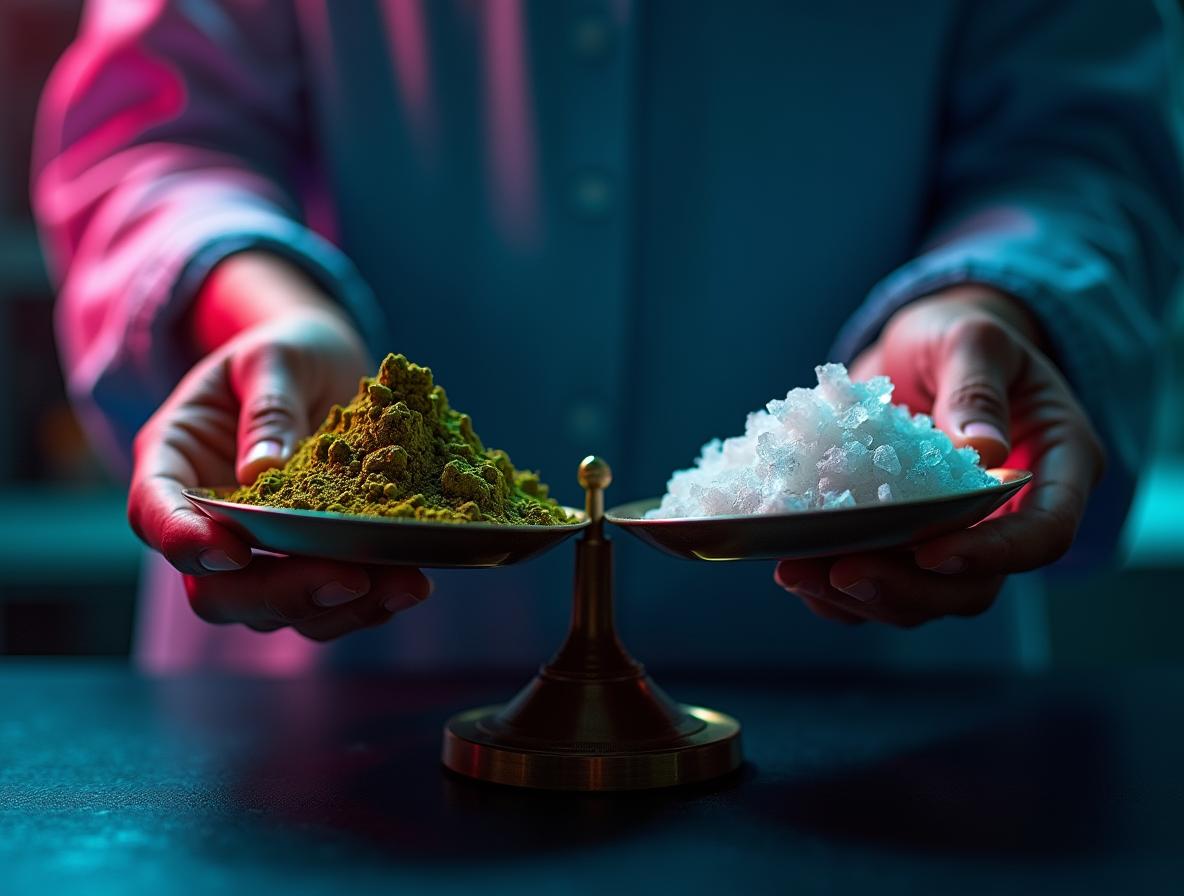
When someone online says “kratom gave me amazing focus,” and someone else says “kratom made me feel foggy,” they might both be telling the truth. They probably consumed radically different products with different alkaloid profiles that happened to share the same label.
The kratom tree is consistent. The products made from it are not.
The Variables That Actually Determine Your Experience
Your experience was shaped by factors most first-timers don’t consider. Understanding them helps you interpret what happened and decide what (if anything) to change.
Alkaloid Balance: The Variable That Matters Most
Kratom’s effects come from alkaloids, primarily mitragynine and 7-hydroxymitragynine. These two compounds have different properties, and their ratio shapes the experience.
Products high in mitragynine relative to 7-OH tend toward more energizing, clearer-headed effects. Products with elevated 7-OH levels lean toward more sedating, heavier experiences. Neither is “better.” But if you wanted alertness and accidentally got a high-7-OH product, you’d understandably feel like kratom doesn’t do what people promised.

Most products don’t disclose this ratio. Many manufacturers don’t even test for it. So when you bought “kratom,” you had no idea where that specific product sat on the spectrum.
Product Format and Concentration
A teaspoon of raw leaf powder contains a fraction of the alkaloids in a concentrated extract shot. If your first experience was powder and your second was a potent extract (or vice versa), you essentially tried two different things.
The format you choose dramatically affects onset time, duration, and intensity. Powder takes longer to hit and produces more gradual effects. Extracts and shots hit faster with more concentrated effects in a shorter window.
Your Individual Metabolism
Some people process kratom alkaloids quickly, leading to subtle, short-lived effects. Others metabolize slowly, leading to longer, more pronounced experiences from the same amount. Your liver enzyme activity, body composition, and individual biochemistry all play roles.
This is why your friend might have felt amazing on the exact same product that did nothing for you. It’s not placebo or imagination. It’s genuine metabolic variation.
Timing and Food
Kratom on an empty stomach hits faster and harder. Kratom after a large meal might feel significantly muted. If your experiences varied even with the same product, consider what you ate and when.
Serving Size
Kratom has a biphasic quality, meaning smaller and larger servings can produce qualitatively different effects, not just “more” or “less” of the same thing. Many first-timers assume more equals better, which isn’t how this works. Starting with a small serving and observing how your body responds is genuinely important, not just legal boilerplate.
Expectations and Context
If you expected a dramatic, obvious shift and got subtle background effects, you might have felt disappointed even though the product was working. Kratom isn’t alcohol. The effects can be present but not in-your-face. Context matters too: taking it before a stressful meeting versus a relaxed Saturday morning creates different subjective experiences from identical products.
Interpreting Common First-Time Experiences
Let’s walk through what you might have experienced and what it could indicate.
“I felt nothing at all”
A few possibilities:
- Serving size too small for your metabolism: Some people need more than the suggested starting amount to notice effects. This is normal variation.
- Low-quality or degraded product: Kratom alkaloids break down over time and with improper storage. That gas station shot sitting in direct sunlight for months might contain a fraction of its original potency.
- Wrong format for your sensitivity: If you’re not particularly sensitive to plant compounds, raw powder might not be enough. Extract might be more appropriate for your body.
- Full stomach: A heavy meal can significantly dampen effects.
- Individual biochemistry: A small subset of people genuinely don’t respond much to kratom alkaloids regardless of product quality.
Before concluding kratom doesn’t work for you, consider whether the product itself was actually good quality. Many first experiences involve whatever was available, which is often bottom-shelf.
“I felt jittery or overstimulated”
This usually indicates:
- Too much for your sensitivity level: Start smaller next time.
- High-mitragynine product combined with caffeine: If you already had coffee, adding a stimulating kratom product can tip you into jitteriness.
- Low-quality extract with unbalanced alkaloid profile: Some products concentrate stimulating compounds without the moderating effects of full-spectrum alkaloids.
The fix is usually straightforward: smaller serving, different product, or skip the coffee.
“I felt foggy or heavy”
This points toward:
- High 7-OH content: Products with elevated 7-hydroxymitragynine create more sedating, heavier effects.
- Serving size too large: Kratom’s biphasic effects mean larger servings tend toward sedation even with energizing strains.
- Poor product quality: Contamination, old product, or improper extraction can create “off” feelings.
If you wanted energy and got fog, you likely need a different product altogether (specifically one with a more balanced or mitragynine-forward profile) and potentially a smaller serving.
“I felt clear and focused”
Good sign. This typically indicates:
- Balanced alkaloid profile: Proper ratio of mitragynine to 7-OH and supporting compounds.
- Appropriate serving size: You found the right amount for your body.
- Quality product: Clean extraction, proper storage, third-party testing.
Note what you took and how much. This is your baseline.
“It worked great, then I crashed”
A common pattern with certain products:
- Unbalanced extract that spikes and drops: Some products create intense initial effects that fade into worse-than-baseline feelings.
- Missing supporting alkaloids: Full-spectrum products with multiple compounds tend to produce smoother curves than isolate-heavy extracts.
The crash often indicates product quality issues rather than a kratom problem. Quality products with balanced profiles should produce relatively smooth onset and offset.
“First time was great, second time was different”
Consider:
- Different conditions: Food, time of day, stress levels, sleep quality all affect response.
- Expectation shift: First time you didn’t know what to expect. Second time you had a reference point, which changes perception.
- Product variation: Even with the same brand, batch-to-batch consistency varies (especially with lower-quality products).
The Quality Variable That Changes Everything
Here’s the uncomfortable truth: the kratom market has essentially no enforced quality standards. Two products on the same shelf with similar labels can be vastly different in safety, potency, and effect profile.
What separates quality kratom products from garbage:
Third-Party Testing
Reputable products come with verified lab results showing alkaloid content, contamination screening (heavy metals, pathogens, adulterants), and accurate labeling. If a company can’t show you test results, you have no idea what you’re consuming.
Extraction Method
How alkaloids are extracted affects what ends up in the final product. Methods that preserve the full alkaloid spectrum (including minor compounds that modulate the experience) tend to produce smoother, more balanced effects. Methods that aggressively isolate specific compounds can create harsh, imbalanced experiences.
Understanding how extraction changes the experience helps explain why “kratom extract” isn’t one thing.
Alkaloid Balance
We keep coming back to this because it matters most. Products that maintain a balanced ratio of mitragynine to 7-OH (rather than maximizing one or the other) tend to produce cleaner, more predictable experiences. “Stronger” isn’t better if strong means unbalanced.
Taste as a Quality Indicator
This sounds strange, but palatable kratom is often an indicator of quality processing. Kratom is naturally bitter, but there’s a difference between “earthy and slightly bitter” and “actively unpleasant chemical taste.” Products that taste tolerable usually indicate better extraction and sourcing. Products that make you gag often reflect corner-cutting somewhere in the process.
What This Means for Your Next Decision
You’ve now got a framework for understanding why your experience happened. The question is: what do you do with that information?
If you’re willing to try again with a different product
Look for:
- Verified third-party testing: Actual lab results you can see, not just “lab tested” claims.
- Balanced alkaloid profile: Products that don’t brag about being “maximum strength” or “highest 7-OH.” Balance is what you want.
- Reputation for consistency: Brands that emphasize quality control and batch-to-batch reliability.
- Palatability: If the product tastes reasonable, that’s a good sign.
Start with a small serving. Note conditions: time of day, food, other substances. Give it a fair shot before drawing conclusions.
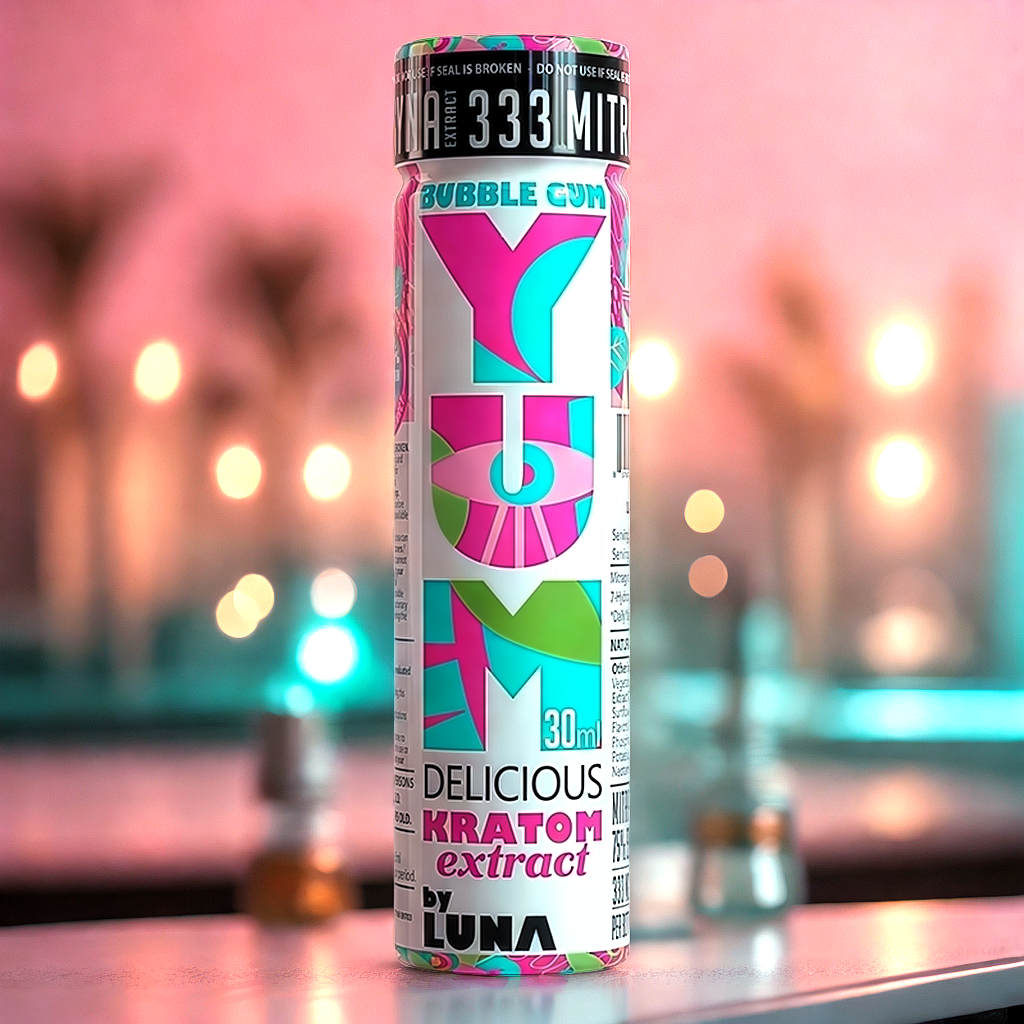
YUM kratom products represent what a quality-focused, balanced kratom extract actually looks like: lab-tested, proper alkaloid balance, and formulated to actually taste drinkable. If your previous experience was with low-quality product, trying something formulated with care might change your assessment entirely.
If you’re adjusting your expectations
Maybe kratom works for you, but differently than you expected. It might be a subtle background enhancement rather than an obvious shift. It might work better for certain contexts than others. That’s legitimate. Not everything needs to feel dramatic to be useful.
Consider using it intentionally for specific purposes rather than expecting a universal effect. Many people find kratom works differently depending on timing and context.
If you’re deciding kratom isn’t for you
Also legitimate. Not every substance works for every body. If you’ve tried quality products in appropriate servings and it’s still not providing value, you’ve done your due diligence. Walk away with good information rather than confusion.
The goal was never to convince you kratom is for everyone. The goal was to help you understand what actually happened so you can make an informed choice.
The Bottom Line
Your experience didn’t match the internet because “what is kratom” has no single answer. It depends on product quality, alkaloid balance, individual metabolism, timing, serving size, and dozens of other variables the simplified narratives (both scary and enthusiastic) fail to mention.
The information gap between institutional warnings and user enthusiasm isn’t a sign that someone’s lying. It’s a sign that both camps are talking about different experiences with radically different products under the same name.
Now you have a framework for understanding what created your specific experience. Whether that leads to trying again with a better product, adjusting your expectations, or moving on entirely is up to you. All three are rational outcomes with good information.
If you do decide to try again, consider starting with a quality-focused product that prioritizes balanced alkaloids, third-party verification, and actual drinkability. Your second experience might finally make sense of your first.
Frequently Asked Questions
Why did kratom feel completely different than what I expected based on what I read online?
Because “kratom” online refers to dozens of different products with different alkaloid profiles, concentrations, and quality levels. The enthusiastic users and the worried institutions are often describing experiences with fundamentally different products under the same umbrella term. Add individual metabolic variation and the variables multiply further. Your experience was determined by your specific product, your body, and your conditions, not by “kratom” as a universal thing.
I felt nothing from kratom. Does that mean it doesn’t work for me?
Not necessarily. Feeling nothing often indicates: serving size was too small for your metabolism, the product was low-quality or degraded, you had a full stomach that muted effects, or the format wasn’t appropriate for your sensitivity level. Before concluding kratom doesn’t work for you, try a verified quality product in a slightly larger serving on an emptier stomach. If that also produces nothing, then you may genuinely be among the small percentage who don’t respond significantly to kratom alkaloids.
Why do some kratom products feel jittery while others feel sedating when they’re the same plant?
The ratio of mitragynine to 7-hydroxymitragynine varies dramatically between products based on extraction methods and intentional formulation. Mitragynine-forward products lean energizing. 7-OH-heavy products lean sedating. Neither is “the real kratom effect.” They’re different expressions of different alkaloid balances. This is why “kratom” can accurately be described as both energizing and sedating depending on which product someone tried.
How do I know if the kratom I tried was actually good quality?
Quality indicators include: available third-party lab results showing alkaloid content and contamination screening, reasonable taste (bitter but not chemically unpleasant), consistent effects from dose to dose, smooth onset and offset without harsh crashes, and transparent information about sourcing and extraction. If the product came from a gas station, smoke shop without quality verification, or the cheapest online option you could find, quality was likely compromised.