
Peak Focus Without the Prescription Pad: An Honest Comparison of Kratom and Pharmaceutical Stimulants for High Performers
 Marcus Chen
Peak Focus Without the Prescription Pad: An Honest Comparison of Kratom and Pharmaceutical Stimulants for High Performers
You’ve been through the cycle. Coffee stopped working three cups ago. Energy drinks leave you wired then wrecked. Maybe you’ve had that conversation with a doctor about focus, or maybe you’ve just watched friends pop pills to power through deadlines while you wonder if there’s something you’re missing.
Here’s the thing nobody tells you when you start searching for focus solutions: the conversation is either dominated by pharmaceutical marketing or fear-based institutional warnings. What’s missing is an honest, adult perspective that treats you like someone capable of making informed decisions about your own body.
This isn’t medical advice. This isn’t a suggestion to replace anything your doctor prescribed. This is a comparison of what people actually report experiencing when they use kratom extract versus pharmaceutical stimulants for focus, so you can make a decision based on real information rather than marketing copy or scare tactics.
Why High Performers Are Asking This Question Right Now
Stimulant fatigue is real, and it’s not just anecdotal. Talk to anyone who’s been on the focus optimization treadmill for a few years, and you’ll hear the same story. What worked at first required more over time. The crashes got worse. The rebound anxiety crept in. Sleep suffered. And somewhere along the way, the tool that was supposed to help you perform started feeling like a trap.

This isn’t about demonizing pharmaceutical options. They work for many people, and for some conditions, they’re the appropriate choice. But there’s a growing population of adults who’ve tried the conventional routes and found themselves looking for something different. Not because they’re anti-medicine, but because what they’re using isn’t sustainable for their life anymore.
If that sounds familiar, you’re not alone. And you’re not crazy for wondering what else is out there.
The population searching “what is kratom” increasingly overlaps with people who’ve been through the stimulant experience and want to understand their options. Not to self-prescribe or abandon medical care, but to have an informed conversation about what different tools actually feel like in practice.
Understanding What We’re Actually Comparing
Before we get into the comparison, let’s establish what we’re talking about.
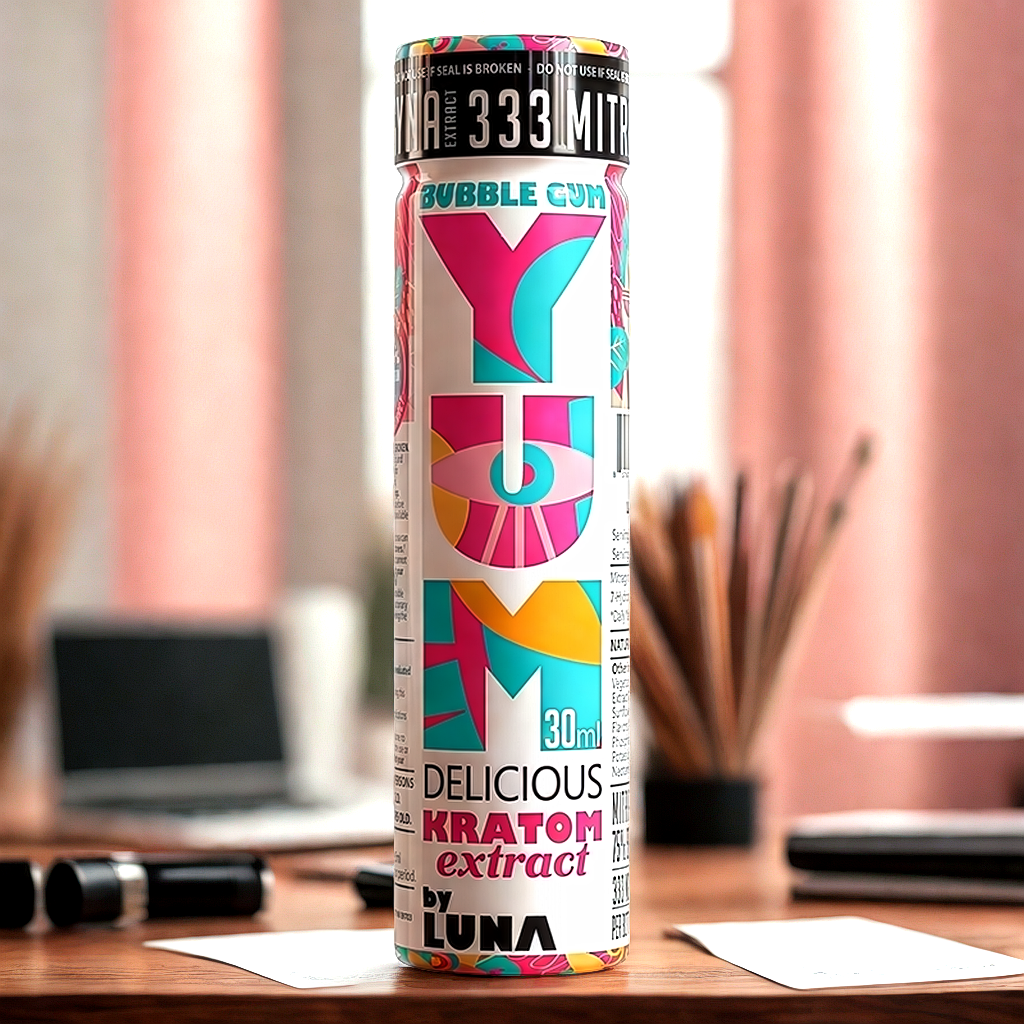
Kratom is a botanical extract from Mitragyna speciosa, a tree native to Southeast Asia. The leaves contain alkaloids, primarily mitragynine, that interact with receptors in the brain. It’s not a pharmaceutical. It’s not FDA-approved for any condition. It’s a plant-based substance that millions of adults use for various purposes, including focus and energy. If you want the full scientific breakdown, our guide on the complete science behind kratom, the alkaloids, and how it actually works covers everything in detail.
Pharmaceutical stimulants are a broad category of prescription and over-the-counter substances designed to increase alertness, attention, and energy. We’re not naming specific medications here because this isn’t medical guidance, and we’re not suggesting kratom as a replacement for anything prescribed to you.
What we ARE doing is comparing the subjective experiences that users of both categories report. Not medical equivalencies. Not clinical outcomes. Just honest information about what these substances actually feel like when real people use them for focus.
This distinction matters. Kratom is not medicine. It doesn’t treat, cure, or prevent any disease or condition. Anyone considering kratom who has medical conditions or takes medications should consult their healthcare provider first. Full stop.
The Experience Comparison: What Users Actually Report

Here’s where things get useful. Let’s break down what people actually describe when comparing their experiences with kratom extract versus pharmaceutical stimulants for focus.
Onset and Duration
Kratom extract: Most users report feeling effects within 15-30 minutes when taken on a relatively empty stomach. The focused, clear-headed feeling typically lasts 3-4 hours before gradually tapering. There’s no abrupt cliff where everything stops working.
Pharmaceutical stimulants: Onset varies widely depending on formulation (immediate vs. extended release) and specific medication. Some kick in within 20-30 minutes; extended-release versions may take longer to reach full effect but last longer. The duration ranges from 4-12 hours depending on formulation.
For a detailed timeline of what to expect from kratom, check out our guide on what kratom actually feels like from first sip to four hours later.
Quality of Focus
Kratom extract: Users often describe the focus as “clean” or “smooth.” It’s not the laser-locked, tunnel-vision intensity that some stimulants provide. Instead, people report a calm alertness that makes sustained mental work feel easier without the feeling of being forced into a hyperfocused state. You can still shift attention when needed. Creativity and problem-solving don’t feel suppressed.
Pharmaceutical stimulants: The focus is often described as more intense and directive. Some people find this helpful for tasks requiring sustained attention on a single project. Others report feeling “locked in” to whatever they’re doing, even if it’s the wrong thing (ever spent four hours organizing your email inbox instead of doing the actual work?). The intensity can feel productive or uncomfortable depending on the person and the dose.
The Crash Question
Kratom extract: Most users report minimal to no crash when effects wear off. The energy tapers gradually rather than dropping suddenly. People don’t typically describe the “hitting a wall” feeling that’s common with caffeine or stimulant comedowns. Next-day effects are generally neutral, assuming reasonable use.
Pharmaceutical stimulants: Crash experiences vary significantly by individual and by specific medication. Many users report some degree of comedown, ranging from mild fatigue to significant rebound effects including irritability, low mood, or difficulty functioning without the substance. This is one of the most common complaints from long-term stimulant users.
Side Effects During Use

Kratom extract: Some users report mild nausea if they take too much or haven’t eaten. Dry mouth is common. At appropriate doses, jitters and anxiety are rare, which is a significant distinction from caffeine-based energy products. Heart rate typically stays stable.
Pharmaceutical stimulants: Common side effects include increased heart rate, appetite suppression, dry mouth, and in some cases, anxiety or restlessness. Sleep interference is common if taken later in the day. Some users experience mood changes or irritability.
The “Wired vs. Clear” Distinction
This is perhaps the most consistent difference users report. Pharmaceutical stimulants often create a “wired” feeling, an energetic push that makes you feel like you NEED to do something. Kratom’s energy feels more like clarity, an increased ability to focus rather than an artificial drive pushing you forward.
Neither is objectively better. It depends on what you’re looking for and how your body responds. Some people want that push. Others find it anxiety-inducing and prefer the subtler clarity that kratom provides.
The Sustainability Question: Daily Integration vs. Strategic Use
Here’s where we need to be completely honest, because this is the part that matters most for long-term outcomes.
Tolerance Development
Both kratom and pharmaceutical stimulants can lead to tolerance with regular use. Your body adapts, and you need more to achieve the same effect. This is basic pharmacology, and pretending it doesn’t apply to kratom would be dishonest.
The difference users report is in the trajectory. With pharmaceutical stimulants, tolerance often develops relatively quickly with daily use, leading to dose escalation or the need for “drug holidays.” Many long-term users describe a cycle of increasing doses, dealing with worse side effects, then trying to reset.
With kratom, tolerance also develops with daily use, but many users find they can maintain effectiveness at stable doses when using strategically rather than habitually. The key phrase is “less is more,” and it’s not marketing speak. Users who treat kratom as a daily necessity often end up needing more and enjoying it less. Users who treat it as a strategic tool for specific situations tend to maintain the experience they’re looking for.
For a deeper understanding of how to use kratom sustainably over time, our guide on kratom’s relationship with your body over time, including tolerance and taking breaks, covers the practical details.
The Dependence Reality
Kratom can cause physical dependence with regular use. Stopping after heavy, prolonged use can result in withdrawal symptoms. This is true. It’s not the “completely safe” substance that some enthusiasts claim, and anyone suggesting otherwise is doing you a disservice.
Pharmaceutical stimulants also create dependence patterns, though the mechanisms differ. The rebound effects from stopping stimulant use, particularly the fatigue and difficulty concentrating, can make it very hard for long-term users to function without them.
The honest answer is that neither option is consequence-free if used irresponsibly. The question is whether you can use either tool strategically, with awareness, and with appropriate breaks. For kratom, that means not treating it as a daily necessity. For pharmaceuticals, that means working with a healthcare provider to find sustainable protocols.
Our Recommendation
Kratom works best as a strategic tool, not a daily crutch. Use it for the deadline crunch, the important presentation, the creative project that needs deep focus. Take breaks. Cycle your use. Respect it as a substance that affects your body and brain, not a vitamin you can take indefinitely without consequence.
And if you’re currently on any medications or have medical conditions, talk to your healthcare provider before adding anything to your routine. That’s not legal disclaimer fluff. It’s genuine advice.
The Taste and Ritual Factor (Yes, It Actually Matters)
This might seem like an odd thing to discuss in a comparison article, but experience and compliance are connected. How something tastes and how you consume it affects whether you’ll actually use it consistently and whether you’ll enjoy the experience.
Most kratom products taste genuinely awful. Raw powder has an intensely bitter, earthy flavor that makes people gag. This isn’t an exaggeration. It’s a barrier that causes many people to abandon kratom despite positive effects, simply because the consumption experience is miserable.
Pharmaceutical stimulants are typically pills or capsules. Swallow with water, done. No taste experience at all. Convenient, though lacking any ritual or enjoyment component.
Quality kratom extract shots solve the palatability problem while adding something pharmaceutical pills never offer: an actual enjoyable experience. There’s ritual in taking a shot before diving into focused work. It becomes a signal to your brain that it’s time to perform. The consumption becomes part of the transition into a focused state rather than just a chore.
This matters more than you might think. The ritual component is why people enjoy their morning coffee beyond just the caffeine. It’s why wine with dinner feels different than chugging grape juice for the alcohol. How you consume something shapes the overall experience. Our article on why kratom tastes terrible and how to solve it goes deeper into this topic.
The Honest Risk Acknowledgment: What Every Informed Adult Should Know
If you’ve made it this far, you deserve the complete picture. Here’s what you need to know about the risks of kratom:
- Dependence potential: Regular use can lead to physical dependence. Stopping after heavy use can cause withdrawal symptoms including irritability, muscle aches, sleep issues, and mood changes.
- Quality variance: Unlike pharmaceuticals, kratom isn’t regulated by the FDA. Product quality varies enormously. Some products contain contaminants, incorrect alkaloid ratios, or undisclosed additives. This is why third-party lab testing matters so much.
- Legal restrictions: Kratom is banned in Alabama, Arkansas, Indiana, Rhode Island, Vermont, and Wisconsin. Other jurisdictions have varying regulations. Always verify current laws in your area.
- Individual variation: Response to kratom varies significantly between people. What works perfectly for one person might not work for another, or might cause unwanted effects.
- Interaction potential: Kratom can interact with other substances, including medications. Combining kratom with other CNS depressants is particularly risky.
- This isn’t medicine: Kratom doesn’t treat any medical condition. If you have a diagnosed condition that requires treatment, work with your healthcare provider.
Pharmaceutical stimulants come with their own risk profile, which your prescribing doctor should discuss with you. The point isn’t that one is safer than the other. It’s that both require informed, responsible use and an honest assessment of whether the benefits outweigh the risks for your specific situation.
Making Your Own Informed Decision
So where does this leave you? With a framework for thinking about your options, not a prescription for what to do.
Kratom might be worth exploring if:
- You’ve cycled through caffeine options and found the jitters/crash pattern unsustainable
- You want occasional focus support without committing to daily use of anything
- You prefer the idea of a plant-based option that you can use strategically
- You respond poorly to the “wired” feeling that stimulants often provide
- You value the ritual and experience of consumption, not just the effects
Kratom might NOT be right for you if:
- You have a history of substance dependence issues
- You’re on medications that might interact
- You live in a state where kratom is banned
- You’re looking for something to use daily without concern about tolerance
- You want medically supervised treatment for a diagnosed condition
What to look for if you decide to try kratom:
- Balanced alkaloid profiles: Extracts prioritizing mitragynine over 7-hydroxymitragynine tend to provide cleaner, more focused energy without sedative effects. Our guide on kratom extract quality, potency, and choosing wisely explains this in detail.
- Third-party testing: Any reputable company will provide lab results showing exactly what’s in their products
- Transparent sourcing: Quality kratom comes from mature trees, properly harvested and processed
- Realistic claims: Run away from any company claiming kratom treats diseases or has no risks
First-time protocol:
Start with one capful or small serving. Assess your response before taking more. Don’t combine with other substances. Have food in your system (not a full meal, but don’t be completely empty). Give it time to work before deciding it’s not doing anything.
Frequently Asked Questions
Can kratom replace my prescription for focus?
No. Kratom is a botanical supplement, not medicine. It doesn’t treat, cure, or prevent any disease or medical condition. Never stop or replace prescriptions without consulting your doctor. This comparison is about understanding your options and how they differ experientially, not about medical substitution. If you’re considering changes to your medication regimen, that conversation belongs with your healthcare provider.
How long does the focus effect from kratom extract typically last?
Most users report 3-4 hours of clear, sustained focus from quality balanced extracts. The onset is typically 15-30 minutes, and the effects taper gradually rather than dropping off suddenly. This is different from the often longer but more variable duration of pharmaceutical stimulants, and from the shorter, spikier pattern of caffeine.
Is kratom legal where I live?
Kratom is legal in most US states but banned in Alabama, Arkansas, Indiana, Rhode Island, Vermont, and Wisconsin. Some counties and cities have their own restrictions even in states where it’s legal. Regulations can change, so always verify current laws in your specific area before purchasing or using kratom. Our state-by-state legal guide covers the current situation in detail.
What makes one kratom extract better for focus than another?
Alkaloid balance is the key factor. Kratom contains multiple active compounds, but for focus and energy, you want extracts that emphasize mitragynine rather than 7-hydroxymitragynine. Higher ratios of 7-OH tend to produce more sedative effects, which works against the clean focus you’re probably looking for. Quality extraction methods, proper sourcing, and transparent lab testing are how you verify you’re getting a product balanced for the experience you want.
The Bottom Line
The search results for “what is kratom” are dominated by institutional warnings and pharmaceutical perspectives. There’s a reason for that, and it’s not that kratom is uniquely dangerous. It’s that there’s no profit motive for institutions to provide balanced information about a plant anyone can access.
This comparison exists because millions of adults are asking these questions and deserve honest answers that treat them like capable decision-makers. Not marketing. Not fear-mongering. Just information about what different focus tools actually feel like in practice.
Kratom isn’t for everyone. Neither are pharmaceutical stimulants. Both have benefits and risks. Both require informed, responsible use. The choice is yours to make, and you can make it better when you understand what you’re actually choosing between.
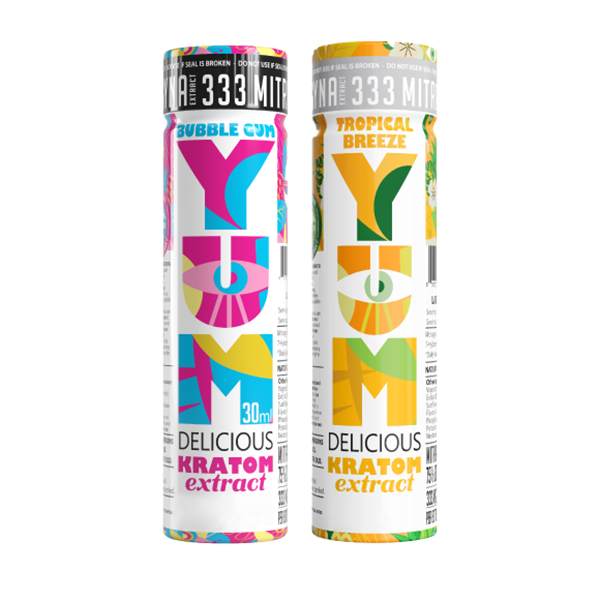
Ready to experience what balanced kratom extract actually feels like? Try YUM, the extract that finally solves the taste problem while delivering clean, focused energy. Start with one capful and feel the difference. Check out our kratom products or visit our FAQ page if you have more questions.
This content is for adults 21 and older. Consult your healthcare provider before using kratom, especially if you have medical conditions or take medications. Kratom is not intended to diagnose, treat, cure, or prevent any disease.