
Kratom's Taste Problem: Why Most Products Make You Gag and How to Actually Enjoy the Experience
 Ryan Okafor
Kratom’s Taste Problem: Why Most Products Make You Gag and How to Actually Enjoy the Experience
You’ve done the research. You’ve read about what kratom is, checked the legal status in your state, and maybe even watched a few YouTube videos. You’re curious. You’re interested. But there’s one question nobody seems to answer honestly: what does this stuff actually taste like, and am I going to hate putting it in my mouth?
This is the question that stops more potential users than concerns about legality or effects. And it’s completely valid. Because here’s the truth that most kratom companies won’t tell you upfront: traditional kratom products taste genuinely, memorably terrible.
But that doesn’t mean your experience has to be awful. Let’s break down exactly what you’re getting into, format by format, so you can make an informed decision about whether the consumption experience is something you can work with.
The Elephant in the Room: Most Kratom Tastes Absolutely Terrible
There’s no polite way to say this. Raw kratom has a taste profile that makes most people wince, gag, or immediately reach for something to wash it down. We’re talking about a bitter, earthy, almost aggressively botanical flavor that lingers on your tongue and coats the back of your throat.
Imagine chewing on a handful of dried leaves from your backyard, then amplifying that bitterness by about ten times. That’s the ballpark. Some people describe it as “like green tea that got angry” or “dirt mixed with matcha’s evil cousin.”
The bitterness isn’t subtle. It’s the kind of taste that makes your face involuntarily scrunch up. And it doesn’t just hit and leave. The aftertaste can hang around for twenty to thirty minutes if you don’t chase it with something.
Here’s why this matters: many people who’ve intellectually decided to try kratom never actually follow through because they can’t get past the consumption barrier. They buy powder, attempt to take it once, and the experience is so unpleasant they never try again. That’s not a reflection of kratom itself. That’s a product quality and format problem.
Your concern about taste isn’t superficial or weak. It’s a legitimate factor in whether you’ll actually use something consistently enough to notice any benefit.
Breaking Down the Sensory Experience by Format
Not all kratom consumption experiences are created equal. The format you choose dramatically affects what you’ll actually feel in your mouth, how long you’ll taste it, and whether you’ll dread taking it again. Let’s get specific.
Raw Powder: The Classic Struggle
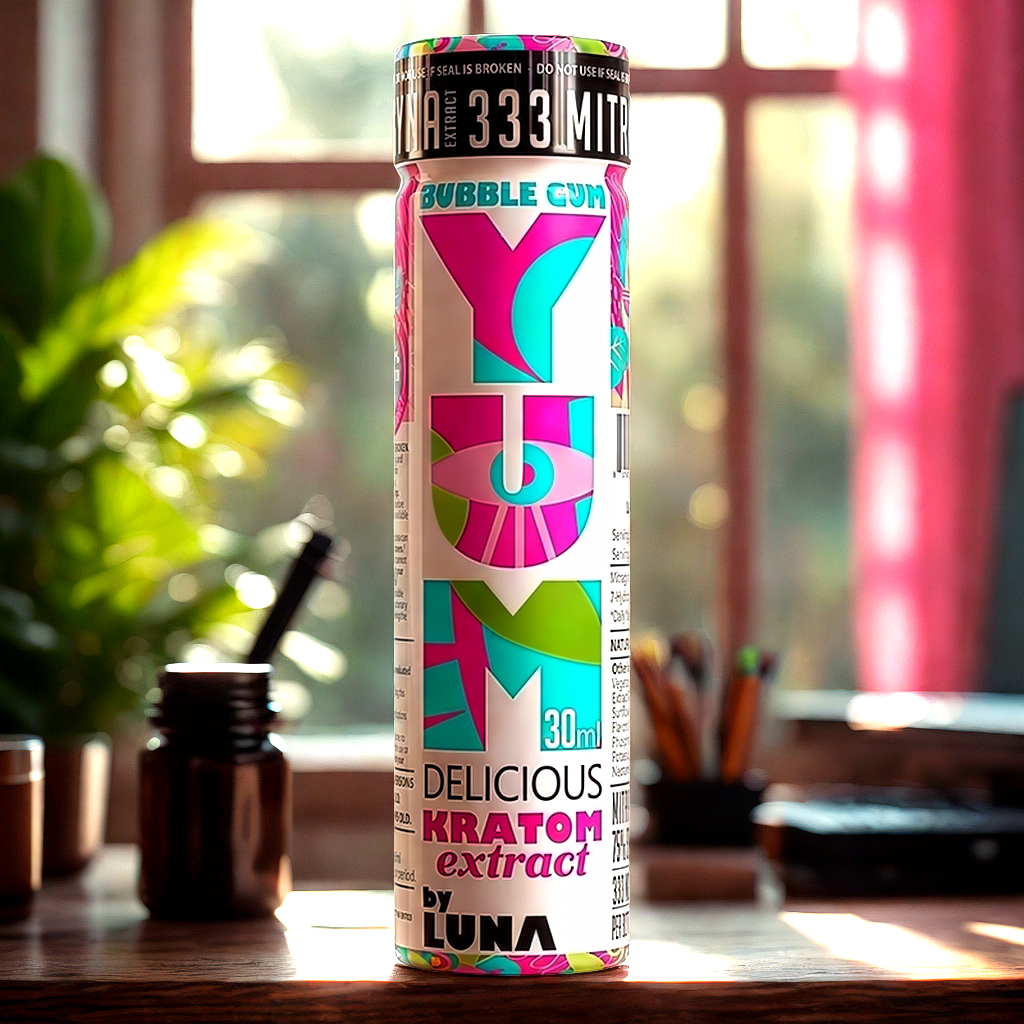
Raw kratom powder is the most affordable option, but it’s also the hardest to consume pleasantly. The texture is fine and slightly gritty, like powdered matcha but drier. It doesn’t dissolve well in water. Instead, it clumps, floats, and creates a sludgy mixture that’s genuinely challenging to drink.
The “toss and wash” method (dumping powder directly into your mouth and chasing with liquid) is popular but problematic. Get the technique wrong and you’ll end up coughing powder everywhere, inhaling bitter dust into your sinuses, or creating a paste that sticks to your teeth and gums. Even when done “correctly,” you’re getting the full force of that bitter taste with nothing to mask it.
What it actually feels like: Dry, slightly gritty, immediately and intensely bitter. The taste hits your entire tongue and especially the back of your throat. You’ll taste it for a while afterward unless you’re aggressive about rinsing.

Capsules: Easier, But Trade-offs Exist
Capsules solve the taste problem almost entirely. You’re swallowing a pill, not tasting plant material. Simple, right?
The issue is volume. Because powder isn’t concentrated, you often need multiple capsules (sometimes six to ten) to get a serving amount. Swallowing that many pills isn’t everyone’s idea of a good time. The capsules also need to dissolve in your stomach before anything kicks in, which can mean a slower onset compared to other formats.
What it actually feels like: Like taking any supplement pill. No taste if they go down smoothly. Some people notice a faint bitter burp afterward as capsules begin dissolving, but it’s minor compared to other methods.
Traditional Tea: The Ritual Approach
Making kratom tea involves steeping powder or crushed leaves in hot water, then straining. This dilutes the taste significantly and makes it easier to add honey, lemon, or other flavor helpers. Some people enjoy the ritual aspect of preparation.
The taste is still earthy and bitter, but it’s stretched across a full cup of liquid rather than concentrated. Think of it like very strong herbal tea with a noticeable bite. The warmth can actually make it more palatable for some people.
What it actually feels like: Like drinking a strong, bitter herbal tea. You’ll still taste it, but it’s manageable. Preparation takes ten to fifteen minutes, which doesn’t work for everyone’s schedule.
Extract Shots: The Concentrated Experience
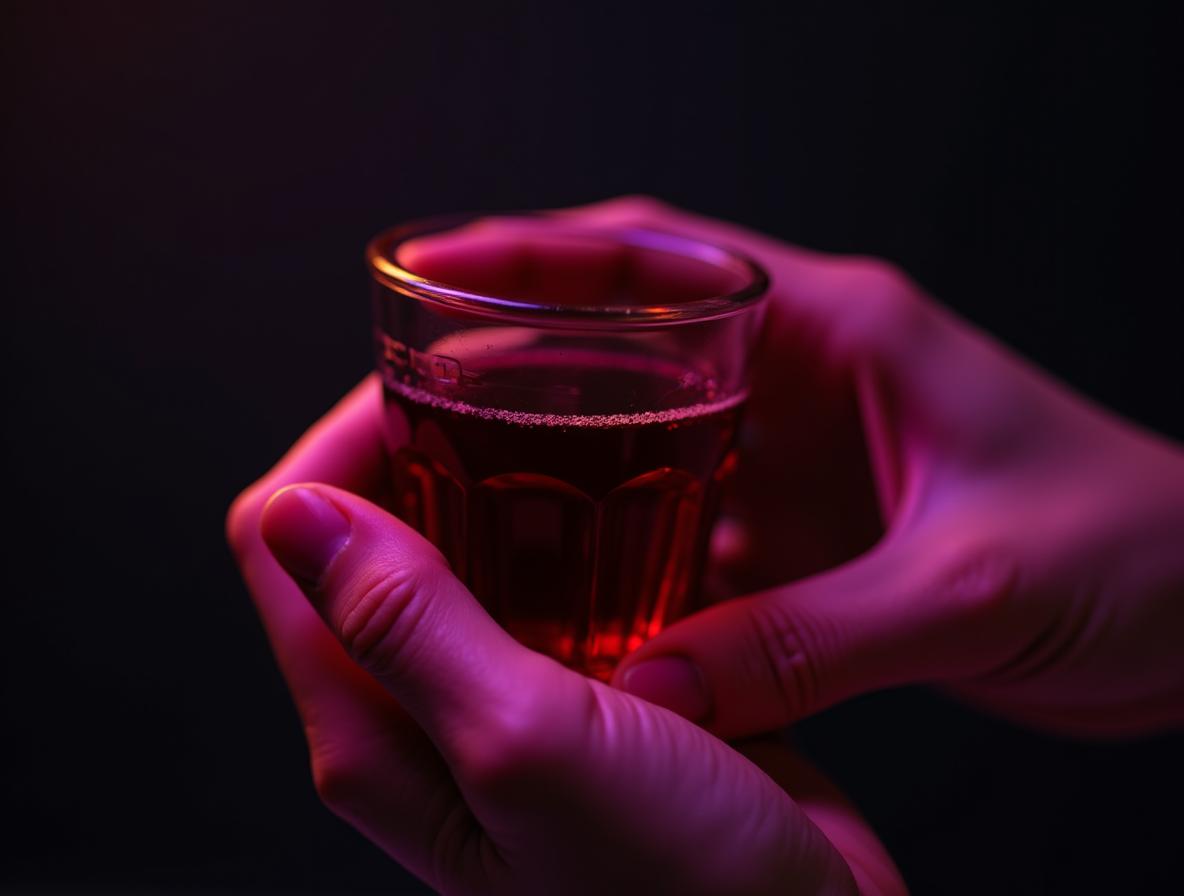
Extract shots are concentrated liquid preparations. Because the active compounds are extracted and concentrated, you’re drinking a small volume (usually one to two ounces) rather than mixing large amounts of powder.
Here’s where the experience varies wildly depending on the brand. Some extract shots taste like battery acid mixed with lawn clippings. Others, made by companies that actually invest in formulation, taste significantly better. The range is enormous.
The advantage of a good extract shot is speed and convenience. Small volume, fast consumption, quick onset (usually within twenty to thirty minutes). The disadvantage of a bad one is that you’re drinking something concentrated and terrible, which might actually be worse than diluted powder because there’s nowhere to hide.
What it actually feels like: Depends entirely on the product. Bad shots taste like someone distilled swamp water and added bitterness. Good shots can taste like a slightly herbal, slightly tangy beverage that’s actually pleasant to drink.
Why Kratom Tastes the Way It Does (And Why Most Brands Don’t Bother Fixing It)
The bitter taste comes directly from kratom’s alkaloid content. The same compounds that create the effects are responsible for the taste. Mitragynine and related alkaloids are inherently bitter. This isn’t something you can remove without removing what makes kratom kratom.
So why do most products make no effort to address this?
The kratom industry grew up serving a specific early-adopter audience. These were people who cared primarily about potency and price. They were willing to tolerate terrible taste because they were already committed to using the product. Vendors competed on alkaloid content and cost, not on the experience of actually consuming it.
This created a market where taste was an afterthought at best. Why invest in flavor formulation when your customer base just wanted the strongest, cheapest product? Why hire flavorologists when you could cut costs by skipping that step entirely?
The result is an industry full of products that work fine but are genuinely unpleasant to consume. And that creates a barrier for anyone who hasn’t already decided they’re going to power through regardless of how it tastes.
Understanding how kratom extracts work helps explain why some products are more palatable. The extraction process, the base liquid, and the added ingredients all matter enormously.
The Flavor Innovation That’s Changing How People Experience Kratom
Making kratom taste good is genuinely difficult. You’re working against strong, inherent bitterness from active compounds you can’t remove. Simple flavor masking (adding sugar or artificial sweeteners) often creates a weird combination where you taste sweet AND bitter, which can actually be worse than just bitter.
Real palatability improvement requires working with food scientists and flavorologists who understand how to create flavor profiles that complement and counteract bitterness rather than just trying to overpower it. This involves:
- Careful base liquid selection that doesn’t amplify bitterness
- Strategic use of natural acids that can shift taste perception
- Flavor layering that gives your palate something else to focus on
- Texture consideration so the mouthfeel doesn’t contribute to unpleasantness
This is why most kratom extracts taste like dirt while a few are actually drinkable. The difference isn’t just about adding flavoring. It’s about treating taste as a core product feature rather than an inconvenience to ignore.
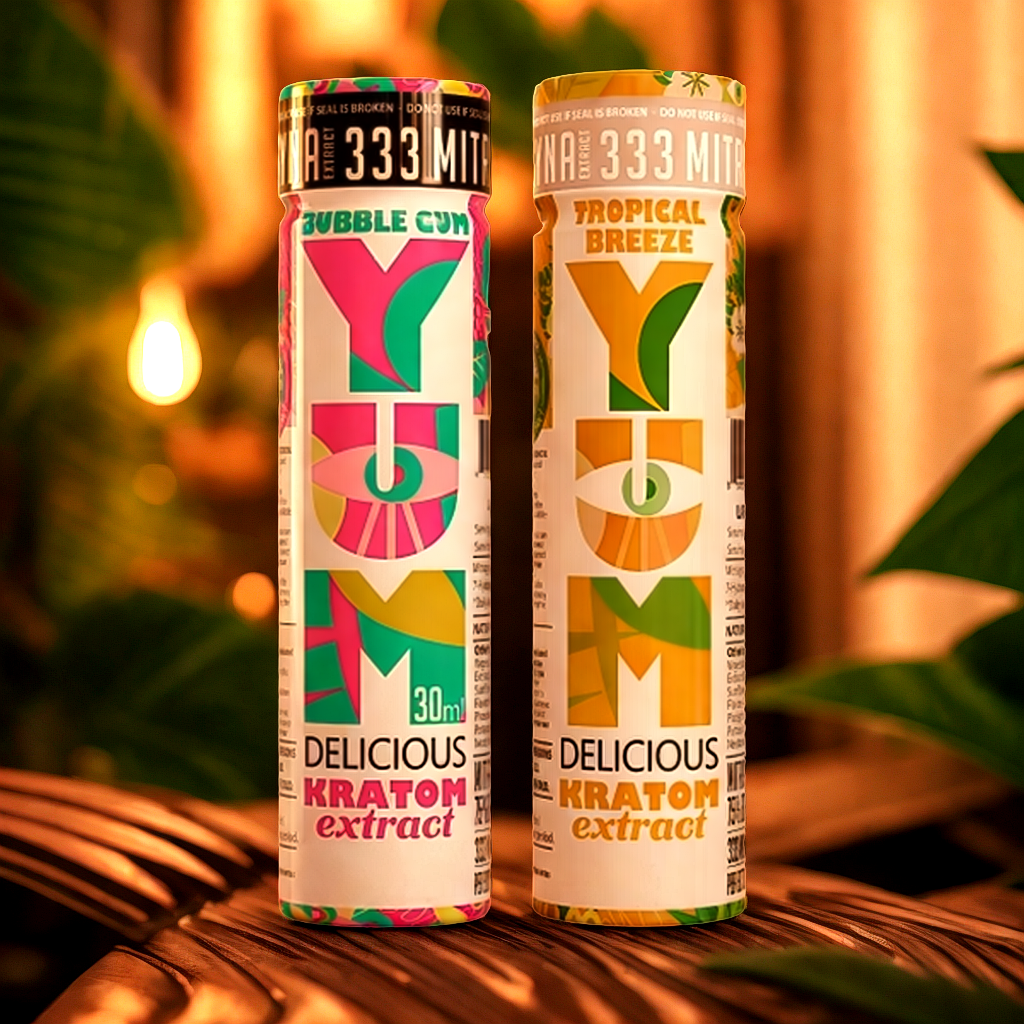
YUM’s approach involves working with actual flavorologists to develop extract shots that people genuinely don’t mind drinking. The goal isn’t to make kratom taste like candy. It’s to create a balanced profile where the botanical nature of the product comes through without making you grimace. When you’re looking at lab-tested products, taste formulation is one of the markers that separates serious brands from bulk repackagers.
Finding Your Format: A Practical Decision Framework
The right format for you depends on more than just taste sensitivity. Here’s how to think through the decision:
Choose Raw Powder If:
- Budget is your primary concern
- You’re willing to experiment with mixing methods
- You don’t mind the taste or can power through it
- You want maximum control over serving size
- You’re comfortable with preparation time
Choose Capsules If:
- You absolutely cannot handle bitter tastes
- You don’t mind swallowing multiple pills
- Slower onset (thirty to forty-five minutes) works for your schedule
- Discretion matters (capsules look like any supplement)
- You want zero preparation hassle
Choose Traditional Tea If:
- You enjoy preparation rituals
- You have time to steep and strain
- Diluted taste is more manageable for you
- You like warm beverages
- You want to add sweeteners or flavors to customize
Choose Extract Shots If:
- Convenience and speed matter most
- You want fast onset (twenty to thirty minutes)
- You’re willing to pay more for a better experience
- Portability is important
- You want a quality-controlled, consistent serving each time
For people specifically concerned about taste, extract shots from brands that prioritize palatability offer the best balance. You’re drinking a small amount quickly, and if the formulation is good, you’re not dreading the experience. Check out our frequently asked questions for more guidance on choosing formats.
Your First Sip: What to Realistically Expect
Let’s say you’ve decided to try a quality extract shot. Here’s exactly what the experience typically involves:
Opening and pouring: You’ll notice the liquid has a slightly herbal smell. Not overwhelming, but present. The color is usually dark, like a concentrated tea or herbal tincture.
The taste: With a well-formulated shot, you’ll detect some botanical notes and possibly a slight tartness or tanginess depending on the flavor profile. It won’t taste like fruit juice. It will taste like what it is, a concentrated plant extract. But with good formulation, it’s not something you’ll dread.
The texture: Should be smooth and liquid, not gritty or thick. If an extract shot has sediment or a sludgy consistency, that’s a quality red flag.
The aftertaste: With quality products, this should fade within a few minutes. You might want to drink some water or eat a small snack, but you shouldn’t be dealing with lingering bitterness for half an hour.
The timeline: Effects typically begin within twenty to thirty minutes and can last three to four hours. Our guide on what kratom actually feels like covers the experience timeline in detail.
Critical note for first-timers: Start with one capful or the smallest suggested serving. This is a less-is-more situation. Taking more doesn’t necessarily mean better, and starting small lets you understand how your body responds. If you have any medical conditions, talk to your healthcare provider first. And this should go without saying, but kratom products are for adults 21 and over only.
Frequently Asked Questions
Does kratom taste like coffee since they’re in the same plant family?
Not really. While kratom (Mitragyna speciosa) and coffee (Coffea) are both in the Rubiaceae family, their taste profiles are completely different. Kratom is much more bitter and earthy, lacking the roasted, aromatic qualities of coffee. The family connection is more about plant classification than flavor similarity. Think of it like how grapes and poison ivy are technically related. Family trees don’t determine taste.
Can I mix kratom powder into food or drinks to hide the taste?
You can try, but results vary. Mixing into acidic juices like orange or grapefruit juice is popular because the acidity can help mask bitterness. Some people blend powder into smoothies with strong flavors like chocolate or peanut butter. The challenge is that kratom’s bitterness is potent, and it can overpower lighter flavors. You’ll likely still taste it unless you’re adding it to something equally strong-flavored. Mixing into food (like yogurt or applesauce) works for some people but creates a texture some find off-putting.
Why do some kratom shots taste way better than others?
Investment in formulation. Some brands simply put extract in liquid and call it done. Others work with food scientists and flavorologists to develop balanced taste profiles. The extraction method also matters. How the alkaloids are extracted, what they’re suspended in, and what complementary ingredients are added all affect the final taste. Price often (but not always) correlates with this effort. Very cheap shots usually taste very bad. Our kratom products are formulated with taste as a priority, not an afterthought.
Will I get used to the taste of kratom over time?
Many regular users report that the taste becomes less offensive over time. Your palate can adapt to bitter flavors with repeated exposure. However, “getting used to it” isn’t the same as “enjoying it.” Most people who stick with raw powder describe it as “tolerable” rather than “pleasant” even after months of use. If taste is a significant barrier for you, choosing a format that minimizes taste exposure from the start makes more sense than banking on adaptation that may or may not happen.
The Bottom Line on the Kratom Taste Experience
The sensory experience of consuming kratom has been an afterthought in this industry for too long. Most products are made without any consideration for whether the person buying them will actually want to consume them more than once.
Your hesitation about taste isn’t a weakness or a superficial concern. It’s a practical consideration that affects whether you’ll actually use a product consistently. And consistency matters if you want to understand how something works for you.
The good news is that taste doesn’t have to be a barrier anymore. Quality extract shots from brands that invest in palatability have changed what the consumption experience can be. You don’t have to power through something terrible to see if kratom works for your goals.
For more context on what to look for in quality products, check out our guide on finding quality kratom shots.
Ready to experience kratom that actually tastes good? Try YUM’s balanced extract shot and taste the difference a real flavorologist makes. Start with one capful. Less is more.