
Kratom's Moment: Why This 150-Year-Old Plant Is Suddenly Everywhere in 2025 (And What That Actually Means)
 Ryan Okafor
Kratom’s Moment: Why This 150-Year-Old Plant Is Suddenly Everywhere in 2025 (And What That Actually Means)
Six months ago, you’d never heard of kratom. Now your coworker has a bottle on her desk. Your gym buddy mentioned it last week. You walked past a kava bar downtown that definitely wasn’t there in 2022, and the menu had kratom shots listed right next to the coffee.
You’re not imagining things. Something shifted.
This article isn’t another “what is kratom” explainer. You can find dozens of those (we’ve written a solid one ourselves). Instead, this is about the cultural “why now.” Why a plant that Southeast Asian cultures have used for over a century is suddenly hitting critical mass in American consciousness in the mid-2020s. What’s different about this particular moment that makes kratom resonate with so many people?
The answer reveals something interesting about where we are as a society right now.
You’ve Noticed—Kratom Is Suddenly Everywhere
Let’s acknowledge what you’re actually observing. Kava bars are multiplying in cities and suburbs alike. Kratom products now sit on convenience store shelves next to energy drinks. News coverage has increased. Friends who never mentioned botanicals before are suddenly talking about alkaloid profiles.

This isn’t a case of the Baader-Meinhof phenomenon where you just started noticing something that was always there. The kratom market has genuinely expanded over the past few years. Industry groups estimate millions of Americans now use kratom products, and that number keeps climbing.
But here’s the thing: kratom isn’t new. It’s been available in the U.S. for decades, mostly in head shops and through online vendors catering to niche communities. So the question isn’t “what is kratom?” The more interesting question is: what changed in American culture that suddenly made kratom make sense to mainstream adults?
The answer lies in several cultural forces that all converged at roughly the same time.
The Productivity Burnout That Coffee Can’t Fix Anymore
The pandemic rewired how Americans work. Remote work blurred the boundaries between professional and personal time. The “always-on” expectation intensified. Side hustles became normalized. Entrepreneurial hustle culture, already ascendant, went into overdrive.
And millions of people quietly burned out their relationship with caffeine.
Here’s what that looks like in practice: You start with one cup of coffee in the morning. Over years, it becomes two cups. Then three. Then you add an afternoon energy drink to avoid the 2 PM crash. Eventually you’re consuming enough caffeine to give a horse heart palpitations, and you still feel tired by noon. The jitters get worse. The crashes get harder. Sleep suffers, which makes you need more caffeine, which makes sleep worse.
Many people hit a wall where caffeine stopped being a solution and started being part of the problem. But the productivity demands didn’t go away. If anything, they intensified.
This created a specific kind of consumer: someone looking not for stronger stimulants, but for a different relationship with energy entirely. Something that might provide focus without the jitters. Motivation without the crash. A tool that works differently than the caffeinated hamster wheel they’ve been running on.

Kratom landed in this exact moment. People who’d exhausted their options with traditional stimulants started looking for alternatives. Some found adaptogens. Some tried nootropics. Some discovered kratom. And enough of them reported positive experiences that word spread.
The Sober-Curious Movement Reached Escape Velocity
Something significant happened to alcohol’s cultural status over the past decade. It’s not that drinking disappeared, but questioning drinking became socially acceptable in a way it wasn’t before.
Younger generations drink less than their predecessors. Many millennials have adopted “California sober” or simply cut back without adopting a label. “Dry January” expanded to “Dry-ish Year” for plenty of professionals. The wellness movement made people more conscious of what they put in their bodies, and alcohol started looking like an obvious target.
But here’s the thing about alcohol: it fills social functions that don’t disappear just because you decide to drink less. You still want something to hold at parties. You still want a ritual that marks the transition from work mode to relaxation mode. You still want the social lubrication that makes networking events bearable.
This created massive demand for alcohol alternatives that actually do something. Not just fancy sparkling water with a botanical garnish, but drinks that provide a noticeable effect without the hangover, the empty calories, or the regret.
Kratom emerged as one answer to this specific need. At social amounts, many people describe it as providing a gentle uplift that makes conversation flow easier without the cognitive impairment of alcohol. No hangover the next morning. No saying things you’ll cringe about later. No 2 AM drunk texts.
The sober-curious movement didn’t create kratom’s popularity, but it created the cultural conditions where a botanical alternative to alcohol made sense to a much larger audience than the niche enthusiasts who’d known about it for years.
The Great Pharmaceutical Trust Collapse
Let’s be careful here, because this isn’t an anti-medicine argument. Modern medicine saves lives. Prescription medications help millions of people function. If you have a medical condition, you should absolutely work with your healthcare provider.
But we’d be ignoring obvious cultural reality if we didn’t acknowledge that trust in pharmaceutical companies has taken significant hits over the past two decades. The opioid crisis made national headlines and permanently changed how many Americans view prescription pain medication. ADHD medication shortages and concerns about long-term stimulant use have made some adults reconsider their options. General wariness about dependency on any pharmaceutical has increased.
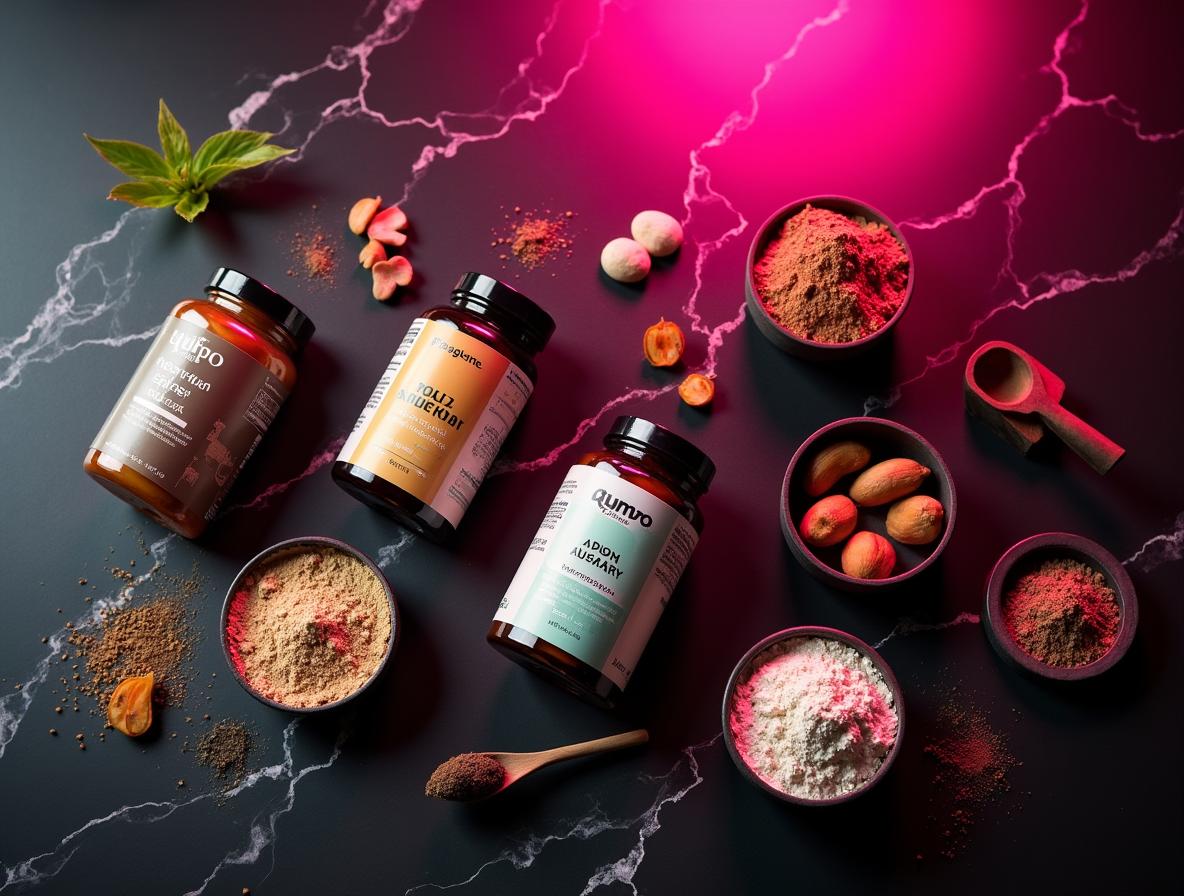
This shift created interest in tools that feel more controllable, more natural, more within individual autonomy. Botanicals, including kratom, appeal to people who want to feel like they’re making their own choices about their cognitive and energy states rather than relying entirely on prescription solutions.
To be clear: kratom is not a substitute for medical care. If you have a health condition, talk to your doctor. But understanding why people are drawn to botanical alternatives helps explain why kratom resonates with this particular cultural moment. It fits a narrative of personal control that appeals to people who feel burned by or skeptical of traditional pharmaceutical approaches.
From Gas Station Sketchy to Premium Lifestyle Brand
If you’d encountered kratom five or ten years ago, the context was probably very different from today. Gas station counters. Head shops with questionable lighting. Packaging that looked like it was designed in MS Paint. Products with names that seemed to promise things no botanical should promise.
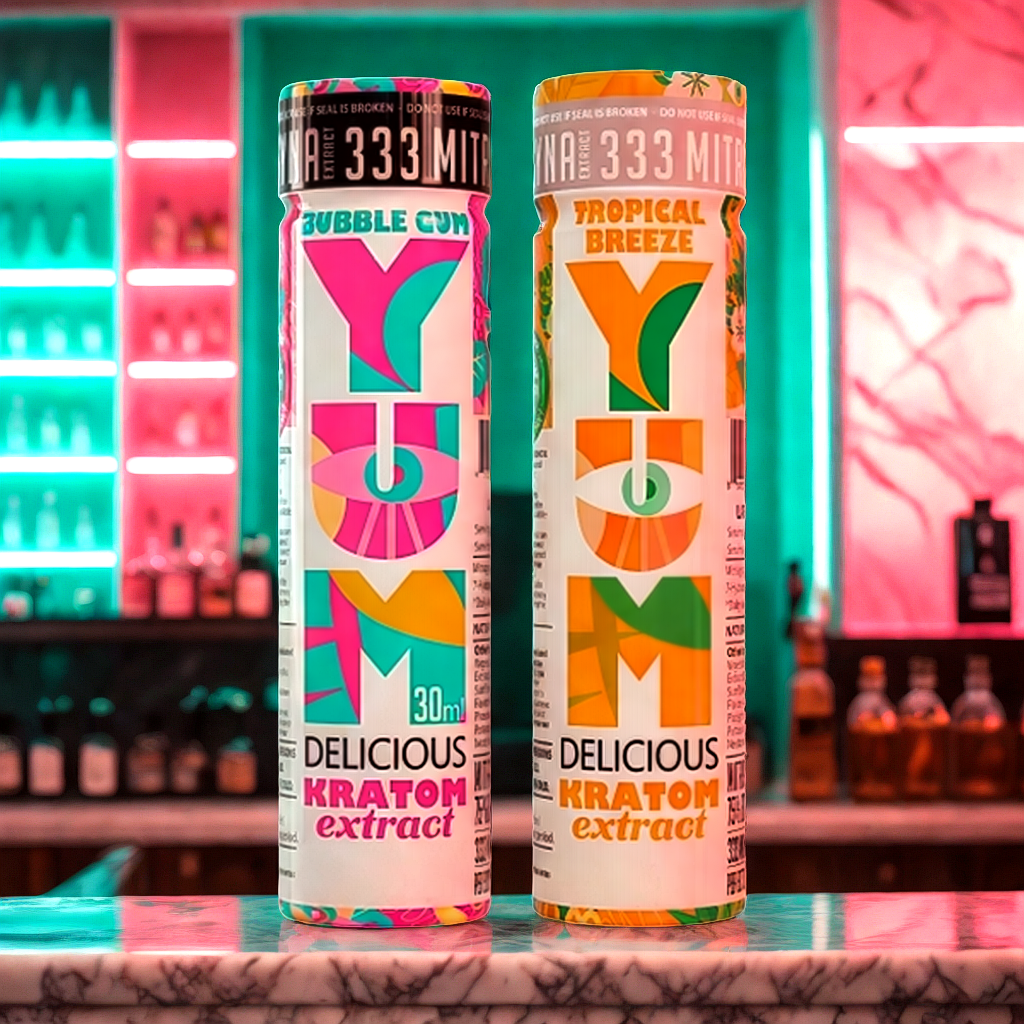
That version of kratom still exists. But it now shares the market with something very different: sleek kava bars with craft cocktail aesthetics. Premium brands with thoughtful design. Products that wouldn’t look out of place next to your adaptogenic coffee or functional mushroom supplements.
This mainstreaming follows a familiar pattern. Cannabis went through a similar transition from “sketchy dispensary” to “premium wellness brand.” CBD went from gas station impulse buy to ingredient in your expensive face cream. When a category matures, the quality and branding typically improve because more serious operators see opportunity.
For kratom, this has meant several developments. Third-party testing is now expected by informed consumers. Alkaloid profiles get discussed openly. Brands compete on transparency, taste, and experience quality rather than just claiming the strongest product at the lowest price.
The visual and cultural repositioning matters because it signals mainstream acceptance. When kratom looks like a premium product rather than a sketchy supplement, it becomes accessible to people who would never have walked into a head shop. It enters the same lifestyle category as your cold brew concentrate and your lion’s mane capsules.
Understanding Kratom in the 2025 Functional Beverage Landscape
Kratom didn’t emerge into a vacuum. It arrived alongside a whole constellation of functional botanicals that Americans discovered (or rediscovered) in recent years. Understanding where kratom fits helps make sense of why it appeals to certain people.
Adaptogens like ashwagandha and rhodiola became mainstream wellness ingredients, promising stress resilience and steady energy. They work slowly, building effects over weeks of consistent use.
Functional mushrooms like lion’s mane and cordyceps entered the conversation, promising cognitive support and natural energy. They tend to be subtle, working in the background.
Kava gained popularity as a social alternative to alcohol, providing relaxation without impairment. Many kava bars now serve both kava and kratom because the customer overlap is significant.
Nootropics attracted the biohacker crowd, promising cognitive enhancement through various compounds both natural and synthetic.
Kratom is different from all of these. Its active alkaloids interact with the body in ways that produce more noticeable, more immediate effects than most adaptogens or functional mushrooms. It’s not subtle. You feel it. This appeals to people who tried adaptogens and thought “okay, but is this actually doing anything?”
At the same time, kratom’s effects are dose-dependent in interesting ways. Smaller amounts tend to feel more energizing. Larger amounts tend to feel more relaxing. This gives users some ability to dial in their experience based on what they need at that moment.
For people building what’s sometimes called a “functional wellness stack,” kratom often becomes one tool among several. Coffee for baseline alertness. Adaptogens for long-term stress resilience. Kratom for specific occasions when you want clean energy without jitters, or social ease without alcohol.
The Honest Reality Check: What the Cultural Moment Doesn’t Tell You
Cultural momentum can create its own blind spots. When something becomes popular, there’s a tendency to overlook the nuances. So let’s be direct about what the kratom enthusiasm sometimes glosses over.
Kratom isn’t a magic solution. It’s a plant with active compounds that affect your body. It works well for some people, provides modest effects for others, and doesn’t suit everyone. If you try it expecting a life-changing revelation, you may be disappointed.
Quality varies wildly. The lack of federal regulation means the gas station product and the premium extract might contain very different things. Learning to identify quality matters.
Dependence is possible with regular use. Kratom’s alkaloids interact with receptors in ways that can create tolerance and withdrawal if you use it daily for extended periods. The smart approach is occasional use with regular breaks. Less is more, literally.
It’s not for everyone. People with certain health conditions should avoid it. Anyone taking medications should consult a healthcare provider first. Pregnant or nursing individuals should not use kratom. Adults under 21 should not use kratom.
Legal status varies by state. While kratom is legal at the federal level, some states and municipalities have restrictions. Know your local laws.
If you’re considering kratom, start with small amounts. See how your body responds. Don’t chase effects by increasing amounts too quickly. Treat it as an occasional tool, not a daily necessity. Be honest with yourself about your use patterns.
Making an Informed Decision in a Polarized Information Environment
Here’s the awkward reality: if you try to research kratom, you’ll find completely contradictory information from seemingly credible sources.
Medical institutions issue warnings. The FDA has been vocally opposed. Health departments publish cautionary advisories. If you only read those sources, you’d conclude kratom is dangerous and should be avoided entirely.
Meanwhile, millions of people report positive experiences. Reddit communities share detailed information about effects, sourcing, and responsible use. Kava bars are packed with apparently functional adults enjoying kratom products. If you only listened to users, you’d conclude the warnings are overblown.
Neither camp is lying. Both are reporting their perspectives accurately. The truth is that kratom is genuinely controversial, and the information landscape reflects that controversy.
So how do you make an informed decision? A few principles:
- Consult your healthcare provider if you have any health conditions or take any medications. This isn’t just legal boilerplate. Kratom has real interactions that matter.
- Start small if you decide to try it. You can always take more another time. You can’t take less once you’ve consumed it.
- Choose quality products from brands that provide third-party testing and transparency about what’s in their products.
- Be honest with yourself about your use patterns. If you notice yourself using kratom more frequently than you intended, or needing more to feel the same effects, that’s a signal to take a break.
- Read both the warnings and the user experiences. Neither tells the complete story, but together they give you a more complete picture.
Why This Cultural Moment Matters
Kratom’s rise tells us something about where we are as a culture. We’re burned out on caffeine but still need to perform. We’re questioning alcohol but still want social rituals. We’re wary of pharmaceuticals but still want tools to feel better. We’re seeking autonomy over our own states while also craving community and shared experiences.
Kratom fits into all of these currents. That’s why it went from niche to mainstream seemingly overnight. It’s not that the plant changed. It’s that we changed, and kratom suddenly made sense in ways it hadn’t before.
Whether this moment lasts depends on many factors: regulatory developments, quality standardization, how the industry handles inevitable bad actors, and whether the user community maintains realistic expectations.
For now, kratom occupies an interesting cultural position. It’s mainstream enough that your coworker might have a bottle on her desk, but controversial enough that you might still hesitate to mention it to your doctor. It’s premium enough to appear in sleek kava bars, but still available in sketchy gas stations. It’s generating scientific interest, but lacks the kind of robust clinical trials that would settle debates definitively.
That ambiguity is part of the current moment. If you’re trying to understand kratom, understanding that ambiguity is part of understanding what you’re dealing with.
Frequently Asked Questions
Why is kratom suddenly popular when it’s been around for over a century?
Kratom didn’t become popular because it changed. American culture changed in ways that made kratom suddenly relevant. The convergence of caffeine burnout, sober-curious momentum, pharmaceutical skepticism, and the mainstreaming of functional botanicals created conditions where kratom made sense to a much wider audience. The plant that niche communities knew about for decades became the answer to questions mainstream Americans started asking in the 2020s.
Is kratom part of the sober-curious movement?
Kratom has become one option within the broader sober-curious ecosystem, though it didn’t originate there. Many people exploring alcohol alternatives encounter kratom alongside kava, functional mushrooms, and other botanicals. The appeal is similar: something that provides a noticeable social experience without the impairment, calories, and hangover of alcohol. But kratom also has uses outside social contexts (like focus and energy) that extend beyond the sober-curious use case.
How do I know if kratom is legal in my state?
Kratom is legal at the federal level in the United States, but several states and municipalities have passed their own restrictions or bans. As of 2025, states with bans or significant restrictions include Alabama, Arkansas, Indiana, Rhode Island, Vermont, and Wisconsin. Some states have passed the Kratom Consumer Protection Act, which regulates quality rather than banning outright. Always check current laws for your specific location, as regulations continue to evolve.
What’s the difference between gas station kratom and premium kratom products?
The differences can be substantial. Premium products typically offer third-party lab testing that verifies alkaloid content and screens for contaminants. They provide transparency about sourcing and extraction methods. They’re formulated with balanced alkaloid profiles rather than maximizing a single compound. And frankly, they taste better because the manufacturers invested in making the experience enjoyable rather than just tolerable. Gas station products often lack testing, may contain inconsistent or unknown alkaloid levels, and sometimes include adulterants. The price difference usually reflects genuine quality differences.
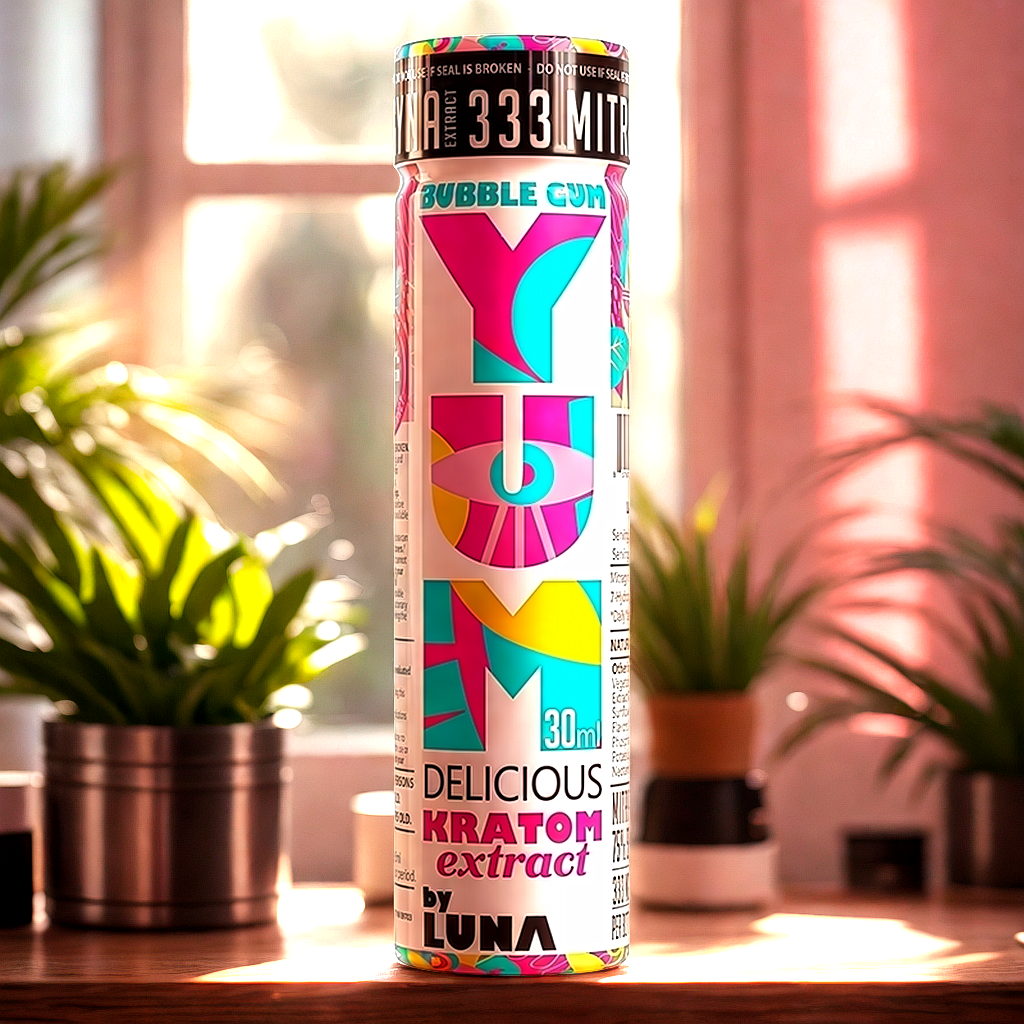
For those who’ve done their research and want to experience what a quality kratom extract actually tastes and feels like, YUM was built for exactly this moment. Balanced alkaloid profile, actually drinkable, no next-day regret. Start with one capful and see what the conversation is actually about.