
Kratom Timing Decoded: When Your Body Clock Says 'Go' and When It Says 'Wait'
 Jess Morales
Kratom Timing Decoded: When Your Body Clock Says ‘Go’ and When It Says ‘Wait’
You’ve optimized your coffee intake down to the minute. You know that drinking it before 10am wastes the caffeine because your cortisol is already doing the work. You’ve probably experimented with meal timing around workouts, maybe even tried the whole “don’t eat within three hours of sleep” thing.
But if you’ve recently discovered kratom (or you’re considering it), you’re probably treating timing as an afterthought. Most people do. They grab a shot whenever it’s convenient and then wonder why the experience feels inconsistent.
Here’s what nobody talks about: timing might matter more with kratom than with most things in your cabinet.
If you’re new to this botanical and want the basics first, check out our no-BS guide to what kratom actually is. But if you already get the fundamentals and want to understand WHEN this stuff works best with your body’s natural rhythms, keep reading.
Why Timing Matters More Than Most People Realize
Think about how differently your morning coffee hits versus an afternoon espresso. Same substance, same amount, completely different experience. Your body isn’t a static machine. It’s a dynamic system that responds differently to inputs depending on what else is happening internally.
This is chronobiology in action. And it applies to everything you put in your body: food, caffeine, supplements, and yes, botanical extracts like kratom.
Most underwhelming first kratom experiences come down to one of three things:
- Wrong dose (usually too much, not too little)
- Garbage product quality
- Bad timing
The first two get all the attention. Forums are filled with dosing debates and quality discussions. But timing? Rarely mentioned. Which is strange, because it’s the easiest variable to control and experiment with.
Here’s the practical reality: the same serving of kratom taken at 7am, 2pm, and 8pm will produce noticeably different experiences for most people. Not because the kratom changed, but because your body’s internal state changed.
Your Body’s Energy Architecture: A 60-Second Primer
You don’t need a biology degree to understand this. Three concepts matter:
Cortisol Awakening Response (CAR): When you wake up, your body floods itself with cortisol. This isn’t stress in the bad sense. It’s your built-in “get up and function” signal. Cortisol peaks roughly 30-45 minutes after waking, then gradually declines throughout the day. This is why you feel naturally alert in the morning without any external help (assuming you slept decently).
Ultradian Rhythms: Throughout the day, your energy and focus move in roughly 90-120 minute cycles. You’ve felt this. That wave of sharp focus followed by mental fatigue, then another wave. These cycles are real, and they affect how you respond to anything you consume.
The Afternoon Dip: Somewhere between 1pm and 4pm (varies by person), most people experience a natural energy trough. This isn’t laziness. It’s circadian biology. Your body temperature drops slightly, alertness dips, and the pull toward a nap gets real. Most people fight this with more caffeine. Some people are starting to fight it with kratom instead.
Understanding these patterns helps you predict (roughly) when kratom will complement your natural state versus when it might feel off.
The Morning Window: What Kratom Does When Cortisol Is Already High
Let’s talk about morning use, since that’s when most performance-focused people reach for their tools.

Early Morning (Within 2 Hours of Waking)
Your cortisol is already elevated. You’re naturally primed for alertness. Many users report that taking kratom during this window feels “stacked” on top of their natural energy. For some, this is exactly what they want. For others, it feels like overkill.
The coffee question comes up constantly: Can I take kratom with my coffee?
Honest answer: many people do, with no issues. But if you’re sensitive to stimulants or new to kratom, this combination adds variables that make it harder to understand how kratom alone affects you. My suggestion for first-timers: pick one. Learn how kratom feels on its own before you start stacking.
If you want to understand how kratom compares to coffee and other energy tools, this comparison breakdown covers it in detail.
Mid-Morning (2-4 Hours After Waking)
This is where many experienced users land. Your cortisol has started its decline from the morning peak, but you’re still in a naturally alert state. Kratom during this window often feels like clean, sustained energy rather than a jolt.
For deep work sessions, this timing makes sense. You’re past the chaotic morning startup, settled into your day, and the kratom can support a focused 3-4 hour work block without fighting against your body’s natural state.
Start with one capful if you’re trying this timing for the first time. You can always adjust in future sessions, but you can’t un-take a dose.
The Afternoon Reset: Why 2-4pm Might Be the Sweet Spot for Many Users
Here’s where it gets interesting.
Most people hit an energy wall sometime in the early-to-mid afternoon. The standard response? Another coffee. The problem? Late afternoon caffeine can wreck your sleep, and then tomorrow’s afternoon slump is even worse. It’s a cycle.
Many kratom users report that the 2-4pm window works exceptionally well for them. Here’s the logic:
- Your natural energy is at a low point, so there’s a noticeable effect when you add something to the system
- There’s enough runway before bedtime that sleep disruption is less likely (though individual sensitivity varies)
- You’re typically past lunch, so the food-timing variables are more controlled
The experience many users describe during this window: a second wind that feels earned rather than artificial. Sustained focus for another 3-4 hours of productive work without the wired, jittery quality that late afternoon coffee creates.
If you’re someone who already experiences kratom benefits at different times of day, the afternoon window might be worth isolating and optimizing.
A note on expectations: kratom isn’t going to turn a mediocre afternoon into superhuman productivity. What it can do, for many people, is smooth out that circadian dip so you’re not fighting your biology for the last four hours of your workday.
Evening Considerations: When Kratom Makes Sense and When It Doesn’t
Evening kratom use is where you need to be honest with yourself about your goals and your sleep sensitivity.
Early Evening (5-7pm): Social Energy Window
Some users find this timing ideal for social occasions. Dinner with friends, networking events, dates. The experience often described: present, engaged, talkative without alcohol’s downsides.
If you’re exploring kratom as an alcohol alternative for social situations, this guide for the sober curious covers the territory well.
The key with early evening use is giving yourself enough buffer before sleep. For most people, 4-5 hours minimum. If you’re going to bed at 11pm, a 6pm kratom session is probably fine. A 9pm session? You’re gambling with your sleep.
Late Evening (After 8pm): Generally Not Recommended
I’ll be direct: late evening kratom use is a bad idea for most people, most of the time. Even if it doesn’t prevent you from falling asleep, it can affect sleep quality in ways you won’t immediately notice but will feel the next day.
There are exceptions. Night shift workers operate on completely different circadian schedules, and their “evening” is someone else’s morning. If that’s you, the night shift guide addresses timing for inverted schedules specifically.
For everyone else: the discipline here is recognizing that kratom is a tool for specific moments, not a constant companion. If you find yourself wanting it late at night, that’s worth examining.
Food, Hydration, and the Timing Variables Nobody Talks About
Timing isn’t just about the clock. It’s about the internal conditions when that clock time arrives.
Empty Stomach vs. Fed State
Most experienced users report faster onset and more pronounced effects on an empty stomach. The alkaloids don’t have to compete with food for absorption.
That said, “empty stomach” doesn’t mean fasted for 24 hours. It means 2-3 hours since your last significant meal. A light snack won’t dramatically change things, but a heavy lunch thirty minutes prior? That’s going to delay and potentially mute the experience.
Some people do prefer taking kratom with food because the gentler onset feels more manageable. Neither approach is wrong. But you should know which one you’re doing and be consistent while you’re figuring out your response.
Hydration Matters
Dehydration changes how your body processes almost everything. Kratom is no exception. If you’re running on three cups of coffee and minimal water, your experience will differ from when you’re well-hydrated.
Practical rule: drink a full glass of water with your kratom, and another over the following hour. This isn’t complicated, but it’s frequently ignored.
Sleep Quality from the Night Before
This one’s underrated. If you slept poorly, your cortisol rhythm is already disrupted, your baseline energy is lower, and your response to kratom will be different than on a well-rested day.
This doesn’t mean kratom won’t work when you’re tired. It might even feel more necessary. But recognize that you’re adding a variable that makes it harder to establish consistent expectations.
Building Your Personal Timing Protocol
Here’s how to actually figure out what works for you, rather than just guessing forever.
Step 1: Control Your Variables
For your first several experiences, control as much as possible:
- Same time of day
- Same relationship to meals (e.g., always 3 hours after breakfast)
- Same hydration state
- Similar sleep quality the night before
- One capful to start, always
This gives you a baseline. Once you know how kratom affects you under controlled conditions, you can start deliberately changing one variable at a time.
Step 2: Track What Actually Happens
You don’t need a spreadsheet (unless you’re that person, in which case, go for it). But make a mental note or quick phone note about:
- When you took it
- Last meal timing
- Onset time (when you first noticed effects)
- Peak experience (what it felt like at its strongest)
- Duration (how long until you felt baseline again)
- Any sleep impact if taken later in the day
Pattern recognition requires data. Without tracking, you’re just operating on vibes.
Step 3: Experiment Deliberately
Once you have a baseline, test one change at a time:
- Same dose, different time of day
- Same time, with food vs. without
- Same everything, but on a heavy training day vs. rest day
This systematic approach is how biohackers figure anything out. Random changes teach you nothing. Controlled experiments teach you everything.
For more detail on building your personal protocol, the practical field guide for kratom extract walks through this process step-by-step.
What This Means for First-Timers vs. Experienced Users
If You’re Trying Kratom for the First Time
Your priority is learning your baseline response. That means:
- Pick a low-stakes day (not before an important meeting or event)
- Choose mid-morning or early afternoon for your first experience
- Skip the coffee that day if possible, or at least space it several hours away
- Don’t be hungover, sleep-deprived, or dehydrated
- Start with one capful and wait at least 45 minutes before deciding anything
- Have nothing critical scheduled for the next 4-5 hours
Your first experience sets your expectations. Give yourself the best possible conditions so you actually learn what kratom does for you, rather than what kratom plus six other variables does.
For a complete walkthrough of what to expect during your first experience, this timeline from sip to four hours later covers it honestly.
If You’re an Experienced User Looking to Optimize
You already know kratom works for you. The question is whether you’re leaving results on the table through suboptimal timing.
Common optimizations that experienced users report:
- Shifting from “whenever convenient” to deliberate windows aligned with specific use cases
- Different timing strategies for different goals (deep work vs. social energy vs. physical activity)
- Using the afternoon window instead of stacking on morning caffeine
- Paying attention to the food timing variable that they’d been ignoring
The less-is-more philosophy applies to timing optimization too. You’re not trying to find more opportunities to use kratom. You’re trying to make the occasions you do use it more effective.
Frequently Asked Questions
Can I use kratom in the morning instead of coffee, or should I use both?
Either can work, but they’re different tools. Some people have completely replaced their morning coffee with kratom and prefer the sustained energy without the jitters. Others use both, spaced apart. If you’re experimenting, try kratom alone for at least a few sessions so you understand its effects without caffeine in the mix. Then you can make an informed decision about combining them.
How long before an important meeting or workout should I time my kratom?
Most users report feeling the effects within 20-45 minutes, with peak experience around 60-90 minutes after consumption. For a meeting or workout, 45-60 minutes beforehand puts you in that peak window. That said, individual response varies. Once you know your onset time from personal experience, you can dial this in precisely.
Will afternoon kratom affect my sleep if I’m sensitive to stimulants?
It depends on how sensitive you are and how late “afternoon” we’re talking. If late afternoon caffeine ruins your sleep, give kratom the same respect and create a buffer of at least 5-6 hours before bedtime. If you tolerate afternoon caffeine fine, kratom in the 2-4pm window is unlikely to cause issues for most people. Start conservative and adjust based on actual sleep quality, not assumptions.
Does eating before or after kratom change how long it takes to feel effects?
Yes. Food in your stomach slows absorption, which delays onset and can reduce the intensity of peak effects. Most users prefer taking kratom on an empty or near-empty stomach for faster, more predictable onset. That said, some people find the gentler curve of taking it with food preferable. Experiment and track your results.
Ready to Find Your Optimal Window?
Timing optimization is one of those things that sounds complicated but actually just requires paying attention and being systematic. You probably already have decent intuitions about when you feel sharp versus sluggish. Now it’s about aligning kratom use with those natural rhythms rather than fighting against them.
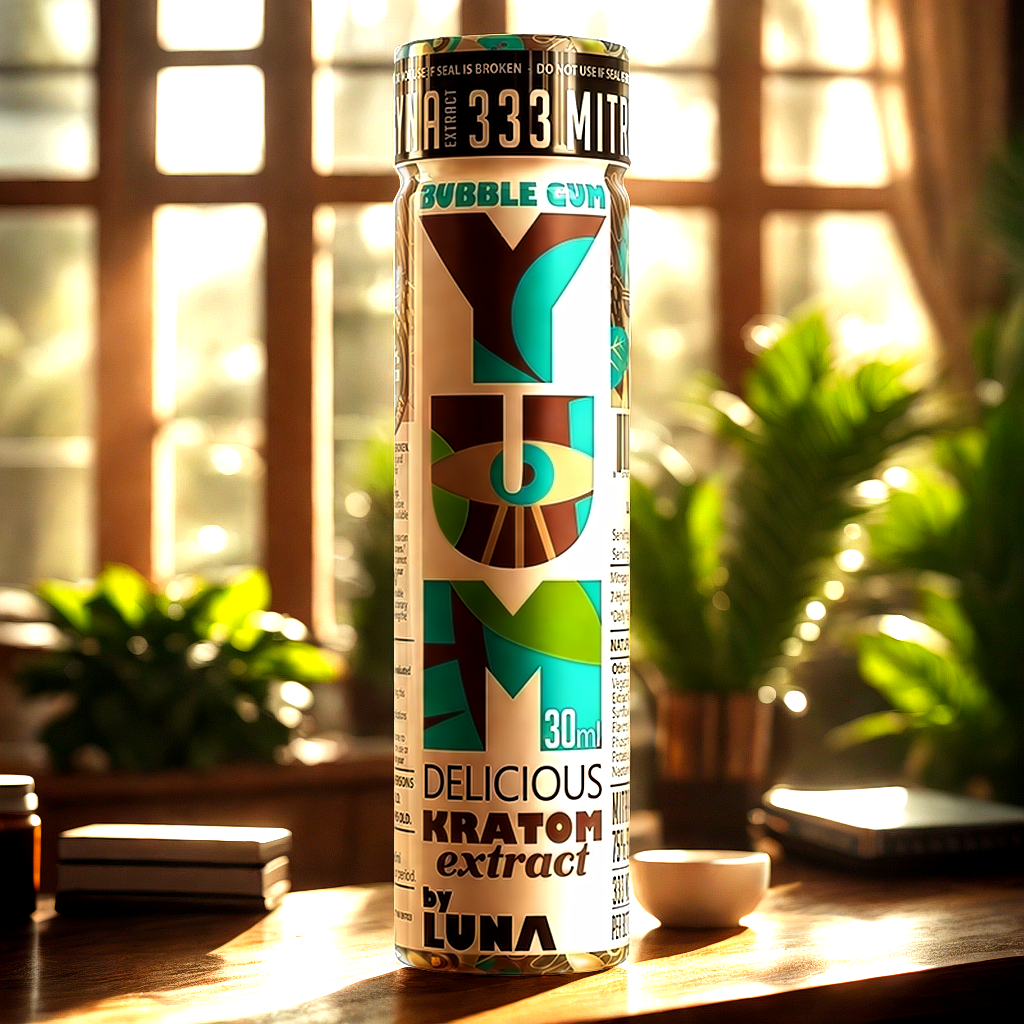
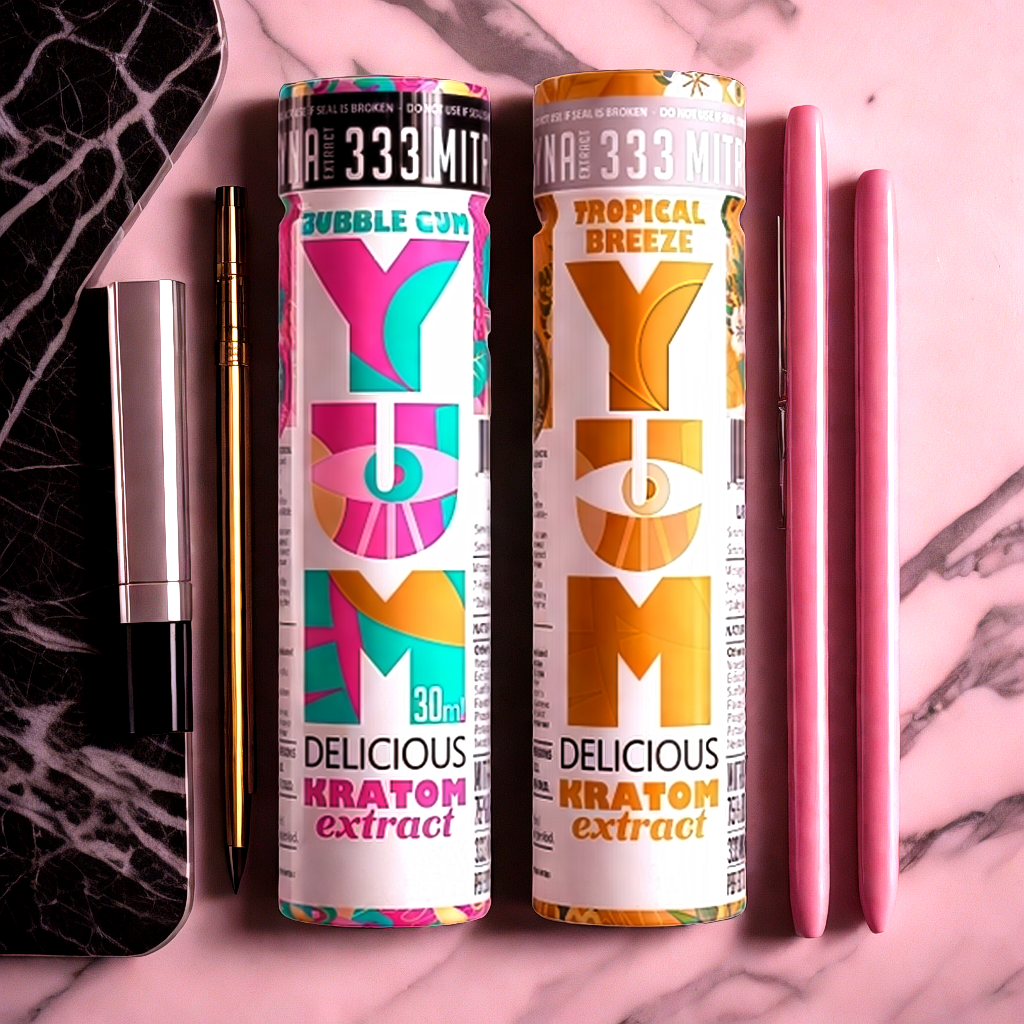
YUM’s balanced extract is designed for the kind of clean, sustained experience that makes timing optimization worthwhile. When you’re working with a lab-tested, quality product, you remove the biggest variable and can actually learn what timing works for your body.
Start with one capful, pick your window deliberately, and pay attention to what happens. That’s the whole protocol. Less is more, both in serving size and in how often you reach for it.
Check out our kratom products when you’re ready to start experimenting with timing. And remember: this is about optimization, not maximization. The goal is finding the moments where kratom genuinely adds value to your day, not creating new moments to fill.
This guide is for adults 21 and older. If you have medical conditions or take medications, consult your healthcare provider before trying kratom. Everyone’s response is individual, so what works for others may not work identically for you.