
Kratom Terminology Decoded: The Plain-English Dictionary for People Tired of Feeling Lost in the Research Rabbit Hole
 Ryan Okafor
Kratom Terminology Decoded: The Plain-English Dictionary for People Tired of Feeling Lost in the Research Rabbit Hole
You started with a simple question: what is kratom? Thirty minutes later, you’re drowning in terms like “mitragynine,” “7-hydroxymitragynine,” “full-spectrum alkaloid profile,” and “water-based extraction.” Every website assumes you already know what these mean. The medical sites throw clinical jargon at you. The product pages use marketing buzzwords that could mean anything. Reddit threads argue about ratios you’ve never heard of.
Here’s the thing: that confusion isn’t accidental. Some parts of the kratom industry benefit from keeping consumers bewildered. When you don’t understand the terminology, you can’t tell the difference between quality products and garbage. You can’t evaluate claims. You end up buying based on price or packaging instead of what actually matters.
This guide exists to change that. Consider it your decoder ring for kratom research. We’re going to break down every term you’ll encounter, explain why each one matters for your purchasing decisions, and give you the vocabulary to finally understand what you’re reading. No chemistry degree required.
The Plant Basics: Terms You’ll See Everywhere
Let’s start with the foundation. These are terms that show up constantly, and understanding them gives you context for everything else.
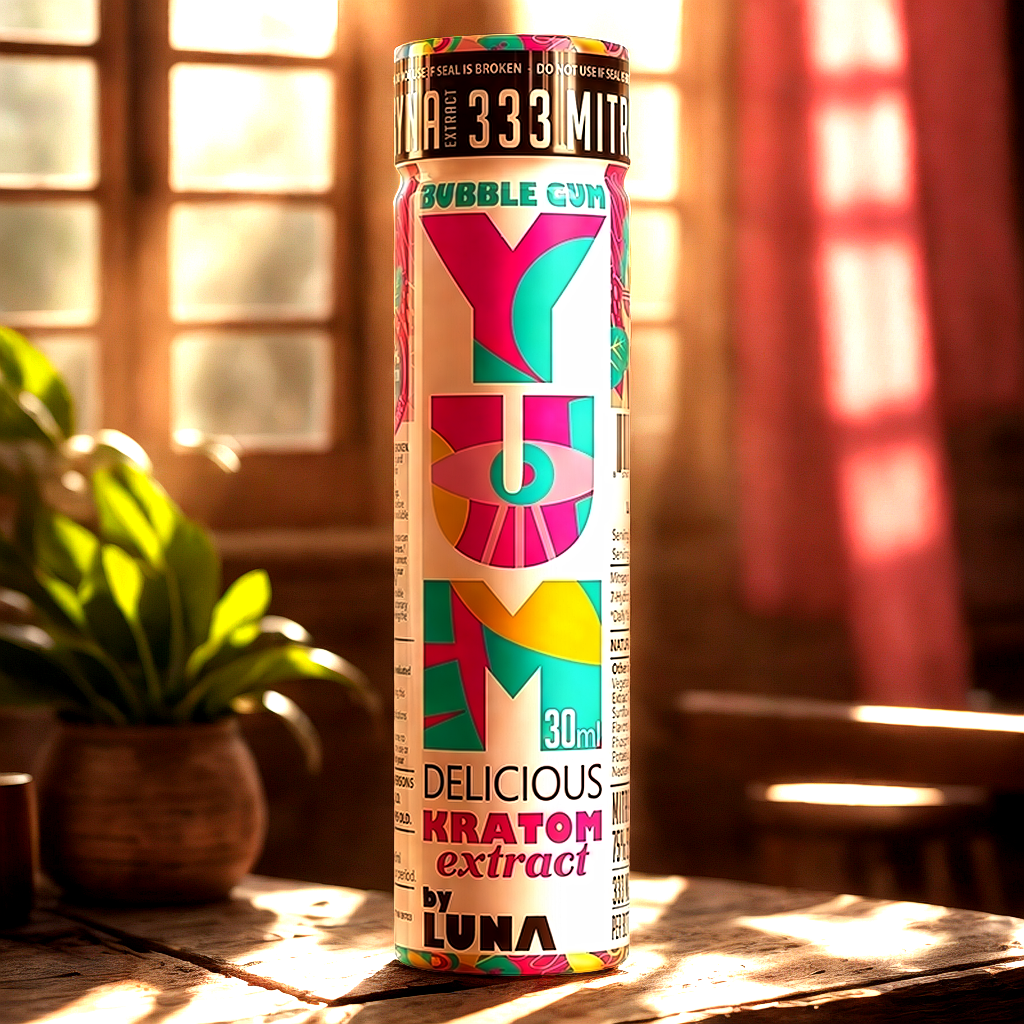
Mitragyna speciosa — This is kratom’s scientific name. “Mitragyna” is the genus, “speciosa” is the species. You’ll see this on product labels and in research papers. It’s just the formal way of saying “kratom plant.” When a product lists “Mitragyna speciosa leaf extract,” they’re telling you the source material.
Kratom leaf — The actual plant material. Kratom is a tropical evergreen tree native to Southeast Asia (Thailand, Indonesia, Malaysia, Myanmar, Papua New Guinea). The leaves contain the active compounds everyone cares about. Traditional use in these regions goes back centuries, where workers would chew fresh leaves for energy during long labor days.
Alkaloids — This is where things get interesting. Alkaloids are naturally occurring compounds found in plants that produce effects when consumed. Caffeine is an alkaloid. Nicotine is an alkaloid. Kratom contains over 40 different alkaloids, but two matter most: mitragynine and 7-hydroxymitragynine. When someone talks about “alkaloid content” or “alkaloid profile,” they’re referring to these active compounds.
If you want a deeper dive into the plant itself and how it works, our guide on the complete science behind kratom covers the biology in detail.
Southeast Asian origin — Not just geography trivia. Where kratom grows affects its alkaloid content. Climate, soil, harvesting time, and drying methods all influence the final product. This is why “source” matters when evaluating quality. Premium kratom typically comes from mature trees in Indonesia or Thailand, where growing conditions are optimal.
Alkaloid Alphabet Soup: Mitragynine, 7-OH, and What “Balanced” Actually Means
This section is where most people get lost. Let’s fix that.
Mitragynine — The primary alkaloid in kratom, typically making up the largest percentage of total alkaloid content in raw leaf. This is the compound most associated with focus, energy, and alertness at lower amounts. When people describe kratom as providing “clean energy,” they’re largely talking about mitragynine’s effects.
7-hydroxymitragynine (7-OH) — The second most discussed alkaloid, though it occurs naturally in much smaller concentrations than mitragynine. This compound is associated with more sedating effects, particularly at higher concentrations. It’s more potent by weight than mitragynine, which is why even small amounts influence the overall experience.
Here’s where it gets important for shopping: the ratio between these alkaloids determines what you’ll actually feel.
A product heavy in 7-OH relative to mitragynine will feel heavier, foggier, more sedating. A product with balanced or mitragynine-dominant ratios tends toward that “clean energy” experience without the sluggish feeling.
Balanced alkaloid profile — This term describes products where the natural ratios of alkaloids are preserved or intentionally maintained, rather than artificially boosting one compound. When we talk about why balance matters for kratom energy, this is the core concept. Balance isn’t about having less; it’s about having the right proportions for the experience you want.

Full-spectrum — A product containing the complete range of naturally occurring alkaloids, not just isolated compounds. This matters because kratom’s effects come from how multiple alkaloids work together, not just one or two in isolation.
Isolate — The opposite of full-spectrum. An isolated compound extracted and separated from the others. Some products use mitragynine isolate or 7-OH isolate. This changes the experience significantly because you’re missing the supporting compounds that exist in the whole plant.
Product Format Decoder: Extract vs. Powder vs. Capsules vs. Shots
Same plant, very different experiences. Understanding formats helps you choose what actually fits your life.
Kratom powder — Ground-up kratom leaves. The most traditional format. You get the whole leaf material, including plant fiber. Typically measured in grams. Effects take longer to onset (30-45 minutes) because your body has to process all that plant material. Taste is notoriously bitter and difficult for most people. Requires measuring, mixing, and cleaning up. Cost-effective per serving but inconvenient.
Kratom capsules — The same powder, just packed into capsules. Solves the taste problem but adds onset time because the capsule has to dissolve first. Limited dosing flexibility since you’re stuck with whatever amount each capsule contains. Convenient for travel. More expensive per serving than loose powder.
Kratom extract — Concentrated kratom where the alkaloids have been separated from the bulk plant material. Here’s the key distinction: extract means concentrated. The process removes fiber and other non-active compounds, leaving you with a more potent product per volume. Extracts can be liquid or solid (powder or resin).
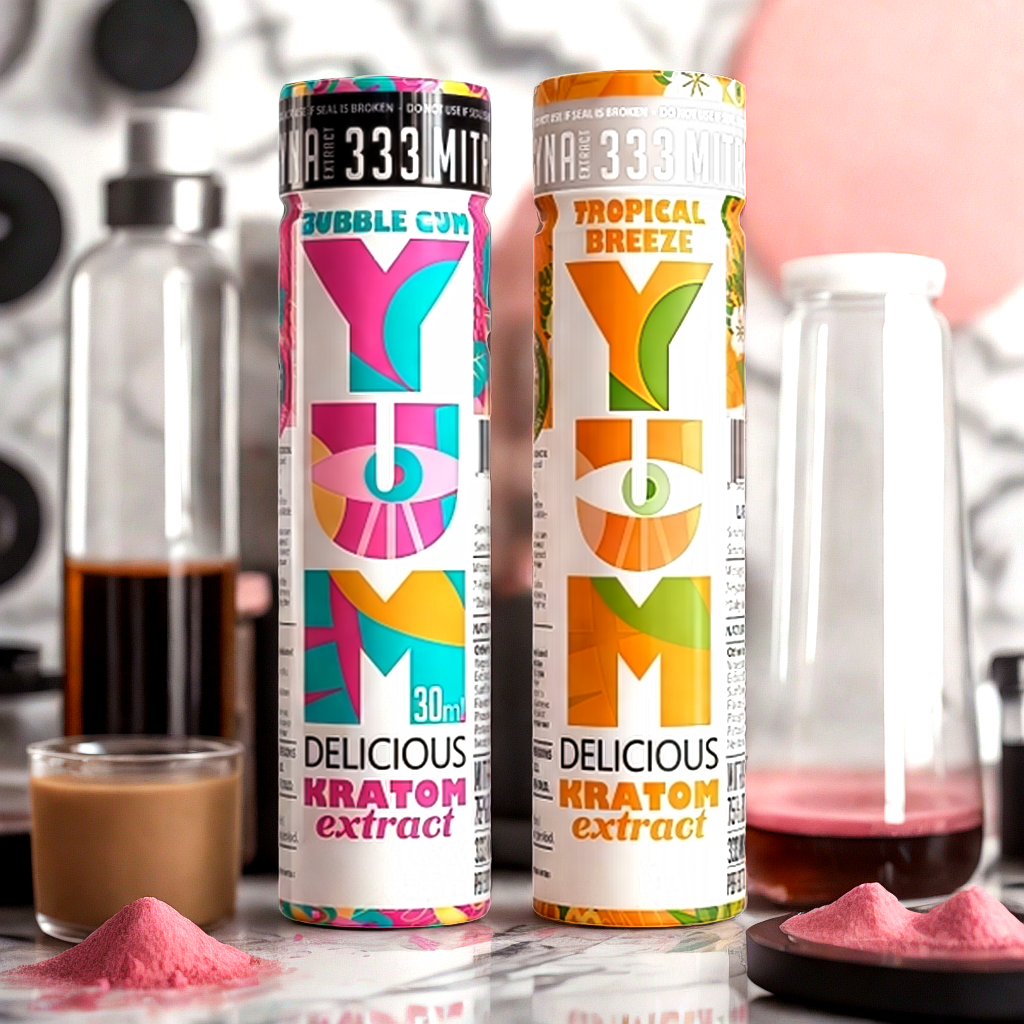
Kratom shots — Liquid kratom extracts in ready-to-drink format. Fastest onset time (typically 15-20 minutes) because liquid absorbs quickly. Most consistent dosing since you’re drinking a pre-measured amount. Our kratom shots buyer’s guide covers what separates quality shots from the cheap stuff.
The practical differences:
- Onset time: Shots (15-20 min) → Powder (30-45 min) → Capsules (45-60 min)
- Consistency: Shots (most consistent) → Capsules (consistent) → Powder (variable)
- Convenience: Shots and capsules win; powder requires prep
- Taste: Quality shots can actually taste good; powder and cheap extracts taste like dirt
- Cost per serving: Powder is cheapest, but factor in the experience cost
Quality Markers: COA, Third-Party Testing, and Red Flags to Watch For
This is where informed consumers separate themselves from people who just grab whatever’s cheapest.
Certificate of Analysis (COA) — A document from a laboratory showing what’s actually in a product. A legitimate COA includes: alkaloid content measurements, contaminant testing (heavy metals, pathogens, pesticides), the specific batch tested, and the lab that performed the testing. This is your proof that a company knows what they’re selling.
Third-party testing — Testing performed by an independent laboratory, not the company selling the product. This matters because a company testing its own products has obvious bias. Third-party testing means an outside lab verified the results. You can verify our commitment to this at our lab results page.
Batch testing — Testing each production batch, not just a sample from months ago. Kratom is an agricultural product with natural variation. A COA from last year tells you nothing about what’s in the bottle you’re buying today.
Red flags that should make you walk away:
- No lab results available (or “available upon request” that never materializes)
- Vague labeling without specific alkaloid content
- Prices that seem impossibly low (quality testing and sourcing cost money)
- Claims that sound too good to be true (“cures,” “treats,” medical claims)
- No clear company information or contact details
- COAs that don’t match the product batch you’re buying

GMP (Good Manufacturing Practice) — Standards for production facilities ensuring consistent quality and safety. GMP-compliant facilities follow protocols for cleanliness, contamination prevention, and quality control. Not all kratom producers operate in GMP facilities.
The “Strain” Situation: Do Colors and Names Actually Mean Anything?
Time for some honesty about one of kratom’s most confusing conventions.
Strain names (Red Bali, Green Maeng Da, White Borneo, etc.) — These names combine a color and usually a region. The color supposedly indicates the vein color of the leaf at harvest. The region indicates where it was grown. In theory, different combinations produce different effects.
Here’s the reality: the strain naming system is largely a marketing convention, not a scientific classification. Multiple studies have shown that products labeled with different strain names often have similar or indistinguishable alkaloid profiles. The color can refer to the leaf vein, but it can also refer to drying method, processing technique, or just whatever the vendor decided to call it.
This doesn’t mean all kratom products are identical. It means the strain label isn’t a reliable predictor of what you’ll experience.
What actually matters for predicting effects:
- The alkaloid profile (specifically the mitragynine to 7-OH ratio)
- The concentration/potency
- Whether it’s raw leaf, extract, or something enhanced
- Your individual body chemistry
For extracts specifically, strain names matter even less because the extraction process changes the alkaloid ratios anyway. What matters is the final product’s alkaloid balance, not what strain the source leaves were called.
If you’ve been chasing specific strains and getting inconsistent results, you’re not crazy. The system itself is inconsistent. Focus on finding products with verified alkaloid profiles from companies with real testing, rather than hunting for specific strain names.
Legal and Regulatory Terms You’ll Encounter
Kratom exists in a complicated legal gray area. Here’s the vocabulary you need to understand what you’re reading.
Schedule/Scheduling — The DEA’s classification system for controlled substances. Schedule I is the most restrictive (heroin, LSD). Kratom is currently not federally scheduled, meaning it’s not a controlled substance under federal law. However, individual states can and do create their own regulations.
DEA (Drug Enforcement Administration) — The federal agency that enforces controlled substance laws. In 2016, the DEA announced intent to schedule kratom but withdrew the notice after public backlash. Kratom remains on their “Drugs of Concern” list but isn’t scheduled.
FDA (Food and Drug Administration) — The agency overseeing food and supplement safety. The FDA has issued warning letters to kratom companies making illegal health claims and has expressed concerns about kratom. However, kratom products are legally sold as supplements or botanical products in most states.
State bans — Some states have banned kratom entirely: Alabama, Arkansas, Indiana, Rhode Island, Vermont, and Wisconsin as of this writing. Other states have partial restrictions or pending legislation. Always verify your state’s current status before purchasing.
KCPA (Kratom Consumer Protection Act) — Model legislation that some states have adopted to regulate (rather than ban) kratom. KCPA laws typically require age restrictions (21+), labeling standards, and prohibitions on adulterated products. States with KCPA laws include Arizona, Georgia, Nevada, Utah, and others. This framework represents the “regulate, don’t ban” approach.
FDA warning letters — Official communications from the FDA to companies making illegal claims. These often involve companies claiming kratom treats medical conditions. The presence of warning letters in the industry is why reputable companies are careful about their language.
Putting It Together: Reading a Kratom Product Label Like a Pro
Now let’s apply everything. Here’s how to evaluate a kratom product using the terminology you’ve learned.
Step 1: Check the basics
- Is the product clearly labeled as Mitragyna speciosa?
- Does it state the format (powder, extract, capsules)?
- Is there a clear serving size recommendation?
- Is there company contact information?
Step 2: Look for alkaloid information
- Does the label mention total alkaloid content?
- For extracts: is there information about mitragynine levels?
- Bonus: does it reference a balanced profile or provide ratio information?
Step 3: Verify quality claims
- Does the company offer COAs? Can you actually access them?
- Is testing third-party? Is the lab named?
- Are the COAs batch-specific and recent?
Step 4: Evaluate the claims being made
- Does the product make medical claims? (Red flag)
- Does the marketing seem honest or hyperbolic?
- Are effects described in experience-based language rather than health claims?
Step 5: Consider the format for your needs
- Do you need quick onset? (Shots or liquid extracts)
- Do you need portability? (Shots or capsules)
- Are you price-sensitive and okay with prep time? (Powder)
- Do you care about taste? (Quality shots vs. everything else)
The more of these boxes a product checks, the more confidence you can have in your purchase. The less information available, the more you’re gambling.
If you want a complete walkthrough of what to expect when you actually try kratom for the first time, our honest timeline guide breaks down the experience from start to finish.
Frequently Asked Questions
What’s the difference between kratom powder and kratom extract?
Powder is ground-up kratom leaves, including all the plant fiber. Extract is concentrated kratom where the alkaloids have been separated from the bulk material. Extract is more potent per volume because you’re getting the active compounds without the extra plant matter. Think of it like the difference between eating an orange and drinking orange juice concentrate. Same source, different concentration and experience.
What does “alkaloid content” mean on a kratom product label?
Alkaloid content tells you how much of the active compounds are in the product. For kratom, this primarily means mitragynine and 7-hydroxymitragynine. Higher alkaloid content generally means more potent effects per serving. However, total content matters less than the balance between different alkaloids. A product with moderate total alkaloids but good mitragynine-to-7-OH ratio often provides a better experience than a product with high total alkaloids but poor balance.
Why do some kratom products feel different than others?
Several factors: alkaloid ratios (the balance between mitragynine and 7-OH), total potency, format (extract vs. powder affects absorption), quality and freshness of source material, and your individual body chemistry. Products with more 7-OH relative to mitragynine feel heavier and more sedating. Products with balanced or mitragynine-dominant profiles feel cleaner and more energizing. Cheap products often have inconsistent profiles batch to batch.
How do I know if a kratom product has been third-party tested?
Look for COAs (Certificates of Analysis) on the company’s website. Legitimate third-party testing shows: the name of the independent lab, the specific batch tested, alkaloid content measurements, and contaminant screening results. If a company claims testing but won’t show you the actual COA, be skeptical. If the COA exists but doesn’t have a lab name, is very old, or doesn’t match the batch you’re buying, that’s also a concern. Companies serious about quality make this information readily available because it’s a competitive advantage.
Ready to Apply What You’ve Learned?
You now have the vocabulary to actually understand kratom research, evaluate products, and make informed decisions. No more feeling lost when someone mentions alkaloid ratios or extraction methods. No more buying blind because the marketing sounded good.
For answers to other questions you might have, check out our frequently asked questions page.
Ready to experience what a properly balanced kratom extract actually feels like? YUM was built for people who did the research and refused to settle for confusing products or terrible taste. Start with one capful and see why balance matters.
Products intended for adults 21+. If you have medical conditions or take medications, consult your healthcare provider before use.