
Kratom Terminology Decoded: The A-Z Reference Guide for Adults Who Keep Hitting Words They Don't Understand
 Ryan Okafor
Kratom Terminology Decoded: The A-Z Reference Guide for Adults Who Keep Hitting Words They Don’t Understand
You’ve read three articles about kratom already. You understand the basics. It’s a plant from Southeast Asia. People use it for energy and focus. Cool.
But then you start actually shopping for products, and suddenly you’re drowning in terminology that nobody bothered to explain. “Full-spectrum alkaloid profile.” “GMP-certified facility.” “2x vs 10x extract concentration.” “COA available upon request.”
You’re not stupid. You just haven’t learned this particular vocabulary yet.
This guide exists because every other kratom explainer assumes you either need the absolute basics or you’re already fluent in the language. There’s nothing for the person in the middle: someone who gets what kratom is but keeps hitting terms that make no sense.
Consider this your reference tool. Bookmark it. Come back when you’re reading a product label and something doesn’t click. It’s organized by category so you can find what you need fast.
The Alkaloid Terms: Understanding What’s Actually in the Plant
If you’ve done any kratom research, you’ve seen the word “alkaloid” approximately 47 times without anyone explaining what it actually means. Let’s fix that.
Alkaloid
A naturally occurring compound found in plants that affects the human body. Coffee has caffeine. Kratom has its own set of alkaloids. The complete science behind kratom comes down to these compounds and how they interact with your system.
Mitragynine
The primary alkaloid in kratom, making up the majority of the plant’s alkaloid content. This is the one most responsible for the energizing, focus-oriented effects people report. When someone talks about kratom’s “active compounds,” they’re mostly talking about this.

7-Hydroxymitragynine (7-OH)
The second most discussed alkaloid. Present in much smaller quantities than mitragynine, but notably more potent by weight. This one contributes to the calming, relaxing qualities some people experience. Important note: this compound occurs naturally in kratom leaves. Any product claiming to be “7-OH free” is either lying or has been processed in a way that strips out natural compounds.
Alkaloid Profile
The complete picture of which alkaloids are present in a product and in what ratios. Think of it like a nutritional label, but for alkaloids instead of vitamins. Two products can have the same total alkaloid content but completely different profiles, which means completely different experiences.
Alkaloid Balance
How the various alkaloids work together. A “balanced” profile typically means the ratio of mitragynine to 7-OH (and other minor alkaloids) creates a smooth, predictable experience rather than something lopsided. Quality brands focus on this balance rather than just cramming in the highest possible concentration of a single compound.
Full-Spectrum
A product that contains the complete range of naturally occurring alkaloids from the plant, not just isolated individual compounds. Full-spectrum products aim to preserve the plant’s natural chemistry rather than extracting only specific alkaloids. For a deeper look at why this matters, check out kratom energy explained: the alkaloid science behind clean focus.
Isolate
The opposite of full-spectrum. A product containing only one specific alkaloid that’s been extracted and concentrated. Some people prefer isolates for precision; others prefer full-spectrum for a more complete experience.
The Product Format Terms: Powder, Capsules, Extracts, and Shots
Walk into any kratom shop and you’ll see a dozen different product formats. Here’s what each one actually means.
Raw Leaf Powder
Dried kratom leaves ground into a fine powder. This is the most traditional format. You get the whole leaf, including all its natural alkaloids, fiber, and plant material. Onset is typically slower because your body has to break down all that plant matter first.
Crushed Leaf

Exactly what it sounds like: dried leaves that have been crushed but not finely ground. Usually used for making tea. Same principle as raw leaf powder, just a different texture.
Enhanced Powder
Raw leaf powder that’s been fortified with additional alkaloid extract. The base is still powder, but it’s been boosted. This sits between regular powder and pure extract in terms of concentration.
Extract
A concentrated form of kratom where alkaloids have been pulled from the plant material and condensed. Extracts contain more alkaloids per serving than raw powder because the inactive plant material has been removed. For a comprehensive breakdown, see our guide on kratom extract explained.
Extract Concentration (2x, 10x, 50x, etc.)
These numbers are supposed to indicate how concentrated an extract is relative to raw powder. In theory, a “10x” extract means 10 grams of leaf were used to make 1 gram of extract. In practice? These numbers are wildly inconsistent across brands and often more marketing than science. Don’t rely on them as your only quality indicator.
Liquid Extract

Kratom alkaloids suspended in a liquid solution rather than dried into powder. Liquid extracts typically have faster onset because there’s no plant material for your body to process first.
Extract Shot
A pre-measured, ready-to-drink liquid extract, usually in a small bottle. These offer convenience and consistent serving sizes. If you’re curious about how shots compare to other formats, our kratom shots vs. powder vs. capsules breakdown covers the practical differences.
Tincture
A liquid extract made using alcohol as the solvent. Tinctures are typically administered in drops. Less common than other formats but you’ll still see them around.
Capsule
Kratom powder (or sometimes extract powder) packed into a gelatin or vegetable capsule. Capsules mask the taste completely but have slower onset because your body has to dissolve the capsule first.
The Quality and Safety Terms: What to Look for (And What It Means)
This is the vocabulary that separates reputable brands from sketchy ones. If you learn nothing else from this guide, learn these terms.
GMP (Good Manufacturing Practices)
A set of manufacturing standards that ensure products are consistently produced and controlled according to quality standards. GMP certification means a facility follows specific protocols for cleanliness, equipment maintenance, employee training, and quality control. It’s not a guarantee of a perfect product, but it’s a baseline indicator that a company takes manufacturing seriously.
Third-Party Testing
When an independent laboratory (not owned by the company selling the product) tests the product for quality and safety. Third-party testing removes the conflict of interest that comes with a company testing its own stuff. It’s the difference between a student grading their own homework versus having an independent teacher do it.
COA (Certificate of Analysis)
A document from a testing laboratory that details exactly what’s in a product. A proper COA should show alkaloid content, contaminant testing results, and the date of testing. Reputable companies make these available. If a brand won’t show you their COAs, that’s a red flag. You can see what proper testing looks like on our lab results page.
Batch Testing
Testing each production batch rather than just testing once and assuming all future batches are identical. Kratom is a natural product, so there’s inherent variation between harvests. Batch testing catches these variations.
Contaminant Testing
Screening for unwanted substances like bacteria, mold, yeast, and other microbes. This is non-negotiable for any product you’re putting in your body.
Heavy Metal Testing
Specifically screening for metals like lead, arsenic, cadmium, and mercury. Plants absorb whatever’s in their soil, and heavy metals can accumulate in botanical products. This testing ensures levels are within safe limits.
Lab-Verified
A general claim that some form of laboratory testing has occurred. This term is vaguer than “third-party tested” and can sometimes mean internal testing rather than independent verification. Ask for specifics.
The Experience Terms: How People Describe What Kratom Feels Like
These are the terms you’ll encounter when reading reviews or talking to other people about their experiences.
Onset Time
How long it takes to notice effects after consuming kratom. This varies by format (shots tend to be faster than powder), whether you’ve eaten recently, and individual factors. Most people report onset somewhere between 15 and 45 minutes.
Duration
How long the effects last. Most people report experiencing kratom’s effects for somewhere between 2 and 5 hours, though this varies significantly based on serving size, individual metabolism, and tolerance. For a detailed timeline, read what actually happens from first sip to four hours later.
Less Is More
A principle that’s foundational to the kratom experience. Unlike many substances where more equals more intense effects, kratom has a different relationship with serving size. Smaller servings tend to produce energizing, focus-oriented effects. Larger servings can produce more sedating effects or simply uncomfortable side effects. Finding your sweet spot usually means starting small.
Serving Size vs. Dose
Technically, “dose” has medical implications, which is why responsible kratom companies use “serving size” instead. A serving size is a suggested amount; a dose implies medical treatment. The distinction matters legally and practically.
Tolerance
When your body becomes accustomed to kratom and you need more to achieve the same effects. Tolerance builds with regular use, which is why experienced users often take breaks or cycle their usage.
Cycling
Deliberately taking breaks from kratom use to prevent or reset tolerance. Some people cycle by taking certain days off each week; others take longer breaks periodically. There’s no single “right” approach, but cycling is widely discussed as a way to maintain consistent experiences over time.
Strain Names (And Why They’re Mostly Marketing)
You’ll see names like “Maeng Da,” “Bali,” “Borneo,” “Red Vein,” “White Vein,” “Green Vein” and dozens of others. Here’s the reality: kratom is all the same species (Mitragyna speciosa). “Strain” differences come from factors like leaf age, drying methods, and regional growing conditions. The names are largely a holdover from early kratom marketing and aren’t standardized across the industry. A “Green Maeng Da” from one company might be completely different from another company’s version. Focus on alkaloid profiles and testing rather than strain names.
The Legal and Regulatory Terms: Understanding the Landscape
Kratom exists in a complicated legal gray zone. Here’s the vocabulary you need to understand it.
Kratom Consumer Protection Act (KCPA)
State-level legislation that regulates kratom sales by setting quality standards, age restrictions, and labeling requirements. States with KCPA protect consumer access while establishing safety guardrails. Several states have passed versions of this act.
Scheduled vs. Unscheduled
A scheduled substance is one that’s been placed on a controlled substances list, making it illegal to possess or sell. Kratom is currently unscheduled at the federal level, meaning it’s not illegal under federal law. However, some states and municipalities have scheduled it locally. For current legal status by state, see the state-by-state guide.
State-by-State Legality
Kratom’s legal status varies by location. Most states allow kratom sales to adults, but a handful have banned or restricted it. Some cities and counties have their own restrictions even in states where kratom is generally legal. Always check local laws before purchasing.
Age Restrictions
Responsible kratom vendors require customers to be 21 or older. This is industry standard practice even in states without specific age requirements in law.
FDA Position
The FDA has not approved kratom for any medical use and has issued public health warnings about it. The agency has regulatory authority over kratom as a dietary ingredient but has not banned it federally. Understanding the FDA’s position is relevant for knowing why kratom products cannot make medical claims.
The Red Flag Terms: Vocabulary That Should Make You Pause
Not all kratom marketing is honest. Here are the phrases that should trigger your skepticism.
“FDA Approved”
Run. Kratom is not FDA approved for anything. Any company claiming FDA approval is lying. This is a serious red flag that indicates either deliberate deception or dangerous ignorance about regulations.
“Non-Addictive”
Nothing is truly non-addictive. Kratom can lead to dependence with regular use, just like caffeine, sugar, or countless other substances. Any company claiming their product is non-addictive is making a claim they can’t support.
“Cures,” “Treats,” or “Heals”
These are medical claims that kratom vendors cannot legally make. If a company claims their kratom treats or cures any disease or medical condition, they’re violating FDA regulations. This suggests either ignorance of the law or willingness to deceive you.
“Legal High”
This framing positions kratom as a drug substitute rather than a botanical with its own legitimate uses. Companies using this language are typically trying to attract the wrong audience and contribute to the stigma that makes sensible regulation harder.
Suspiciously Cheap Pricing
Quality kratom costs money to produce properly. Testing costs money. GMP facilities cost money. If a product is dramatically cheaper than competitors, ask why. Maybe they’re skipping testing. Maybe they’re using inferior leaf. Maybe they’re cutting with fillers. Price alone doesn’t guarantee quality, but suspiciously low prices should prompt questions.
No COAs Available
If a company won’t share their certificates of analysis, you have no independent verification of what’s actually in their products. Some companies claim COAs are “proprietary” or “available upon request” but then never produce them. A legitimate company should have current COAs easily accessible.
How to Use This Reference Going Forward
You don’t need to memorize all of this. That’s not the point.
The point is having a resource you can return to when you’re evaluating products, reading reviews, or trying to figure out if a company is legitimate. Here’s how to use this information practically:
When shopping for products:
- Look for GMP certification and third-party testing
- Ask for COAs and actually read them
- Be skeptical of strain name marketing; focus on alkaloid profiles
- Watch for red flag language that indicates sketchy marketing
When trying a new product:
- Remember “less is more” and start with a small serving
- Note onset time and duration for your personal reference
- Understand that individual responses vary
When having conversations about kratom:
- You can now speak the language without getting lost
- You can identify when someone’s making claims they shouldn’t be making
- You can ask informed questions that reveal whether a company knows their stuff
If you have questions that weren’t covered here, our frequently asked questions page addresses many common concerns.
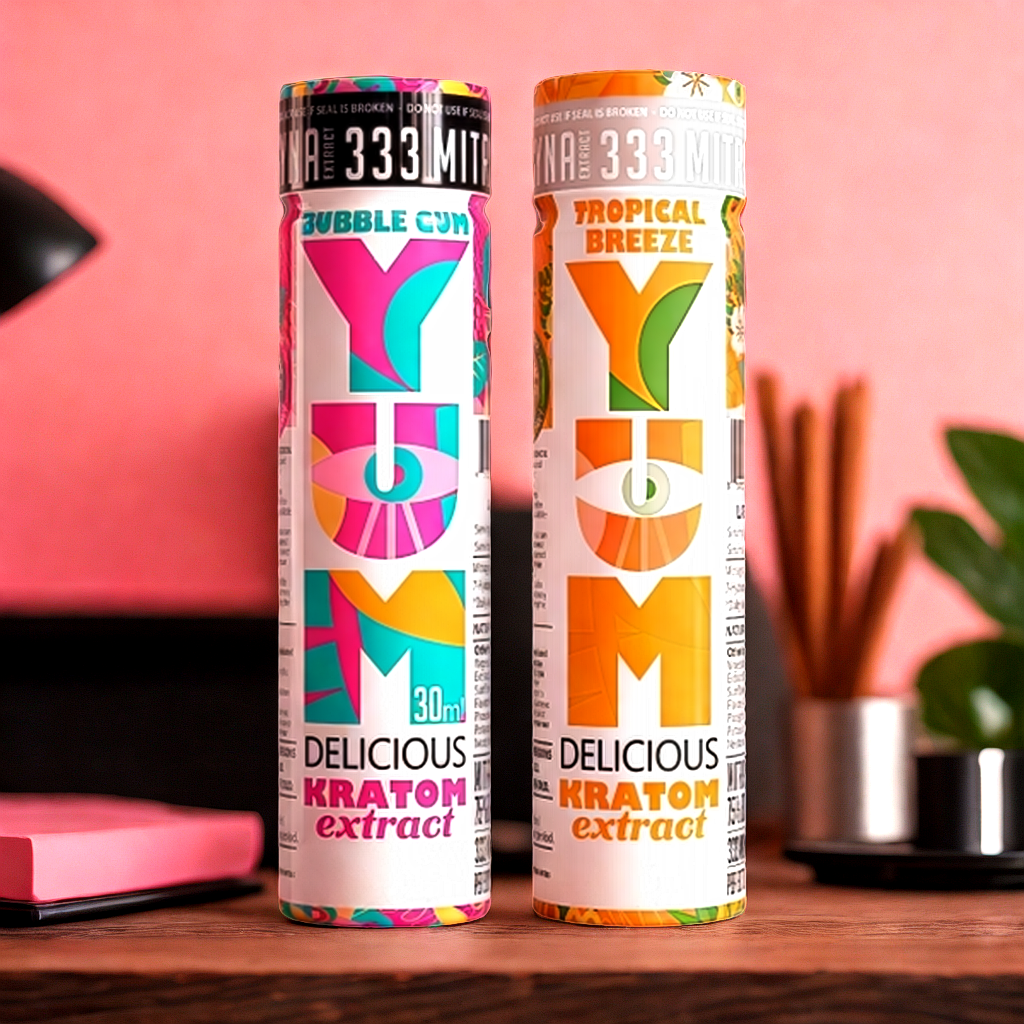
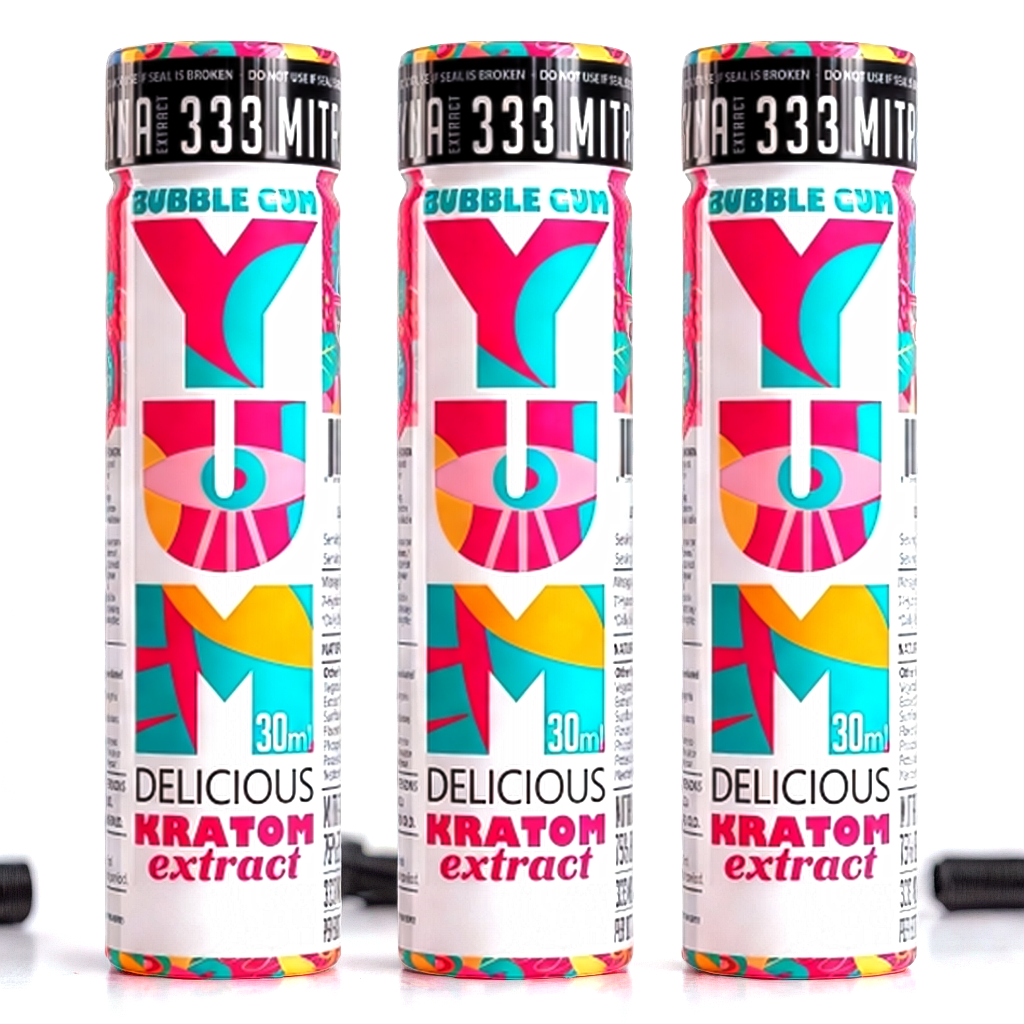
Now that you speak the language, see what balanced alkaloid profile and actual taste standards look like in practice. Explore YUM’s extract shots, built for people who’ve done their homework.
Frequently Asked Questions
What’s the difference between kratom extract and kratom powder?
Powder is ground whole leaf, including all plant material. Extract is a concentrated form where alkaloids have been pulled from the leaf and the inactive plant material removed. Extracts contain more alkaloids per gram and typically have faster onset, but powder offers a more traditional, full-plant experience. Neither is inherently “better”; they’re different tools for different preferences.
What does “alkaloid profile” mean and why does it matter?
An alkaloid profile describes which alkaloids are present in a kratom product and in what ratios. It matters because the ratio of different alkaloids affects your experience. Two products with identical total alkaloid content but different profiles will feel different. A balanced profile typically creates a smoother, more predictable experience than one dominated by a single alkaloid.
What should I look for on a Certificate of Analysis (COA)?
A useful COA should show: the name of the independent testing lab, the date of testing, alkaloid content (at minimum mitragynine and 7-OH levels), and results for contaminant testing including microbials and heavy metals. It should also clearly identify which specific batch or lot was tested. If any of these elements are missing, the COA is incomplete.
Why do kratom products have different “strength” numbers like 2x or 10x?
These numbers are supposed to indicate concentration relative to raw powder. A “10x” extract theoretically means 10 grams of leaf produced 1 gram of extract. The problem is these numbers aren’t standardized, and different companies calculate them differently. Some use them honestly; others inflate them for marketing. Don’t rely on these multipliers as your primary quality indicator. Look at actual alkaloid content from COAs instead.