
Kratom in the Workplace: The HR Professional's No-Panic Guide to Understanding What Employees Are Asking About
 Jess Morales
Kratom in the Workplace: The HR Professional’s No-Panic Guide to Understanding What Employees Are Asking About
Someone in your office just asked about kratom during a wellness committee meeting. Or maybe you overheard it mentioned in the break room. Perhaps an employee disclosed they use it, and you’re realizing you have absolutely no idea what you’re supposed to say or do next.
You’re not alone. HR professionals, wellness program managers, and business owners across the country are encountering kratom questions with increasing frequency, and most feel unprepared to respond. This isn’t a crisis requiring emergency policy meetings. It’s simply a knowledge gap that needs filling.
This guide exists to give you a balanced, factual foundation so you can have informed conversations and make reasonable decisions. Not promotional. Not alarmist. Just the information you actually need.
Why Kratom Is Suddenly on HR’s Radar
Kratom isn’t new. It’s been used in Southeast Asia for centuries and has been available in the United States for well over a decade. What’s changed is visibility. Three cultural shifts have pushed it into mainstream workplace conversations:

The functional beverage boom. Walk into any upscale grocery store and you’ll find drinks promising focus, calm, energy, or sleep enhancement. Kratom-based beverages have entered this category, sitting alongside adaptogenic coffees, mushroom teas, and nootropic waters. When products show up at Whole Foods adjacent retailers and specialty wellness shops, employees start asking questions.
The sober-curious movement. Many adults are reevaluating their relationship with alcohol. They’re looking for social alternatives that provide some experiential effect without hangovers or impairment. Kratom has emerged as one option people discuss in this context, similar to kava, CBD beverages, or THC-infused drinks in legal states.
Energy and focus concerns. Caffeine tolerance, afternoon crashes, and the search for sustainable energy have driven interest in alternatives. Some employees are exploring kratom as part of their personal experimentation with energy management, much like they might try different nootropics or adaptogenic herbs.
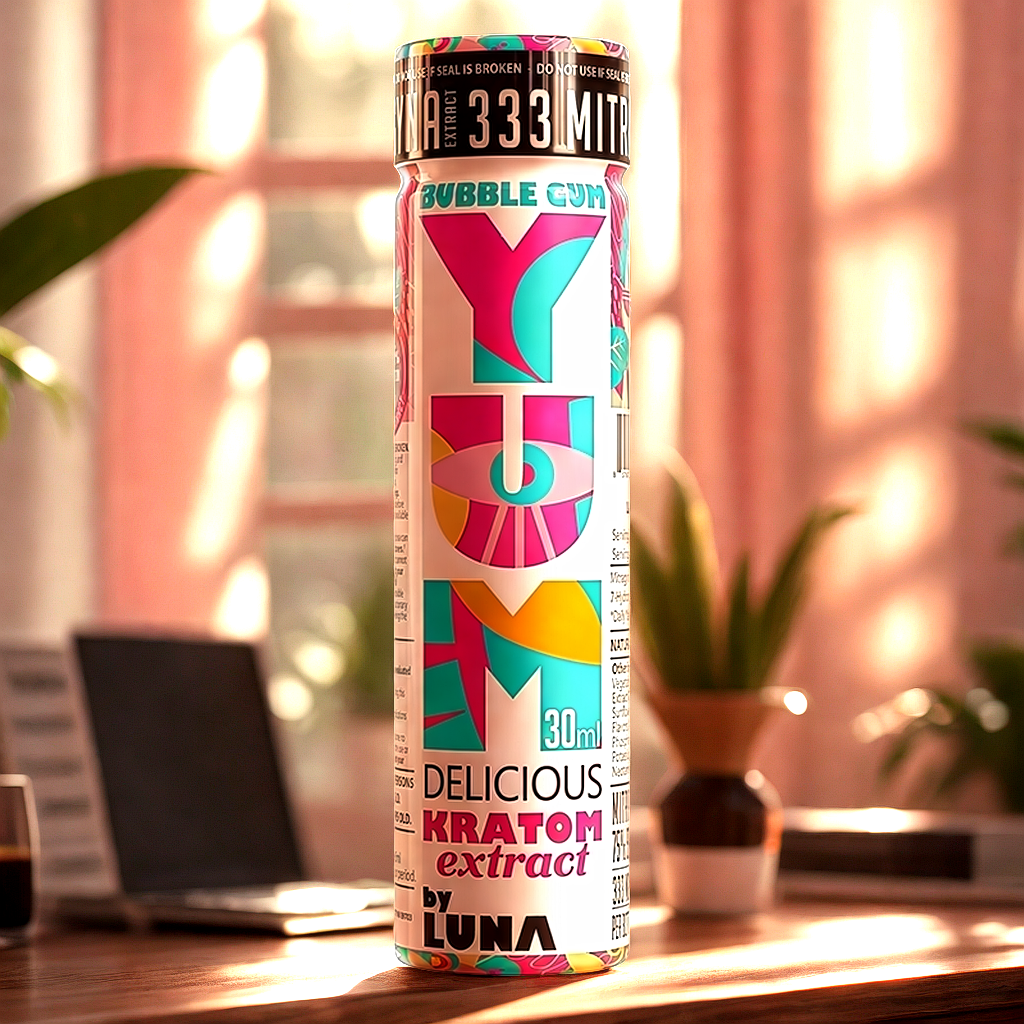
Whether your company culture embraces these trends or views them skeptically, the reality is that kratom is entering employee conversations whether organizations are prepared or not.
The 60-Second Factual Briefing: What Kratom Actually Is
Kratom (scientific name: Mitragyna speciosa) is a tropical tree native to Southeast Asia, primarily Thailand, Indonesia, Malaysia, and neighboring countries. The leaves contain compounds called alkaloids, most notably mitragynine and 7-hydroxymitragynine.
Here’s what you need to understand about its pharmacology without getting into medical claims:

- The alkaloids in kratom interact with opioid receptors in the brain, though kratom is not classified as an opioid
- Effects are dose-dependent: smaller amounts tend to produce stimulant-like effects, while larger amounts tend toward sedative effects
- Kratom is not FDA-approved for any purpose
- The FDA has issued warnings about kratom and has not deemed it safe for consumption
- Kratom is not a controlled substance at the federal level, though the DEA has considered scheduling it
For a deeper dive into the complete science behind kratom’s alkaloids and how they work, there’s substantial educational material available.
The legal status summary: Federally legal but banned in Alabama, Arkansas, Indiana, Rhode Island, Vermont, and Wisconsin. Several cities and counties have additional restrictions. Some states have enacted the Kratom Consumer Protection Act, which regulates but doesn’t ban the substance.
This is exactly the kind of gray area that makes HR professionals uncomfortable. It’s legal in most places, but not approved for anything specific, and comes with genuine regulatory warnings.
Why Employees Might Be Using Kratom (What They’re Telling Each Other)

Understanding employee motivations helps you have informed conversations. These are the reasons people commonly give for using kratom, based on reported experiences rather than verified claims:
Energy without jitters. Some people report that kratom provides a cleaner energy sensation than coffee without the anxiety or shakiness that caffeine can cause. Whether this reflects kratom’s actual pharmacology or individual variation isn’t something HR needs to adjudicate.
Focus support for demanding work. Knowledge workers, creatives, and anyone doing complex cognitive tasks sometimes explore various substances for concentration. Kratom appears in these conversations alongside nootropics, adaptogens, and other functional compounds. You can learn more about what high performers report about kratom for focus and energy.
Social situations without alcohol. The after-work drink is a workplace staple, and some employees who want to participate socially without consuming alcohol have explored kratom as an alternative. This parallels the rise of kava bars and non-alcoholic cocktail culture.

Individual wellness experimentation. Some people simply enjoy trying different botanicals and functional products as part of their personal wellness approach. Kratom gets explored alongside things like lion’s mane mushrooms, ashwagandha, or CBD.
What’s important for HR to understand: individual responses to kratom vary significantly. What one person describes as pleasant focus, another might find unpleasant. This isn’t unique to kratom; the same is true of caffeine, alcohol, and most substances that affect brain chemistry.
The Regulatory Landscape HR Needs to Understand
Let’s be direct about where things stand legally, because this affects how you think about policies.
Federal status: Kratom is not a controlled substance under the Controlled Substances Act. The DEA considered scheduling it in 2016 but withdrew that intent after significant public comment. It remains legal to possess and sell at the federal level.
FDA position: The FDA has not approved kratom for any use and has issued multiple warnings about it. They’ve expressed concerns about safety, potential for dependence, and contamination issues with some products. The FDA’s position is essentially “we haven’t approved this, we have concerns, and we’ve warned against it.”
State-by-state reality:
- Banned states: Alabama, Arkansas, Indiana, Rhode Island, Vermont, Wisconsin
- Regulated states: Several states have passed the Kratom Consumer Protection Act, which sets standards for labeling, testing, and age restrictions (typically 21+) rather than banning the substance
- Unregulated states: The majority of states have no specific kratom laws
For employees wondering about kratom’s legal status in their specific state, detailed breakdowns are available.
What this means for employers: You’re dealing with a legal substance (in most states) that isn’t approved for anything specific and comes with regulatory warnings. This puts it in similar territory to many dietary supplements, though with more controversy attached.
Drug Testing and Policy Considerations
Here’s the practical information you probably came looking for:
Standard drug panels don’t test for kratom. The typical 5-panel, 10-panel, and even 12-panel drug tests used by most employers do not detect kratom alkaloids. They’re testing for things like marijuana, cocaine, opiates (the traditional kind), amphetamines, and PCP.
Specialized kratom tests exist. If an employer specifically wanted to test for kratom, they could order that test. However, this is uncommon and expensive, and most employers don’t have a compelling reason to add it.
False positives are possible but uncommon. Some users have reported kratom triggering false positives for methadone or other opiates on immunoassay screening tests. If this occurs, confirmatory testing (usually GC-MS) would show that actual opiates weren’t present.
Policy considerations worth thinking through:
- Do your current policies address legal substances used outside work hours? Most don’t specifically address what employees consume on their own time unless it’s illegal or affects job performance.
- If you’re in a state where kratom is banned, the calculus changes. Using a prohibited substance, even off-duty, may warrant policy language.
- Safety-sensitive positions may warrant different considerations than desk jobs, just as they do for alcohol or other legal substances.
- Your company culture and industry norms should inform your approach. A tech startup and a heavy machinery manufacturer may reasonably have different stances.
This isn’t legal advice, and your employment attorney should be part of any formal policy discussions. But for most employers, kratom doesn’t require emergency policy creation any more than kava, CBD, or melatonin does.
How to Have Informed Conversations When Employees Ask
Someone asks you directly: “What do you think about kratom?” or “Is it okay to use kratom?” Here’s a practical framework:
Don’t panic. An employee mentioning kratom isn’t a crisis indicator. Many curious adults ask about substances they’ve heard of without having any concerning usage patterns.
Don’t dismiss. Responding with “I’ve never heard of that” or “That sounds dangerous” shuts down communication. Employees will simply stop coming to HR with questions, which isn’t what you want.
Acknowledge what you don’t know. “I’m not a medical professional, so I can’t give you health advice about kratom or anything else. What I can tell you is what I understand about our company policies.”
Redirect health questions appropriately. “If you’re considering using kratom or have questions about how it might affect you personally, that’s really a conversation for your healthcare provider. They can give you guidance I’m not qualified to provide.”
Be clear about policy boundaries. “Our drug policy covers [whatever it covers]. Kratom isn’t something we currently test for, and it’s not illegal in our state. What you do on your own time with legal substances is generally your business, as long as it doesn’t affect your work performance or safety.”
Stay neutral on the substance itself. Your role isn’t to endorse or condemn kratom. It’s to maintain a productive workplace and help employees understand relevant policies. Personal opinions about botanical substances aren’t helpful here.
Quality Variance: What Separates Responsible Products from Gas Station Garbage
If employees are going to use kratom (and some will, regardless of what HR thinks), understanding the quality spectrum helps you have informed conversations about harm reduction.
The kratom market includes both reputable manufacturers and sketchy operators. The difference matters:
Testing and transparency. Quality-focused companies conduct third-party lab testing for alkaloid content, contaminants, and adulterants. They publish these results or make them available on request. You can see an example of what this looks like at companies that post their lab-tested quality documentation. Cheap products often skip testing entirely.
Alkaloid balance vs. concentrated isolates. Some products maintain the natural alkaloid profile found in kratom leaves. Others concentrate specific alkaloids (particularly 7-hydroxymitragynine) to create more intense effects. The concentrated products generally carry higher risk profiles.
Source and supply chain. Reputable manufacturers can tell you where their kratom comes from and how it’s processed. Gas station products often can’t.
Dosing guidance. Responsible brands emphasize starting small (“less is more”) and provide clear serving size recommendations. Products without this guidance may encourage overconsumption.
None of this is to say kratom is risk-free. It isn’t. But understanding that product quality varies dramatically helps contextualize the wide range of experiences people report. Someone using a quality kratom product is having a fundamentally different experience than someone consuming untested convenience store offerings.
The Honest Bottom Line for Workplace Wellness Leaders
Here’s the practical reality you need to accept:
Kratom exists, and some of your employees are probably using it. Whether that number is one or twenty, prohibition isn’t realistic for a legal substance used off-duty. You can have policies about impairment at work, but you can’t realistically police what adults consume at home.
Education beats ignorance. When employees can ask questions without judgment, you maintain open communication. When they can’t, they simply stop telling you things. The information asymmetry doesn’t help anyone.
Balanced approaches work better than reactive ones. Panic-driven policies often create more problems than they solve. A measured response that acknowledges uncertainty is more defensible than either enthusiastic endorsement or blanket prohibition.
This isn’t fundamentally different from other wellness gray areas. Companies deal with employees using caffeine, alcohol, CBD, melatonin, various supplements, and prescription medications. Kratom is another entry in that landscape, with its own risk profile and regulatory uncertainty.
Your job isn’t to have all the answers. It’s to facilitate productive conversations and ensure that workplace policies are clear, consistently applied, and legally sound. Kratom knowledge is helpful context, not a requirement for doing your job well.
The employees asking about kratom are usually just curious adults who encountered something new and want to understand it better. That’s not a problem to solve. It’s a sign that people feel comfortable bringing questions to you.
Frequently Asked Questions
Does kratom show up on standard workplace drug tests?
No. Standard 5-panel, 10-panel, and 12-panel drug tests do not screen for kratom alkaloids. Specialized kratom-specific tests exist but are uncommon in workplace settings. If you’re curious about what employees actually experience when they use kratom, this honest timeline covers the first experience from sip to four hours later.
Is kratom legal for employees to use outside of work hours?
In most states, yes. Kratom is federally legal and legal in the majority of states. It’s banned in Alabama, Arkansas, Indiana, Rhode Island, Vermont, and Wisconsin. Some cities and counties have additional restrictions. Check your specific jurisdiction if you’re uncertain.
Should our company have a formal policy about kratom?
That depends on your industry, company culture, and existing policies. Most companies don’t have specific policies about kratom, just as they don’t have specific policies about kava, CBD, or adaptogenic mushrooms. If your work involves safety-sensitive positions or you’re in a state where kratom is banned, you may want to address it explicitly. For most companies, existing policies about impairment at work and professional conduct are sufficient.
What should I say if an employee asks me about kratom directly?
Acknowledge that you’re not a medical professional and can’t provide health advice. Be clear about what your company policies do and don’t cover. Recommend they consult a healthcare provider for personal health questions. Stay neutral on the substance itself. The goal is to be helpful and maintain open communication, not to endorse or condemn kratom.
Want to understand what a quality kratom product actually looks like? See how DrinkYum approaches transparency, alkaloid balance, and responsible messaging. Or explore our frequently asked questions for additional context about what sets quality kratom products apart from the rest of the market.