
Kratom Explained for Coffee Addicts, Energy Drink Survivors, and Everyone Tired of the Crash-and-Burn Cycle
 Marcus Chen
Kratom Explained for Coffee Addicts, Energy Drink Survivors, and Everyone Tired of the Crash-and-Burn Cycle
You’re not here because you woke up randomly curious about Southeast Asian botany. Let’s be real about why people actually search “what is kratom.”
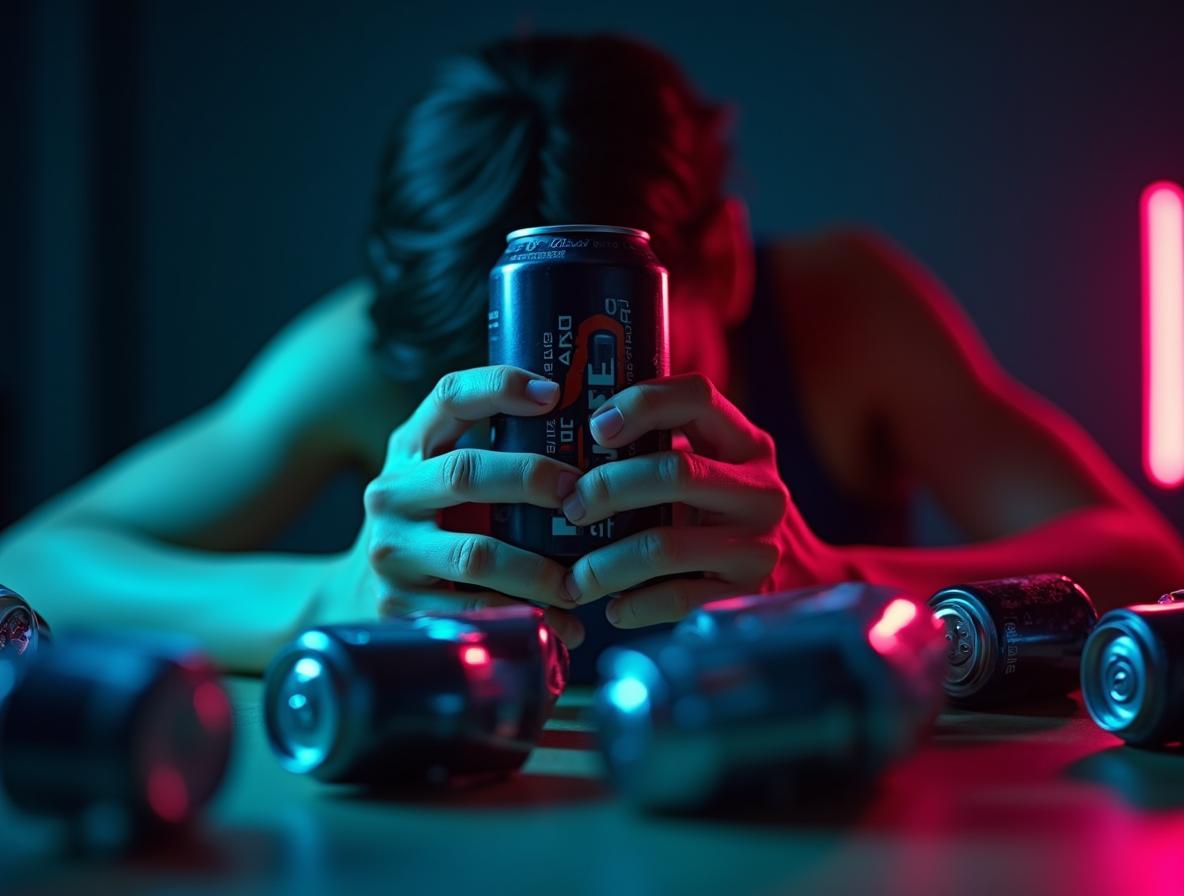
You’re probably here because something about your current energy situation isn’t working. Maybe you’re on your fourth cup of coffee and still dragging. Maybe the energy drinks that used to give you wings now just give you heart palpitations and a 3 PM wall. Maybe you’re tired of the jitters, the crashes, the dependency, the feeling that you need something just to function like a normal human.
And somewhere along the way, kratom came up. A friend mentioned it. You saw it at a kava bar. It appeared in your feed. Now you’re trying to figure out what this thing actually is, and every search result is either a government warning treating it like heroin or a Reddit thread from someone who sounds way too enthusiastic.
This article is going to explain kratom through the lens of what you’re probably already using for energy, focus, or just getting through your day. No botanical lectures. No scare tactics. Just a practical breakdown of what kratom is, how it compares to what you know, and whether it makes sense for you to explore further.
Kratom 101: The 60-Second Foundation Before We Go Deeper
Let’s get the basics out of the way fast.
Kratom (Mitragyna speciosa) is a tropical tree native to Southeast Asia. The leaves contain alkaloids, primarily mitragynine and 7-hydroxymitragynine, that interact with your body in ways that produce noticeable effects. People have been using these leaves for centuries in Thailand, Malaysia, and Indonesia, traditionally chewing them for energy during long work days.
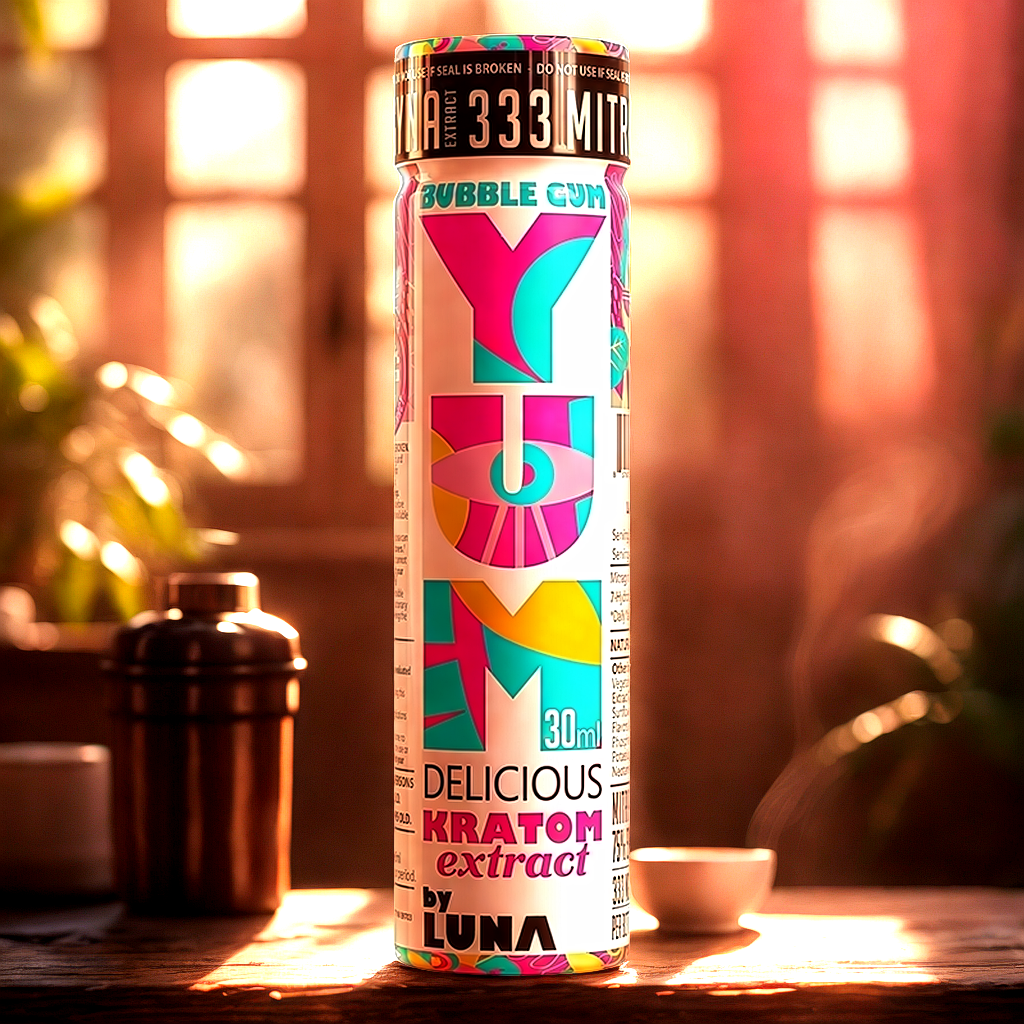
Today, kratom is available in several formats:
- Raw powder (ground dried leaves)
- Capsules (powder in pill form)
- Extract shots (concentrated liquid extracts)
Here’s something that surprises most people: kratom is in the same botanical family as coffee (Rubiaceae). They’re distant relatives. This doesn’t mean they work the same way, but it helps contextualize that we’re talking about a plant that humans have consumed for a very long time, not something cooked up in a lab last Tuesday.
The effects are dose-dependent. Smaller amounts tend to produce more energizing effects. Larger amounts tend to be more relaxing. This is different from most substances where more just equals more of the same thing. If you want to understand the complete science behind how kratom alkaloids work, we’ve got a deep dive on that.
Now let’s get into how this actually compares to whatever you’re currently relying on.
If You’re a Coffee Person: How Kratom Compares to Your Current Relationship with Caffeine
You and coffee have a complicated relationship. You love it. You need it. You might also resent it a little. That first cup is magic. The third cup is maintenance. By the fourth, you’re just trying to avoid the headache that happens when you don’t drink it.
Here’s how kratom stacks up for the coffee-dependent crowd:
Duration and Onset

Coffee hits fast (15-45 minutes to peak) and fades relatively quickly, especially if you’re a regular user with built-up tolerance. You probably know the feeling of that energy cliff around 2-3 hours in.
Kratom extract typically takes about 15-30 minutes to kick in and the effects tend to last 3-4 hours for most people. The curve is different though. Users often describe it as a steadier experience without the same spike-and-crash pattern.
The Jitters Question
If you’re sensitive to caffeine, you know the jitters. That wired-but-tired feeling where your hands are shaking but your brain still feels foggy. Many kratom users report experiencing energy without that same jittery quality. It’s often described as “cleaner” or more focused.
That said, this is subjective. Some people feel perfectly smooth on coffee and notice unwanted effects from kratom. Bodies are weird. What works for your coworker might not work for you.
The Dependency Reality Check
Here’s where I need to be straight with you: if you’re trying to escape dependency, kratom isn’t automatically the answer.
Kratom can produce dependence with regular, heavy use. Your body can build tolerance. If you use it daily at high doses and stop suddenly, you may experience withdrawal symptoms. This is real, and anyone who tells you otherwise is either lying or uninformed.
The “less is more” philosophy exists for a reason. Many experienced users specifically avoid daily use or stick to minimal amounts. If your goal is to break free from needing something every day just to function, replacing coffee dependency with kratom dependency isn’t actually solving the problem.
For a practical approach to sustainable use, check out our guide on kratom’s relationship with your body over time, including tolerance and taking breaks.
Can You Use Both?

Some people use kratom and coffee at different times or for different purposes. Morning coffee, afternoon kratom. Or kratom on days when they want to avoid the caffeine crash. There’s no rule that says you have to choose one forever.
If Energy Drinks Are Your Thing: What’s Similar, What’s Different, What Matters
Energy drinks are a different beast. You’re not just dealing with caffeine; you’ve got taurine, B-vitamins, sometimes ridiculous amounts of sugar, guarana, ginseng, and a bunch of ingredients you probably can’t pronounce.
If energy drinks are your current go-to, here’s the kratom comparison:
The Sugar Crash Problem
Most energy drinks deliver a double whammy: caffeine spike plus sugar spike. That crash you feel isn’t just the caffeine wearing off; it’s your blood sugar doing a nosedive. Pure kratom extract doesn’t contain sugar (though you should always check labels, as some commercial products add sweeteners). The experience is different because you’re not riding that glucose rollercoaster.
The “Too Much Stuff” Problem
Energy drinks are kitchen sink formulas. They throw everything in there hoping something sticks. The problem is that you have no idea what’s actually doing what, and some of those ingredients may interact in ways nobody fully understands.
Kratom is comparatively simple. You’re dealing with alkaloids from one plant. That doesn’t automatically make it “safer,” but it does make it more predictable once you understand how it affects you personally.
Kratom in Energy Drinks: A Growing Trend
You’ve probably noticed that some energy drinks and functional beverages now include kratom. This is a growing category. The quality varies wildly. Some are well-formulated with proper extraction and balanced alkaloid profiles. Others are basically marketing gimmicks with minimal actual kratom content.
If you’re seeing kratom energy drinks on shelves and wondering what’s actually in them, we’ve written a detailed breakdown of what kratom energy drinks contain and whether they’re worth it.
The Taste Reality
Energy drinks taste like candy because they’re designed that way. Raw kratom powder tastes like bitter earth. It’s genuinely unpleasant for most people. This is why extract shots and properly formulated products exist. The taste problem is solvable, but it’s worth knowing that if you go the DIY powder route, you’re in for a rough flavor experience.
If You Just Need to Stop Feeling Exhausted: What Kratom Can and Cannot Do
Maybe you’re not a caffeine warrior. Maybe you’re just tired. All the time. And you’ve tried everything: sleep apps, supplements, cutting back on screen time, drinking more water, drinking less water, standing desks, sitting desks, no desks.
You’re looking for something that actually helps, and kratom came across your radar. Here’s the honest assessment:
What Kratom Cannot Do
Kratom is not going to fix:
- Underlying sleep disorders
- Nutritional deficiencies
- Hormonal imbalances
- Chronic stress that’s burning you out
- Medical conditions that cause fatigue
- The fact that you’re sleeping five hours a night and expecting to feel human
If you haven’t addressed the basics (and consulted a healthcare provider for persistent exhaustion), kratom isn’t going to be your miracle solution. Nothing will be.
What Users Actually Report
People who use kratom for energy and focus often describe the experience as: feeling more alert without feeling wired, improved motivation to tackle tasks, a sense of wellbeing that makes the day feel more manageable, and sustained focus for 3-4 hours without the same crash cycle they get from caffeine.
These are experiential reports, not medical claims. Individual experiences vary significantly based on the person, the product quality, the serving size, and dozens of other factors.
The Right Mindset
Think of kratom as a potential tool in your toolkit, not a replacement for taking care of yourself. The people who have the best experiences with kratom are usually the ones who are already doing the basics: sleeping reasonably, eating actual food, moving their bodies, managing stress. Kratom can complement that foundation. It can’t replace it.
The Quality Reality Check: Why “What Is Kratom” Depends Entirely on What Product You’re Asking About
Here’s something the government warning pages won’t tell you: not all kratom is remotely the same.
Asking “what is kratom?” is a bit like asking “what is wine?” The answer depends entirely on whether you’re talking about a carefully crafted vintage or something that came out of a cardboard box at a gas station.
Why Some People Try Kratom and Hate It
A lot of negative kratom experiences come down to bad products. Old, degraded powder. Extracts that were poorly processed. Products with no quality control that may contain contaminants. If your first kratom experience was terrible, there’s a real chance the product itself was the problem.
What Actually Matters in Kratom Quality
Alkaloid balance: Quality kratom products should have a balanced alkaloid profile. Some cheap products are loaded with synthetic alkaloids or have ratios that produce unpleasant effects. The naturally occurring balance in properly processed kratom matters for how you’ll feel.
Extraction methods: Extract shots are concentrated forms of kratom. How that concentration happens affects what you experience. Some methods preserve the full alkaloid spectrum. Others are harsh processes that degrade quality. You can learn more about why extraction methods matter for your experience.
Third-party testing: Reputable brands test their products for purity, potency, and contaminants. They publish those results. If a company can’t show you lab-tested quality verification, that’s a red flag.
Sourcing: Where the kratom comes from, how it’s harvested, and how it’s handled all affect the final product. The best products come from established supply chains with quality control at every step.
The Taste Question (Again)
Natural kratom is bitter. Very bitter. But this doesn’t mean every kratom product has to taste like you’re drinking forest floor.
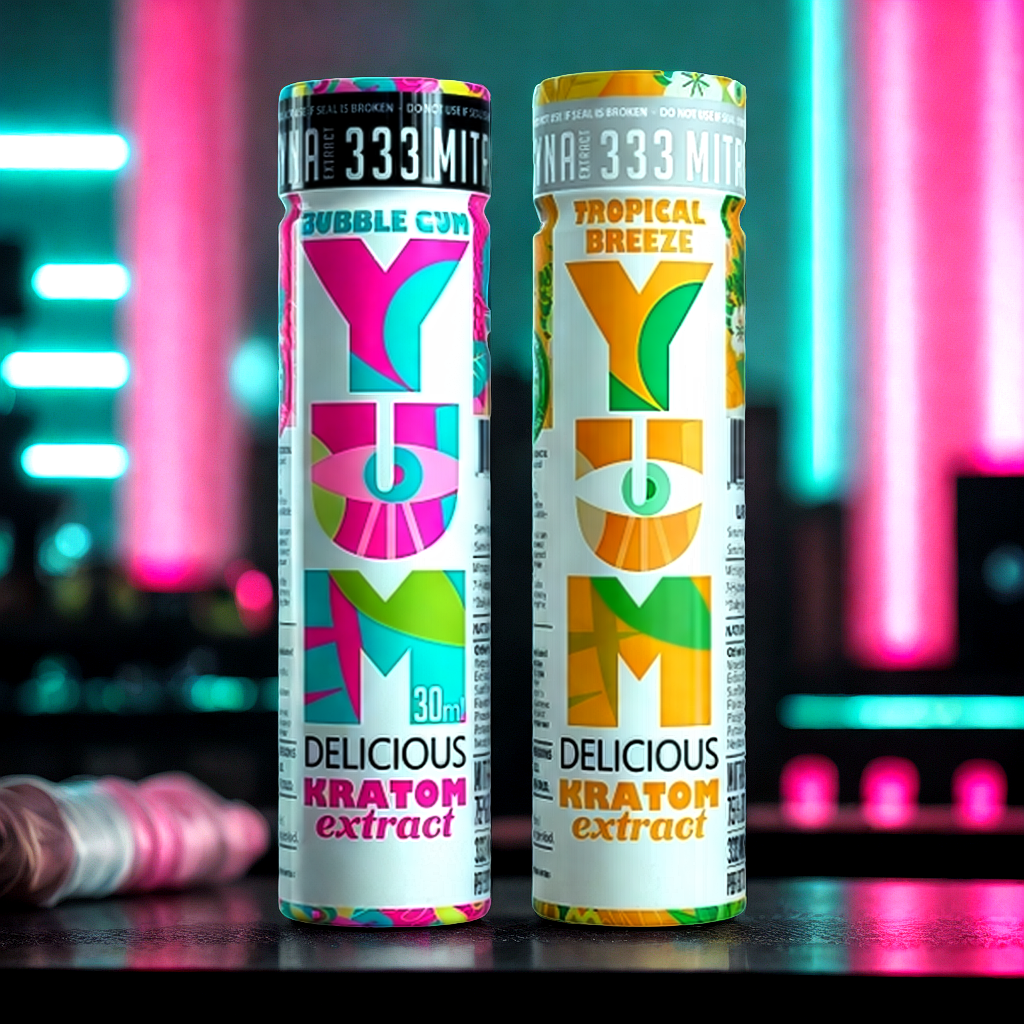
Some extract shots are genuinely palatable. The YUM product line was specifically developed to solve the taste problem without sacrificing quality. If you’ve been put off by kratom’s reputation for tasting terrible, know that this isn’t an unsolvable problem.
What the Government Websites Won’t Tell You (And What They Get Right)
If you’ve done any searching on kratom, you’ve probably encountered the FDA warnings and DEA fact sheets. They paint a pretty scary picture. Let’s talk about what they get right and what context is missing.
What They Get Right
Kratom can produce dependence. This is true. Regular, heavy use can lead to physical dependence and withdrawal symptoms. Anyone claiming kratom is “non-addictive” is being dishonest.
Quality control is a real issue. The kratom market is largely unregulated. There have been contamination issues. There have been products containing undisclosed substances. Buying from untested sources carries real risks.
Kratom interacts with the body in significant ways. This isn’t inert lettuce. The alkaloids produce real effects. That means there are real considerations about when and how to use it, especially if you have medical conditions or take other substances.
More research is needed. Kratom hasn’t been studied as extensively as many other substances. We don’t have long-term safety data from controlled clinical trials.
What’s Missing from the Official Picture
Context about responsible use. The official warnings tend to focus on worst-case scenarios without acknowledging that millions of people use kratom responsibly without significant problems. The dose-response relationship matters enormously. A single capful of a quality extract is a very different thing from consuming massive amounts of raw powder daily.
Quality variation. The warnings treat all kratom as identical. In reality, the difference between a high-quality, tested extract and sketchy gas station kratom is enormous.
Why people use it. The institutional framing often ignores that people turn to kratom because they’re looking for alternatives to things that also have significant downsides (excessive caffeine dependency, daily energy drink consumption, etc.). The risk-benefit analysis looks different when you consider what people are actually comparing it to.
Practical harm reduction. Rather than just saying “don’t,” useful information would include guidance on starting small, avoiding daily use, choosing quality products, and recognizing warning signs. Abstinence-only messaging rarely serves people who have already decided to try something.
For a deeper look at reading between the lines of conflicting kratom information, see our piece on what to make of it when institutions say “danger” and users say “it works”.
The Practical Questions: Legality, Starting Out, and Whether This Is Even Right for You
Let’s cover the practical stuff you need to know before deciding whether to explore kratom further.
Legal Status
Kratom is not legal everywhere. It’s currently banned in Alabama, Arkansas, Indiana, Rhode Island, Vermont, and Wisconsin. Some cities and counties have additional restrictions. If you live in one of these areas, kratom isn’t an option for you, period.
In states where kratom is legal, some have passed the Kratom Consumer Protection Act, which establishes quality standards and age restrictions. This is actually a good sign for consumers in those states.
Age Requirement
Kratom is strictly for adults 21 and older. This isn’t negotiable. If you’re under 21, this conversation isn’t for you.
If You Have Medical Conditions or Take Medications
Talk to your healthcare provider before trying kratom. This is especially important if you have liver or kidney issues, heart conditions, mental health conditions, or take any medications (particularly those that affect the same pathways kratom does). “Natural” doesn’t mean “can’t interact with other things.”
Starting Out: The “Less Is More” Philosophy
If you decide to try kratom, start small. With a quality extract shot like YUM, that means one capful. Not three. Not the whole bottle. One capful.
Wait and see how it affects you before considering whether you want to adjust. Many people find that less produces better results. Going bigger doesn’t necessarily mean better effects; it often means different (and not always preferable) effects.
Is Kratom Right for You?
Kratom might be worth exploring if you:
- Are 21+ and in a state where it’s legal
- Have tried addressing your energy issues through basics (sleep, nutrition, stress management)
- Are looking for an alternative to something you’re currently using that isn’t working well for you
- Are willing to start small and pay attention to how your body responds
- Can commit to not making it a daily, high-dose habit
- Have consulted with a healthcare provider if you have any medical concerns
Kratom probably isn’t for you if you:
- Are looking for a magic solution without addressing underlying issues
- Have a history of substance abuse and are concerned about dependency
- Are under 21 or in a state where it’s banned
- Have medical conditions that could be affected
- Want something you can use heavily every day without consequences
Being honest with yourself about which category you fall into will save you time and money.
Frequently Asked Questions
Is kratom the same as coffee since they’re in the same plant family?
No. Being in the same botanical family (Rubiaceae) doesn’t mean they work the same way. Coffee and kratom both come from plants in this family, but their active compounds and effects are quite different. It’s like how tomatoes and nightshade are related, but one is on your pizza and the other will kill you. The family connection is interesting context, not a functional equivalence.
How long do kratom’s effects last compared to an energy drink?
Most users report kratom effects lasting 3-4 hours, with a more gradual onset and offset compared to the sharp spike-and-crash of energy drinks. Energy drinks typically peak within 30-60 minutes and can crash hard, especially if they’re high in sugar. Kratom tends to have a smoother curve, though individual experiences vary.
Can I use kratom every day, or is that a bad idea?
Daily use, especially at higher amounts, increases the risk of building tolerance and developing dependence. Most experienced users recommend against daily use. Building in rest days, keeping servings small, and treating kratom as an occasional tool rather than a daily requirement tends to lead to better outcomes. If you find yourself needing more to get the same effect or feeling bad when you don’t use it, those are signs to reassess your relationship with it.
Why do some people say kratom tastes terrible, and does it have to?
Raw kratom powder is genuinely bitter and unpleasant. This is why many people prefer extract shots or capsules. The taste issue is solvable with properly formulated products. Companies like DrinkYum have specifically worked on creating kratom extracts that don’t make you wince. You don’t have to suffer through terrible taste to experience kratom’s effects.
The Bottom Line
Kratom is a botanical extract with real effects. It’s not a miracle, and it’s not the poison some government pages make it out to be. It’s a tool that works well for some people in some situations and isn’t right for others.
If you’re tired of the caffeine hamster wheel, if energy drinks have stopped working or started making you feel worse, if you’re looking for something different, kratom is worth understanding. Whether it’s worth trying is a decision only you can make, based on your situation, your goals, and your honest assessment of whether you can use it responsibly.
Start with quality. Start small. Pay attention to how your body responds. And don’t let kratom become the same kind of crutch you were trying to escape in the first place.
If you’re ready to try a kratom extract that actually tastes good and prioritizes balanced alkaloid profiles, YUM was built for exactly this moment. Start with one capful and see what clean, focused energy actually feels like.