
Kratom Decision Tree: Find Your Answer in 60 Seconds Based on Your Exact Situation Right Now
 Jess Morales
Kratom Decision Tree: Find Your Answer in 60 Seconds Based on Your Exact Situation Right Now
You’ve read the articles. You’ve seen the Reddit threads. You’ve scrolled past the FDA warnings and the glowing testimonials. And you’re still here, which means one thing: you don’t need another explanation of what kratom is. You need to know if it’s for you, right now, in your specific situation.
This isn’t a beginner’s guide. It’s not a deep dive into alkaloids or a history lesson about Southeast Asian farmers. It’s a decision tool. Find your scenario below, follow the path, and walk away with actual clarity instead of more research tabs to close later.
How This Works (And Why It’s Different)
Every kratom article follows the same formula: here’s what kratom is, here are the effects, here are some warnings, good luck figuring out if it applies to you. That approach works great if you’ve got unlimited time and enjoy reading the same information repackaged sixty different ways.
You don’t have that time. You’re in a specific moment, facing a specific question, and you need a specific answer.
So here’s how this works:
- Find your scenario below (the one that matches why you’re actually here)
- Follow the decision path (short, direct, no fluff)
- Get your answer (or at least enough clarity to stop researching and start deciding)
If you want the comprehensive breakdown of what kratom actually is, that resource exists. But right now, let’s get you unstuck.
Scenario: You’re Tired of Caffeine’s Grip
Your coffee habit stopped being a choice somewhere around cup three today. The jitters hit by noon. The crash hits by three. You can’t sleep before midnight, and you’re tired of needing something just to feel baseline functional.
The decision path:

What to expect if you’re switching: Kratom provides energy, but it’s a different animal than caffeine. No heart-racing. No jittery edge. Users describe it as clean energy, meaning you feel alert and focused without that wired, anxious undercurrent. The catch? It’s not instant like espresso. Give it 20 to 40 minutes to kick in.
Realistic timeline: Most people notice whether kratom’s energy profile works for them within the first few tries. If you’ve been chasing clean energy without the crash, you’ll know pretty quickly if this is the answer.
Why “less is more” matters here: Taking more doesn’t mean more energy. With kratom, smaller servings tend to be more stimulating. Larger servings shift toward relaxation. If you’re replacing morning coffee, start with one capful and stop there. More is not better. More is different.
When kratom isn’t the answer: If your fatigue is rooted in poor sleep, chronic stress, or an underlying health condition, kratom isn’t going to fix that. It’s a tool, not a solution for broken fundamentals. If you haven’t slept properly in months, fix that first.
Scenario: You Want Social Energy Without Alcohol’s Baggage
You’re sober-curious. Or maybe you’re just tired of waking up foggy after two glasses of wine. You want something that helps you unwind and be social without the hangover, the calories, or the creeping realization that you’re drinking more than you’d like.
The decision path:
How kratom’s experience differs from alcohol: It’s not a one-to-one replacement. Alcohol depresses your system and lowers inhibitions. Kratom (at typical social servings) tends to create a sense of calm alertness, what some describe as being relaxed but still sharp. You’re present, engaged, and won’t embarrass yourself on the dance floor. But you also won’t get that buzzed, loosened-up feeling alcohol provides.
What social situations it works for: Dinner parties. Networking events. Dates where you want to be relaxed but remember the conversation. Situations where you’d normally have “just one drink” to take the edge off. If you’re looking at alcohol alternatives for your sober-curious exploration, kratom fits a specific niche.
Honest limitations: If you’re trying to get drunk without getting drunk, kratom isn’t that. It won’t replicate the feeling of three cocktails. Some people love the alternative it offers. Others miss the specific sensation alcohol provides. That’s a personal call.
When to consider other options: If you’re dealing with alcohol dependency or using alcohol to manage anxiety or other conditions, talk to a healthcare provider first. Kratom isn’t a treatment for anything, and swapping one substance for another without addressing the underlying issue doesn’t solve problems, just moves them.
Scenario: You Need Sustained Focus for Deep Work
You’ve got a project that requires four uninterrupted hours of concentration. Or you’re an entrepreneur who needs to grind through a strategy session. Or you’re a creative who can’t afford to stare at a blank page for another afternoon. You’ve tried everything from Pomodoro timers to microdosing caffeine, and you’re curious if kratom offers something different.
The decision path:
How kratom focus differs from stimulant focus: Caffeine and other stimulants often create a narrow, intense focus that can tip into anxiety or tunnel vision. Kratom users frequently describe their focus as smooth, more like settling into a flow state than white-knuckling through a task. You feel present rather than pushed.
Timing for work sessions: Take it about 30 minutes before you need to be in the zone. Effects typically last three to four hours, which makes it well-suited for dedicated work blocks. If you want a deeper understanding of what actually happens in those hours, that breakdown exists.

The “sweet spot” concept: There’s a serving size where kratom hits perfectly for focus. Go below it, and you might not feel much. Go above it, and the effects shift toward relaxation rather than productivity. Finding your sweet spot requires paying attention to your body, not chasing a number someone else gave you.
Why more isn’t better: Seriously. This is worth repeating. If one capful works for focus, two capfuls won’t double your productivity. You’ll just get drowsy and wonder why everyone online was so excited about this stuff.
When other solutions matter more: If you’re chronically sleep-deprived, working in a distracting environment, or burned out from overwork, kratom won’t compensate for those problems. It amplifies what’s already there. If what’s already there is exhaustion and chaos, that’s what gets amplified.
Scenario: You’ve Tried Kratom Before and It Sucked
Maybe it made you nauseous. Maybe you felt nothing. Maybe it tasted like dirt and you couldn’t get past that. Whatever happened, your first experience wasn’t great, and now you’re wondering if you wrote it off too quickly or if kratom just isn’t for you.
The decision path:
Why first experiences often disappoint:
- Quality issues: The kratom market is inconsistent. Gas station products, random online vendors, and that stuff your friend gave you at a party may have been low-quality, contaminated, or way past its prime. If your first experience was with a questionable source, you didn’t really try kratom. You tried garbage.
- Wrong dose: Too much causes nausea. Too little causes nothing. Many first-timers take more than they should because “it’s natural, how strong can it be?” The answer: strong enough to ruin your evening if you overdo it.
- Wrong expectations: If you expected to feel drunk, high, or dramatically altered, you were set up for disappointment. Kratom’s effects are more subtle than that, especially at appropriate servings.
What “balanced alkaloid profile” actually means for experience: Kratom contains multiple active compounds that work together. Cheap products often have an imbalanced profile because of poor extraction or degraded source material. A quality extract with a balanced profile produces a noticeably different experience than budget alternatives.
How to know if it’s worth another shot:
- Did you use a product with verified lab testing?
- Did you start with a small serving (one capful or less)?
- Were you hydrated and had some food in your system?
- Did you give it 30 to 45 minutes before deciding it wasn’t working?
If you answered “no” to any of those, the experiment wasn’t fair. If you answered “yes” to all of them and still hated it, kratom might genuinely not be for you. That’s okay. Not everything works for everyone.
Scenario: Someone You Trust Uses It and You’re Curious
Your friend swears by it. Your coworker mentioned it changed their mornings. Your brother uses it instead of alcohol at parties. Someone whose judgment you respect has put this on your radar, and now you’re trying to figure out if their experience is transferable to you.
The decision path:
Questions to ask them:
- What product do they use specifically? (Brand and format matter)
- How much do they take?
- What do they use it for? (Energy? Focus? Social situations? Relaxation?)
- How long did it take them to figure out their ideal approach?
- Have they had any negative experiences?
Why their experience might differ from yours: Body chemistry is wildly individual. What works perfectly for your friend might be too much or too little for you. Their tolerance (if they’ve been using it for a while) is different than your starting point. Their goals might not match yours. Use their experience as data, not as a prescription.
How to approach your first time thoughtfully:
- Use a quality product (ideally the same one they use, since it’s a known quantity)
- Start with less than they take, regardless of what they recommend
- Clear your schedule so you’re not trying something new before an important meeting
- Have realistic expectations: you’re exploring, not chasing their experience
What “start small” actually means: One capful. That’s it. Not “one capful and then another one an hour later because I don’t feel anything yet.” One capful. Wait 45 minutes. Assess. Adjust next time if needed. For a complete walkthrough, the first-timer’s guide covers this in detail.
Scenario: You’ve Read the Scary Headlines and Can’t Decide
You’ve seen the FDA warnings. You’ve read the Mayo Clinic page. You’ve encountered words like “unsafe,” “addictive,” and “unknown risks.” You’re a responsible adult who takes health seriously, and the conflicting information has you stuck in analysis paralysis.
The decision path:
What the warnings actually say vs. what they don’t: Most institutional warnings focus on:
- Lack of FDA regulation (true, kratom isn’t FDA-approved)
- Contamination concerns in unregulated products (legitimate, which is why quality sourcing matters)
- Potential for dependence with heavy, frequent use (also true, and worth taking seriously)
- Interactions with other substances (a real concern, especially with prescription medications)
What they don’t say is that responsible, occasional use by healthy adults is catastrophically dangerous. The warnings are about uncontrolled use, unregulated products, and vulnerable populations. If you’re reading a straight answer for people who’ve seen the headlines, you’re already more informed than most.
How to evaluate sources:
- Government and medical sites prioritize caution and worst-case scenarios. That’s their job.
- Kratom vendor sites prioritize sales. That’s their job.
- User communities share experiences but lack controlled data.
- None of these sources are lying; they’re all operating from different priorities and information sets.
The realistic risk profile: Kratom isn’t risk-free. Heavy, daily use can lead to dependence. Taking it with other substances can cause interactions. Low-quality products can contain contaminants. But for a healthy adult over 21, using a tested product occasionally at appropriate servings, the risk profile is different than the scary headlines suggest.
When to trust your own judgment vs. wait for more research: If you have medical conditions, take medications, are pregnant or nursing, or have a history of substance dependence, consult a healthcare provider before trying kratom. Full stop. If you’re a healthy adult with no complicating factors, you’re capable of making an informed choice. The research will never be “complete.” At some point, you either try it or you don’t.
The Universal Decision Filter: 5 Questions Before You Try Anything
Regardless of which scenario brought you here, these five questions apply to everyone:
1. Are you over 21?
This isn’t negotiable. Kratom isn’t for developing brains. If you’re under 21, the answer is no.
2. Is it legal in your state?
Kratom is legal in most states but banned or restricted in some. Check your state’s current status before purchasing.
3. Do you have medical conditions requiring doctor consultation?
If you’re on prescription medications, have liver or kidney issues, have a heart condition, or have any chronic health concerns, talk to your healthcare provider first. This isn’t legal boilerplate. It’s common sense.
4. Are you seeking something kratom can’t provide?
Kratom can offer clean energy, smooth focus, and a social alternative to alcohol. It cannot cure diseases, replace proper sleep, fix your relationship, or compensate for an unhealthy lifestyle. If you’re looking for a miracle, you’re looking in the wrong place.
5. Are you willing to start small and pay attention?
The “less is more” philosophy isn’t marketing speak. It’s how kratom actually works best. If you’re the type who always takes the maximum dose of everything, you’ll probably have a bad experience. If you’re willing to start with one capful and actually observe how your body responds, you’ll get useful information.
Frequently Asked Questions
How quickly can I expect to know if kratom works for me?
Most people have a sense within the first three tries. Your first experience gives you baseline data. Your second and third let you adjust and confirm. If you’ve tried three times with quality product, appropriate serving sizes, and good conditions, you have enough information to decide.
What’s the minimum commitment to give kratom a fair evaluation?
Three separate experiences, spaced at least a few days apart, using the same quality product. Vary the serving size slightly between tries to find your range. Keep notes (even mental ones) about timing, food intake, and effects. After three tries, you either see potential or you don’t.
If I fall into multiple scenarios, which matters most?
Start with whatever brought you here today. The scenario you’re most curious about is the one worth exploring first. Other use cases can come later once you understand how your body responds to kratom in general.
How do I know if I got a quality product or if kratom just isn’t for me?
Quality products come with third-party lab testing. If your product doesn’t have that, you don’t actually know what you consumed. Before deciding kratom “doesn’t work for you,” make sure you’ve tried a product with verified quality. Check our FAQ for more details on what to look for.
Your Next Move
You came here with a question. You found your scenario. You followed the path. Now you have three options:
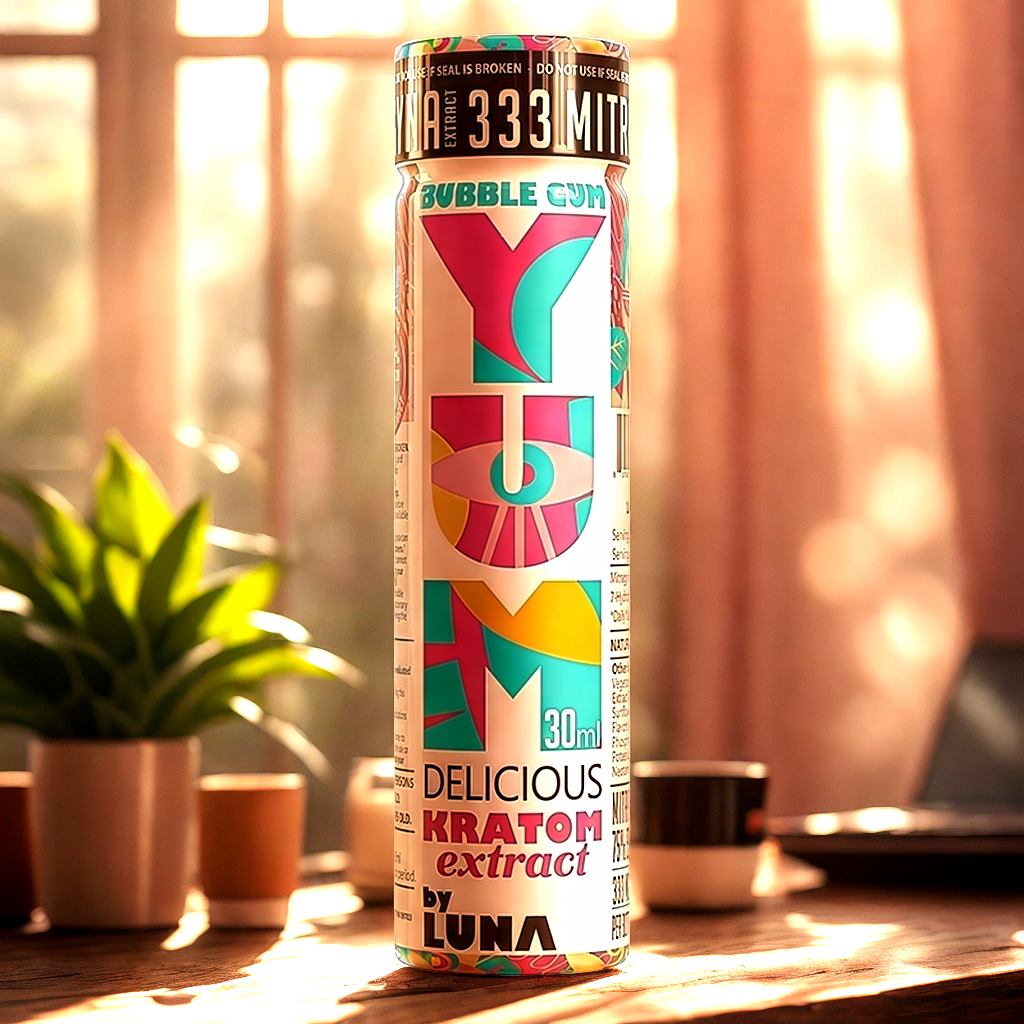
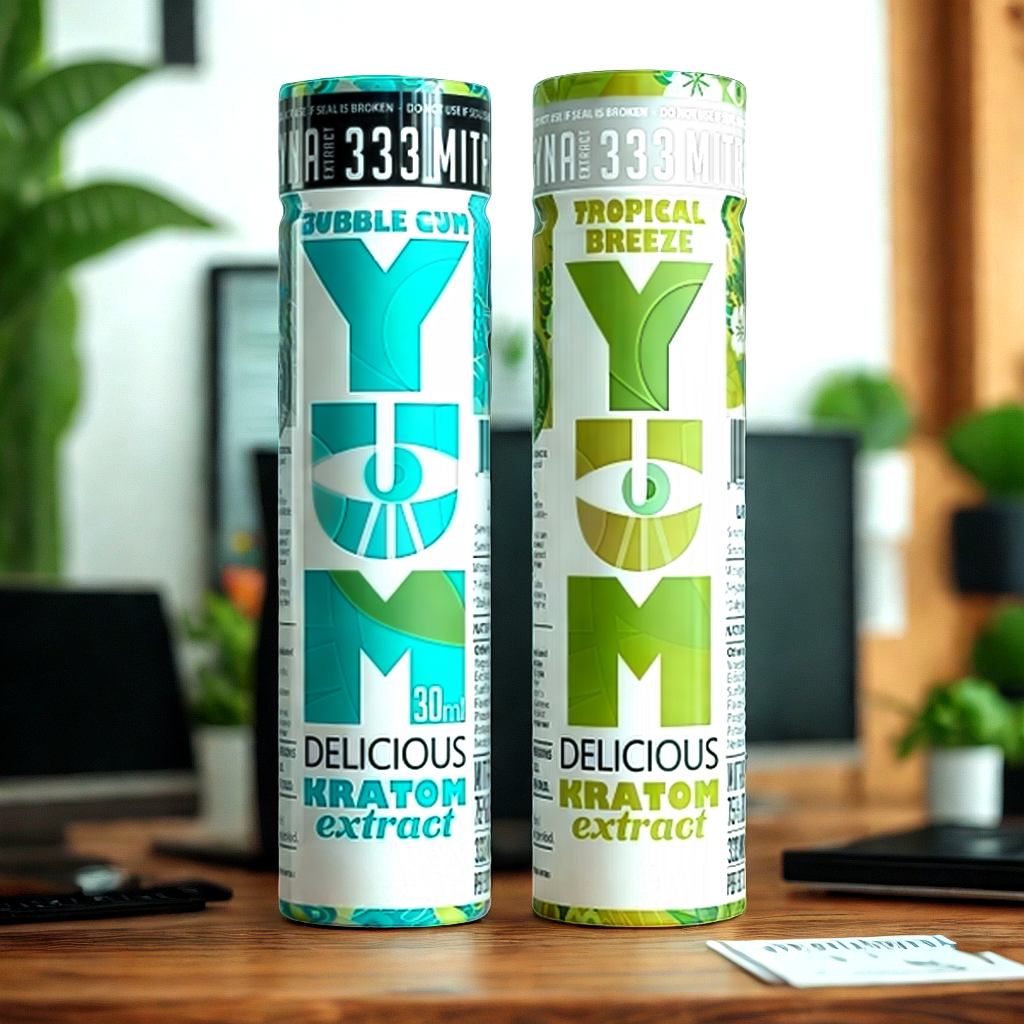
- You’re ready to try it. Start with one capful of YUM and see where your scenario leads. Your unstoppable moment might be one decision away.
- You need more information first. Fair enough. The resources linked throughout this piece go deeper on specific topics.
- You’ve decided it’s not for you. Also fair. Not everything fits everyone, and knowing what you don’t want is just as valuable as knowing what you do.
Whatever you choose, you’re no longer stuck in research mode. That’s the point.