
Kratom Decision Day: The 10-Minute Checklist for Adults Ready to Make an Informed Choice Right Now
 Ryan Okafor
Kratom Decision Day: The 10-Minute Checklist for Adults Ready to Make an Informed Choice Right Now
You’ve got a cart open somewhere. Maybe you’re on your phone, maybe you’re on your laptop, but somewhere in another tab there’s a kratom product waiting for you to decide. You’ve done approximately zero research until this very moment, and now you need to figure out whether to click “buy” or close the tab forever.
This isn’t a leisurely deep-dive. This is a pre-flight checklist for the next 10 minutes of your life. Let’s get you sorted.
The 60-Second Reality Check: Is This Even the Right Moment?
Before anything else, we need to establish whether you should even be considering this purchase right now. Some of these are non-negotiables.
Hard stops (if any apply, close that cart):
- Are you under 21? → Stop here. Kratom is for adults only.
- Are you pregnant or nursing? → Not the time. Consult your healthcare provider instead.
- Are you in Alabama, Arkansas, Indiana, Rhode Island, Vermont, or Wisconsin? → Kratom is banned in your state. Some cities and counties have restrictions too.
- Are you currently taking prescription medications? → Talk to your doctor first. Seriously. Interactions are possible.
- Are you planning to drive or operate heavy equipment soon? → Your first experience should happen when you have zero responsibilities for the next several hours.
- Are you drinking alcohol right now or planning to? → Don’t mix substances on your first try. Period.
If none of those apply, you can proceed. If even one does, bookmark this page and come back when your situation changes.
What Kratom Actually Is (And Isn’t) in 90 Seconds
Here’s the stripped-down version you need right now:
What it is: Kratom (Mitragyna speciosa) is a tree native to Southeast Asia. The leaves contain alkaloids, primarily mitragynine, that interact with your body to produce effects on energy, mood, and focus. People have used it traditionally for centuries. In the U.S., it’s sold as a botanical product.
What it isn’t:
- Not FDA-approved for any purpose
- Not a medicine or supplement with standardized dosing
- Not something that treats, cures, or prevents any disease
- Not regulated like pharmaceuticals or even dietary supplements
- Not legal everywhere (you already checked this, right?)
For a more comprehensive breakdown when you have time, check out what is kratom? the no-BS guide for curious high performers.
The key thing to understand: kratom is a botanical with real effects. It’s not a placebo, and it’s not harmless water. Respect it accordingly.
The Honest Experience Checklist: What to Expect
If you’ve never tried kratom before, here’s what typically happens (your mileage will vary based on your body chemistry and the product quality):
Timing:
- Onset: Usually 20-30 minutes on an empty stomach, longer if you’ve eaten recently
- Peak effects: Around 1-2 hours in
- Duration: Roughly 3-4 hours total
What people commonly report:
- Clean, focused energy (different from caffeine jitters)
- Improved mood and sociability
- Mental clarity and motivation
- A sense of calm alertness
What varies wildly:
- Intensity (your body chemistry is unique)
- Specific sensation profile
- Duration of effects
- Whether you love it, feel neutral, or aren’t impressed
For a detailed timeline of what your first experience might look like, read what is kratom going to feel like? an honest timeline of your first experience.
Warning signs to take seriously:
- Nausea (usually means you took too much)
- Dizziness or wobbles
- Headache
- Stomach discomfort
These typically indicate you’ve overdone it. Less is more with kratom, always.
The Quality Filter: 5 Questions to Ask Before You Buy Anything
Not all kratom is created equal. Some products are excellent. Some are garbage. Here’s how to tell the difference in about two minutes:
1. Does the seller publish third-party lab results?
This is the baseline. If you can’t find lab testing (also called COAs or Certificates of Analysis), that’s a red flag. You can check out what proper lab testing looks like to understand what you should be seeing.
2. Is the alkaloid content disclosed?
Reputable sellers tell you what’s in the product. Vague labeling or missing information means you’re gambling on quality.
3. Is this an extract or raw leaf product?
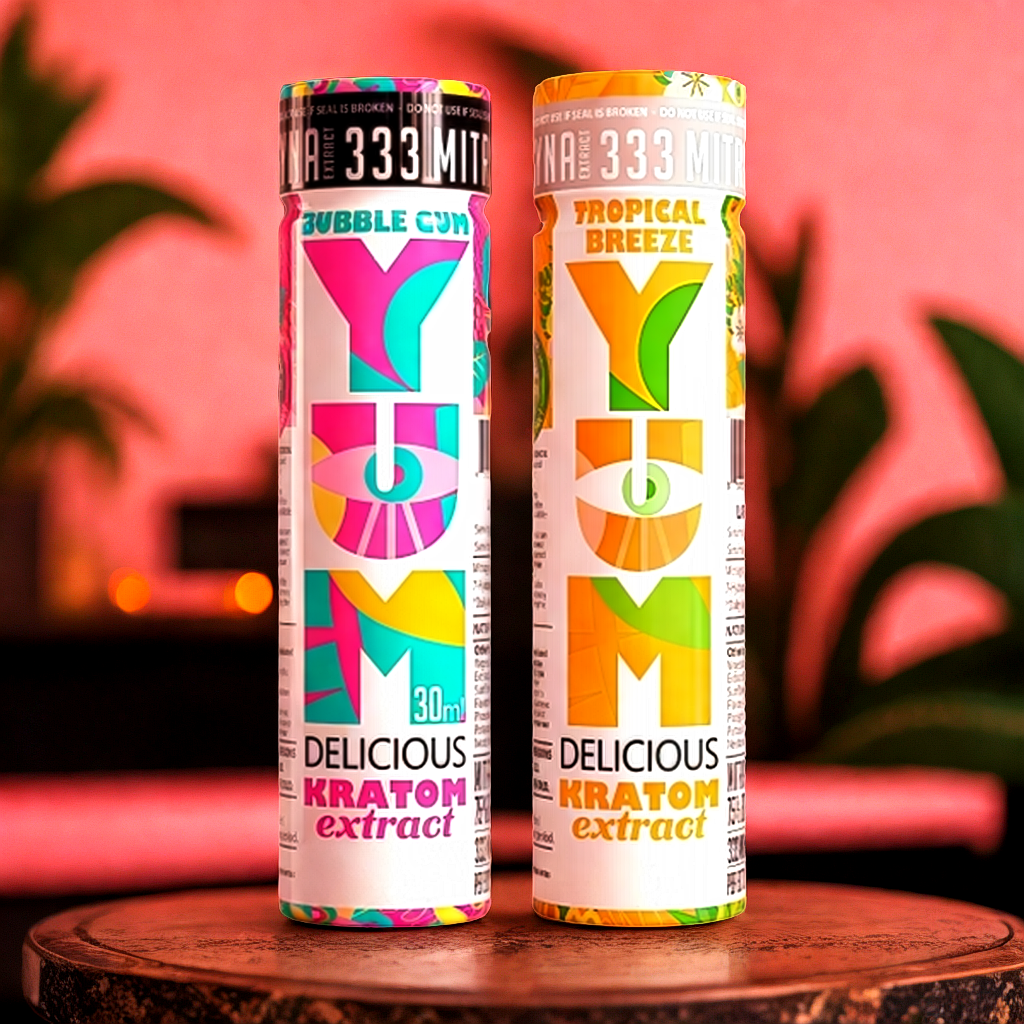
Extracts are concentrated and more potent. Raw leaf (powder or capsules) is less concentrated. Know which you’re buying. If you’re new, extract shots offer a convenient, pre-measured option. For a deeper understanding, see our guide to kratom extract explained.
4. What’s the return policy?
A company confident in their product will stand behind it. Sketchy return policies or none at all? Consider that a warning.
5. Is the pricing suspiciously cheap?
Quality kratom costs money to produce properly. Rock-bottom prices usually mean corners were cut somewhere. That said, expensive doesn’t automatically mean good either.
The “Is This For Me” Decision Tree
Time for some honest self-assessment. Grab a pen if you need to.
What’s your goal?
- Clean energy without jitters or crash → Kratom might fit
- Improved focus for work or creative projects → Worth exploring
- Social occasions, alcohol alternative → Many people use it this way
- Medical treatment for a condition → Stop. Kratom isn’t medicine. Talk to a doctor.
How often would you realistically use it?
- Occasionally for specific situations → Lower risk approach
- Several times per week → Be mindful about tolerance and breaks
- Daily → Not recommended, especially starting out. Tolerance builds, and your body can become accustomed to it.
What’s your relationship with substances generally?
- You’re mindful and moderate with things like caffeine, alcohol, etc. → Good foundation
- You tend toward excess or have struggled with dependence → Kratom may not be the right choice for you, and that’s an honest assessment, not a judgment
What’s your budget reality?
- You can afford quality without cutting corners → Proceed
- You’re bargain hunting for the cheapest option → You’ll likely end up with an inferior product that doesn’t represent what kratom can actually be
Your First Time Protocol: The Only Instructions You Need
If you’ve made it this far and you’re still in, here’s your action plan:
Before:
- Choose a day with low stakes. Don’t do this before a job interview or first date.
- Have a light meal a few hours before, or try it on a moderately empty stomach.
- Clear your schedule for at least 4-5 hours.
- Have water nearby.
During:
- Start with half the recommended serving. Seriously. One capful (or less) if you’re trying an extract shot. Half the suggested amount for powder.
- Wait at least 45 minutes before even considering more. Some people feel it quickly. Some take longer.
- If you feel nothing after an hour, you can try a tiny bit more. Emphasis on tiny.
- Do NOT combine with alcohol or other substances on your first experience.
After:
- Note how you feel at 1 hour, 2 hours, and 4 hours.
- Pay attention to how you feel the next morning.
- Decide if this is something worth exploring further.
For detailed first-timer guidance, how to use kratom: a first-timer’s guide covers everything you need.
The Red Flags to Walk Away From
Close the tab immediately if you see any of these:
- No lab testing visible anywhere. Quality companies are proud of their testing and display it prominently.
- Medical claims. Any seller saying kratom cures, treats, or heals anything is either lying or ignorant. Either way, avoid them.
- Promises that it’s “totally safe” or “non-addictive.” Anyone who tells you there are zero risks is not being straight with you.
- Pressure to buy large quantities. Legitimate sellers are fine with you starting small.
- Marketing that targets people under 21. This indicates a company that doesn’t take responsibility seriously.
- Suspiciously low prices with no explanation. Quality extraction and testing costs money.
Making the Call: A Framework, Not a Prescription
Here’s the honest summary:
Kratom might be worth trying if:
- You’re a legal adult in a state where it’s permitted
- You have no medical conditions or medications that could interact
- You’re looking for a botanical option for energy, focus, or social enhancement
- You’re willing to start low and be patient
- You’ve found a quality product from a transparent seller
- You approach it with respect, not recklessness
Kratom probably isn’t for you if:
- You’re looking for a magic solution to a medical problem
- You tend toward daily, heavy use of substances
- You’re not willing to do even basic quality evaluation
- You’re in a hurry and just want to grab the cheapest thing
“Not now” is always a valid choice. If something in this checklist gave you pause, listen to that. You can always come back when your circumstances change or when you’ve had more time to research.
For adults who decide to proceed, the key is simple: start small, choose quality, respect the plant, and pay attention to how your body responds.
Frequently Asked Questions
Can I try kratom if I’ve never used any botanical supplements before?
Yes, but start even more conservatively than the standard recommendation. If a serving suggestion says one capful, try half. Your body has no baseline, so you need to establish one carefully. Many people’s first experience with botanicals is kratom, and they do fine. The key is patience and starting low.
How do I know if a kratom product is high quality versus low quality?
Lab testing is the biggest indicator. A quality product will have third-party COAs (Certificates of Analysis) showing alkaloid content and confirming the product is free from contaminants like heavy metals, bacteria, and pesticides. Beyond that, look for transparent companies that disclose their sourcing and extraction methods. Vague labeling, missing information, and rock-bottom prices are red flags.
What should I do if I try kratom and don’t feel anything, or feel too much?
If you feel nothing after 60-90 minutes, you can try a slightly larger amount next time (emphasis on slightly). Some people need more to cross their threshold. If you feel too much (nausea, dizziness, wobbles), you’ve overdone it. The solution is time: sit or lie down, drink water, and wait. It will pass. For your next attempt, use significantly less. This is why starting small matters.
Is it okay to try kratom once to see what it’s like, or does that create problems?
A single experience to evaluate whether you like it is reasonable and won’t create dependence issues. Problems arise from frequent, heavy, long-term use without breaks. One or occasional use to understand the experience is how most people approach it initially. The issues people run into come from daily use over extended periods, not from trying it once.
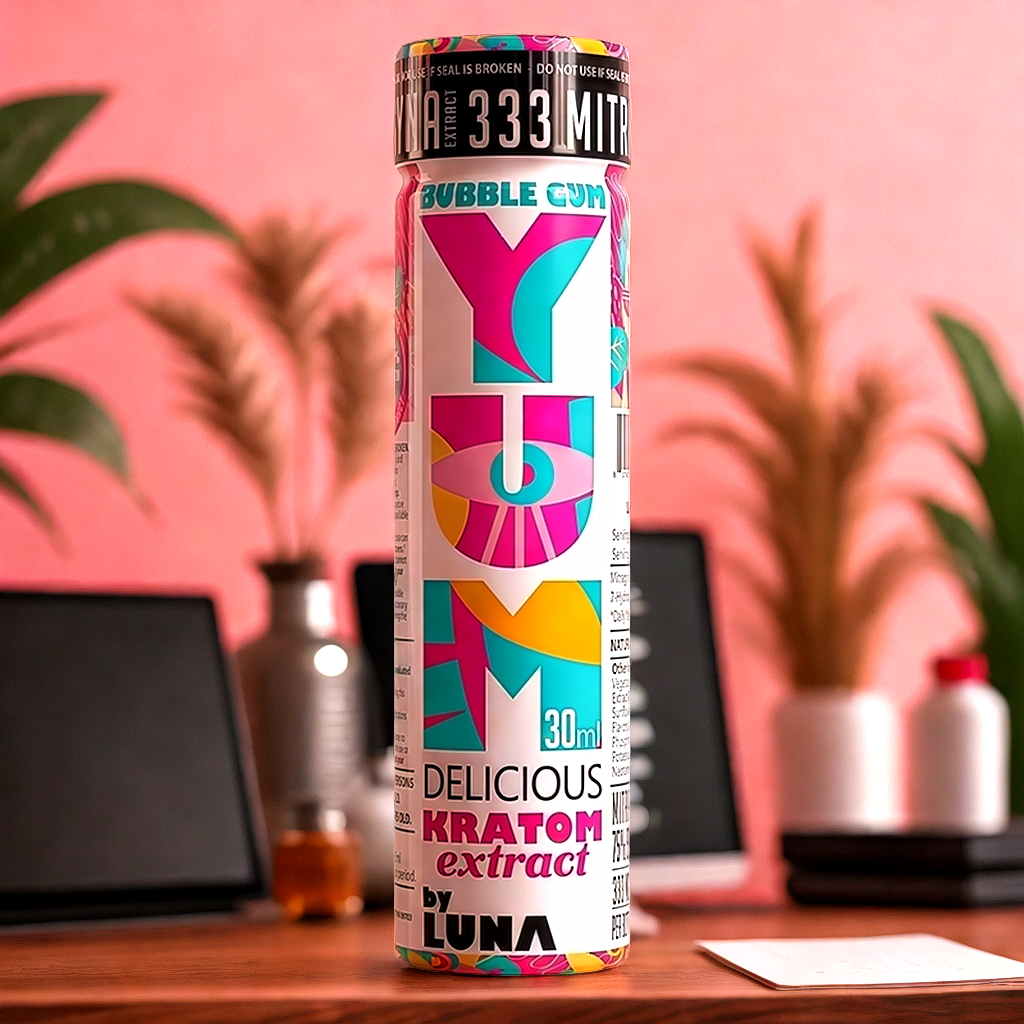
Ready to experience what a properly balanced, actually good-tasting kratom extract feels like? YUM was designed for exactly this moment: your first step into clean, focused energy without the guesswork. Start with one capful and see what unstoppable feels like.