
Kratom Curious? The Self-Observation Journal Framework for Making Your Own Informed Decision
 Marcus Chen
Kratom Curious? The Self-Observation Journal Framework for Making Your Own Informed Decision
You’ve read the government warnings. You’ve seen the Reddit threads claiming kratom changed someone’s life. You’ve probably noticed that every search result either tells you it’s dangerous or wonderful, with almost nothing useful in between.
Here’s the thing nobody wants to admit: whether kratom works for you isn’t something anyone else can answer. Not the FDA. Not enthusiasts online. Not even us.
What we can do is give you a framework for finding out yourself. This isn’t another “what is kratom” explainer (we’ve written that guide already). This is a practical tool for designing your own experiment, documenting what actually happens, and making a decision based on your data rather than someone else’s opinion.
Think of this as your personal research protocol. Because honestly? You’re the only one qualified to determine whether this botanical fits your life.
Why Your Experience Will Be Different From Everyone Else’s
Let’s get something out of the way first: the reason kratom discourse is so confusing is that individual responses vary wildly. This isn’t marketing speak. It’s basic biochemistry.
Your body chemistry, metabolism, current health status, what you ate that day, how much sleep you got, your caffeine tolerance, your expectations, the quality of the product you try, and about a dozen other factors will influence what you experience. Two people can try the exact same product at the exact same dose and have completely different reactions.

This is why reading about someone else’s experience only gets you so far. Their body isn’t your body. Their baseline isn’t your baseline. Their definition of “focus” or “energy” might mean something entirely different than yours.
Even medical and government sources acknowledge this individual variation, though they typically frame it as unpredictability rather than personalization. Both framings point to the same truth: the only way to know how kratom affects you is to find out systematically.
That’s where this framework comes in. Instead of guessing based on what worked for someone else, you become your own test subject with a structured approach to collecting real data.
Before You Try Anything: The Baseline Inventory
You can’t evaluate whether something changed if you don’t know where you started. This is the part most people skip, and it’s why they end up with vague impressions instead of useful conclusions.
Before your first experience with kratom, spend one week documenting your normal state. Not trying to optimize or improve anything. Just observing and recording what’s actually true for you right now.
Important: This framework is designed for adults 21 and older. If you have any medical conditions or take any medications, talk to your healthcare provider before experimenting with any new botanical. This isn’t legal advice, and it’s not a substitute for professional guidance.
Your Pre-Experiment Assessment (Record Daily for 7 Days)
Energy patterns:
- What time do you naturally feel most alert?
- When does your energy typically crash?
- How many cups of coffee or caffeinated drinks do you consume?
- How would you rate your average energy from 1-10?
Sleep quality:
- How many hours do you typically sleep?
- How long does it take you to fall asleep?
- Do you wake up feeling rested or groggy?
- Any patterns you notice (better on weekends, worse after alcohol, etc.)?
Mood and mental state:

- What’s your general baseline mood?
- How often do you feel stressed or anxious?
- How would you rate your ability to focus on demanding tasks?
- What tends to improve or worsen your mental state?
Substance consumption:
- Caffeine: how much, how often, what time of day?
- Alcohol: frequency, typical amount, how it affects your next day?
- Any supplements, adaptogens, or other botanicals you currently use?
Physical state:
- Activity level (sedentary, moderate, active)?
- Any chronic discomfort or physical issues?
- Eating patterns that affect how you feel?
Write this down. Seriously. A notes app works fine. You’ll reference this data later when evaluating whether kratom actually changed anything meaningful.
The 30-Day Self-Observation Protocol
This isn’t about using kratom every day for 30 days. That would be the opposite of what we recommend. This is a window during which you’ll have a handful of planned, documented experiences with breaks in between.

If you want detailed guidance on actual first-time protocols, we’ve covered that in our first-timer’s guide. What follows here is the observation and documentation framework.
Days 1-7: First Impressions
Goal: One or two initial experiences with at least 3-4 days between them.
Start with a single, small serving. One capful if you’re using a shot. Less than you think you need. The “less is more” philosophy isn’t marketing fluff; kratom has a dose-response relationship where more doesn’t necessarily mean better, and lower amounts often provide cleaner effects.
Document immediately after:
- Time you consumed it
- Whether you had food in your stomach
- How long until you noticed anything (or didn’t)
- First impressions of the experience
Document at the 2-hour mark:
- Energy quality (1-10 compared to your baseline)
- Focus/mental clarity (1-10)
- Any physical sensations, positive or negative
- Overall mood
Document the next morning:
- Sleep quality compared to your baseline
- How you feel upon waking
- Any lingering effects, good or bad
- Whether you’d describe the overall experience as positive, neutral, or negative
Days 8-14: Context Variables
Goal: Two more experiences, varying the conditions to see what affects the outcome.
Try it at different times of day. Try it with food versus on an empty stomach. Try it on a low-stress day versus a demanding one. Each time, document the same metrics.
The question you’re answering: Does context change the experience significantly?
Some people find kratom works best first thing in the morning. Others find afternoon timing optimal. Some notice a big difference depending on whether they’ve eaten. You won’t know your patterns without testing them.
Days 15-21: Pattern Recognition
Goal: Review your documentation so far and identify what’s consistent.
By now you should have 3-4 documented experiences. Look for patterns:
- Is the onset timing consistent?
- Do certain conditions produce better results?
- Are there any negative effects that appear reliably?
- How does your next-day assessment vary?
- What’s your honest overall impression forming?
If the pattern emerging is clearly negative, stop here. You’ve got your answer. If it’s clearly positive, you can continue with one or two more experiences. If it’s mixed, pay attention to which variables correlate with better outcomes.
Days 22-30: Decision Data
Goal: Final experiences (if warranted) and comprehensive evaluation.
Based on your pattern recognition, optimize conditions for one or two final documented experiences. Then compile everything into your decision framework.
What to Track (And What the Data Tells You)
Your journal should produce usable data, not vague feelings. Here’s a simple scoring system:
Energy Quality (1-10):
- 1-3: Noticeably worse than baseline
- 4-5: No meaningful difference from baseline
- 6-7: Noticeable improvement, but subtle
- 8-10: Significant improvement, clear benefit
Focus Clarity (1-10):
- Same scale. Be honest. Did you actually get more done, or did you just feel like you could?
Duration:
- How many hours until the effects were no longer noticeable?
Crash/Comedown:
- Did the effects taper gradually or drop suddenly?
- Any negative feelings as it wore off?
Next-Day Assessment:
- Same or better than your documented baseline?
- Any negative carryover?
What Patterns Mean
Consistently 7+ scores, gradual tapering, no negative next-day effects: Strong signal that kratom might be a good fit for occasional use in your life. Worth exploring further with attention to sustainable patterns.
Scores of 5-7, variable results, some good days and some meh: Could work for you with optimized conditions (timing, context, product quality). Or might not be worth the inconsistency. Your call.
Scores below 5, crashes, negative next-day effects: Clear signal this isn’t for you. No shame in that. Your body is telling you something. Listen to it.
For more context on why individual responses vary so much, our piece on dose-response differences goes deeper.
Red Flags That Mean Stop Immediately
Responsible self-experimentation requires knowing when to pull the plug. This isn’t about being paranoid. It’s about having clear criteria before you start.
Stop immediately if you experience:
- Significant nausea or physical discomfort that doesn’t resolve within an hour. Some products taste bad, which is different. Actual physical distress is a stop signal.
- Rapid heart rate, dizziness, or any concerning physical symptoms. These are your body saying no.
- Wanting to use it more frequently than your protocol specified. If you planned for twice a week and find yourself thinking about daily use, that’s important information.
- Using it to avoid feelings rather than enhance performance. There’s a difference between wanting clean energy for a productive afternoon and using something to not feel something else. Be honest about which one you’re doing.
- Needing more than your initial serving to feel the same effect. Early tolerance development is a warning sign that the substance isn’t working sustainably for you.
- Anyone in your life expressing concern about your use. Outside observers sometimes see patterns we miss.
Responsible use means being willing to conclude “this isn’t for me.” If you can’t accept that outcome, don’t start the experiment.
Making Your Decision: What Your Data Is Telling You
After 30 days of documented observation, you should have enough information to make a real decision. Not a feeling. Not what you hoped would happen. What actually happened, recorded in your own notes.
Questions to answer honestly:
- Did kratom enhance my performance in meaningful, measurable ways?
- Were the benefits consistent, or was it hit-or-miss?
- Did I stick to my planned usage frequency?
- Do I feel completely in control of whether and when I use it?
- Were there any concerning effects, even minor ones?
- Would I recommend this experience to a friend I care about?
The Decision Matrix
Continue with current protocol: All or most of your documented experiences were positive. You stuck to your plan. No red flags appeared. You feel neutral about whether you use it or not, meaning there’s no compulsion. In this case, kratom might be a reasonable occasional addition to your toolkit.
Adjust and try again: Results were inconsistent but promising. You identified variables that correlated with better outcomes. No red flags, but not a clear yes either. You might benefit from another 30-day window with adjusted conditions (different timing, different product, different context).
This isn’t for me: Results were negative, inconsistent, or concerning. Or the whole process felt like more trouble than it was worth. Or you found yourself wanting to bend the rules of your own protocol. Any of these = walk away. There are plenty of other options for energy, focus, and feeling good that might work better for your specific biology.
We’ve covered some of those alternatives in our comparison guide if you want to explore different approaches.
If You Decide Kratom Is Right For You: Quality Matters
Assuming your experiment went well and you’re planning to incorporate kratom occasionally, product quality becomes the next consideration.
Not all kratom products are created equal. The botanical extraction process, alkaloid balance, sourcing practices, and even taste vary enormously across the market. A bad product can turn a potentially positive experience into a negative one.
What to look for:
- Transparent testing: Companies that publish third-party lab results are showing you they have nothing to hide. Ask for COAs (Certificates of Analysis) if they’re not readily available.
- Balanced alkaloid profiles: Products optimized for one isolated compound often produce harsher effects than those with natural alkaloid balance.
- Taste that doesn’t require suffering: Life’s too short to choke down something that tastes like dirt mixed with battery acid. Some products have actually solved this problem.
- Consistent experiences: Quality control matters. If every batch feels different, that’s a red flag about the supplier.
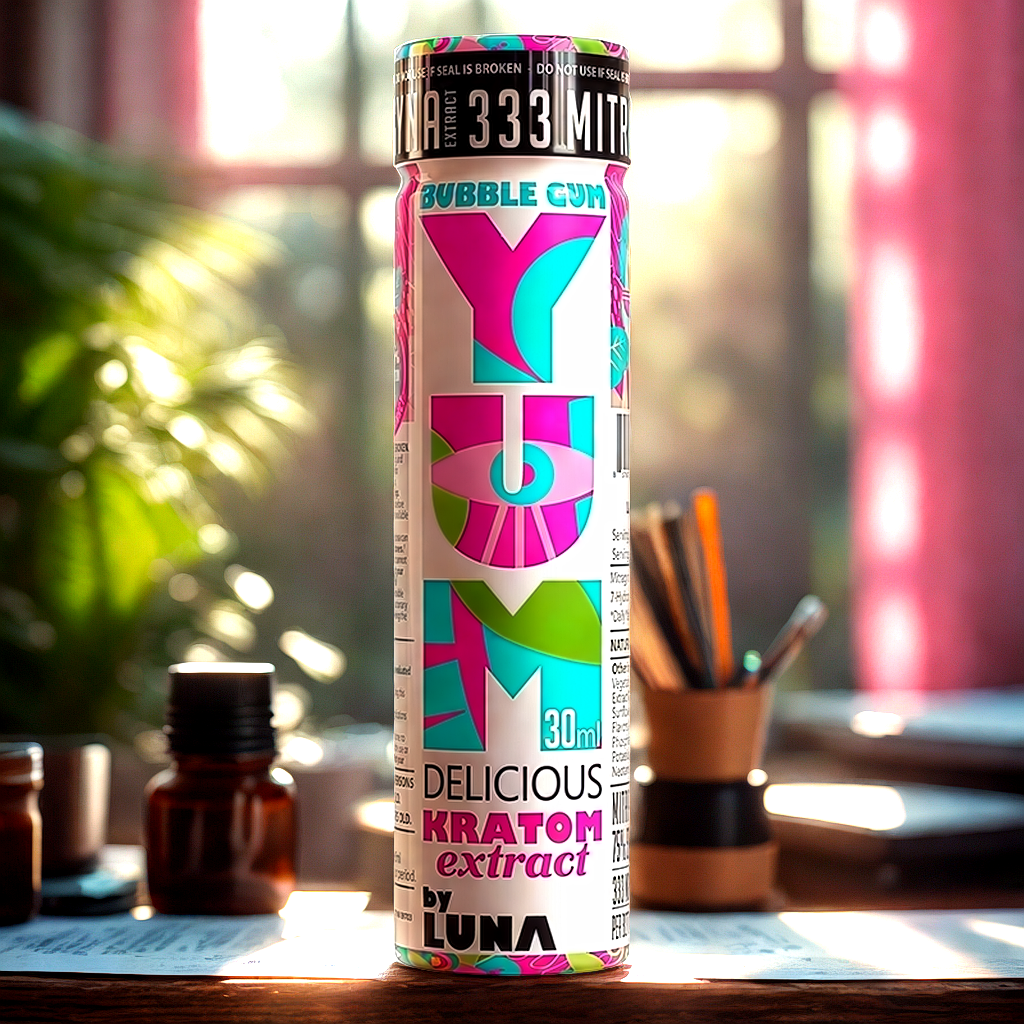
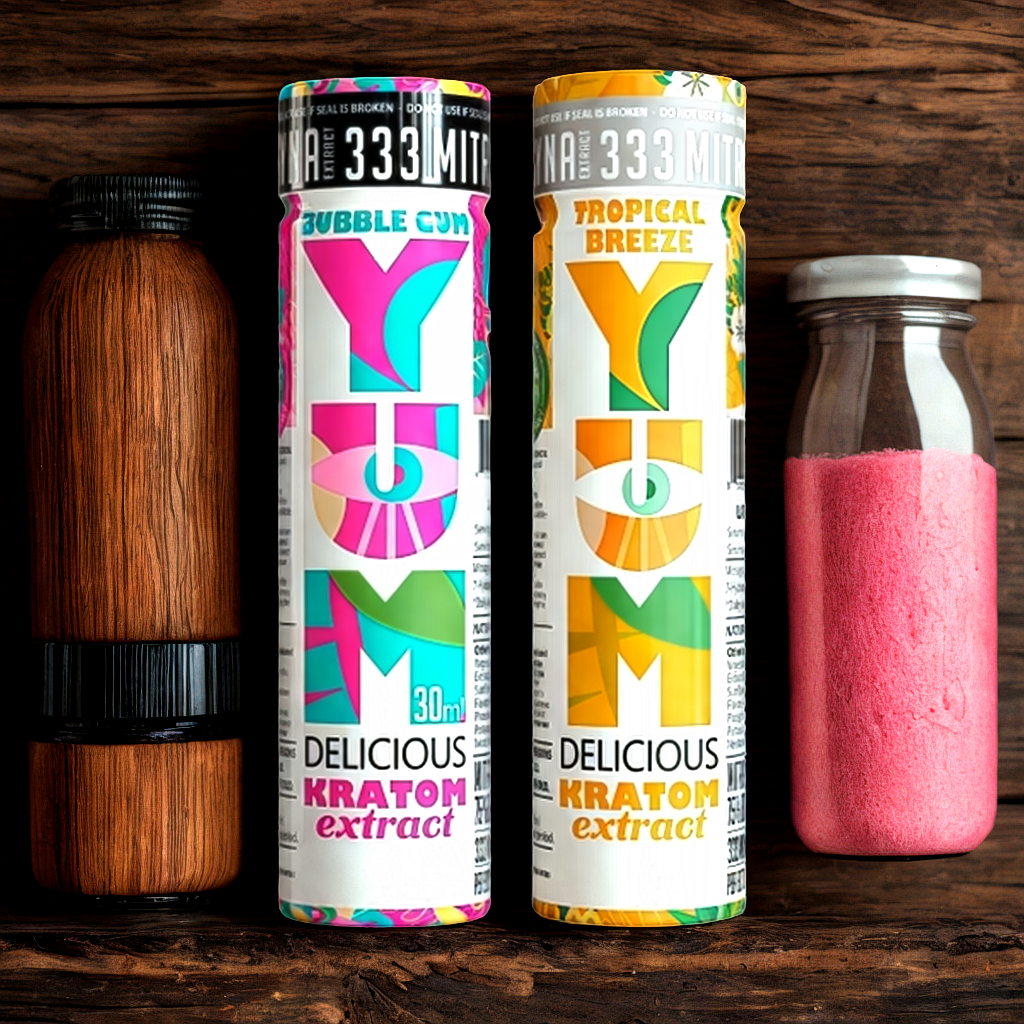
YUM was built for people who want clean energy without the crash, and taste that doesn’t make the experience miserable. If your 30-day experiment convinced you that kratom works for you, we designed our product for exactly that use case. Check out our products if you’re ready to run your experiment with a product that won’t make you suffer through the process.
Frequently Asked Questions
How long should I wait between trying kratom to get accurate self-observation data?
At minimum, 3-4 days between experiences during your observation window. This gives your body time to fully clear the effects and return to baseline, making each data point independent. If you’re experiencing anything sooner, you’re not getting clean data, you’re getting compounded effects. For the purposes of this framework, spacing matters more than frequency.
What if my experience doesn’t match what I’ve read online?
Then your experience is your experience. That’s the whole point of this framework. Online accounts, whether glowing testimonials or horror stories, represent individual responses that may have nothing to do with your biology, the product quality they used, or the context of their use. Trust your documented data over anyone else’s reported experience, including ours.
Should I tell my doctor I’m doing this self-experiment?
Yes, especially if you take any medications or have any health conditions. We’ve written extensively about how to have that conversation with your healthcare provider. Being upfront with your medical team isn’t paranoid; it’s smart risk management. They can flag potential interactions you might not know about and provide monitoring if warranted.
How do I know if I’m using kratom responsibly versus developing a problematic pattern?
Responsible use means: you can take it or leave it without emotional resistance, you’re sticking to planned frequency without drift, you’re using it for specific purposes rather than as a default state, and you can go extended periods without it and feel fine. Problematic patterns include: increasing frequency beyond your plan, needing more to feel the same effect, using it to cope rather than enhance, and feeling anxious or irritated when you can’t use it. If you’re being honest with yourself, the distinction is usually clear.
Your Data, Your Decision
We’ve given you a framework. What you do with it is up to you.
The reality is that nobody, not doctors, not the FDA, not kratom enthusiasts, not us, can tell you whether this botanical will work for your specific body and life. They can share information, and we’ve tried to do that responsibly. But the final judgment has to come from your own documented experience.
If you run this experiment honestly, with real baseline data and systematic observation, you’ll know more about how kratom affects you than most people who’ve used it for years. You’ll have actual data instead of impressions. And you’ll be able to make a truly informed decision.
That’s the goal. Not to sell you on kratom. To help you figure out if it belongs in your life.
Ready to run your own experiment? YUM was designed for people who want clean energy without the crash, and taste that doesn’t make the experience miserable. Start with a single shot, follow your framework, and trust your own data.