
Kratom Behind the Counter: The Retail Professional's Guide to Answering Customer Questions With Confidence
 Ryan Okafor
Kratom Behind the Counter: The Retail Professional’s Guide to Answering Customer Questions With Confidence
Someone just asked you what kratom is, and you’re standing there trying to remember what your manager said during the five-minute product rundown two weeks ago. Sound familiar?
You’re not alone. Kratom has gone from niche botanical to mainstream product category faster than most retailers could update their staff training. It’s showing up in kava bars, smoke shops, convenience stores, and even some wellness boutiques. And every person working in these spaces is now expected to answer questions about a product they’ve probably never used themselves.
This guide exists because you shouldn’t have to fake expertise. You need enough knowledge to serve customers confidently, answer their questions honestly, and protect yourself (and your employer) from saying things you shouldn’t. That’s it. You’re not becoming a kratom sommelier. You’re becoming a competent professional who doesn’t freeze when someone asks, “So what exactly is this stuff?”
Why You’re Reading This (And Why It Matters for Your Job)
Let’s be honest about the situation. Kratom isn’t something you chose to learn about. It’s something that landed on your counter, behind your bar, or in your cooler because consumer demand made it worth stocking. Now you’re the point-of-sale expert whether you like it or not.
Here’s what’s actually at stake:
- Looking uninformed loses sales. When a customer asks questions and you shrug, they either leave empty-handed or buy from someone who sounds like they know what they’re talking about.
- Saying the wrong thing creates liability. Making medical claims about kratom (or any supplement) can create legal problems for you and your employer. This isn’t paranoia. It’s retail reality.
- Confident staff create repeat customers. People appreciate honest, knowledgeable service. They come back. They tell friends.

You don’t need to become a kratom advocate or enthusiast. You need to be a professional who can explain what you’re selling without making stuff up or stumbling through answers. That’s the goal here.
Kratom 101: The 60-Second Briefing You Actually Need
Here’s your baseline knowledge. This is what you need to know to explain kratom to any customer in under a minute:
What it is: Kratom comes from the leaves of Mitragyna speciosa, a tropical tree native to Southeast Asia (primarily Indonesia, Thailand, and Malaysia). The leaves contain natural compounds called alkaloids, with the primary ones being mitragynine and 7-hydroxymitragynine. These alkaloids interact with receptors in the body and produce effects that users describe in various ways.

How it’s consumed: Kratom is sold as raw powder (made from dried, crushed leaves), capsules (powder in pill form), and liquid extracts or shots (concentrated forms that are typically more potent per serving). If you want to understand the differences between kratom extract formats, there’s more detail available, but for your purposes, know that extracts are concentrated and hit faster.
Traditional use: People in Southeast Asia have used kratom leaves for generations, often chewing them or brewing them as tea. It’s not a new discovery. It’s a traditional botanical that’s now reaching Western markets.
Regulatory status: Kratom is NOT FDA-approved for any medical use. This is important. The FDA has not evaluated kratom products for safety or efficacy in treating any condition. It’s sold as a dietary supplement or botanical product.
Legal status: Kratom is legal at the federal level, but several states and localities have banned or restricted it. You should know your state’s status. If you’re in Alabama, Arkansas, Indiana, Rhode Island, Vermont, or Wisconsin, kratom is prohibited statewide. Some cities and counties in otherwise legal states also have restrictions.
Effects are dose-dependent: Users report that lower amounts tend to produce more energizing effects, while larger amounts tend to produce more relaxing effects. Individual experiences vary significantly based on body chemistry, tolerance, and product quality.
That’s your foundation. You can now answer “What is kratom?” without looking lost.
The Questions Customers Actually Ask (And How to Answer Them)
Forget hypothetical questions. These are the ones you’ll hear behind the counter, along with professional responses that keep you compliant and helpful.

“What does it feel like?”
Good answer: “Customer experiences vary a lot. Some people describe a sense of energy and focus at smaller servings, and more relaxation at larger amounts. It’s very individual. Most people recommend starting with a small amount to see how your body responds.”
Why this works: You’re accurately describing what customers report without making claims about specific effects. You’re also steering them toward responsible use.
“Is it safe?”
Good answer: “Kratom products aren’t FDA-approved, so I can’t make safety claims. What I can tell you is that quality matters a lot with botanicals. Products that are third-party tested give you more confidence about what’s actually in them. If you have any health conditions or take medications, it’s worth talking to your doctor first.”
Why this works: You’re being honest about regulatory status while directing them toward quality markers and healthcare guidance. You’re not saying “yes, it’s totally safe” (which you can’t) or “it’s dangerous” (which isn’t your call either).
“Is it legal here?”
Good answer: “It’s legal to sell here, yes. Kratom is federally legal but some states have restrictions. If you’re traveling or live near a state border, you might want to double-check the laws where you’re headed.”
Why this works: You’re confirming legality in your location (since you’re selling it) while flagging that it varies. This protects customers and shows you’re informed.
“How is this different from that other kratom product?”
Good answer: “The main differences are usually format and concentration. Powder is the least processed. Capsules are powder in pill form, easier to dose but slower to take effect. Extracts and shots are concentrated, so they’re more potent per serving. Quality also varies between brands. Products with third-party testing and clear labeling are generally more reliable.”
Why this works: You’re explaining real differences without trashing other products (never a good look) and steering toward quality indicators.
“What’s the right amount?”
Good answer: “For anyone new to kratom, starting small is the standard advice. Most brands recommend beginning with one capful or a small serving and waiting to see how you respond before taking more. Less is more with kratom. You can always add, but you can’t subtract.”
Why this works: You’re giving practical guidance that aligns with responsible use without prescribing specific dosages (which you’re not qualified to do).
“Will it show up on a drug test?”
Good answer: “Standard drug panels don’t test for kratom alkaloids. But specialized tests can detect them if someone specifically tests for kratom. If drug testing is a concern for your job or situation, you might want to research this more or ask whoever administers the tests.”
Why this works: You’re giving accurate general information while acknowledging you’re not an expert on their specific testing situation.
What Separates Quality Products from Gas Station Garbage
Not all kratom is created equal. This matters for your job because customers will ask about it, and because stocking quality products makes your life easier (fewer complaints, fewer returns, more repeat customers).
Here’s what to look for when evaluating products:
Third-party testing: Reputable brands test their products through independent labs for purity, potency, and contaminants (heavy metals, bacteria, etc.). If a brand can point to lab-tested quality documentation, that’s a good sign. If they can’t tell you anything about testing, that’s a red flag.
Alkaloid balance: Quality kratom products focus on balanced alkaloid profiles rather than just maxing out one compound. You’ll sometimes hear about products being “high mitragynine” or having specific alkaloid ratios. The key thing is balance. Products that artificially spike one alkaloid (especially 7-hydroxymitragynine) can produce harsher, less predictable experiences.
Clear labeling: Does the product clearly state what’s in it? Does the brand provide information about sourcing? Vague labels and mystery ingredients are warning signs.
Taste and palatability: This sounds like a minor detail, but it actually signals quality. Most kratom is genuinely bitter and unpleasant. Products that taste better (without excessive artificial sweeteners) often indicate better formulation and quality control. As many customers discover, the palatability problem is real, and brands that solve it usually care more about the overall experience.
Brand reputation: Has the brand been around? Do they have transparent practices? Are they members of industry organizations like the American Kratom Association? These aren’t guarantees of quality, but they indicate a company that’s invested in doing things right.
When customers ask which product to choose, you can guide them toward these quality markers without needing to personally vouch for any specific brand.
The Compliance Reality: What You Can and Can’t Say
This section might save your job. Pay attention.
Things you can NEVER say about kratom:
- It treats, cures, or prevents any disease or medical condition
- It’s a substitute for prescription medication
- It’s FDA-approved or endorsed by any government agency
- It’s completely safe or has no side effects
- It’s not addictive or has no potential for dependence
- It will definitely produce a specific result
Things you CAN say:
- This is what the product contains (based on labeling)
- This is how customers generally describe their experience
- This brand is third-party tested
- Starting with a small serving is recommended
- You should consult a healthcare provider if you have medical conditions or take medications
- Here’s the information on the label
Age restrictions: Kratom products should only be sold to adults 21 and over. Check ID if you’re uncertain. This protects you, your employer, and the industry.
State legality: Always verify your state allows kratom sales. If someone mentions they’re from a state where it’s restricted, don’t sell to them for use in that state.
The easiest rule of thumb: if it sounds like a medical claim, don’t say it. Stick to what’s on the label, what customers report, and what responsible use looks like. When in doubt, recommend they consult a healthcare provider or do more research.
Spotting the Customer Who Needs Redirection
Most customers just want information about a product they’re curious about. But some conversations should trigger a gentle redirect.
The person asking about kratom for medical purposes: If someone says they want kratom for chronic pain, anxiety, depression, withdrawal, or any other medical condition, your response should be: “I can’t make recommendations for medical purposes. That’s really something to discuss with a healthcare provider. What I can tell you about is the product itself.”
You’re not being unhelpful. You’re being appropriate. Healthcare conversations about kratom belong with healthcare professionals, not retail staff.
The person who seems impaired: If a customer appears intoxicated or impaired, treat the situation the same way you would with alcohol sales. You’re not obligated to sell, and in most cases, you shouldn’t.
The person who mentions being under 21: No sale. Full stop. “I can’t sell this to anyone under 21. That’s our policy.”
The person asking about combining kratom with other substances: “I’m not qualified to give advice on combining substances. That’s something to research carefully or discuss with a doctor.” Don’t speculate about interactions.
The person who seems like they might have a substance issue: This one’s harder. Trust your instincts. If someone’s behavior suggests problematic use patterns, you can decline the sale or keep the interaction brief and informational. You’re a retail professional, not a counselor, but you’re also not required to sell to everyone.
Your Cheat Sheet: The One-Page Reference
Print this. Keep it behind the counter.
Quick Product Facts
- Kratom = leaves from a Southeast Asian tree
- Active compounds = mitragynine and 7-hydroxymitragynine (alkaloids)
- Formats = powder, capsules, extracts/shots
- Effects = dose-dependent, varies by person
- NOT FDA-approved for any medical use
- Legal federally, some states restrict
Quality Markers
- Third-party testing (ask for lab results)
- Clear labeling with ingredients
- Balanced alkaloid profile
- Established brand reputation
Compliance Rules
- 21+ ONLY (check ID)
- NO medical claims ever
- NO promises about effects
- Recommend healthcare provider for medical questions
- Know your state’s legal status
Recommended Language
- “Customer experiences vary…”
- “Starting small is recommended…”
- “This brand uses third-party testing…”
- “I’d recommend discussing that with a healthcare provider…”
Red Flag Customers
- Asking about medical treatment → redirect to doctor
- Appears impaired → decline sale
- Under 21 → no sale
- Asking about combinations → decline to advise
Frequently Asked Questions (The Retail Staff Edition)
Can I tell customers kratom will help with their pain, anxiety, or sleep?
No. Never. Making claims about kratom treating, curing, or helping with any medical condition is a compliance violation. You can say that customers report various experiences, but you cannot promise specific results or recommend it for health conditions. If someone’s looking for help with a medical issue, direct them to a healthcare provider.
What should I say when customers ask if kratom is addictive?
Be honest and balanced. “Kratom does interact with receptors in the body, and some people report dependence with regular heavy use. It’s one of the reasons responsible use, including taking breaks and not exceeding recommended servings, is important. If you’re concerned about dependence, it’s worth researching more or talking to a healthcare professional.” Don’t claim it’s completely non-addictive (you can’t), but don’t overstate the risks either.
How do I explain the difference between extracts and regular kratom powder?
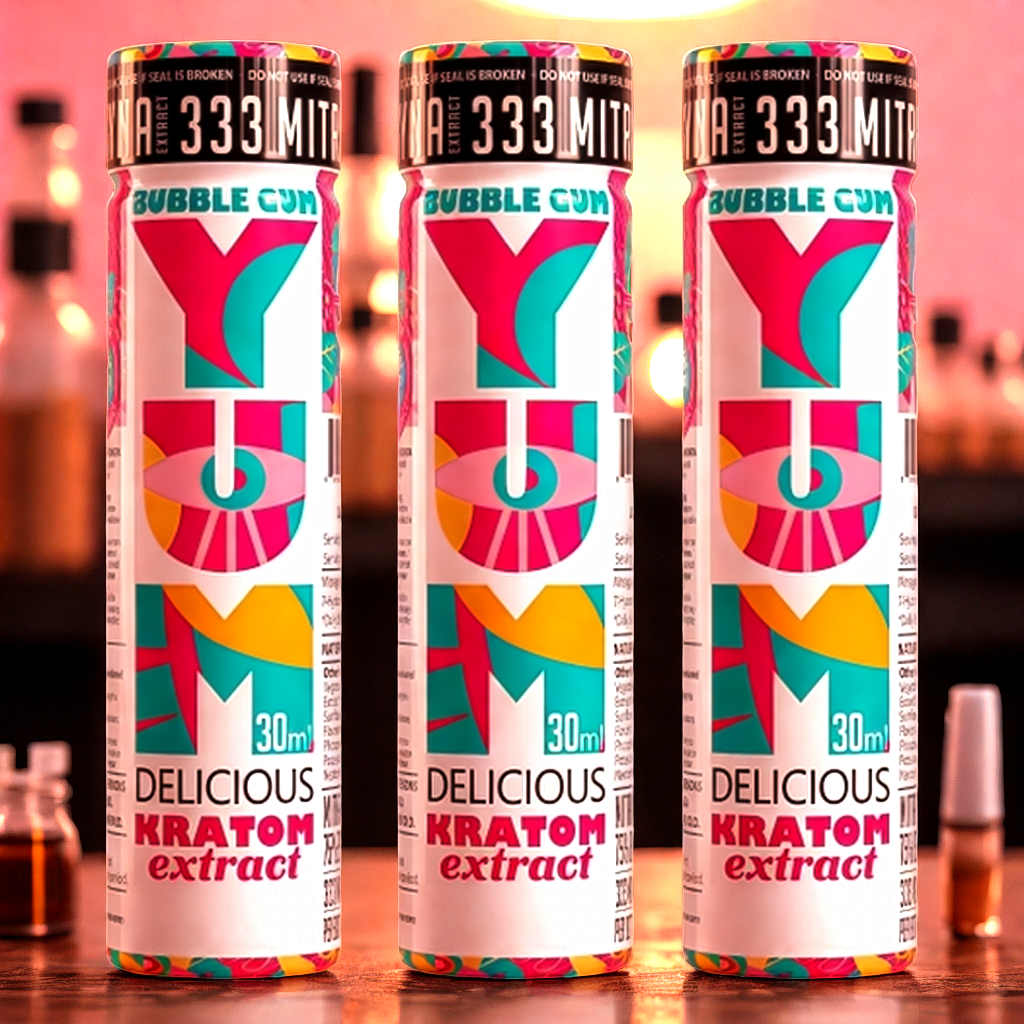
Extracts are concentrated forms of kratom. Think of it like the difference between coffee and espresso. The powder is ground-up leaves. Extracts take the active compounds and concentrate them, so you get more potency in a smaller amount. Shots like our kratom products are extract-based and designed for convenience and consistent dosing. For someone new to kratom, the advice is the same either way: start with a small serving.
What do I do if someone wants to buy kratom but seems like they might have a substance issue?
Use your judgment. You’re not required to sell to every customer. If someone’s behavior raises red flags, you can keep the interaction brief, decline the sale, or (in situations that feel concerning) involve a manager. You’re a retail professional, not a gatekeeper for everyone’s choices, but you’re also allowed to use common sense. If something feels off, trust your instincts.
Why This All Matters for the Products You Stock
Here’s the reality: the kratom products on your shelves aren’t all equal. Some are carefully formulated by brands that invest in quality, testing, and actually making something people enjoy consuming. Others are low-quality products that give customers a bad experience and make your job harder.
When you stock quality products, several things happen:
- Fewer customer complaints about bad experiences
- Easier conversations because the products deliver what they should
- Repeat customers who trust your recommendations
- Less time dealing with returns or dissatisfied buyers
Brands like YUM specifically focus on balanced alkaloid profiles and actual palatability (most kratom tastes genuinely terrible, so products that don’t are worth noting). Third-party testing, clear labeling, and transparent practices make these products easier to stand behind. If you’re making stocking decisions or have input on what your location carries, quality matters for your day-to-day experience, not just abstract product standards.
For more background on what separates good products from questionable ones, the guide on finding quality kratom shots and avoiding garbage covers the specifics.
You didn’t sign up to become a kratom expert. But now that it’s part of your job, you might as well be good at it. Answer questions honestly, stay compliant, recommend quality, and redirect when necessary. That’s professional retail work, regardless of the product category.
Now go answer that customer’s question. You’ve got this.