
Kratom at the Kava Bar: The Real-Time Guide for When You're Seeing This Stuff Everywhere and Don't Know What to Think
 YUM Kratom Team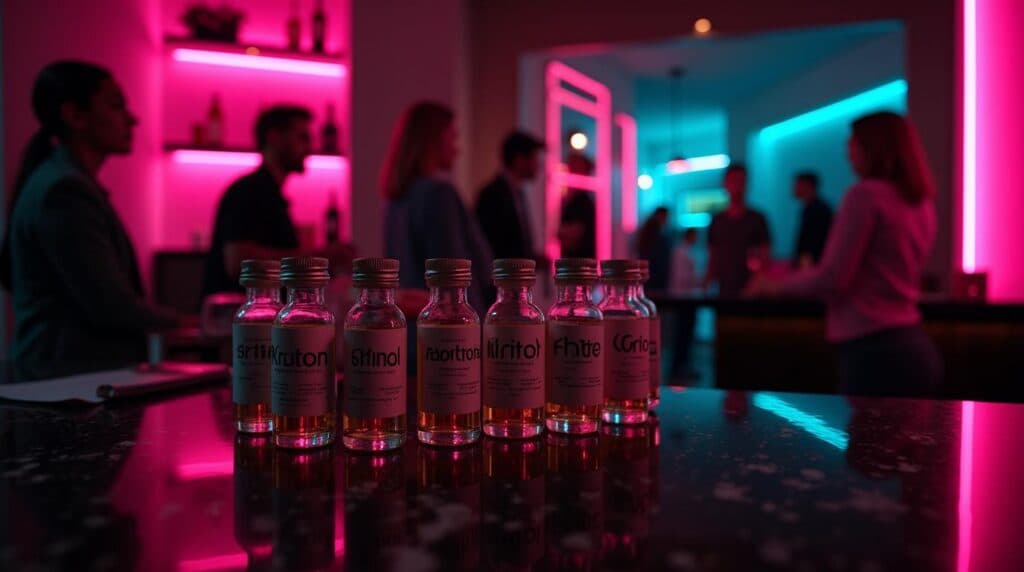
Kratom at the Kava Bar: The Real-Time Guide for When You’re Seeing This Stuff Everywhere and Don’t Know What to Think
You’re at a kava bar. Or maybe it’s a friend’s apartment after a dinner party. Could be one of those sober-curious gatherings that keep popping up in your city. Someone hands you a small bottle or pours you a shot of something that definitely isn’t alcohol, and suddenly half the room is sipping on whatever this is while you’re standing there wondering if you missed a memo.
“It’s kratom,” someone says, like that explains everything.
It doesn’t. And now you’re trying to figure out what’s happening, whether you should participate, and if this evening is about to get weird. You probably pulled out your phone to Google this very question, which is exactly why this guide exists.
Here’s everything you need to know, right now, while you’re actually in this situation.
You’re Somewhere and Everyone’s Drinking Something That Isn’t Alcohol
First, let’s acknowledge what’s happening. Kratom has become increasingly visible in social settings over the past few years. Kava bars that used to serve only kava now stock kratom shots behind the counter. Sober-curious events and alcohol-free networking gatherings often feature it as an option. Your friend who quit drinking six months ago might have a few bottles in their fridge.
This isn’t some underground scene. Many people have integrated kratom into social settings as an alternative to alcohol, and if you’re noticing it more often, that’s not your imagination. The sober curious movement has brought botanicals like kava and kratom into mainstream social spaces.
The room around you probably looks pretty normal. People are chatting, laughing, maybe dancing if there’s music. Nobody’s stumbling or slurring. The energy might feel slightly different than a typical bar, often more talkative and present, but nothing that would make you think you’ve wandered into something you shouldn’t have.
You haven’t. You’re just witnessing a social shift that’s been building for a while.
The 90-Second Primer: What Kratom Actually Is (No Medical Jargon)
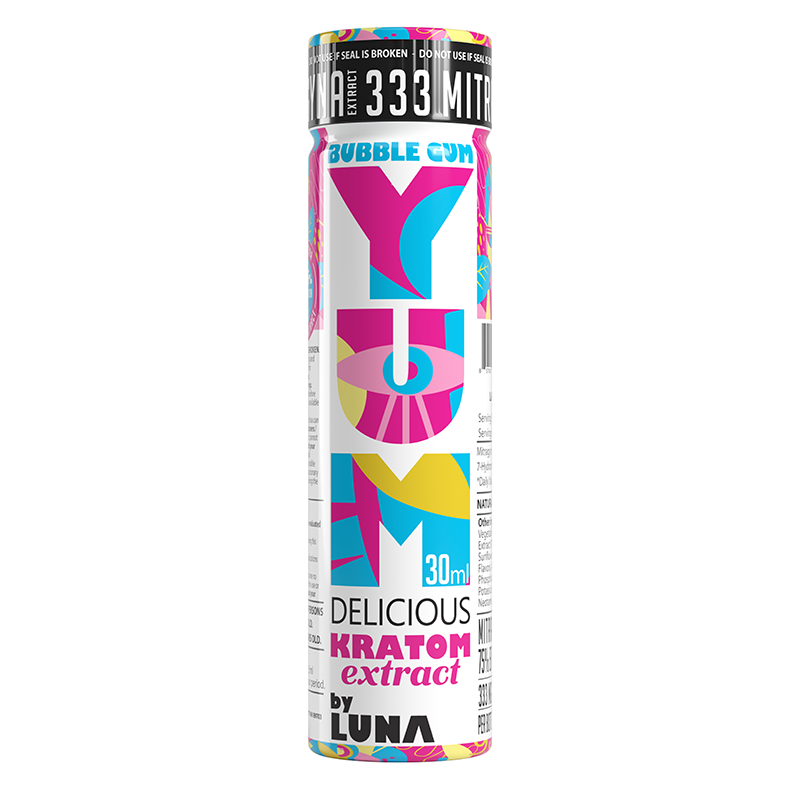
Kratom comes from Mitragyna speciosa, a tropical tree native to Southeast Asia. The leaves contain alkaloids (primarily mitragynine and 7-hydroxymitragynine) that create an experience people often describe as somewhere between a strong cup of coffee and something a bit more relaxing, depending on the amount consumed.
If you want the full science breakdown, that exists. But right now, here’s what matters:
- It’s a plant-based extract, not a synthetic substance
- It’s been used traditionally in Southeast Asia for generations
- The effects are dose-dependent, meaning smaller amounts tend to feel more energizing while larger amounts feel more relaxing
- It’s not alcohol, and it doesn’t create alcohol-like intoxication
- It’s legal in most US states (though banned in Alabama, Arkansas, Indiana, Rhode Island, Vermont, and Wisconsin)
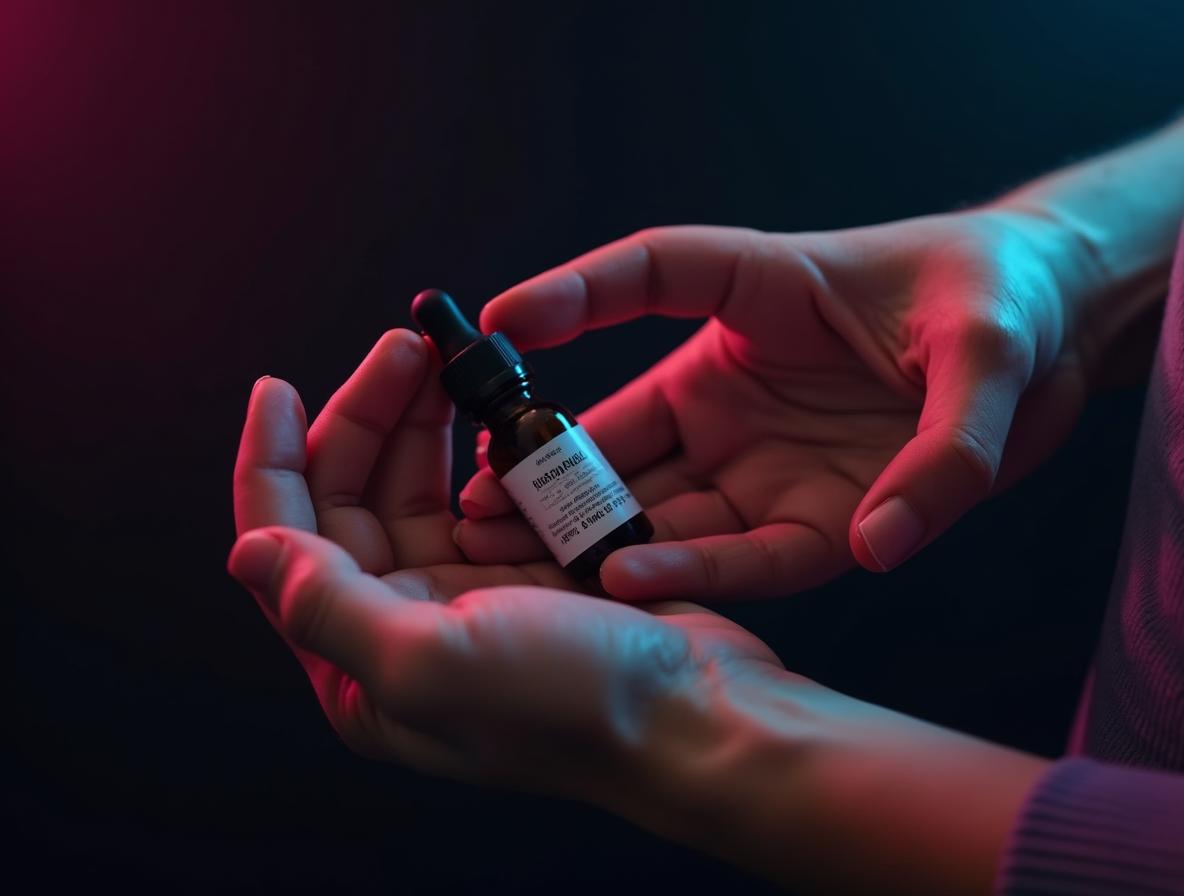
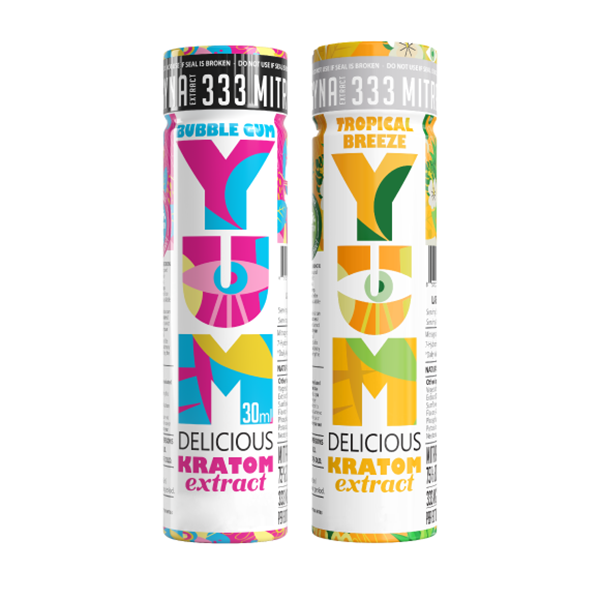
The formats you’ll typically see in social settings are extract shots (small bottles, concentrated) or drinks mixed by the bartender. Raw powder and capsules exist but aren’t usually what shows up at social gatherings because, honestly, the taste of raw kratom is challenging.
What the Room Is Going to Look Like After an Hour
Here’s the thing you’re probably most worried about: is everyone around you about to get messed up? Is this going to turn into something uncomfortable?
Short answer: almost certainly not.
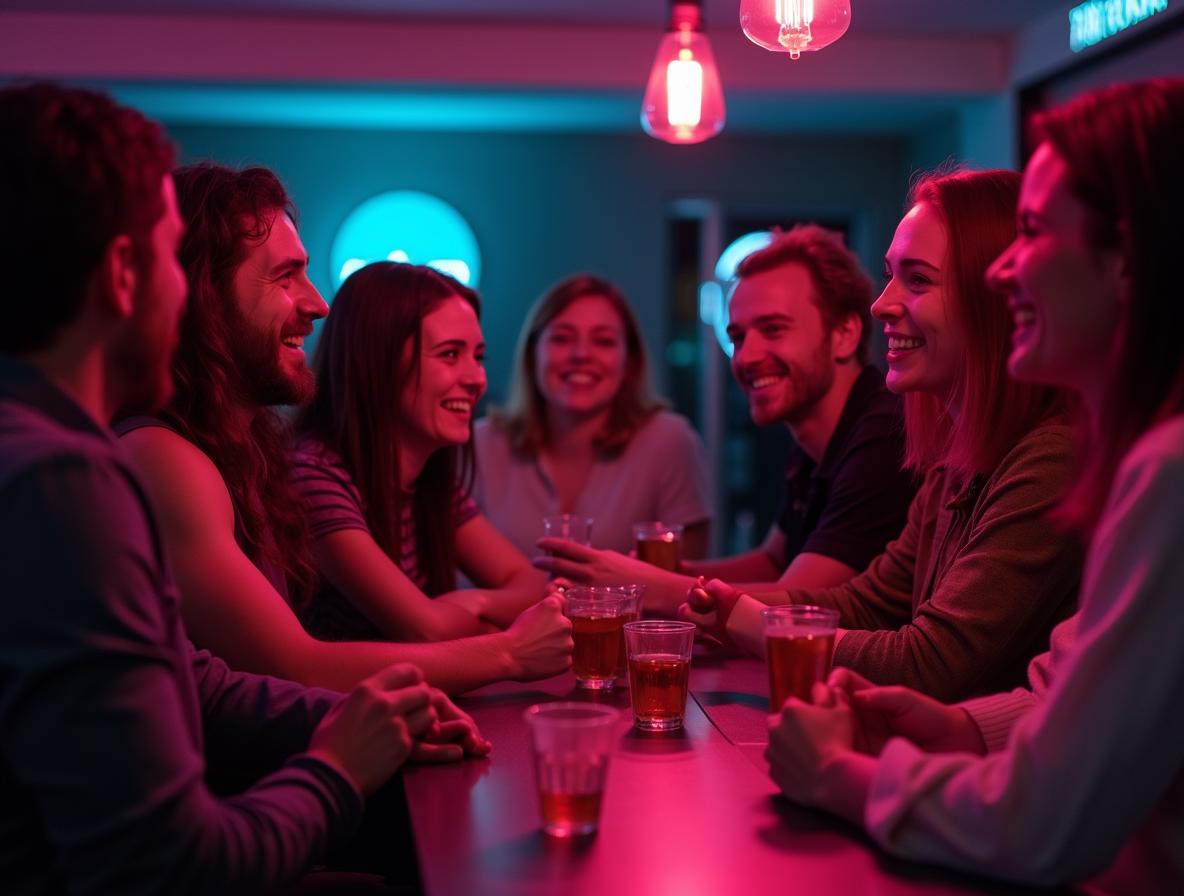
Kratom’s effects at social serving sizes tend to be subtle. What you’ll likely notice in the people around you:
- More conversation. People often report feeling more talkative and socially engaged.
- Relaxed energy. Think “calm and present” rather than “sedated” or “hyper.”
- Steady focus. Unlike alcohol, kratom doesn’t cloud thinking or impair coordination at reasonable amounts.
- General warmth. Many describe a subtle sense of wellbeing and ease.
What you won’t see:
- People stumbling or losing coordination
- Slurred speech or cognitive impairment
- Aggressive or erratic behavior
- Anyone “checking out” mentally
The timeline of effects typically runs about 20-40 minutes to onset, with peak effects lasting a few hours. Most people describe feeling entirely normal the next morning, sometimes even well-rested.
This isn’t a drug scene. It’s more like being at a coffee shop where everyone’s having a particularly good brew.
The Questions You’re Too Embarrassed to Ask Out Loud
Let’s handle the things you’re thinking but don’t want to ask the stranger next to you.
“Is this legal here?”
Kratom is legal at the federal level and in most states. The exceptions are Alabama, Arkansas, Indiana, Rhode Island, Vermont, and Wisconsin, where it’s banned. Some cities and counties also have restrictions. If you’re at a legitimate kava bar or public venue serving it, they’ve already done this homework. For a complete breakdown, check our state-by-state legal guide.
“Will I feel weird if I don’t participate?”
No. This isn’t like being the only person not drinking at a boozy event. Kava bars and sober-curious gatherings tend to attract people who’ve specifically chosen to move away from pressure-heavy drinking culture. Nobody cares if you order a ginger beer instead.

“Is this like accepting a drink from a stranger?”
Apply the same common sense you would anywhere. If you’re at a reputable establishment, they’re serving products they source and stand behind. If someone you don’t know hands you a random bottle at a house party, the same caution you’d use with any substance applies. Know what you’re consuming and where it came from.
“How do I know if what’s being offered is quality?”
Legitimate kava bars and venues that take this seriously will have information available about their sourcing. Good signs: they can tell you about their supplier, mention third-party testing, and aren’t defensive when asked questions. Red flags: vague answers, aggressively low prices, or products that look like they were bought from a gas station. If you want to understand quality markers better, this guide breaks it down.
“What if I have to drive later?”
Kratom doesn’t impair you like alcohol does, but that doesn’t mean you should drive without knowing how your body responds to it. If this is your first time, don’t plan to drive for several hours. Start with a small amount, see how you feel, and use good judgment. Your personal response matters more than what anyone else tells you is “fine.”
“What if I’m on medications?”
This is a conversation for your doctor, not a blog post. Kratom can interact with certain medications, and if you’re taking anything prescription, especially anything that affects the liver or CNS, you should consult a healthcare provider before trying it. Check out our healthcare conversation guide if you want to discuss it with your physician.
If You’re Curious: How to Try It Without Being Weird About It
You’ve decided you want to see what this is about. Here’s how to approach it intelligently.
Start small
If someone offers you a full serving, take half. If the bartender asks how experienced you are, be honest. “This is my first time” isn’t embarrassing. It’s smart, and anyone who’s been doing this for a while will respect you for saying it.
Give it time
Effects take 20-40 minutes to develop. Don’t take more because you “don’t feel anything” after ten minutes. This is how people have bad experiences with pretty much every substance on earth. Wait at least 45 minutes before deciding if you want more.
Don’t stack with alcohol
Mixing kratom and alcohol isn’t a good idea, especially if you’re new to either or both. Pick one lane for the evening.
Eat something
Having food in your stomach doesn’t eliminate effects, but it can make the experience smoother and more gradual. Don’t take kratom on a completely empty stomach your first time.
Ask questions
“What’s in this?” and “What should I expect?” aren’t naive questions. They’re what anyone should ask before putting something in their body. If someone can’t answer them coherently, that tells you something about whether you should trust what they’re offering.
The “less is more” reality
Kratom has an unusual dose-response curve. More doesn’t always mean stronger effects. Sometimes more just means side effects (nausea, dizziness) without additional benefit. For a first experience, especially in a social setting, subtle is better.
If You’re Not Curious: How to Politely Pass
You don’t have to try kratom. You don’t have to explain why. You don’t owe anyone a detailed justification for what you put in your body.
“No thanks, I’m good” is a complete sentence.
Most kava bars serve other things: kava itself, adaptogenic drinks, regular beverages, sometimes food. You can hang out at one of these places, enjoy the vibe, and drink ginger beer all night. Nobody will care.
The sober-curious movement is partly about being curious, but it’s also about having options and not feeling pressured. That includes the option to observe without participating.
Some people come to these spaces because they’re done with alcohol but want to be social. Some come because they’re curious about alternatives. Some come because their friend dragged them and they’re just here for the conversation. All of those are valid reasons to be there, and none require you to consume anything you’re not interested in.
The Next Day: What to Expect (And What to Tell People Who Ask Where You Were)
Let’s say you tried it. What happens tomorrow?
For most people: nothing notable. Unlike alcohol, kratom typically doesn’t produce a hangover at reasonable serving sizes. Many people report sleeping well and waking up feeling normal or even refreshed.
Some people, especially those who consumed more than they should have, might feel a bit off the next morning: mild headache, slight fatigue, or just “not quite right.” This is another reason to start small. Your body will tell you if you went overboard.
Explaining the evening to skeptical friends or partners
“I went to a kava bar” is usually enough. Most people have heard of kava bars at this point. If they press for details, kratom is a botanical extract, legal in most states, and consumed by millions of people as an alternative to alcohol. It’s not mysterious or sketchy. It’s just less mainstream than a whiskey bar.
If someone has concerns because they’ve seen scary headlines, you can point them toward balanced information that addresses those concerns honestly. The headlines exist for a reason (there are real risks with irresponsible use), but they also tend to ignore context in ways that make kratom sound more dangerous than a reasonable review of the evidence suggests.
Frequently Asked Questions
Is it obvious when someone has had kratom?
Not really. Unlike alcohol intoxication, kratom at social serving sizes doesn’t produce obvious external signs. People might seem slightly more talkative or relaxed, but you wouldn’t look at someone and know they’d had kratom the way you’d know someone had been drinking. The effects are subtle and internal.
Can I drive after having kratom at a social event?
This depends entirely on you, what you consumed, and how your body responds. Kratom doesn’t impair motor skills the way alcohol does, but it can cause drowsiness or dizziness in some people, especially at higher amounts or on a first try. If you’re new to kratom, don’t drive until you know how it affects you personally. Plan to wait several hours or have another way home.
What’s the difference between the kratom at a kava bar and what I see at gas stations?
Quality spectrum. Reputable kava bars typically source from suppliers who prioritize balanced alkaloid profiles, proper extraction methods, and third-party testing. Gas station products are often the lowest common denominator: maximum strength at minimum cost, with questionable quality control. The experience can be vastly different. If you want to understand what separates quality kratom from garbage, our buyer’s guide covers it in detail.
How do I know if a kava bar or social setting is offering quality kratom?
Ask questions. Good establishments will know where their products come from and should be able to talk about sourcing, testing, and what makes their offerings different from what you’d find at a corner store. Look for transparency: posted lab results, clear information about suppliers, staff who can answer questions without getting defensive. If they can’t tell you anything about what they’re serving, that’s a red flag.
The Bottom Line
You’re not weird for being confused about kratom. It’s a relatively new presence in mainstream American social settings, and the information landscape is a mess of competing narratives, from overhyped marketing to fear-based warnings.
Here’s what’s actually true: kratom is a botanical extract that many people use in social settings as an alternative to alcohol. It creates subtle effects that most describe as a combination of energy and relaxation. It’s legal in most places and isn’t particularly mysterious or dangerous when approached responsibly.
You can try it or not try it. Nobody at a kava bar is going to pressure you either way. If you do try it, start small, be patient, and pay attention to how your body responds.
And if you walked away from tonight deciding it’s not for you? That’s a perfectly reasonable conclusion. Not everything is for everyone, and knowing what you don’t want is just as valuable as knowing what you do.
Curious to try quality kratom extract on your own terms? YUM delivers the experience without the terrible taste or next-day fog. Start with one capful and see what the conversation’s about.