
Kratom and Your Current Routine: The Practical Compatibility Guide for Adults Who Already Have a System That Works
 Ryan Okafor
Kratom and Your Current Routine: The Practical Compatibility Guide for Adults Who Already Have a System That Works
You’ve read the basic explainers. You know kratom comes from a Southeast Asian tree, contains alkaloids, and produces effects that range from energizing to relaxing depending on the serving size. Cool. That’s not actually the question keeping you up at night.
The real question is simpler and more practical: How does this fit into my life without blowing up the system I’ve already built?
Because you’re not starting from scratch. You’ve got your morning coffee ritual dialed in. Maybe a pre-workout routine that actually works. An evening wind-down that helps you sleep. Intermittent fasting windows you’ve finally gotten consistent with. The last thing you need is to throw a wrench into systems that took you months (or years) to optimize.
This guide isn’t another “what is kratom” explainer. If you need that, we’ve got a no-BS guide for curious high performers that covers the basics thoroughly. This is the next-level conversation for adults (21+) who already understand the fundamentals and want to know how kratom integrates with real-world routines, not hypothetical ones.
Why “What Is Kratom” Is Only Half the Question
Most kratom content treats you like you’ve never heard of the stuff. Medical websites explain that it’s a plant. Enthusiast sites tell you it’s amazing. Neither helps you figure out whether you can take it alongside your 6 AM espresso without feeling like your heart is going to explode.
Here’s the thing: kratom’s effects aren’t happening in isolation. Your body is already processing whatever else you’ve consumed, responding to your sleep quality from last night, and operating within the metabolic state created by your eating patterns. Kratom enters that environment and interacts with everything already happening.
That’s not scary. That’s just reality. And understanding that reality helps you make smarter decisions about timing, serving sizes, and what combinations make sense for YOUR specific routine.
The institutional sources that dominate search results can’t help you here. The FDA isn’t going to publish guidance on whether kratom works well with your morning cold plunge. That’s the gap this guide fills.
Kratom and Caffeine: The Morning Stack Reality
Let’s address the most common question first: can you drink coffee and use kratom in the same morning?
The short answer is yes, many people do. But the better question is whether you should, and that depends entirely on what you’re trying to accomplish.
What Actually Happens When You Combine Them

Kratom (particularly at smaller serving sizes) and caffeine both tend to produce stimulating effects. They work through different mechanisms, but the experiential result can compound. For some people, this creates exactly the clean, focused energy they’re looking for. For others, it’s too much stimulation and creates jitters or restlessness.
If you’re already someone who gets jittery from a second cup of coffee, adding kratom to your existing caffeine intake might not be the play. On the other hand, if you’re the type who can drink espresso at 8 PM and sleep fine, you’ll likely tolerate the combination without issues.
Timing Considerations
Kratom first, coffee later: Many experienced users prefer taking kratom on an empty stomach first thing in the morning, then having coffee 30 to 45 minutes later. This allows the kratom to absorb without competition from other substances, and the coffee extends the energy experience.
Coffee first, kratom later: If you’re someone who absolutely cannot function before caffeine, have your coffee first. Just know that the kratom experience may feel slightly different (some report it feels more stimulating, others report less noticeable effects).
Together: Some people take them simultaneously with no issues. This tends to work best for those who already have a high caffeine tolerance and are using smaller kratom servings.

The “Less Is More” Principle Applied
If you’re adding kratom to an existing caffeine routine, start with a smaller serving than you would if taking kratom alone. You can always add more kratom OR more coffee, but you can’t un-consume either. This is especially true if you’re exploring kratom for energy and want to find the right balance.
Many people find that kratom actually lets them reduce their coffee intake because they’re getting some of their desired alertness from the botanical. That might be worth exploring if you’ve been trying to cut back on caffeine but struggle with the fatigue.
Kratom and Physical Performance: Pre-Workout, Training, Recovery Windows
If you train regularly, you’ve probably wondered whether kratom fits into your workout routine. The answer depends heavily on what kind of training you do and what outcome you’re optimizing for.
Before Training
Some users report that a small serving of kratom 30 to 45 minutes before training provides clean, focused energy without the aggressive stimulation of traditional pre-workouts. This seems to work particularly well for:
- Steady-state cardio and endurance work
- Mind-muscle connection during hypertrophy training
- Longer training sessions where sustained energy matters more than peak intensity
It may be less ideal for:
- Maximum effort lifting where you want that aggressive, amped-up feeling
- High-intensity interval work where you need to redline repeatedly
- Sports requiring quick reflexive reactions
For a deeper dive into how kratom fits athletic routines, check out our athlete’s honest guide.
Hydration Matters More Than Usual

Kratom can have mild dehydrating effects for some people. If you’re training, especially in heat or for extended periods, pay extra attention to your fluid intake. This isn’t unique to kratom (caffeine and many pre-workouts have similar considerations), but it’s worth noting. Electrolytes are your friend.
Post-Workout Timing
Some users prefer kratom after training rather than before, particularly for the wind-down from an intense session. The timing works well: take a serving after your post-workout meal, and it can help with the transition from training mode to rest-of-your-day mode.
Just be mindful of your eating window if you’re also practicing intermittent fasting (more on that below).
Kratom and Your Evening: Alcohol, Wind-Down Routines, Sleep Protocols
This section requires some directness that other guides avoid: don’t combine kratom and alcohol.
We’re not being preachy here. It’s just a bad combination. Both substances can cause sedation. Both affect your nervous system. Combining them increases the likelihood of unpleasant effects and potentially dangerous outcomes. The responsible approach is to choose one or the other for any given evening, not both.
Kratom as an Alcohol Alternative
Here’s where kratom actually shines in evening routines: as a replacement for alcohol, not an addition to it.
Many adults (especially the sober-curious crowd) have discovered that kratom provides a social loosening effect and pleasant mood shift without the hangover, empty calories, or next-day cognitive fog that comes with alcohol. If you’ve been looking for something to hold at a dinner party or enjoy during a date night that isn’t another sparkling water, kratom might be worth exploring. Our guide on kratom as an alcohol alternative goes deeper on this topic.
Sleep Protocol Considerations
Timing matters for sleep. While some people report that smaller kratom servings don’t affect their sleep (and a few even find it helps them relax before bed), others experience increased alertness that interferes with falling asleep.
General guidance: avoid taking kratom within 4 to 5 hours of your intended bedtime until you know how it affects your sleep personally. If you find it does interfere, kratom becomes a daytime-only tool in your routine.
Kratom and Eating Patterns: Fasting, Meal Timing, Absorption
If you practice intermittent fasting (or any structured eating pattern), you’ll want to understand how food affects kratom absorption and whether kratom affects your fasted state.
Does Kratom Break a Fast?
This depends on why you’re fasting. Kratom contains minimal calories, so from a pure caloric restriction standpoint, it shouldn’t meaningfully impact a fast. However, if you’re fasting for autophagy or other metabolic reasons, the answer is less clear since there isn’t definitive research on kratom’s effects on these processes.
Most people practicing standard 16:8 intermittent fasting report no issues taking kratom during their fasting window, but your mileage may vary.
Empty Stomach vs. With Food
Kratom generally produces more noticeable effects on an empty stomach. This is because there’s nothing competing for absorption, and the alkaloids hit your system faster and more directly.
Taking kratom with food (especially fatty food) tends to:
- Delay the onset of effects
- Potentially reduce the intensity
- Extend the duration slightly for some users
- Reduce any stomach sensitivity some people experience
If you’re new to kratom, you might actually prefer taking it with a light meal or snack to ease into the experience. Once you know how you respond, you can experiment with empty stomach timing.
Practical Timing for IF Practitioners
If your eating window is noon to 8 PM, consider taking kratom either:
- Early morning during your fasting window (assuming it doesn’t interfere with your fasting goals)
- Right when you break your fast around noon
- Mid-afternoon as an energy bridge
Avoid taking it too close to the end of your eating window if it affects your sleep.
The Healthcare Conversation: What Your Doctor Needs to Know
Let’s be real about something: many people using kratom never mention it to their healthcare providers. Sometimes that’s because they don’t think it’s relevant. Sometimes they’re worried about being judged. Sometimes they just forget.
Here’s why you should tell your doctor anyway: transparency enables better care.
Why Disclosure Matters
Kratom can interact with certain medications. We can’t tell you which ones or how because we’re not your doctor and don’t know your medical history. But your doctor can make informed recommendations only if they have complete information about what you’re putting in your body.
This is especially important if you:
- Take any prescription medications
- Have a scheduled surgery or medical procedure
- Are experiencing any symptoms you’re seeking treatment for
- Have liver, kidney, or cardiovascular conditions
We’ve created a comprehensive healthcare conversation prep guide if you want help framing this discussion with your provider.
How to Frame the Conversation
Keep it simple and factual:
“I’ve been using kratom, which is an herbal extract from Southeast Asia. I wanted you to know in case it’s relevant to anything we’re discussing or any medications I might need.”
Most doctors will appreciate the transparency even if they’re not kratom experts. Some may express concern based on what they’ve read. That’s okay. You can have an informed discussion about your usage patterns and their recommendations.
Building Your Personal Integration Protocol
Now let’s get practical about actually integrating kratom into your routine. This isn’t a one-size-fits-all prescription. It’s a framework for figuring out what works for you.
The Testing Phase (First 2 Weeks)
Week 1: Use kratom in isolation. No combining with caffeine or other substances beyond your baseline essentials. Take notes on timing, effects, and duration. This gives you a clean baseline for how kratom affects you personally.
Week 2: Start introducing one variable at a time. Have your normal coffee one day and note any differences. Try it before a workout. Try it as an evening alcohol alternative. One experiment per day maximum.
The Journaling Approach
For analytical types, keep a simple log:
- Serving size
- Time taken
- What you ate before/after
- What else you consumed (caffeine, supplements, etc.)
- Subjective effects (energy, focus, mood, any negatives)
- Sleep quality that night
After two weeks, patterns emerge. You’ll see clearly what combinations work and which ones to avoid.
Start Low, Go Slow, Build Intentionally
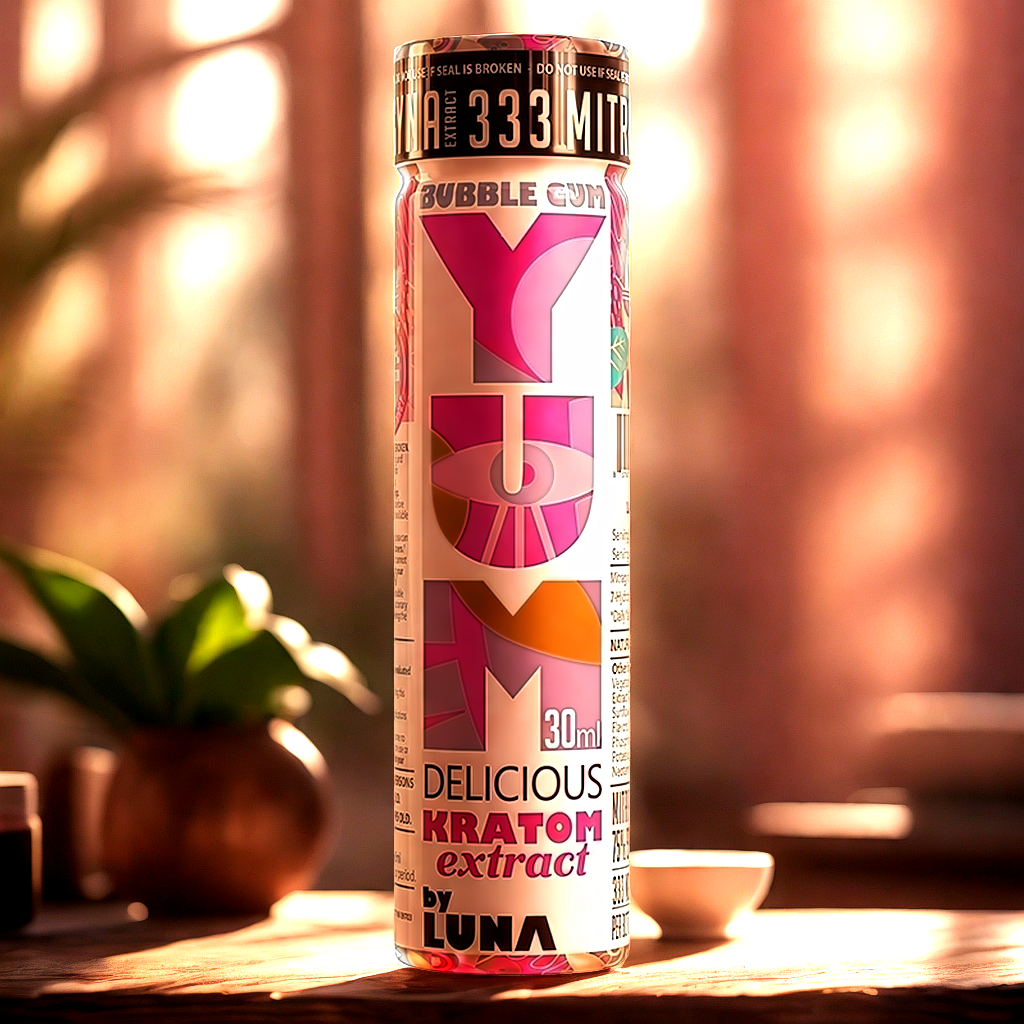
With YUM, start with one capful. Seriously. The “less is more” philosophy isn’t just marketing copy. Smaller servings often produce more focused, energizing effects, while larger servings shift toward more relaxing qualities. Find where you want to be on that spectrum before increasing anything.
Once you know your personal response, you can make informed decisions about how kratom fits (or doesn’t) into specific scenarios. Maybe it’s your Tuesday morning deep work tool but not your Friday evening social lubricant. Maybe it replaces your afternoon coffee but stays away from workout days. Your protocol is yours to build.
When to Use Kratom and When to Skip It
Based on common user experiences, kratom tends to fit well into:
- Morning routines requiring sustained focus
- Afternoon energy bridges (avoiding the 2 PM slump)
- Social events where you want to feel loose without alcohol
- Creative work sessions requiring flow states
- Endurance-based training days
It may be less ideal for:
- Days with important medical appointments or procedures
- Any time you’ll be drinking alcohol
- Late evenings if it affects your sleep
- High-intensity athletic competition
- Days when you need to drive long distances (know how it affects you first)
Frequently Asked Questions
Can I drink coffee and use kratom the same morning?
Yes, many people do this successfully. The key is starting with smaller amounts of each to see how the combination affects you personally. Some find the pairing creates ideal focused energy, while others feel overstimulated. If you’re sensitive to caffeine already, use caution. Consider taking kratom first, then coffee 30 to 45 minutes later.
Should I take kratom before or after my workout?
Both can work depending on your goals. Before training (30 to 45 minutes prior) can provide steady, focused energy that works well for endurance work and longer sessions. After training works well for transitioning out of workout mode. Avoid taking it immediately before maximum-effort lifting or high-intensity intervals until you know how it affects your performance.
Is it okay to use kratom if I practice intermittent fasting?
For most people practicing standard time-restricted eating, kratom during the fasting window shouldn’t be problematic from a caloric standpoint. However, if you’re fasting for specific metabolic goals beyond calorie restriction, the research on kratom’s effects is limited. Most IF practitioners report no issues, but pay attention to how your body responds.
How long should I wait between kratom and alcohol?
The honest recommendation is to not combine them in the same day. Both affect your nervous system, and the combination can increase sedation and other effects in unpredictable ways. If you’re planning an evening with alcohol, skip the kratom that day. If you want to use kratom socially, make it your alternative to alcohol rather than an addition.
The Bottom Line
Integrating kratom into an existing routine isn’t complicated, but it does require some intentionality. The goal isn’t to overhaul your life around kratom. It’s to figure out where this tool fits within the system you’ve already built.
For most adults, that means:
- Starting with small servings and building up intentionally
- Testing one combination at a time before stacking multiple variables
- Being honest with yourself (and your doctor) about what you’re using
- Treating kratom as a complement to your routine, not a replacement for fundamentals like sleep, nutrition, and exercise
You can explore our frequently asked questions for more guidance, or check out our lab-tested products to see exactly what you’re getting.
Ready to experience what a properly balanced kratom extract actually feels like alongside your existing routine? YUM delivers clean, focused energy that works with your life, not against it. Start with one capful and discover why taste and alkaloid balance actually matter. Browse our collection and see the difference quality makes.