
Kratom and the Recovery Community: The Honest Information Guide for Adults Navigating Personal Sobriety Definitions
 Marcus Chen
Kratom and the Recovery Community: The Honest Information Guide for Adults Navigating Personal Sobriety Definitions
You’re here because someone in your meeting mentioned kratom, or you saw it at a kava bar where your sober friends hang out, or your sponsor asked what that bottle in your bag was. And now you’re trying to figure out what this plant actually is without getting the hard sell from kratom vendors or the blanket dismissal from people who haven’t looked into it.
This isn’t a guide trying to convince you of anything. It’s not going to tell you kratom is fine for recovery, and it’s not going to tell you it’s definitely a relapse. That’s not my call to make. What this is: honest information so you can have an informed conversation with yourself, your support network, and whoever else matters in your recovery.
You’ve earned the right to make your own decisions. That means getting actual facts, not marketing copy or scare tactics.
Why This Conversation Keeps Coming Up in Recovery Spaces
Kratom has become impossible to ignore. It’s in gas stations, smoke shops, kava bars, and increasingly, in conversations between people who’ve put real effort into getting and staying sober. The visibility alone creates a question that didn’t exist ten years ago.
Here’s what’s happening: people in recovery encounter kratom in three main ways.
- The kava bar crossover: Many people in recovery frequent kava bars as alcohol-free social spaces. Kratom is often sold alongside kava, and the lines between them get blurry.
- The “natural alternative” framing: Marketing positions kratom as a plant-based option for energy or mood support, which can seem appealing to people who’ve developed a healthy skepticism of pharmaceuticals.
- Word of mouth: Someone with time in recovery mentions they use it. That carries weight, and suddenly you’re wondering if you missed something.

The problem is that most information sources have an agenda. Kratom companies want to sell you something. Regulatory bodies issue warnings without much nuance. Recovery communities often have blanket policies that don’t account for individual circumstances. And Reddit threads are a mixed bag of evangelists and horror stories.
None of that helps you figure out what this means for your recovery.
The Basic Facts: What Kratom Actually Is (And Isn’t)
Kratom comes from Mitragyna speciosa, a tree native to Southeast Asia. People have used the leaves for centuries, traditionally chewed or brewed as tea by workers and farmers. In the U.S., you’ll find it as powder, capsules, or concentrated extract shots.
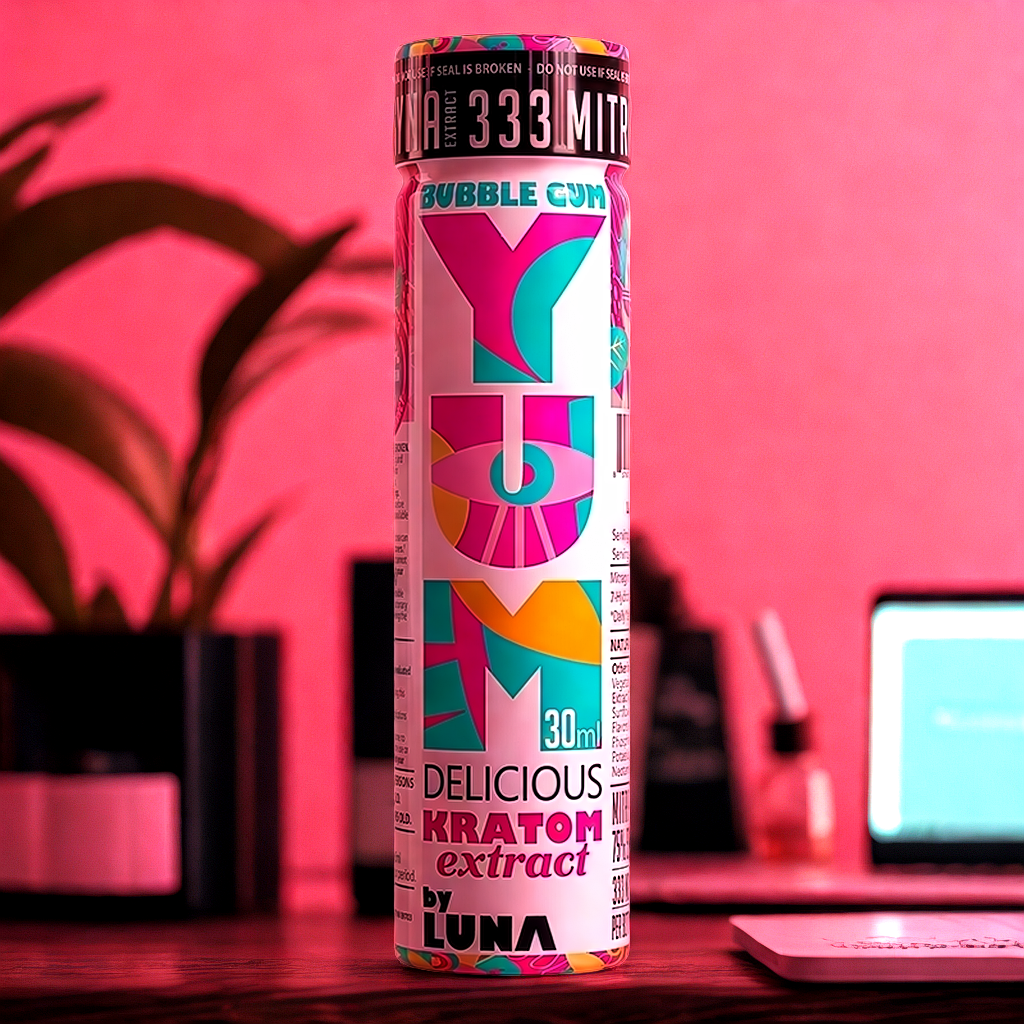
Here’s what you need to understand about how it works in the body:
The active compounds are alkaloids, primarily mitragynine and 7-hydroxymitragynine. These interact with opioid receptors in the brain. Yes, opioid receptors. This is where the honest conversation has to start.
Kratom’s alkaloids are partial agonists at these receptors, meaning they activate them but not as fully as substances like morphine, heroin, or oxycodone. For a detailed breakdown of the science, this guide on kratom alkaloids and how they actually work goes deeper into the chemistry.
The effects depend on amount:

- Smaller amounts tend to produce stimulant-like effects: increased energy, alertness, sociability
- Larger amounts tend to produce sedative-like effects: relaxation, mood changes, physical comfort
Critical fact for people in recovery: Kratom can cause physical dependence with regular use. This isn’t fear-mongering; it’s pharmacology. If you use kratom daily for an extended period, your body adapts. Stopping abruptly can produce withdrawal symptoms. The severity varies, but this is documented and real.
Kratom is also psychoactive. It changes how you feel. If your personal definition of sobriety includes avoiding mood-altering substances, that’s relevant information.
The Sobriety Question: Why There’s No Universal Answer

Here’s the part that gets uncomfortable: recovery communities don’t agree on what kratom means for sobriety. And honestly, they probably never will.
Different frameworks define sobriety differently:
Traditional 12-step programs generally emphasize complete abstinence from all mood-altering substances outside of prescribed medications. Under this framework, kratom’s psychoactive properties would typically be considered incompatible with sobriety. Many AA and NA members would consider using kratom a form of relapse or “transfer of addiction.”
Harm reduction models take a different approach. These frameworks prioritize reducing the negative consequences of substance use, even if complete abstinence isn’t achieved. Some people in harm reduction oriented recovery might view kratom as a less harmful alternative to what they were using before.
Individual definitions are where it gets complicated. Some people define their sobriety around avoiding specific substances (like alcohol or opioids) while being open to others. Some draw the line at anything that produces intoxication. Some focus on whether a substance causes problems in their life rather than its pharmacological classification.
None of these positions is objectively “right.” They’re different philosophies about what recovery means and what it requires.
What matters is this: your definition needs to be honest, and it needs to serve your recovery rather than undermine it.
If you’re considering whether kratom fits your sobriety, the relevant question isn’t “What do other people think?” It’s “What does my recovery actually require, and am I being honest about my motivations?”
What the Medical and Regulatory Picture Actually Looks Like
The institutional messaging around kratom is predominantly cautionary. Understanding why requires some context.
The FDA’s position: The FDA has issued multiple warnings about kratom, citing concerns about contamination, addiction potential, and deaths associated with kratom-containing products. They have not approved kratom for any medical use and have actively discouraged consumption.
The DEA’s position: The DEA lists kratom as a “Drug and Chemical of Concern” but has not scheduled it federally. In 2016, they announced intent to place kratom in Schedule I (alongside heroin and LSD), but reversed course after significant public backlash and requests for more research.
State-level variation: Kratom legality varies by state. It’s banned in Alabama, Arkansas, Indiana, Rhode Island, Vermont, and Wisconsin. Several other states have age restrictions or pending legislation. If you’re in recovery and subject to monitoring or legal requirements, this matters.
For a more detailed breakdown of the regulatory picture and how to interpret the warnings, that guide provides additional context.
Why the warnings exist: Institutional caution about kratom stems from several legitimate concerns:
- Deaths have been associated with kratom products, though many involved other substances or contaminated products
- The market is unregulated, meaning quality and purity vary wildly between vendors
- Limited research exists on long-term effects
- Dependence and withdrawal are documented
These concerns aren’t manufactured. They deserve consideration, especially by people whose history with substances has already caused problems.
Questions Worth Asking Yourself (And Maybe Your Support System)
If you’re genuinely trying to figure out whether kratom fits your recovery, some honest self-reflection is required. Not because there’s a “right” answer you’re supposed to arrive at, but because clarity about your own motivations matters.
Questions about your recovery framework:
- How do you currently define sobriety? What falls inside and outside that definition?
- Has that definition been consistent, or has it shifted when you wanted permission to do something?
- What would your sponsor, therapist, or primary support person say about this? (Not as an authority, but as someone who knows your patterns.)
Questions about your history:
- What was your primary substance? If it involved opioids, kratom’s receptor activity is especially relevant information.
- Have you transferred from one substance to another before? How did that work out?
- What’s your pattern with substances that seem “safer” or “natural”?
Questions about your motivations:
- Why are you interested in kratom specifically? What are you hoping it will provide?
- Are you looking for something that serves your recovery, or something that lets you get around it?
- If you’re honest with yourself, is this curiosity or is this craving dressed up as curiosity?
Questions about transparency:
- Would you tell your support network if you decided to use kratom?
- If the answer is no, what does that tell you?
- Are you researching to make an informed decision, or are you looking for permission?
These aren’t gotcha questions. They’re the same kind of honest inventory work that most recovery frameworks emphasize. The answers are yours.
If You Decide It’s Not for You
Deciding that kratom doesn’t fit your recovery is a legitimate conclusion. It doesn’t mean you’re being paranoid or closed-minded. It means you’ve assessed the information and made a choice that prioritizes your sobriety.
Some reasons people arrive at this conclusion:
- Their recovery framework doesn’t allow for psychoactive substances outside of prescribed medications
- Their history with opioids makes anything that touches those receptors feel like too much risk
- They recognize their own pattern of finding “exceptions” that eventually become problems
- They’d have to hide it from their support network, which signals something worth listening to
- The risk-benefit math just doesn’t work out
If this is your conclusion, you don’t need to justify it to anyone. You don’t owe kratom users an explanation, and you don’t need to prove you “did enough research.” Choosing caution is always valid.
If You Decide to Explore Further
If you’ve done honest self-assessment and decided that kratom might have a place in your life, that’s your call to make as an adult. Here’s what responsible exploration looks like:
Start with the smallest possible amount. Less is more, especially with extracts. If you’re trying kratom for the first time, this first-timer’s guide to methods and timing provides practical guidance.
Don’t use daily. Regular use leads to dependence. If you’re in recovery, the last thing you need is another substance your body becomes dependent on. Occasional use is different from habitual use.
Quality matters enormously. The unregulated market means contamination, inconsistent potency, and adulteration are real risks. Look for vendors who provide third-party lab testing and are transparent about their sourcing and alkaloid content.
Tell your healthcare provider. If you’re working with a doctor, therapist, or psychiatrist, they should know. Not because they’ll necessarily approve, but because they need complete information to help you. If you’re taking any medications, potential interactions matter.
Stay honest with your support network. If you’d have to hide kratom use from your sponsor or recovery community, treat that as important data. Secrecy and recovery rarely mix well.
Monitor your relationship with it. Are you using it as you intended? Is the frequency creeping up? Are you thinking about it more than you’d like? These are the same questions you’d ask about any substance.
Frequently Asked Questions
Does kratom show up on drug tests?
Standard drug panels (the typical 5, 10, or 12 panel tests) do not screen for kratom alkaloids. However, specialized tests do exist that specifically detect kratom. Some employers, probation programs, and treatment facilities have started testing for it specifically. If you’re subject to any kind of monitoring, assume this could become relevant.
Can kratom cause physical dependence?
Yes. With regular, frequent use over time, your body adapts to kratom’s presence. Stopping abruptly can produce withdrawal symptoms including muscle aches, insomnia, irritability, nausea, and anxiety. The severity depends on use patterns, but dependence is documented and this is critical information for anyone in recovery. This guide on kratom’s relationship with your body over time addresses tolerance and dependence honestly.
Is kratom considered a relapse in most recovery programs?
It depends entirely on the program and your personal definition of sobriety. Traditional 12-step programs generally consider any psychoactive substance use outside of prescribed medication to be inconsistent with sobriety. Other recovery frameworks take different positions. There is no universal stance, which is part of why this conversation is complicated. What matters most is what you define as your recovery and whether you’re being honest about it.
How is kratom different from the opioids I was using?
Kratom’s alkaloids interact with opioid receptors differently than substances like heroin, oxycodone, or morphine. They’re partial agonists rather than full agonists, which generally means less intense effects at the receptor level. Kratom also contains other alkaloids that contribute to its overall profile. However, “different” doesn’t mean “completely different” or “safe.” The receptor overlap is real, and for people with opioid use histories, this similarity is worth taking seriously.
What if someone in my recovery community judges me for even researching this?
Recovery communities have strong opinions, and not everyone will appreciate nuance. That said, doing research isn’t the same as using. Understanding what something is doesn’t obligate you to use it. If you’re gathering information to make an informed decision, that’s responsible behavior regardless of what you ultimately decide.
The Bottom Line
This guide hasn’t tried to convince you that kratom is safe for recovery or that it isn’t. Both conclusions can be valid depending on your circumstances, your history, and your honest assessment of your own motivations.
What matters is that you’re making an informed decision rather than an impulsive one. You’ve looked at what kratom actually is, how it works in the body, why institutions issue warnings about it, and what questions are worth asking yourself. That’s more due diligence than most people do.
If you decide kratom isn’t for you, respect that conclusion.
If you decide to explore it, do so with eyes open: start small, don’t make it a habit, prioritize quality, stay honest with your support network, and monitor your relationship with it.
Whatever you decide, make it a decision you can be honest about. Recovery is built on honesty, and that includes the conversations you have with yourself.
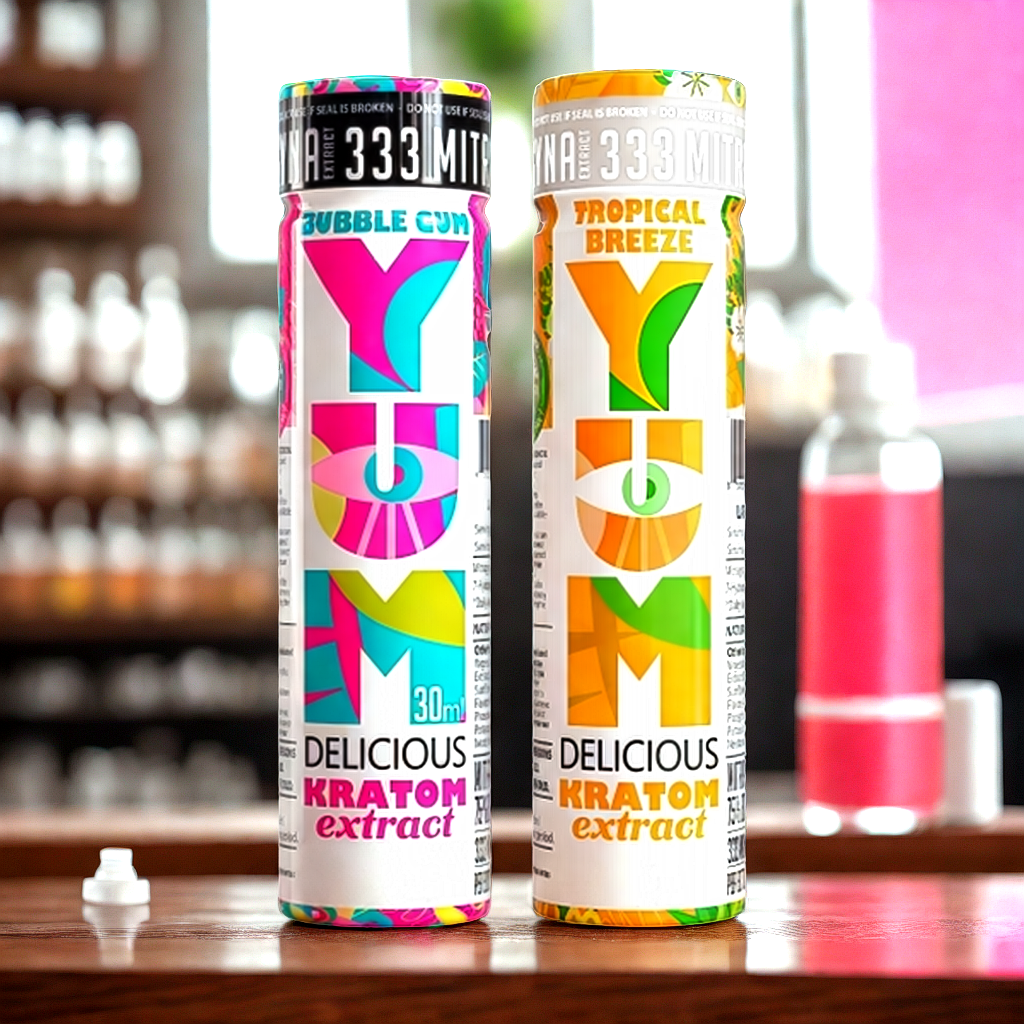
If quality is a factor in your decision and you do choose to try kratom, YUM prioritizes balanced alkaloid profiles and full transparency through third-party lab testing. But the primary message here isn’t about any particular product. It’s about you making an informed choice that serves your recovery, whatever that looks like for you.