
How Long Do Kratom Benefits Last? The Timing, Peak, and Duration Guide for People Who Plan Their Energy
 Ryan Okafor
How Long Do Kratom Benefits Last? The Timing, Peak, and Duration Guide for People Who Plan Their Energy
You already know what kratom does. You’ve read the articles about kratom benefits for focus and energy, maybe tried it once or twice, and now you’re asking the practical question nobody seems to answer directly: how long is this actually going to last?
It’s a fair question. You’re not going to schedule a kratom shot before a three-hour client presentation if the benefits fade after ninety minutes. You’re not going to take it at 6 PM if you’ll still be wired at midnight. You need real timing information, not vague “effects vary” disclaimers.
So let’s get specific. This is the duration guide for people who plan their energy like they plan their calendar.
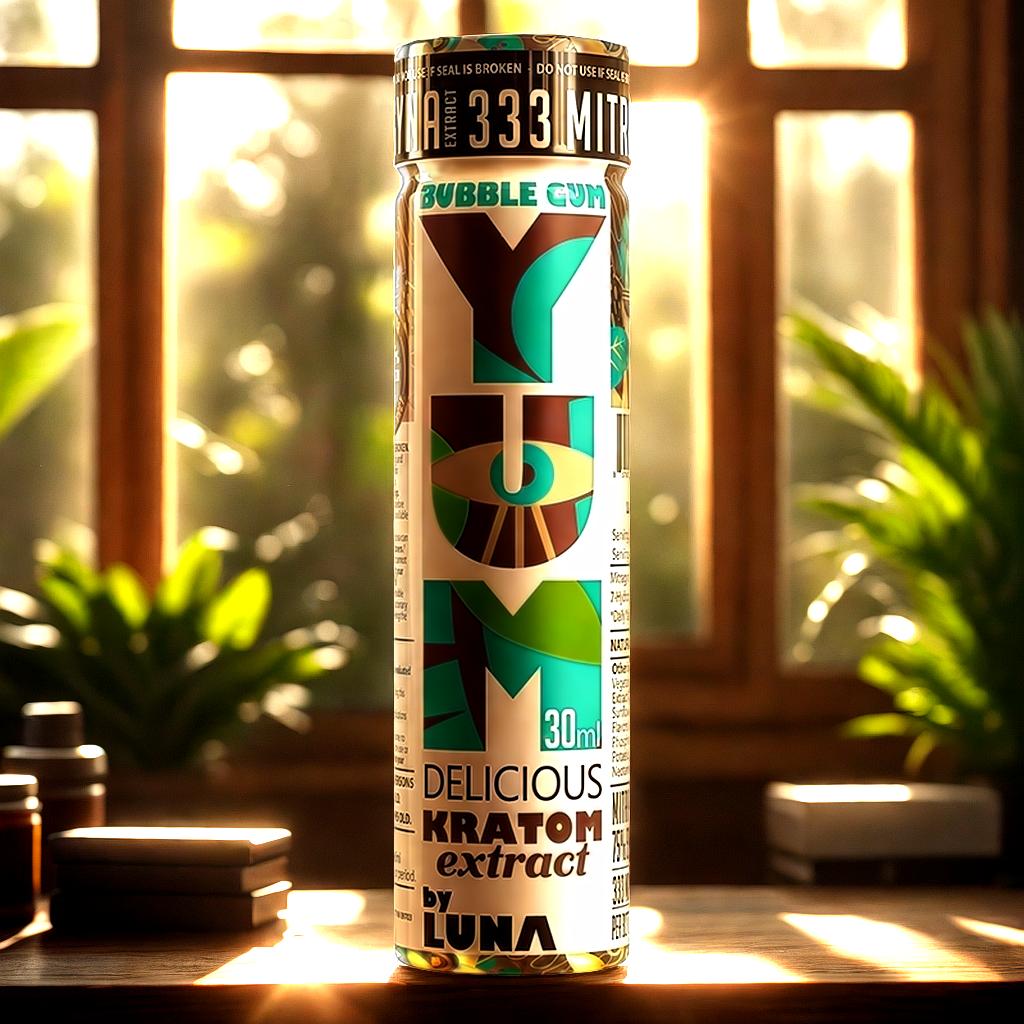
The Honest Timeline: What 3-4 Hours of Kratom Benefits Actually Looks Like
Most people experience kratom benefits for somewhere between three and five hours, but that number alone isn’t particularly useful. The experience isn’t one flat plateau. It’s more like a curve with distinct phases, and understanding those phases helps you plan better.
The first 15-30 minutes: Onset. You’ve taken your serving, and now you’re waiting. If you’re using a liquid extract like YUM, onset tends to be faster than powder or capsules because there’s no digestion barrier. Most people notice the first effects within 15-20 minutes. It’s subtle at first. You might notice your focus sharpening or a sense of calm alertness settling in. This isn’t the peak. This is just the door opening.
30 minutes to 2 hours: The climb and peak. This is where the full experience arrives. Energy feels cleaner. Focus gets easier to maintain. If you’re using kratom for deep work or creative flow, this is your golden window. The peak typically hits somewhere between 45 minutes and 90 minutes in, depending on your individual metabolism and whether you’ve eaten.

2-3 hours: The plateau. You’re past the peak, but you’re not done. This is a stable period where benefits remain noticeable but less intense. Many people describe this as the “working state,” where you’re still focused and energized but not in overdrive. It’s comfortable, sustainable, and often where the best actual productivity happens.
3-4+ hours: The gradual decline. Benefits don’t suddenly disappear. They taper. You might notice around the three-hour mark that you’re returning to baseline. The energy is still there, but it’s fading. By hour four or five, most people feel essentially normal again. The key word here is “gradual.” With a quality extract that has balanced alkaloids, you shouldn’t hit a wall or crash. You just slowly return to your regular state.
This timeline assumes a single, moderate serving. It’s a general framework, not a guarantee, because your experience depends on factors we’ll cover next.
Why Your Friend’s “6 Hours” and Your “2 Hours” Are Both True

If you’ve talked to other kratom users, you’ve probably noticed their reported durations are all over the map. One person swears they feel it for six hours. Another says it barely lasts two. Neither is lying. Individual variation is significant, and understanding why helps you calibrate your own expectations.
Body weight and composition. A 140-pound person and a 220-pound person processing the same serving will have different experiences. Alkaloids distribute through your system differently based on your size and body composition. This doesn’t mean larger people need more (remember: less is more). It just means timing and duration may vary.
Metabolism speed. If you’re someone who burns through caffeine quickly, you’ll likely process kratom faster too. Fast metabolizers often report shorter, more intense experiences. Slower metabolizers might have longer, more gradual curves. Neither is better. They’re just different.
Food in your stomach. This one matters more than most people realize. Taking kratom on an empty stomach typically produces faster onset and a more noticeable peak, but sometimes shorter overall duration. Taking it after a meal slows absorption, which can mean a gentler onset but potentially longer-lasting effects. Some people prefer the empty-stomach intensity. Others like the smoother ride that comes with having eaten. Experiment to find what works for you.
Hydration levels. Dehydration affects how efficiently your body processes anything, kratom included. If you’re not drinking enough water, you might notice effects feeling truncated or less clean. Stay hydrated before, during, and after.
Sleep quality. Showed up to your kratom experience running on four hours of sleep? Your baseline state is already compromised, which affects how you perceive benefits. Well-rested users often report cleaner, more predictable experiences.
Tolerance. If you’ve been using kratom frequently, your duration and intensity will differ from someone trying it for the first time. Tolerance builds with repeated use, which is one reason responsible use means taking breaks and not making it a daily habit.
The point is this: when someone tells you kratom lasts a certain amount of time, they’re describing their experience with their body. Your experience will be shaped by your own variables. Start paying attention to your personal patterns rather than expecting to match someone else’s timeline exactly.
Alkaloid Balance: The Hidden Factor That Determines Whether You Crash or Coast
Here’s something most duration discussions ignore entirely: the quality and composition of your kratom product affects how long benefits last and how smoothly they fade.

Kratom contains multiple alkaloids, with mitragynine being the most abundant and 7-hydroxymitragynine (7-OH) being more potent but present in smaller amounts. The ratio between these alkaloids, and how they’re preserved during extraction, shapes your entire experience curve.
Products that are heavily tilted toward 7-OH often hit hard and fast. Users describe an intense initial experience that drops off quickly, sometimes with a noticeable crash afterward. It’s like slamming an espresso shot versus sipping a well-brewed pour-over. The espresso hits harder but leaves you jittery and depleted faster.
Products with a more balanced alkaloid profile tend to produce longer, smoother experiences. The onset might be slightly gentler, but the plateau extends further, and the decline feels gradual rather than abrupt. This is the difference between “I felt great for an hour then crashed” and “I had clean energy for four hours and just gradually returned to normal.”
At YUM, we specifically formulate for this kind of balance. Our extracts are designed to deliver sustained benefits without the spike-and-crash pattern that cheaper, less carefully made products produce. We’re not maximizing potency at the expense of experience quality. We’re optimizing for how you actually feel across the entire duration, including the next morning.
If you’ve been disappointed by kratom products that seem to “wear off too fast,” the issue might not be your body. It might be the product. You can learn more about what separates quality kratom extracts from the rest if you want to dig deeper into this.
Timing Your Kratom for Maximum Benefit: The Situational Playbook
Once you understand your personal duration curve, you can start strategically timing your kratom use for specific situations. Here’s how to think about it.
Before a workout or training session. Most people find that 30-45 minutes before training works well. This puts you in the peak zone right when you’re hitting your working sets or starting your run. If your workouts typically last 60-90 minutes, you’ll still have benefits throughout, with energy tapering as you’re finishing up. Perfect timing.
For a deep work block. If you’re planning a three-hour focus session, take your kratom about 20-30 minutes before you plan to start. You’ll hit onset as you’re settling into work, peak during your most demanding tasks, and plateau through the rest. By the time you’re wrapping up, you’re naturally transitioning back to baseline.
Social events or going out. Evening timing requires more thought. If your event starts at 8 PM and you want to be energized and social, taking kratom around 7:30 gives you peak energy when things are getting started. By midnight, you’ll be mostly back to normal, which is ideal if you don’t want to be wired when you get home. For more detailed guidance on social situations, check out the going-out guide for people who want social energy without the hangover.
Creative work. Creatives often report that the plateau phase (hours 2-3) is actually better for creative work than the peak. The peak can feel too “on” for loose, generative thinking. Consider taking your kratom a bit earlier than you’d think, so you’re past the peak and in the relaxed-focus zone when you actually start creating.
Before an important meeting or presentation. If you have a 2 PM presentation that will last an hour, taking kratom around 1:15-1:30 puts you in prime focus territory when you need it. Just make sure you’ve tested your timing beforehand. A high-stakes situation is not the time to experiment with new protocols.
The general principle: work backwards from when you need peak benefits, then add 30-45 minutes for onset. And always build in some buffer time, because individual variation means your timeline might be slightly faster or slower than average.
The “Less Is More” Duration Paradox: Why Higher Doses Often Mean Shorter Useful Time
Here’s something counterintuitive that experienced kratom users learn: taking more doesn’t mean feeling it longer. In fact, higher servings often produce shorter useful windows.
With smaller servings, the experience tends to be clean, clear, and sustained. You get a gentle curve that rises into a functional plateau and slowly returns to baseline. You remain yourself, just enhanced. The duration is longer because you’re riding a manageable wave.
With larger servings, you’re more likely to get an intense spike followed by a faster drop. The initial experience might be more pronounced, but it often comes with diminishing returns: shorter useful time, higher chance of feeling “off” as it wears down, and potentially next-day fogginess.
This is why YUM recommends starting with one capful. It’s not just about being cautious (though that matters too). It’s about optimizing your actual experience. If you want consistent, usable energy for 3-4 hours, a moderate serving outperforms a heavy one. Every time.
If you’re finding that your kratom experience feels too short, resist the urge to increase your serving size. Instead, look at the other factors: product quality, timing relative to food, hydration, and sleep. Those adjustments are more likely to extend your useful window than simply taking more.
What Affects Next-Day Feel (And Why Most People Get This Wrong)
Duration doesn’t just mean “how long until the benefits fade.” It also includes how you feel afterward, including the next morning. A truly good kratom experience leaves you feeling normal the next day, not depleted or foggy.
Several factors influence next-day feel:
Hydration. Kratom can be mildly dehydrating. If you don’t compensate by drinking plenty of water, you might wake up feeling off. This isn’t the kratom “causing” a hangover. It’s dehydration, which is entirely preventable.
Food intake. Going to bed on an empty stomach after using kratom can leave some people feeling rough in the morning. Having a reasonable meal, especially something with protein and fat, helps your body process everything smoothly.
Sleep quality. If you time your kratom too late and it interferes with your sleep, that’s going to affect how you feel tomorrow. Most people find that benefits have faded enough after 4-5 hours that sleep isn’t impacted, but know your own sensitivity.
Product quality. This is the big one. Lower-quality products with unbalanced alkaloid profiles are much more likely to leave you feeling depleted the next day. That harsh, spike-and-crash experience doesn’t just affect the immediate aftermath. It affects recovery too.
YUM users consistently report waking up feeling normal, even after evening use. That’s not an accident. It’s a function of balanced formulation and quality ingredients. If you’ve tried other kratom products and felt rough the next morning, the product was probably the problem, not your body’s response to kratom in general.
Extending Benefits Without Increasing Dose: The Smart Optimization Strategies
Want longer-lasting benefits without taking more? Here are practical strategies that actually work.
Optimize your food timing. Many people find that taking kratom on a moderately empty stomach (2-3 hours after eating) provides the best balance of absorption speed and duration. Too full slows everything down. Too empty might mean a shorter, more intense curve. Find your sweet spot.
Stay well-hydrated. Drink water before, during, and after. Dehydration doesn’t just affect next-day feel. It can shorten the useful window of your experience. Think of hydration as extending your runway.
Prioritize sleep. This might seem unrelated, but a well-rested body processes kratom more efficiently and predictably. If you’re chronically underslept, your experiences will be inconsistent and often shorter than they should be.
Don’t redose. The temptation when benefits start fading is to take more. Resist this. Redosing doesn’t extend the experience cleanly. It often creates an uneven, prolonged state that’s less useful than the original curve and more likely to leave you feeling off afterward. One serving, planned well, beats two servings stacked.
Choose balanced extracts. As we discussed, product composition matters enormously. An extract designed for sustained release will naturally last longer than one optimized purely for initial intensity. This is where YUM’s formulation philosophy pays off. You can view our third-party lab results if you want to see the quality standards we maintain.
Take breaks. Regular use builds tolerance, which shortens duration and diminishes benefits. Taking days off between uses keeps your experience consistent and strong. This isn’t just responsible use advice (though it is that too). It’s practical advice for anyone who wants kratom to keep working well.
Frequently Asked Questions
How long until I feel kratom benefits after taking it?
With a liquid extract like YUM, most people notice initial effects within 15-20 minutes. Powder and capsules tend to take longer, sometimes 30-45 minutes, because they need to be digested first. Peak effects typically arrive between 45 minutes and 90 minutes after consumption, depending on your metabolism and whether you’ve eaten.
Can I make kratom benefits last longer without taking more?
Yes. Focus on the factors that extend duration: proper hydration, strategic food timing, quality sleep, and choosing a balanced extract designed for sustained effects rather than quick spikes. Avoid redosing, which tends to create an uneven experience rather than a clean extension. If you want more guidance on optimizing your kratom timing and protocol, we’ve covered that in depth elsewhere.
Why do kratom benefits seem shorter for me than what others report?
Individual variation is significant. Factors like body weight, metabolism speed, tolerance level, and the quality of product you’re using all affect duration. If your experiences consistently feel shorter than expected, first examine the product quality. Unbalanced extracts often produce shorter useful windows. Then look at hydration, food timing, and whether tolerance might be a factor.
Does kratom extract last longer than powder or capsules?
The onset is typically faster with liquid extracts, but overall duration depends more on the specific formulation than the format. A well-made extract with balanced alkaloids can provide longer, smoother benefits than powder, especially if the extraction process preserves the full alkaloid profile. However, a poorly made extract might hit hard and fade quickly. Format matters less than quality.
Ready to Experience Kratom Benefits That Actually Last?
Duration isn’t just about potency. It’s about how thoughtfully a product is made. YUM is formulated for sustained, clean energy that lasts 3-4 hours without the crash, the next-day fog, or the harsh experience curve that cheaper products produce.
Start with one capful. Time it strategically. Stay hydrated. And experience what balanced kratom benefits actually feel like when duration is part of the design.
Try YUM and feel the difference that quality and balance make.
Note: YUM products are for adults 21 and older only. If you have medical conditions or take medications, consult your healthcare provider before use. Start with one capful to assess your individual response.