
Heard About Kratom on a Podcast? Here's What the Host Probably Didn't Tell You (And What Google Gets Wrong)
 Marcus Chen
Heard About Kratom on a Podcast? Here’s What the Host Probably Didn’t Tell You (And What Google Gets Wrong)
So you were listening to a podcast. Maybe it was a health optimization show, a productivity deep-dive, or one of those long-form conversations where guests casually mention the weird things they put in their bodies. And somewhere between the cold plunge protocol and the sleep stack discussion, someone dropped the word “kratom.”
They made it sound interesting. Maybe even compelling. Clean energy, sustained focus, a tool for getting things done without the jitters or crash. You filed it away mentally, figured you’d look into it later.
Then you Googled it.
And now you’re staring at search results that look like you accidentally typed “heroin” instead. DEA fact sheets. FDA warnings. Mayo Clinic telling you it’s “unsafe and ineffective.” Headlines about “raising concerns.”
What the hell?

You’re not crazy for being confused. The gap between what you heard on that podcast and what Google is showing you is genuinely jarring. And neither source is giving you the complete picture. The podcast host was sharing their personal experience (possibly while being sponsored by a kratom company). The search results are dominated by institutions that, for various reasons, default to maximum caution on anything that isn’t FDA-approved.
This guide is for you: the educated, research-oriented person who heard something intriguing, did what any reasonable adult would do, and now needs help making sense of contradictory information.
Why Your Search Results Look Like a DEA Warning
Let’s address the elephant in the room. You search “what is kratom” and the top results are:
- Mayo Clinic calling it “unsafe and ineffective”
- DEA drug fact sheets
- American Psychological Association “raising concerns”
- FDA regulatory warnings
- Various state health department cautions
This isn’t a conspiracy. It’s a predictable outcome of how these institutions operate.

Medical sites like Mayo Clinic have a responsibility to their readers (and their legal teams). When something lacks FDA approval for any medical use, their default position is caution. They’re not saying “this is poison.” They’re saying “we can’t recommend something that hasn’t been through FDA clinical trials.” That’s a reasonable institutional position, even if it doesn’t give you the nuance you’re looking for.
The DEA lists kratom because some states have restricted it and because it contains alkaloids that interact with opioid receptors (more on that in a minute). The FDA has issued warnings primarily around unregulated products, contamination issues, and marketing claims that crossed legal lines.
What none of these sources acknowledge is that millions of American adults use kratom regularly, that peer-reviewed research exists (even if it’s not conclusive), and that the actual risk profile is significantly more nuanced than “unsafe.”
If you want a straight answer about those scary headlines, we’ve addressed that disconnect in depth. But here’s the short version: institutional caution isn’t the same as consumer reality.
What Podcast Hosts Usually Get Right (And What They Oversimplify)
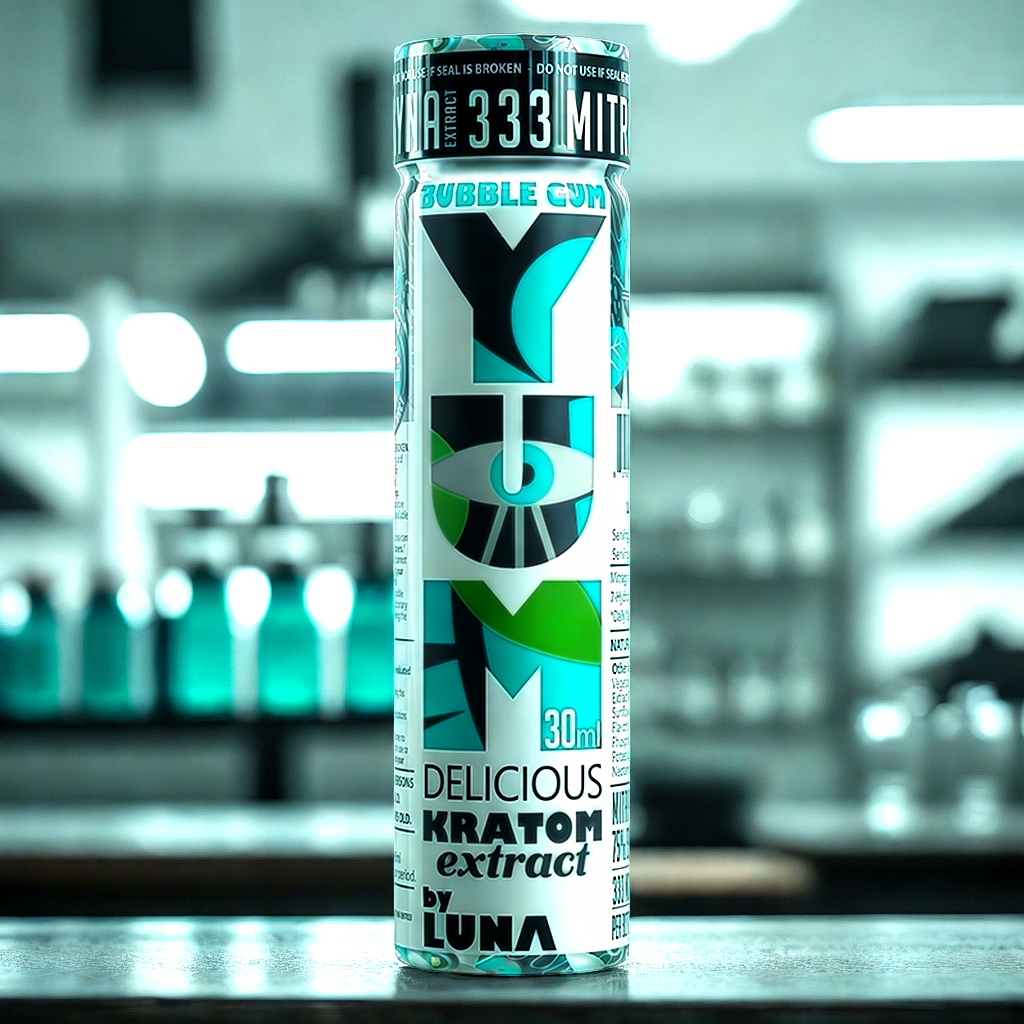
Now let’s talk about the other side. That podcast host who made kratom sound like the missing piece in their performance stack? They probably weren’t lying to you. But they were almost certainly oversimplifying.
What they usually get right:
- Many people do report clean, sustained energy without the jitters that come from high-dose caffeine
- Some users describe improved focus and motivation, particularly for cognitively demanding work
- The experience is genuinely different from coffee, energy drinks, or prescription stimulants
- At lower doses, most people don’t feel “high” or impaired
What they often oversimplify or skip entirely:
- Individual responses vary significantly (what worked perfectly for them might not work the same way for you)
- Product quality varies wildly, and the host’s experience with a premium product won’t match your experience with gas station kratom
- Regular use can lead to physical dependence (the host who uses it daily might be downplaying this)
- Dose matters enormously, and the “more is better” instinct leads people in the wrong direction
- Kratom isn’t legal everywhere, and employment drug testing gets complicated
There’s also the sponsorship question. Many podcast hosts who discuss kratom are either sponsored by kratom companies, have affiliate relationships, or have received free product. This doesn’t mean their experience is fake, but it does mean you’re hearing the best-case scenario from someone with a financial relationship.
The podcast testimonial and the FDA warning are both incomplete. The truth is somewhere between “this changed my life” and “danger, avoid at all costs.”
The Actual Science in Plain English
Kratom comes from Mitragyna speciosa, a tree native to Southeast Asia where it’s been used traditionally for centuries. The leaves contain dozens of alkaloids, but two matter most for understanding what kratom actually does.
Mitragynine is the primary alkaloid, making up the majority of the plant’s alkaloid content. It interacts with opioid receptors in your brain, but not in the same way that actual opioids do. At lower doses, it produces stimulating effects. At higher doses, those effects shift toward sedation.
7-hydroxymitragynine (7-OH) is present in much smaller amounts but is significantly more potent. It’s primarily responsible for the more sedating, analgesic-type effects that some users seek. The ratio between these two alkaloids (and how they’re balanced in any given product) dramatically affects the experience.
Here’s where the science gets honest: we don’t have FDA-approved clinical trials on kratom for any medical use. What we do have is:
- Decades of traditional use in Southeast Asia
- A growing body of peer-reviewed research exploring mechanisms of action
- Survey data from large user populations
- Significant knowledge gaps around long-term effects, optimal dosing, and drug interactions
If you want the complete science behind kratom’s alkaloids, that resource goes deeper. But the headline is this: kratom contains real compounds that produce real effects through real biological mechanisms. It’s not a placebo, and it’s not magic. It’s a botanical with a specific (if incompletely understood) pharmacology.
Why “Everyone’s Experience Is Different” Isn’t a Cop-Out
You’ve probably read this phrase in every kratom article you’ve found. It feels like a dodge, a way to avoid giving you useful information. But it’s actually one of the most important things to understand about this plant.
Body chemistry matters. Your unique enzyme profile, receptor sensitivity, and baseline biochemistry all affect how you process kratom alkaloids. Two people taking the same dose of the same product can have meaningfully different experiences.
Product quality creates wild variation. The kratom market includes everything from meticulously sourced, third-party tested extracts to mystery powder of unknown origin. If you’ve read contradictory experience reports online, product quality differences probably explain most of them. This is why understanding how kratom extraction affects quality actually matters for your outcome.
Dose-response isn’t linear. Kratom doesn’t work like “more = stronger effects in the same direction.” Lower doses tend toward energy and focus. Higher doses tend toward sedation. Taking more won’t intensify the focus effect; it’ll shift you into a different experience entirely.
Tolerance develops with regular use. That podcast host who’s been using kratom daily for two years has a completely different tolerance profile than you do. Their dose recommendations might be wildly inappropriate for a first-time user.
Empty stomach vs. full stomach matters. When you last ate, what you ate, and how hydrated you are all influence absorption and effect intensity.
This variability is actually useful information for decision-making. It means you can’t rely entirely on someone else’s experience to predict yours. It means starting with a small amount and paying attention is genuinely the smart approach, not just a legal disclaimer. And it means the podcast host’s glowing review, while potentially accurate for them, isn’t a guarantee of anything for you.
The Honest Risk-Benefit Framework for Adults
“Is kratom safe or dangerous?” is the wrong question. It’s a false binary that forces you into either the FDA’s corner or the podcast host’s corner, when reality is more nuanced.
Better questions:
What does responsible use look like?
- Starting with a small serving (one capful for extracts, not multiple)
- Not using daily, especially initially
- Choosing products from companies that provide third-party testing
- Not combining with alcohol, prescription medications, or other substances without understanding interactions
- Consulting a healthcare provider if you have medical conditions or take medications
What increases risk?
- Daily use (increases dependence potential)
- High doses (more side effects, more sedation, more tolerance building)
- Low-quality products (contamination, inconsistent potency, unknown additives)
- Combining with other substances
- Ignoring your body’s feedback
What does dependence potential actually mean?
Let’s be direct: kratom can cause physical dependence with regular use. This isn’t fear-mongering; it’s pharmacology. If you use kratom daily for an extended period and then stop abruptly, you may experience withdrawal symptoms. These are generally described as less severe than opioid withdrawal but more significant than caffeine withdrawal.
This doesn’t mean occasional use creates addiction. It means understanding that daily use carries this consideration, and planning accordingly. Many experienced users deliberately cycle their use, taking regular breaks to prevent tolerance buildup and dependence. We cover this in detail in our guide to sustainable use, tolerance, and taking breaks.
Legal considerations:
Kratom is legal federally but restricted in some states and municipalities. It’s your responsibility to know the regulations where you live. Some employers test for kratom alkaloids. If your job involves drug testing, that’s a factor worth researching before you try anything.
What to Actually Look for If You Decide to Try It
If you’ve made it this far and you’re still curious, here’s what separates quality products from garbage.
Transparency about sourcing. Where does the kratom come from? How is it processed? Companies that can’t or won’t answer these questions are red flags. Our piece on the kratom supply chain explains why this matters.
Third-party lab testing. This is non-negotiable. Lab testing verifies alkaloid content and screens for contaminants like heavy metals, mold, and bacteria. If a company doesn’t provide accessible lab results, walk away.
Balanced alkaloid profiles. Products that maximize a single alkaloid (often 7-OH for potency marketing) tend to produce harsher effects and faster tolerance buildup. Balanced extracts that preserve the natural ratio of alkaloids typically provide a cleaner, more sustainable experience.
Reasonable serving recommendations. Companies that encourage large doses are either selling weak product or prioritizing sales over your experience. “Less is more” isn’t just a philosophy; it’s how kratom actually works best.
Taste innovation. Traditional kratom tastes like bitter dirt. That’s not an exaggeration. If a company has solved the taste problem while maintaining quality, it suggests they’ve invested in actual product development rather than just repackaging bulk powder.
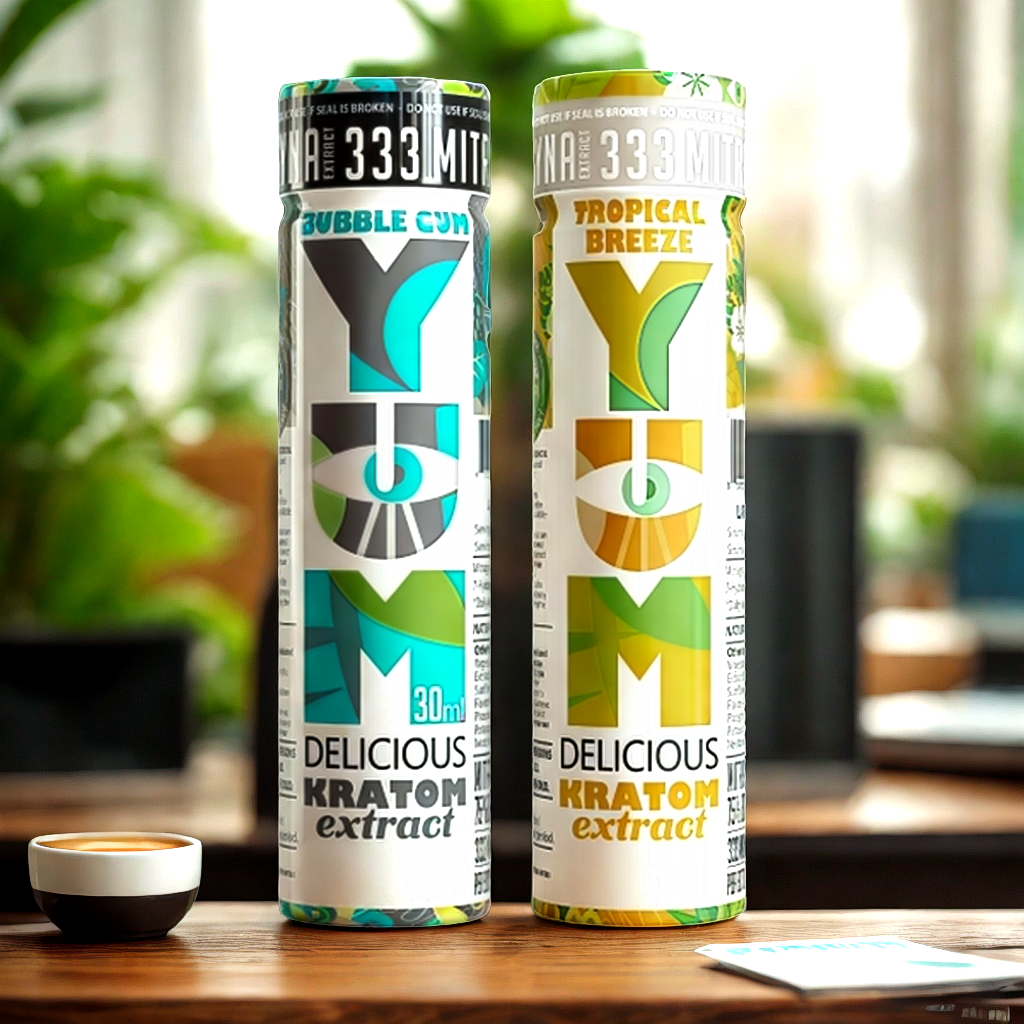
YUM was built around these principles. Balanced alkaloid ratios that emphasize the energy-and-focus experience over heavy sedation. Third-party testing for every batch. A formulation that actually tastes good (seriously, most kratom products are genuinely unpleasant). And a “less is more” philosophy that means starting with one capful and seeing how you respond.
We’re not claiming YUM is the only option. But if the criteria above matter to you, browse our kratom products and see how we stack up against whatever else you’re considering.
The Bottom Line for the Informed Skeptic
You heard something intriguing on a podcast. You did your research. And you found wildly contradictory information. That’s not a failure of your research skills; it’s a reflection of where kratom sits in the cultural conversation right now.
Here’s what we can say honestly:
Kratom is a real botanical with real effects. It contains alkaloids that interact with your brain chemistry in measurable ways. Many people genuinely experience clean energy, improved focus, and a sense of well-being. The experience is distinct from caffeine, alcohol, or pharmaceuticals.
It’s also not a miracle with zero downsides. Regular use can lead to dependence. Product quality varies dramatically. Individual responses differ. And the regulatory landscape remains complicated.
The truth is between the podcast testimonial (probably the best-case scenario from someone with built-up tolerance and possibly a sponsorship deal) and the FDA warning (the most cautious possible institutional position on anything not FDA-approved).
You’re an adult. You can weigh incomplete information and make your own decisions. That’s what this guide is for: giving you enough honest context to make an informed choice, rather than either scaring you away or selling you on hype.
If you decide it’s not for you, that’s completely reasonable. If you decide you’re curious enough to try it, start small, choose quality, pay attention to how you respond, and don’t assume someone else’s experience predicts yours.
If you’re ready to try a kratom extract that prioritizes balanced alkaloids and actually tastes good, YUM was built for exactly this moment. Start with one capful and see what clean, focused energy feels like. You can learn more about DrinkYum and our approach, or check our frequently asked questions if you still have concerns.
Your move.
FAQs
Why do podcasters talk about kratom so positively while medical sites are so negative?
Podcasters share personal experience, which tends toward positive (why would they talk about something that didn’t work for them?). Medical sites follow institutional protocols that default to caution on anything without FDA approval. Neither is lying; they’re operating from completely different frameworks. The podcaster is telling you what worked for them. The medical site is telling you what they can officially recommend. Those are different questions with different answers.
Is kratom actually addictive, and what does “dependence potential” really mean?
Kratom can cause physical dependence with regular, sustained use. This means your body adapts to its presence, and stopping abruptly may cause withdrawal symptoms. “Dependence potential” doesn’t mean you’ll become addicted from trying it once; it means daily use over time carries this risk. The practical implication is that occasional or cycled use is generally lower-risk than daily use, and understanding this upfront helps you make informed choices about how (or whether) to incorporate it.
How is kratom different from the coffee comparison I keep hearing?
The coffee comparison gets made because kratom is related to the coffee plant botanically and because lower doses produce stimulating effects. But the mechanism is different. Kratom alkaloids interact with opioid receptors (and other receptor systems); caffeine blocks adenosine receptors. The subjective experience is also different: kratom users typically describe the energy as “cleaner” with less anxiety and no crash, but also note that the effects are broader than just alertness. It’s not “herbal coffee,” but it’s also not “legal heroin” either. It occupies its own category. For a more detailed breakdown, our guide on kratom compared to coffee and other energy alternatives goes deeper.
What should I do if I want to try kratom but I’m on other supplements or medications?
Talk to your healthcare provider. That’s not a cop-out answer; it’s the responsible one. Kratom alkaloids are metabolized by liver enzymes that also process many medications, which means potential interactions exist. If you’re on prescription medications (particularly anything affecting the central nervous system), you need professional guidance, not internet advice. If you’re taking common supplements and have no underlying health conditions, the risk profile is likely lower, but “likely” isn’t the same as medical advice for your specific situation.