
Giving Kratom a Second Chance: The Honest Retry Protocol for People Whose First Experience Missed the Mark
 Ryan Okafor
Giving Kratom a Second Chance: The Honest Retry Protocol for People Whose First Experience Missed the Mark
You tried kratom once. Maybe it was six months ago. Maybe it was three years ago at a friend’s place. Maybe it was last Tuesday when you grabbed something from that sketchy shelf next to the gas station energy drinks.
Whatever happened, you remember thinking: This is what people are excited about?
The experience was probably some combination of disappointing, uncomfortable, or just… nothing. A whole lot of hype for a whole lot of meh. So you moved on. Wrote it off. Filed kratom under “not for me” and didn’t think about it again.
Until now. Something brought you back here. Maybe a friend keeps talking about it. Maybe you saw it at a kava bar and got curious again. Maybe you’re just tired of your current energy and focus options and figured it was worth one more look.
Here’s the thing: your first experience probably wasn’t a fair test. And I’m going to walk you through exactly why, plus give you a concrete protocol for trying again in a way that actually sets you up for success.
This isn’t about convincing you kratom is amazing. It’s about helping you run a real experiment instead of the accidental bad one you ran the first time.
Why Most First Kratom Experiences Are Disappointing (And Why That Says More About the Product Than the Plant)
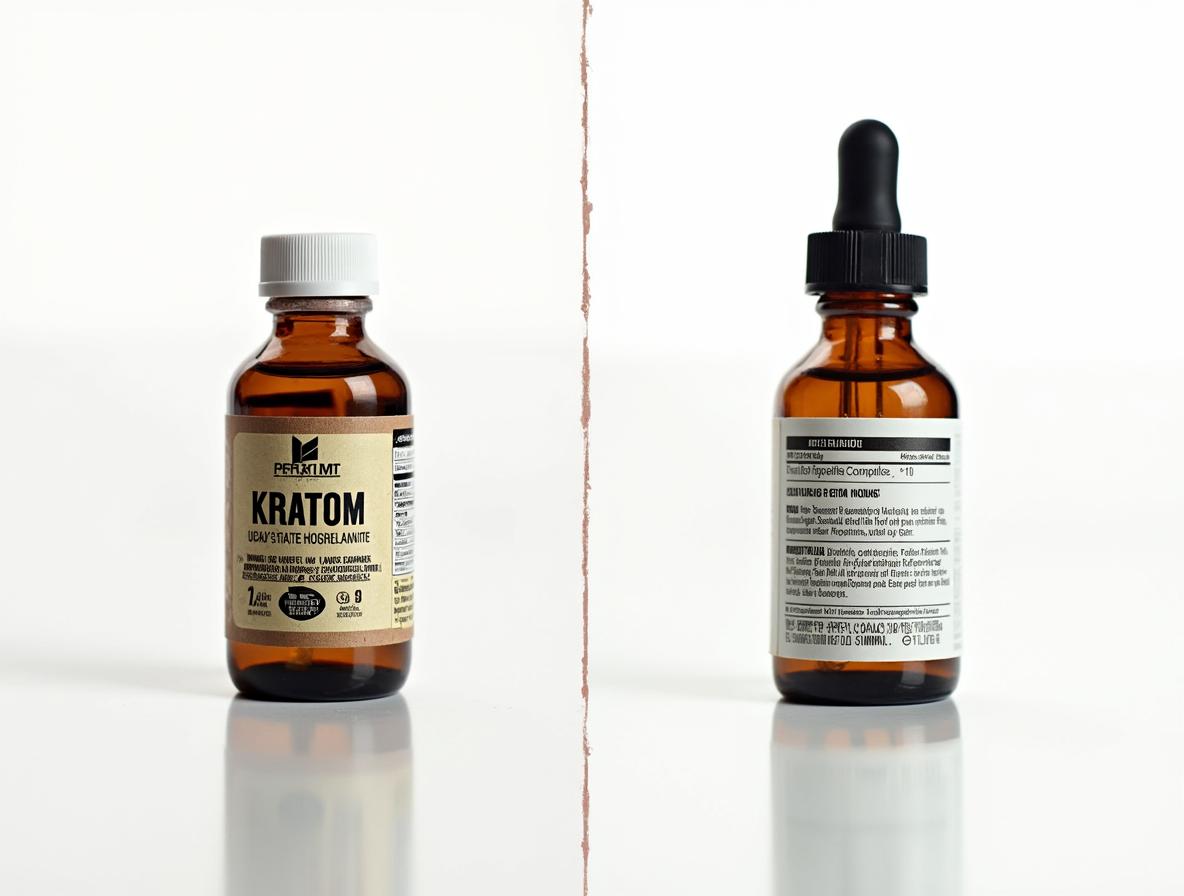
Let’s be honest about something the kratom industry doesn’t like to admit: most first-time kratom experiences are mediocre at best. Not because kratom doesn’t work, but because the conditions for failure are almost perfectly engineered.
Think about how most people first encounter kratom. They see a bottle at a convenience store, a gas station, or some random smoke shop. The packaging looks like it was designed by someone who’s never met a graphic designer. There’s no dosage guidance worth trusting. The product inside could be anything from old, degraded powder to an extract that prioritizes the wrong alkaloids entirely.
If someone’s first experience with coffee was three-year-old instant crystals dissolved in lukewarm water, they’d probably think coffee was gross too. That’s essentially what happens with most first kratom experiences.
The gap between quality kratom products and garbage kratom products is enormous. We’re talking about the difference between a carefully extracted botanical with a balanced alkaloid profile and whatever random dried leaf material someone threw into a capsule.
So if your first experience sucked, that doesn’t mean kratom isn’t for you. It means you haven’t actually tried kratom yet. You’ve tried something called kratom that may have barely resembled a quality product.
The 5 Variables That Probably Sabotaged Your First Try
Bad first experiences almost always trace back to one or more of these five factors. Identifying which ones affected you is the first step toward a better second attempt.
1. Product Quality and Source
This is the big one. The kratom market has a serious quality problem. Products sitting on convenience store shelves often have:
- Degraded alkaloid content from poor storage or age
- Inconsistent potency from batch to batch
- Extraction methods that prioritize yield over experience
- Zero transparency about what’s actually inside
If you grabbed whatever was available at the nearest gas station, you essentially played roulette with your experience. And the house usually wins that game.
2. Format Mismatch
Kratom comes in multiple formats: raw powder, capsules, and extract shots. Each has different onset times, intensities, and practical considerations.
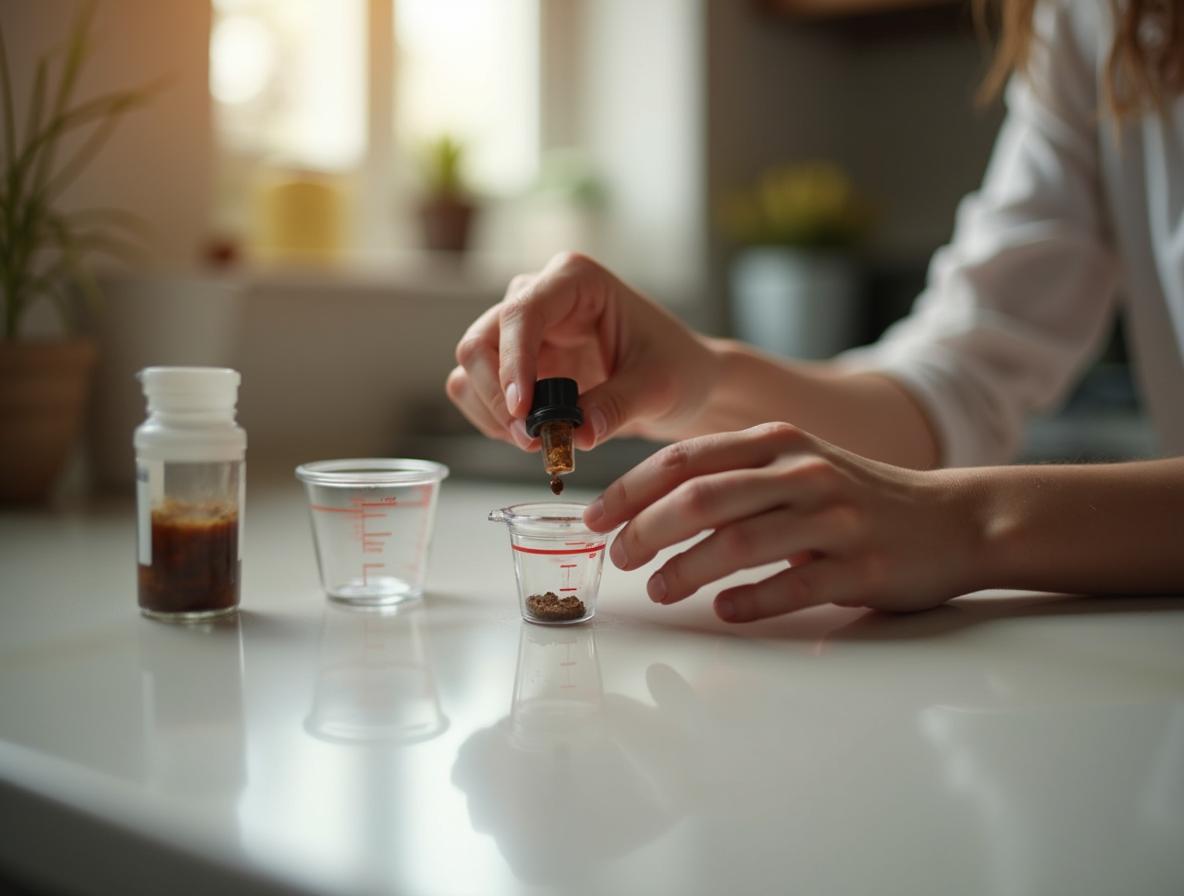
Many first-timers try powder because it’s cheaper. But powder requires precise measurement, tastes genuinely terrible (there’s no getting around that), and can be tricky to dose correctly. If you’re not prepared for that experience, you’re already starting at a disadvantage.
Extract shots, by contrast, offer consistent serving sizes and faster onset, which makes them much better for a controlled test. But if you’ve never heard that distinction, you probably just grabbed whatever was cheapest.
3. Dosage (Too Much or Too Little)
Kratom has what’s called a biphasic effect. Smaller servings tend to produce clean, focused energy. Larger servings can produce very different effects, including nausea or excessive sedation.
Here’s where first-timers mess up constantly: they either take too much (thinking “more equals stronger”) and feel awful, or they take too little and feel nothing. Without proper guidance, both outcomes are common.
The “less is more” principle isn’t just marketing speak. It’s genuinely how this plant works. If no one told you that before your first try, you were flying blind.
4. Timing and Context
When you take kratom matters. Taking it on a completely empty stomach can make the effects hit harder and faster, which isn’t always comfortable for first-timers. Taking it right after a huge meal might mean you barely feel anything.
The context also matters. If you tried kratom for the first time while stressed, sleep-deprived, or in a chaotic environment, your experience was already compromised. Kratom tends to work best when you’re using it intentionally, not just throwing it into an already messy situation.
5. Expectations
What were you expecting kratom to feel like?
If someone told you it would feel like a prescription stimulant, you were set up for disappointment. If you expected some kind of intense euphoric rush, same problem. Kratom delivers clean, sustained focus and energy. It’s not dramatic or overwhelming when used correctly. It’s more like the best version of your normal state, not some altered experience.
Misaligned expectations are responsible for a huge number of “it didn’t work” conclusions. The product might have worked exactly as intended, but you were looking for something it was never going to provide.
The Retry Protocol: How to Set Yourself Up for a Completely Different Experience
Alright, here’s the actionable part. If you’re going to give kratom a real second chance, do it right this time. Follow this protocol.
Step 1: Start Fresh With a Quality Product
Don’t go back to wherever you bought it last time. Seek out a product that:
- Has transparent lab testing you can actually verify
- Emphasizes a balanced alkaloid profile (not just maximum strength)
- Comes with clear serving guidance
- Actually tastes reasonable (yes, this matters)
Quality extract shots are typically the best format for a retry because they offer controlled servings and consistent potency. You’re not measuring powder or guessing at capsule contents.
Step 2: Begin With the Smallest Recommended Serving
Whatever the product recommends as a starting serving, take that. Not more. Probably one capful if it’s a shot, or whatever the label suggests for first-timers.
You can always try a slightly larger serving next time if you feel nothing. You can’t un-take something if you overdid it. Start conservative.
Step 3: Choose an Intentional Moment
Don’t retry kratom when you’re already exhausted, hungover, or chaotically multitasking. Pick a specific moment where you can actually pay attention to how it makes you feel:
- Before a focused work session
- Pre-workout (about 30 minutes before)
- Early evening before a social event
- A weekend morning when you have nowhere to be
The goal is to give yourself the conditions to actually notice the experience without competing variables.
Step 4: Have Something Light in Your Stomach
Not a huge meal. Not completely empty. A small snack or light meal about an hour before tends to work well for most people. This helps the onset feel smooth rather than abrupt.
Step 5: Set Realistic Expectations
Here’s what you’re looking for: clean energy, clear focus, and a general sense of being “on” without jitters or that wired feeling. Not euphoria. Not sedation. Not some dramatic altered state.
Think of it like the difference between your baseline tired, scattered self and your best focused, energized self. Kratom should help you access the latter more easily. That’s it.
Step 6: Wait 45 Minutes Before Judging
Effects typically begin around 20-30 minutes after taking it, but give yourself a full 45 minutes before deciding it “isn’t working.” Some people have slower onset times, especially if they’re new or have food in their system.
What a Good Kratom Experience Actually Feels Like (So You Know What You’re Looking For)
Let me paint a picture of what you should actually experience if everything goes right.
The onset (20-30 minutes): You might notice a gradual shift. Not dramatic, but something. Your thinking feels a bit clearer. Tasks that seemed annoying suddenly feel more approachable. There’s no sudden “hit” like caffeine sometimes delivers.
The peak (1-2 hours): This is where you’ll feel it most. Clean, focused energy. Conversations flow easier. Work feels less like a slog. There’s a subtle lift in mood that makes everything feel slightly more manageable. You’re alert but not anxious.
The duration (3-4 hours): The effects taper gradually. No crash. No sudden wall of fatigue. You just slowly return to baseline, which if you’re using it for a specific task, should give you a solid window of enhanced productivity or social energy.
The aftermath: Unlike alcohol or excessive caffeine, you wake up feeling normal the next day. No hangover feeling, no residual fog.
If you want a more detailed breakdown of what to expect, our guide on what kratom actually feels like hour by hour walks through the whole timeline.
Contrast: What a Bad Experience Feels Like
If your first experience felt like any of these, something went wrong with the product, dose, or timing:
- Nausea or stomach discomfort: Usually too much, too fast, or low-quality product
- Excessive drowsiness: Too large a serving or wrong alkaloid balance
- Jittery or anxious: Product that’s stimulant-heavy without balance
- Nothing at all: Degraded product, insufficient serving, or too much food interfering
- Headache or general malaise: Often a quality issue or dehydration
These aren’t signs that kratom doesn’t work for you. They’re signs that something in the equation was off.
Signs It’s Still Not for You (And That’s Fine)
Here’s where I’m going to be completely straight with you: kratom isn’t for everyone.
If you follow this retry protocol with a genuinely quality product, take the right serving, time it well, and still don’t enjoy the experience, that’s useful information. Some people’s body chemistry simply doesn’t respond well to kratom’s alkaloid profile. That’s not a failure. That’s just biology.
Signs it might genuinely not be for you:
- You’ve tried twice with different quality products and still felt nothing positive
- Even small servings produce stomach discomfort consistently
- The mental state it produces just doesn’t feel right to you, even when the product is good
If any of those apply after a fair second attempt, move on without guilt. There are plenty of other tools for energy, focus, and social enhancement. Kratom is one option, not the only option.
This isn’t about conversion. It’s about helping you make an informed decision based on a real experience, not a flawed first impression.
The Quality Checklist for Your Second Try
Before you buy anything for your retry, run through this checklist:
✓ Balanced alkaloid profile
Look for products that talk about alkaloid balance, not just maximum strength. More isn’t better with kratom. Balance is what produces a clean, enjoyable experience.
✓ Transparent sourcing
Can the company tell you where their kratom comes from and how it’s processed? If sourcing information is vague or nonexistent, that’s a red flag. Our guide on kratom supply chain transparency explains why this matters.
✓ Third-party lab testing
Reputable brands test for purity, contaminants, and alkaloid content. They should be willing to share those results.
✓ Clear serving guidance
If the label is vague about how much to take, the company doesn’t care about your experience. Skip it.
✓ Taste that doesn’t make you gag
Yes, really. If a product tastes so bad that you dread taking it, you’re less likely to use it consistently or give it a fair evaluation. Some companies have figured out how to make kratom products that actually taste good. Seek those out.
Extract shots tend to check most of these boxes more easily than loose powder or random capsules. The format itself encourages consistency.
Frequently Asked Questions
How long should I wait before trying kratom again after a bad first experience?
There’s no required waiting period. If your bad experience was just disappointing (no effects or mild discomfort), you could try again in a few days with a different product. If you had a more intense negative reaction, give yourself a week or two to reset mentally and physically. The key isn’t timing; it’s changing the variables that caused the bad experience.
What’s the right serving size for someone giving kratom a second chance?
Start with the smallest recommended serving on whatever product you choose. For most quality extract shots, that’s typically one capful. Resist the urge to take more “just to make sure it works.” You can always increase slightly on your next attempt if the first retry produces nothing. You can find more detailed guidance in our frequently asked questions.
Does kratom affect everyone the same way, or is body chemistry a factor?
Body chemistry absolutely plays a role. Factors like metabolism, body weight, food intake, and even genetic variations in how you process alkaloids can all influence your experience. This is why some people feel kratom strongly at small servings while others need a bit more. It’s also why some people simply don’t respond well regardless of product quality.
What’s the difference between kratom extract shots and the powder I probably tried before?
Powder is essentially dried, ground kratom leaf. You measure it yourself, mix it with liquid, and deal with the taste (which is rough). Onset can be slower and less predictable.
Extract shots concentrate the active alkaloids into a liquid form with a standardized serving. They’re easier to dose accurately, kick in faster, and can be formulated to actually taste decent. For a retry where you want controlled variables, extract shots are generally the smarter choice. If you want more detail on the differences, check out our breakdown of what’s actually inside a kratom shot.
Ready for Round Two?
Your first kratom experience doesn’t have to define your relationship with this plant. Most bad first impressions come down to product quality, dosing mistakes, bad timing, or misaligned expectations. All of those are fixable.
The retry protocol gives you a framework for running a real test. Quality product. Small serving. Intentional timing. Realistic expectations. Give yourself 45 minutes and see what happens.
If you’re ready to give kratom a real shot, start with something that actually tastes good and prioritizes a balanced alkaloid profile. YUM was built for exactly this moment: the second chance that actually delivers. Check out our kratom products when you’re ready.
Note: Kratom is intended for adults 21 and over. If you have medical conditions or take medications, consult your healthcare provider before trying kratom. Start with the smallest recommended serving and see how your body responds.