
Gave Kratom a Shot and Hated It? The Diagnostic Guide to Figuring Out What Actually Went Wrong
 Jess Morales
Gave Kratom a Shot and Hated It? The Diagnostic Guide to Figuring Out What Actually Went Wrong
So you tried kratom. Maybe a friend handed you something at a party. Maybe you grabbed a bottle from the gas station after reading about it online. Maybe you ordered powder and mixed it into a smoothie that tasted like lawn clippings blended with regret.
And then… nothing. Or worse, something unpleasant. You felt off. Sluggish. Maybe a little queasy. Or you waited an hour and genuinely couldn’t tell if anything happened at all.
You wrote it off. Fair enough.
But here you are again, reading about kratom. It keeps showing up, whether in kava bars, conversations with people you respect, or random mentions from friends who swear by it. And part of you wonders: did I actually give this a fair shot, or did something go wrong?
This guide is for that question. Not to convince you kratom is magic (it’s not), but to help you diagnose what probably happened, and whether trying again makes any sense for you.
Your Bad Experience Was Probably Valid—And Probably Predictable
Here’s something most kratom brands won’t tell you: a lot of first experiences are genuinely bad. Not because kratom itself doesn’t work, but because the category is flooded with inconsistent, low-quality products that deliver wildly unpredictable results.

If you grabbed something random from a convenience store shelf or ordered the cheapest option online, your experience probably reflected exactly what you consumed. That’s not a failure of kratom as a botanical. That’s a failure of quality control in a largely unregulated market.
Think about it this way: if your first wine experience was a $4 bottle from the bottom shelf at a gas station, you might reasonably conclude that wine tastes like vinegar and regret. And you wouldn’t be wrong about that specific wine. But you’d be drawing conclusions about an entire category based on the worst possible introduction.
The same principle applies here. Your skepticism is earned. Your negative experience was real. What we’re going to figure out is whether it was inevitable, or just unfortunate.
The Five Reasons First-Timers Walk Away Disappointed (And Which One Got You)
Bad first kratom experiences almost always trace back to one of five problems. Read through these and see which one sounds familiar.
Problem #1: The Taste Was Unbearable
You couldn’t finish it. The flavor was so aggressively bitter, so unpleasantly earthy, that you either choked down half and gave up, or immediately decided anything that tastes this bad can’t be worth it.
What actually happened: Most kratom products taste terrible because nobody prioritized making them drinkable. Raw powder has an intensely bitter alkaloid profile. Many extract shots just concentrate that bitterness without addressing it. If the taste made you stop before you consumed enough to feel anything, you never actually tested whether kratom works for you. You just tested your gag reflex.
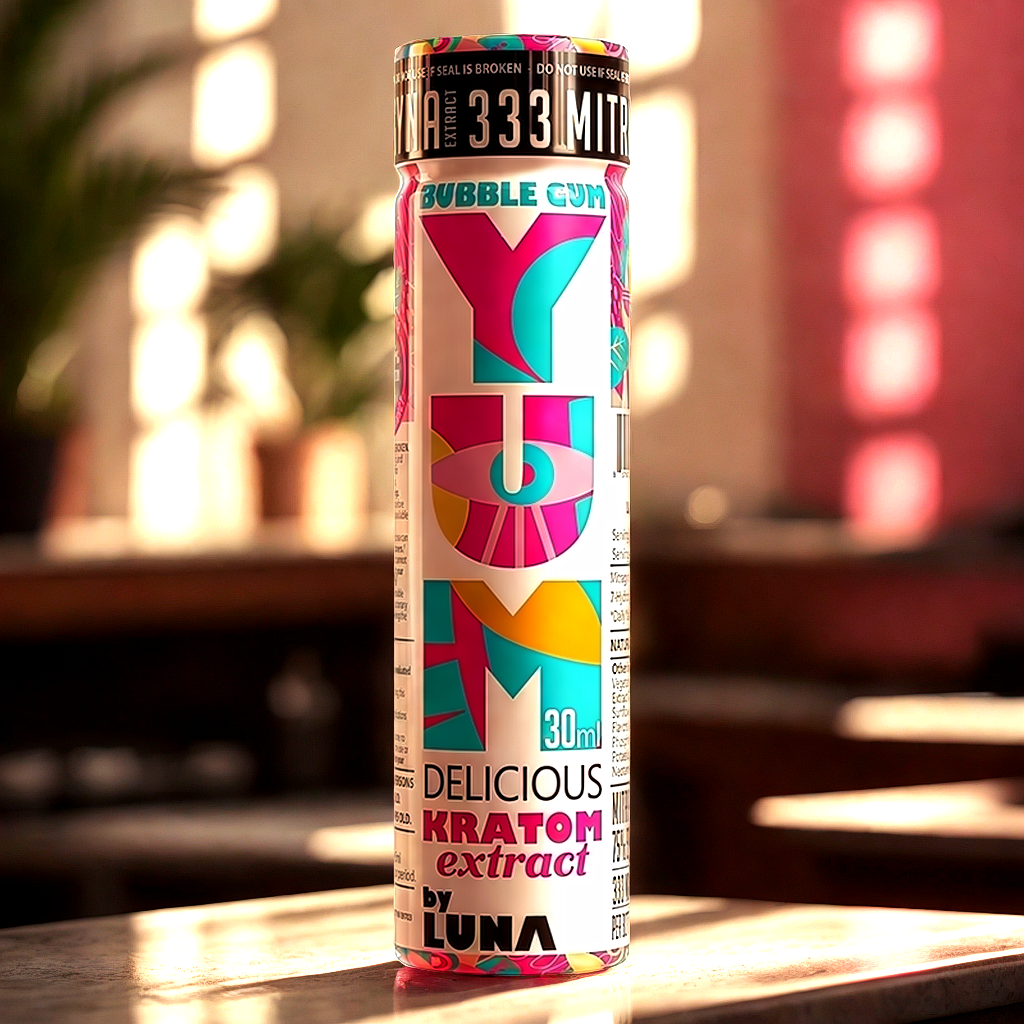
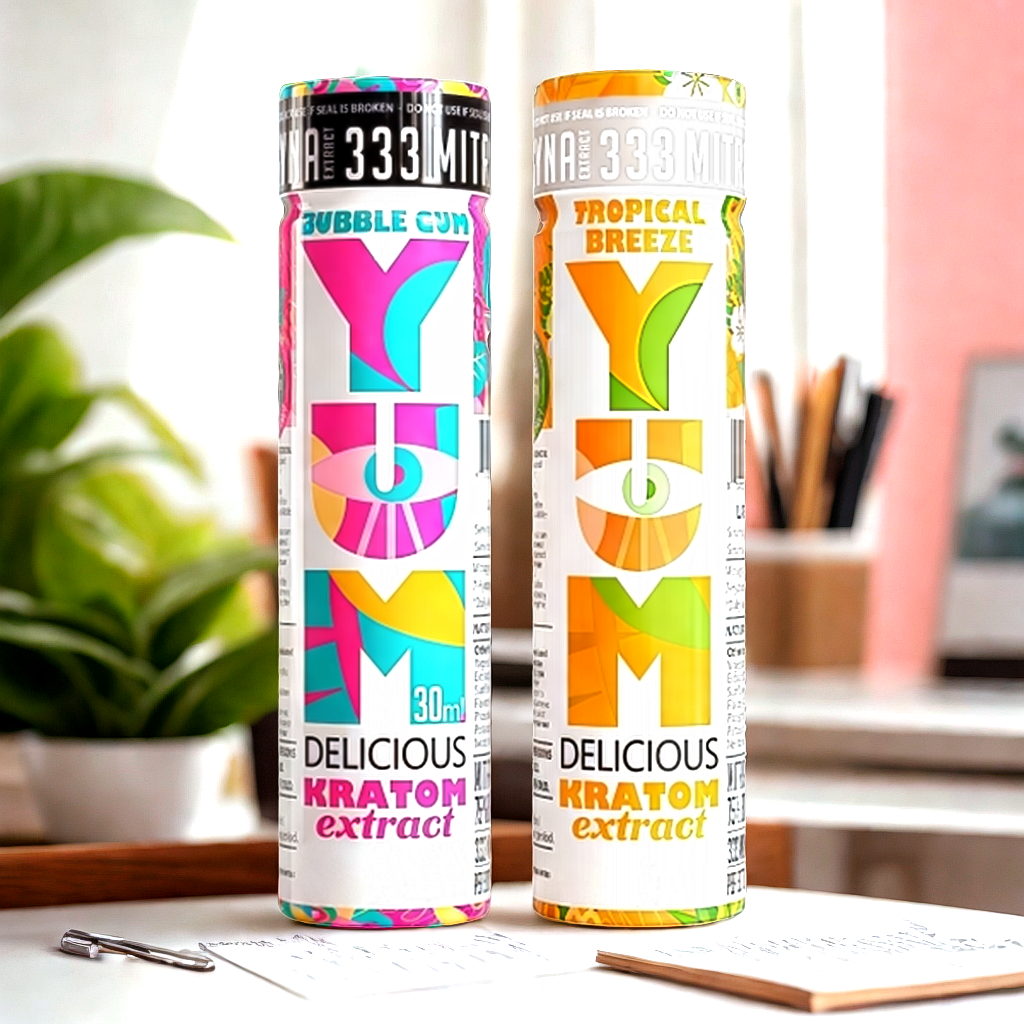
This is why we specifically formulated YUM to actually taste good, not just tolerable. If taste stopped you, that’s a solvable problem.
Problem #2: You Felt Nothing (Or Almost Nothing)

You took it, waited, and… nothing happened. Maybe a slight something, but so subtle you couldn’t be sure it wasn’t placebo. You expected to feel something and felt basically normal.
What actually happened: This usually comes down to one of three things. Either the product was genuinely weak (low alkaloid content, poor extraction, degraded from improper storage), you took it with food that blocked absorption, or you simply didn’t take enough to cross your personal threshold.
Body chemistry varies significantly. What produces a clear effect for one person might require a slightly higher serving for another. If you started conservatively (which is the right approach) but the product was already weak, you essentially took a micro-dose of something that was already under-strength.
Problem #3: You Felt Weird, Sluggish, or Off
Something happened, but it wasn’t good. You felt foggy instead of focused. Heavy instead of energized. Maybe slightly nauseous or just generally “off” in a way that’s hard to describe. The next morning, you didn’t feel quite right either.
What actually happened: This is the signature of alkaloid imbalance, specifically products loaded with 7-hydroxymitragynine (7-OH) without proper ratios of mitragynine to create a balanced effect. Some products chase potency by concentrating 7-OH because it’s more noticeable per milligram, but the result is often sedating, disorienting, or creates that “off” feeling you experienced.
A well-extracted kratom product should deliver clean energy and focus, not brain fog and heaviness. If you felt worse instead of better, that’s a product quality issue, not a kratom issue.
Problem #4: The Format Was Too Complicated
You bought powder and it turned into a messy, time-consuming ordeal. You tried capsules and swallowed eight of them only to feel nothing for two hours. The whole process felt like too much effort for too little payoff.
What actually happened: Format dramatically affects both experience and absorption. Powder requires precise measurement, tastes terrible, and has variable absorption depending on how you consume it. Capsules have to dissolve before anything reaches your system, which can take 45 minutes to over an hour, and the gelatin itself can interfere with absorption for some people.
Extract shots solve both problems: pre-measured serving, no preparation, faster onset. If format friction contributed to your bad experience, that’s worth considering. We’ve written about why format matters more than most people realize.
Problem #5: The Timing Was All Wrong
You took kratom after a big meal, with your morning coffee, or right before bed when you wanted energy. The timing was off, and the experience reflected that.

What actually happened: Kratom absorption is significantly affected by stomach contents. Taking it with or after food can delay onset, reduce intensity, and muddy the experience. Combining it with caffeine can create jitteriness or override the clean focus kratom typically provides. Taking an energizing product at night obviously won’t feel right.
Timing isn’t complicated, but it matters. Empty stomach, 20-30 minutes before eating, and at an appropriate time for what you’re trying to accomplish.
What Actually Determines Whether Kratom Works for You
Now that you’ve identified what probably went wrong, let’s talk about what actually creates a good kratom experience. Understanding this helps you evaluate whether a second attempt makes sense.
Alkaloid Balance Is Everything
Kratom contains dozens of alkaloids, but the two that matter most are mitragynine and 7-hydroxymitragynine. The ratio between them, and the overall quality of extraction, determines what you’ll actually feel.
Mitragynine in proper concentrations contributes to the clean energy and focus that people describe when kratom works well. 7-OH in high concentrations without adequate mitragynine creates sedation, heaviness, and that “off” feeling many first-timers report.
Products that chase raw potency often just load up on 7-OH because it’s more immediately noticeable. But “stronger” doesn’t mean “better,” and often means worse. A balanced extraction that preserves natural alkaloid ratios typically delivers a much better experience than a product that just maximizes one compound.
Extraction Quality Matters More Than Most People Realize
How kratom is processed, from raw leaf to finished product, dramatically affects what ends up in the bottle. Poor extraction methods can degrade beneficial compounds, concentrate undesirable ones, or leave you with inconsistent alkaloid content from batch to batch.
This is why products from different brands can feel completely different even if they claim similar potency. The numbers on the label only tell part of the story. Extraction methodology, quality control, and third-party testing determine whether those numbers translate to a consistent, predictable experience.
Your Body Chemistry Is a Real Variable
Beyond product quality, individual factors affect how you’ll respond. Metabolism, body weight, whether you’re well-hydrated, what you’ve eaten recently, how much sleep you’ve had (all of these influence the experience).
This doesn’t mean kratom is unpredictable. It means the first time you try anything, you’re establishing your baseline. If your first experience was compromised by a bad product, you don’t actually have a baseline yet. You have data about one bad product on one particular day.
The Re-Try Protocol: How to Give It a Fair Second Chance
If you’ve identified what went wrong and want to try again, here’s a structured approach that eliminates the variables that probably sabotaged your first experience.
Step 1: Choose a Balanced Extract from a Reputable Source
Skip the gas station bottles. Skip the cheapest online option. Look for a product that emphasizes alkaloid balance (not just maximum potency), provides clear information about what’s inside, and has verifiable quality testing.
YUM is designed specifically to solve the problems that ruin first experiences: balanced extraction for clean energy without the fog, actual attention to taste, and consistent quality batch to batch. Check out our products if you want a concrete recommendation.
Step 2: Set Up Your Timing
Empty stomach is non-negotiable for your re-try. Wait at least 2-3 hours after your last meal. Plan to eat 20-30 minutes after taking kratom, which actually enhances the experience for many people.
Don’t combine with coffee or other stimulants this time. Give kratom a fair shot on its own so you can actually evaluate what it does for you.
Morning or early afternoon works best for an energizing product. Don’t try this at 9pm and expect to sleep well.
Step 3: Start with Half the Suggested Serving
If the product recommends one capful, start with half. This is counterintuitive if your first experience was “felt nothing,” but it’s the right approach with a quality product.
With balanced kratom, less often delivers a better experience than more. You can always increase next time, but you can’t un-take something if you overshot. The “less is more” principle applies here. Our FAQ section covers dosing questions in more detail.
Step 4: Wait the Full Onset Window
Give it 20-30 minutes before judging. Resist the urge to take more if you don’t feel something immediately. Extract shots absorb faster than powder or capsules, but rushing to redose because you’re impatient is how people end up having a worse experience than necessary.
Step 5: Track the Full Timeline
Pay attention to the experience arc, not just the peak. Notice when you first feel something (onset). Notice when it’s strongest (usually 1-2 hours in). Notice how you feel as it fades (3-4 hours). Most importantly, notice how you feel the next morning.
A quality product should deliver clean focus during the active period, a smooth comedown without a crash, and you should wake up feeling normal the next day. If any of those aren’t true, that tells you something important.
For a more detailed breakdown of what to expect, check out our guide on what kratom actually feels like hour by hour.
When Kratom Legitimately Isn’t Right for You (And That’s Fine)
Here’s the part most kratom content skips: this botanical genuinely isn’t for everyone, and that’s not a failure on your part.
Skip kratom if any of these apply:
- You’re under 21
- You’re pregnant or nursing
- You’re taking medications that could interact (especially anything affecting the liver or CNS)
- You have a medical condition that warrants caution (consult your healthcare provider)
- You live in a state or jurisdiction where kratom isn’t legal
- You have a history of substance dependency and aren’t confident in your relationship with it
- You simply don’t like how it makes you feel, even with a quality product and proper protocol
That last one is legitimate. Some people try quality kratom under ideal conditions and it just isn’t their thing. The experience doesn’t resonate, or they prefer other tools for energy and focus. That’s valid. Not every botanical suits every person.
If you have questions about whether kratom makes sense for your specific situation, especially if you have health considerations, talk to your healthcare provider. They should know what you’re considering.
What a Good Kratom Experience Actually Feels Like
If you’re going to try again, it helps to know what you’re actually looking for. Here’s what a positive experience typically involves with a balanced, quality product:
The first 20-30 minutes: Gradual onset. You might notice a subtle shift in energy or mood before anything pronounced. Some people describe it as “the gears starting to turn more smoothly.”
The peak (1-2 hours): Clean, focused energy. Not jittery or anxious like too much caffeine. Not sedated or foggy. Clear-headed motivation to tackle whatever’s in front of you. Many people describe feeling “on” without feeling wired.
The active period (2-4 hours): Sustained focus without a dramatic peak and crash. The experience is steady rather than spiky. You feel engaged and capable without the frantic edge some stimulants create.
The comedown: Gradual return to baseline. No crash. No rebound fatigue. No irritability. You just feel… normal again.
The next morning: You wake up feeling like yourself. No hangover effect. No residual sluggishness. No “paying for yesterday” sensation.
This is what balanced kratom actually delivers when the product is quality and the conditions are right. It’s not euphoria or intoxication. It’s clean energy and focus that feels sustainable, not borrowed from tomorrow.
Compare that to what you experienced the first time. If there’s a significant gap, that gap represents the difference between what you tried and what’s actually possible.
Frequently Asked Questions
How long should I wait before trying kratom again after a bad experience?
There’s no required waiting period. If your bad experience was from a poor quality product or wrong timing, you could try a quality product under better conditions whenever you’re ready. If your bad experience included feeling unwell, give yourself a few days to reset and approach it fresh. The point isn’t time, it’s changing the variables that contributed to the bad experience.
Can the same kratom product affect me differently on different days?
Yes, to a degree. Sleep, hydration, stress levels, and stomach contents all influence the experience. This is why the re-try protocol emphasizes controlling the variables you can control (empty stomach, proper timing, starting dose) so you’re comparing apples to apples. Day-to-day variation is normal, but it shouldn’t be dramatic with a consistent, quality product.
Does kratom taste bad no matter what, or are some products actually drinkable?
Raw kratom and most extracts taste objectively bad. Bitter, earthy, medicinal. That’s just what the alkaloids taste like unmasked. However, products that specifically prioritize palatability (like YUM) can actually taste good. It requires intentional formulation, not just throwing kratom into a bottle. If taste was your barrier, drinkable products exist. They’re just not the norm.
What’s the minimum I should try before deciding kratom isn’t for me?
Give it three attempts with a quality product under proper conditions. Different enough circumstances that you’re actually testing the botanical, not just repeating the same mistake. Try it on an empty stomach versus after light food. Try slightly different servings. Try morning versus afternoon. If three intentional attempts with a quality product don’t produce anything positive, kratom probably isn’t your thing, and that’s fine.
Ready to Give It Another Shot?
Your first kratom experience probably wasn’t kratom’s best foot forward. A random product, unknown quality, questionable timing, and no framework for what to expect (that’s a recipe for disappointment with almost anything).
If you’re going to try again, do it right. YUM was formulated specifically to solve the problems that ruin first experiences. Balanced alkaloid profile for clean energy without the fog. A taste you can actually enjoy. Consistent quality that delivers the same experience every time.
Start with one capful (or half, if you’re being conservative). Empty stomach. Give it 20-30 minutes. And actually notice what happens.
You might discover that kratom isn’t for you, and that’s legitimate information worth having. Or you might discover that your first experience was a bad introduction to something that actually works quite well when the product and conditions are right.
Either way, you’ll know for real this time.
Remember: YUM is for adults 21 and over. Start with a small serving and see how you respond before adjusting. If you have medical conditions or take medications, consult your healthcare provider first.