
Gas Station Kratom: A Field Guide to What You're Actually Looking At When This Stuff Shows Up Everywhere
 Jess Morales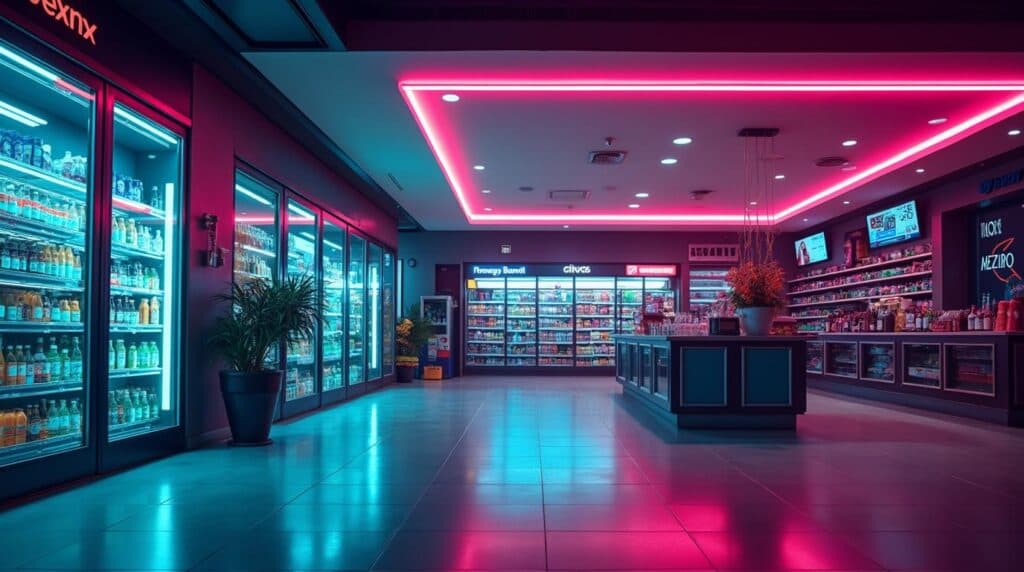
Gas Station Kratom: A Field Guide to What You’re Actually Looking At When This Stuff Shows Up Everywhere
You stopped for gas, grabbed a water, and then you noticed it: a whole display case of little bottles and packets with names that sound like energy drinks had a baby with a supplement store. “Kratom extract.” “Kratom shots.” “Premium Kratom.” Maybe you’ve seen them at the smoke shop too. Or that new wellness place that opened where the frozen yogurt shop used to be.
If you’re standing there thinking what the hell is this stuff and why is it suddenly everywhere, you’re not alone. And you’re definitely not going to get a straight answer from the back of those packages.
This isn’t another explainer written for people who already know what kratom is. This is for you, right now, wondering whether any of this is worth your time or if it’s all gas station garbage.
Why Kratom Is Suddenly at Every Gas Station, Smoke Shop, and Wellness Store
Here’s the short version: kratom has been around for a long time, but it spent most of its American existence in specialty stores and online shops catering to people who specifically sought it out. That changed.
The functional beverage market exploded. People got tired of the coffee-and-energy-drink cycle. Sober curious became an actual movement. And suddenly, retailers realized there was money in selling alternatives to caffeine and alcohol that actually do something.
Kratom landed in that gap perfectly. It’s legal in most states (more on that later), it comes in convenient formats, and enough people reported positive experiences that demand grew. So retailers started stocking it. First specialty stores, then smoke shops, then gas stations, then that random cooler at the checkout counter you’ve walked past fifty times without noticing.
The problem? When something goes mainstream fast, quality control goes out the window. Not every product on that shelf is the same, and many of them are, frankly, trash.
The 60-Second Answer: What Kratom Actually Is
Kratom comes from the leaves of Mitragyna speciosa, a tree native to Southeast Asia (Thailand, Malaysia, Indonesia). People in those regions have been using the leaves for centuries, typically chewing them or brewing them into tea for energy during long work days.
The leaves contain alkaloids, which are naturally occurring compounds that interact with your body. The two that matter most are mitragynine and 7-hydroxymitragynine (usually called 7-OH).
Here’s what makes kratom interesting: the effects shift depending on the amount you take and the balance of those alkaloids.
- Lower amounts with balanced alkaloids: Most people describe clean energy, focus, maybe a subtle mood lift. Think more like a smooth coffee alternative than anything intense.
- Higher amounts or products heavy on 7-OH: Effects become more sedating, heavier, sometimes uncomfortable.
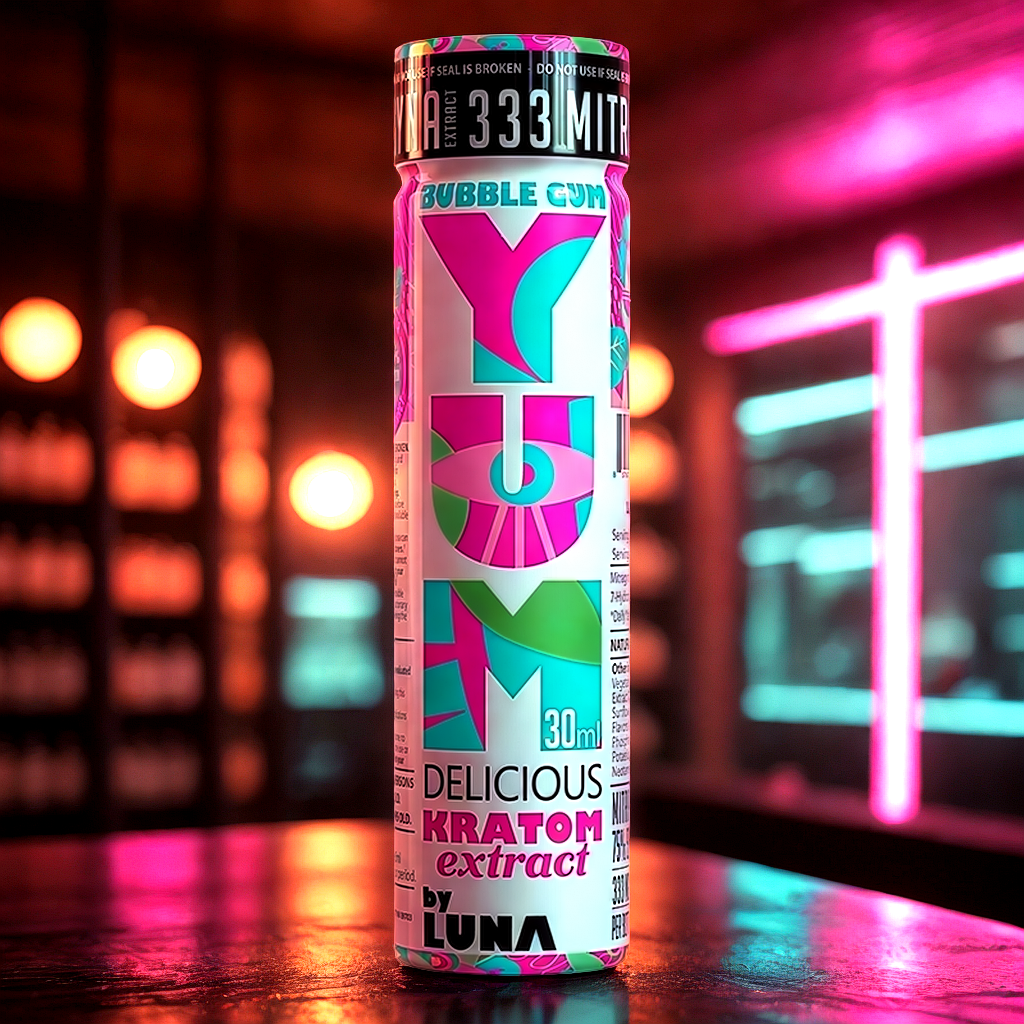
When people talk about quality kratom extract delivering “clean, focused energy without the jitters or crash,” they’re talking about products with the right alkaloid balance. When people talk about kratom making them feel sluggish or weird, they usually grabbed something with a junky profile.
If you want the deeper dive on the science behind the plant and how it actually works, we’ve written that too. But for now, that’s the foundation.
Why What You See at the Gas Station Is Probably Garbage (And How to Spot It)
Let’s be direct: most kratom products at gas stations exist because someone figured out they could make money selling the cheapest possible product to people who don’t know any better.
That doesn’t mean every retail kratom product is bad. It means you need to know what separates worth-trying from stay-away.
Red Flags That Scream “Skip This”
No lab testing information anywhere. Quality kratom products are tested by third-party labs for potency, purity, and contaminants. If there’s no mention of testing on the package, website, or anywhere you can find, assume the worst. Real brands make their lab results available because they have nothing to hide.
Extreme potency claims. Packages screaming about being “10x stronger” or “maximum intensity” are usually compensating for something. Often, these products are jacked up with concentrated 7-OH to create a heavier, more sedating effect that some people mistake for “strong.” That’s not quality. That’s imbalance.
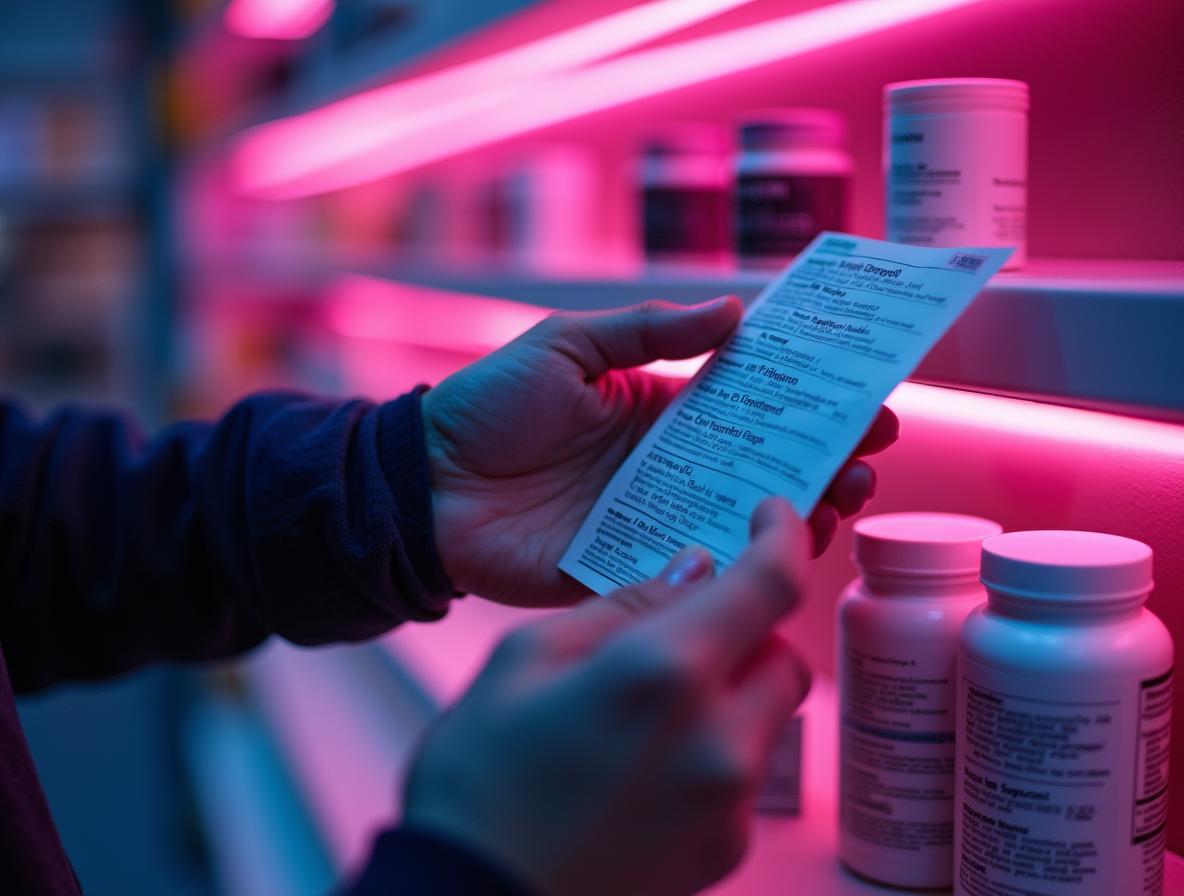
Sketchy packaging and branding. If it looks like someone designed it in Microsoft Paint and printed it at a copy shop, treat that as information. Legitimate companies invest in their presentation because they’re building a real business, not flipping a quick buck.
Dirt-cheap pricing. Quality kratom extract isn’t cheap to produce. Proper sourcing, careful extraction, third-party testing, good formulation, all of it costs money. If something is dramatically cheaper than everything else, ask yourself why.
Products specifically marketed for intensity over experience. There’s a whole category of products designed to hit you as hard as possible. They’re usually loaded with isolated 7-OH and give you an experience that’s more sedative and harsher than what balanced kratom actually feels like. These products exist because “strong” sells, not because “strong” equals “good.”
Why High 7-OH Products Feel Different (and Not in a Good Way)
This matters if you’re trying to understand why some kratom products feel clean and energizing while others feel heavy and unpleasant.
Mitragynine (the primary alkaloid in kratom leaves) tends to produce that clean energy and focus people talk about. 7-hydroxymitragynine is more potent but also more sedating at any significant level.
Natural kratom leaf has both, in a ratio that nature figured out over millions of years. Good kratom extracts preserve something close to that natural balance.
Cheap products and “maximum strength” products often isolate or concentrate 7-OH because it’s easier to make something feel “strong” that way. The result? Heaviness, brain fog, feeling off. That’s not kratom working. That’s kratom done wrong.

The Quality Markers That Actually Matter (Whether You Buy Retail or Online)
If you decide to actually try kratom, here’s how to give yourself the best shot at a good experience.
Look for Balanced Alkaloid Profiles
This is the single most important factor. A product with the right ratio of mitragynine to 7-OH will feel different from one that’s been manipulated for potency. If a brand talks about “full-spectrum” extraction or “balanced alkaloid profiles,” that’s usually a good sign. If they just talk about strength, be skeptical.
Verify Third-Party Testing
Any legitimate kratom brand tests their products through independent labs and makes those results accessible. You should be able to see what’s actually in the bottle: alkaloid content, absence of heavy metals and contaminants, verification that what’s on the label matches what’s inside.
No testing? No trust.
Check for Transparent Sourcing
Good kratom comes from good sources. Brands that work directly with farmers in Southeast Asia, that understand their supply chain, that can talk about where their kratom actually comes from, those are better bets than brands selling generic “premium kratom” with no story.
Want to understand what that supply chain actually looks like? We broke down the journey from farm to product.
Taste Actually Tells You Something
This one surprises people, but it matters.
Raw kratom is bitter. There’s no getting around that. But quality kratom extracts can taste good, or at least not like punishment. When extraction is done right and the formulation is thoughtful, you end up with something drinkable rather than something you have to choke down.
If a product tastes absolutely vile, that’s often a sign of poor extraction, low-quality source material, or a formulation that prioritized nothing but potency. Products that taste good enough to actually enjoy? That usually means someone cared about the experience, not just the effects.
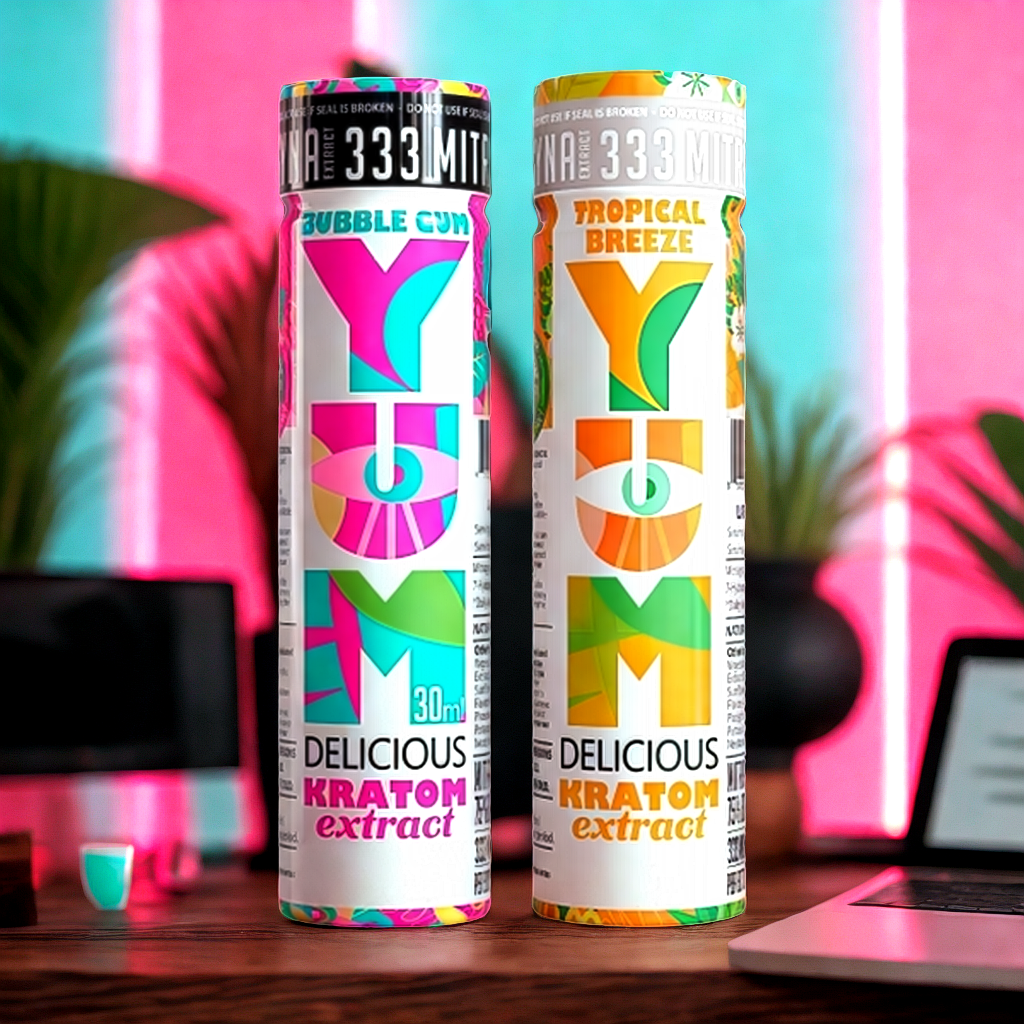
This is one of the reasons we built YUM the way we did. Kratom extract that actually tastes good isn’t a gimmick. It’s a quality signal.
What to Expect If You Actually Try Quality Kratom Extract
Assuming you find something worth trying (or you order from a brand you’ve vetted), here’s a realistic timeline of what the experience looks like.
First 20-30 Minutes
Not much. Kratom isn’t instant. You’ll take your serving and then go about your business. Some people feel a subtle shift starting around the 15-minute mark, but most notice it closer to 20-30 minutes in.
30 Minutes to Peak
This is where it comes together. With balanced kratom extract at an appropriate serving size, most people describe:
- Clean, smooth energy that doesn’t feel jittery
- Improved focus and mental clarity
- A subtle mood lift, nothing dramatic, just feeling good
- Physical comfort, some describe it as “everything feeling right”
If you’ve had that perfect cup of coffee where you feel dialed in without the edge, it’s something like that. But different. More complete, somehow. People who’ve written about what their first experience actually felt like tend to use words like “smooth” and “clean” a lot.
The Duration
Most people experience the effects for roughly 3-4 hours, though this varies based on individual factors and what you’ve eaten. The fadeout is gradual. You don’t crash. You don’t suddenly feel drained. You just slowly return to baseline.
The Most Important Part: Start Small
Less is more with kratom. This isn’t a “more = better” situation. Taking too much doesn’t amplify the good effects; it just tips the balance toward feeling heavy and off.
If you’re trying a kratom extract shot for the first time, start with one capful or whatever the brand recommends as a “starter” serving. You can always try more another time once you know how your body responds. You can’t un-take what you’ve already taken.
Our FAQ section covers more specific guidance on getting started.
The Honest Answer on Safety, Legality, and Whether This Is Right for You
You probably noticed that if you Google “is kratom safe,” you’ll find a lot of alarming information from medical institutions and government agencies. The FDA has issued warnings. The DEA has expressed concerns. Major health organizations describe it as potentially dangerous.
Here’s the full picture.
The Institutional Concern Is Real (But Also Incomplete)
Kratom is not FDA-approved for any medical use. It’s classified differently than dietary supplements in some regulatory interpretations, and agencies have raised concerns about contamination, inconsistent potency in some products, and the potential for misuse.
These concerns aren’t fabricated. There have been contamination issues with low-quality products. There have been cases of problematic use. Kratom is not risk-free.
At the same time, millions of people in the U.S. use kratom regularly without incident. The American Kratom Association advocates for quality standards and consumer protection. Researchers continue studying kratom’s effects and potential applications.
What you’ll notice from the scary headlines is that they rarely distinguish between contaminated gas station products and quality-tested extracts, between heavy daily use and occasional supplementation, between people with existing health conditions and healthy adults making informed choices.
The picture is more nuanced than “dangerous” or “safe.” It’s: what product, how much, how often, for whom?
Legality Varies by State
Kratom is federally legal in the United States but banned in six states:
- Alabama
- Arkansas
- Indiana
- Rhode Island
- Vermont
- Wisconsin
Some cities and counties have additional restrictions. If you’re in one of those states, kratom isn’t a legal option for you. Period.
The Dependence Question
We’re not going to dodge this: kratom can cause physical dependence with regular, frequent use. Your body can adapt to having it, and stopping abruptly after extended regular use can produce withdrawal effects.
This is one reason why responsible brands (including us) don’t encourage daily use. Occasional use, for specific situations, with breaks in between. That’s the approach that makes sense for most people.
If you have a history of substance dependence or are currently managing a related condition, kratom probably isn’t for you. Talk to a healthcare provider if you’re unsure.
Who Should Skip This Entirely
- Anyone under 21. Full stop.
- Anyone with existing health conditions, especially liver, kidney, or heart conditions, without consulting a healthcare provider first.
- Anyone taking prescription medications, as interactions aren’t fully studied.
- Anyone pregnant or nursing.
- Anyone with a history of substance dependence who hasn’t talked to a professional about it.
Kratom is a real botanical with real effects. That means it’s not for everyone, and being honest about that is part of respecting the plant and the people considering it.
Frequently Asked Questions
Is gas station kratom safe to try?
“Safe” is doing a lot of heavy lifting in that question. Gas station kratom products aren’t inherently more dangerous than other kratom products, but they’re much more likely to be untested, mislabeled, or low quality. Without third-party testing verification, you genuinely don’t know what’s in the bottle. The safer play is ordering from brands that publish their lab results and have a track record of quality, or at minimum, verifying that any retail product you’re considering has accessible testing documentation.
What’s the difference between kratom extract shots and kratom powder?
Kratom powder is ground-up kratom leaf. You’d typically measure it out and mix it into a drink or take it in capsule form. It’s less concentrated, so you need more of it to feel effects, and dosing is more variable.
Kratom extract shots are concentrated liquid products where the active alkaloids have been extracted from the leaf material. They’re more potent per volume, more convenient, and (when made well) more consistent in their effects. The extraction process matters enormously for the final experience.
Why do some kratom products feel harsh or sedating while others feel clean?
Alkaloid balance. Products with too much 7-hydroxymitragynine relative to mitragynine tend to feel heavier and more sedating. Products with a balanced profile (closer to what the natural leaf contains) tend to feel cleaner and more energizing. Cheap products and “extra strength” products often manipulate this balance in ways that don’t serve the user well.
How do I know if a kratom product is actually tested and safe?
Look for brands that publish their Certificate of Analysis (COA) from third-party labs. This document should show alkaloid content, confirm the absence of contaminants like heavy metals and pathogens, and verify that the product matches its label claims. If a brand doesn’t make this information available, or if you can’t find any verification of testing, that’s a red flag worth respecting.
The Bottom Line on Retail Kratom Discovery
You didn’t go looking for kratom. It found you, on a shelf between the energy drinks and the vape cartridges. That’s increasingly common now, and it’s probably going to become more common.
Now you know what you’re looking at: a botanical extract with real effects that vary wildly based on product quality. You know the warning signs of garbage products. You know what quality actually looks like. And you know that the scary headlines and the enthusiastic testimonials are both telling partial truths.
If you decide to try kratom, don’t gamble on whatever’s convenient. The difference between a good experience and a bad one often comes down to what you put in your body, not whether kratom “works.”
YUM was built for people who actually care about what they’re drinking: the taste, the balance, the quality, and how they’ll feel tomorrow. If you’re going to try kratom extract, start with something designed to make your first experience a good one.
Try one capful. See what you think.
You’ll understand why quality matters.