
From Tree to Terrible: The 7 Quality Failure Points That Ruin Most Kratom Products Before You Even Open Them
 Jess Morales
From Tree to Terrible: The 7 Quality Failure Points That Ruin Most Kratom Products Before You Even Open Them
You’ve probably noticed something strange about kratom. Half the internet swears it’s a life-changing botanical. The other half warns you it’s dangerous garbage. The FDA issues warnings. Reddit threads overflow with praise. How can everyone be talking about the same plant and reaching completely opposite conclusions?
Here’s the uncomfortable truth nobody wants to admit: they’re often not talking about the same thing. A kratom product that survives every quality checkpoint from harvest to bottle bears almost no resemblance to one that failed at step two. And the vast majority of products on the market? They failed somewhere along the way.
This isn’t a defense of the industry. It’s an investigation into it. Let’s walk through exactly where things go wrong, so you can stop gambling on products and start recognizing the ones worth your money.
Why the FDA Warnings Aren’t Wrong—They’re Just Incomplete
If you’ve researched what kratom actually is, you’ve likely encountered institutional warnings. The FDA has flagged contamination issues. Health organizations cite concerns about unregulated products. And honestly? They’re not making this stuff up.
The problem is that these warnings treat all kratom products as identical. They don’t distinguish between a properly harvested, carefully extracted, third-party tested product and something a fly-by-night operation threw together in a warehouse. That’s like warning people about “restaurants” after a few gave customers food poisoning. Technically accurate. Practically useless.
The real question isn’t “is kratom safe?” It’s “did this specific product survive the quality gauntlet, or did it fail somewhere you can’t see?”
Let’s find out where that gauntlet gets brutal.
Failure Point #1: The Harvest (When and How the Leaf Gets Picked)
Kratom comes from Mitragyna speciosa, a tree native to Southeast Asia. The leaves contain alkaloids (primarily mitragynine) that give kratom its effects. But here’s what most people don’t realize: the alkaloid content in those leaves varies dramatically based on when they’re picked.
Mature leaves from established trees contain different alkaloid profiles than young leaves rushed to market. Harvest timing matters. Growing conditions matter. The age of the tree matters. None of this shows up on a product label.

What goes wrong:
- Demand spikes lead to premature harvesting from young trees
- Farmers facing financial pressure harvest before optimal maturity
- Leaves from different harvest periods get mixed together, creating inconsistent batches
- No standardization exists for what “mature harvest” actually means
Red flags consumers can spot: If a company can’t tell you anything about their sourcing relationships beyond vague claims like “premium Indonesian kratom,” they probably don’t know much about their harvest quality either. Companies that have direct relationships with specific farming operations can usually describe those relationships in detail.
Failure Point #2: The Drying Process (Where Contamination Begins)
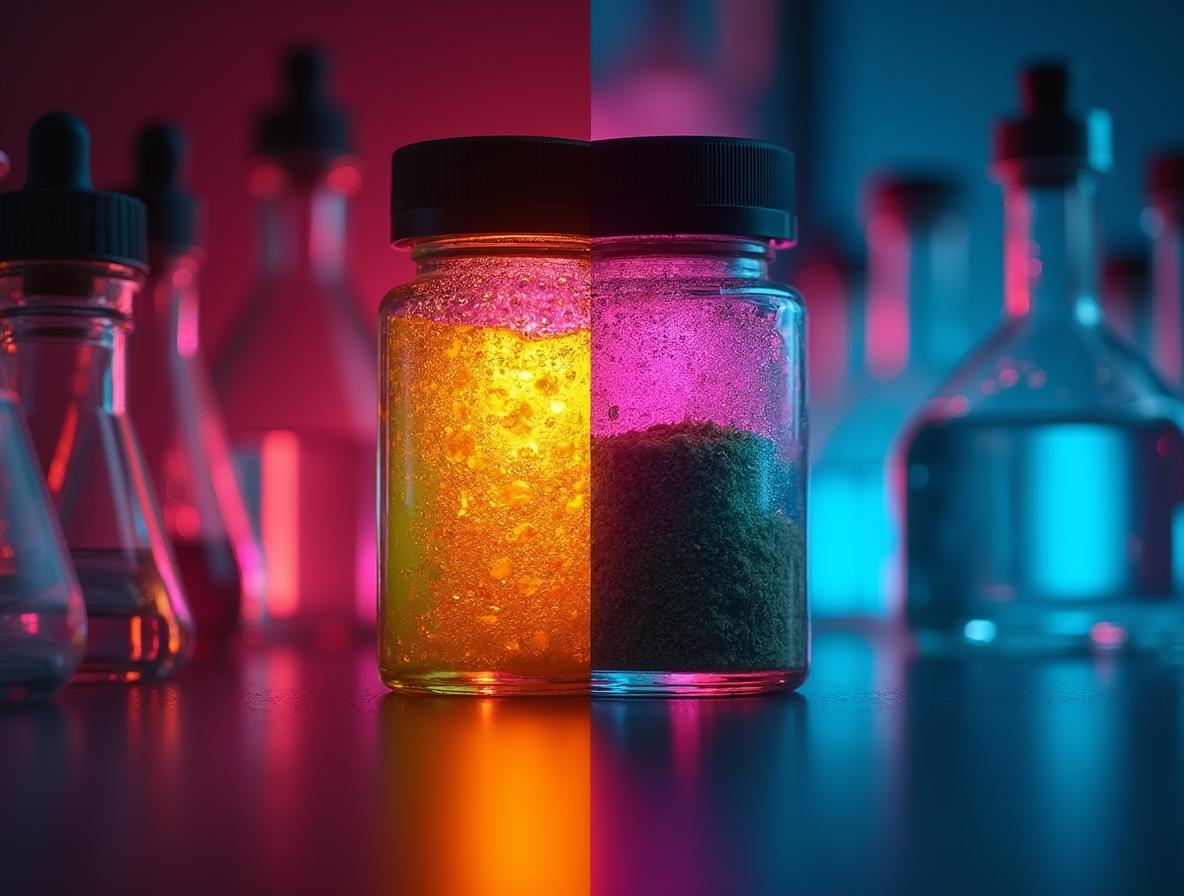
Fresh kratom leaves have to be dried before processing. This step sounds simple. It isn’t. And this is where many products pick up the contamination that later shows up in warning reports.
Traditional drying methods involve spreading leaves on the ground outdoors. Sunlight. Rain. Dust. Animal contact. Insects. All of these introduce potential contaminants. Some producers use elevated drying racks in controlled environments. Many don’t.
Humidity control matters enormously here. Too much moisture during drying creates conditions for mold and bacterial growth. The salmonella contamination that triggered some FDA warnings? It often starts right here, on a dirty drying floor in tropical humidity.
What goes wrong:

- Ground drying exposes leaves to soil bacteria and parasites
- Poor humidity control allows mold to develop
- Rushed drying (to meet demand) doesn’t allow proper moisture reduction
- Contaminated batches get mixed with clean ones
Red flags consumers can spot: Ask about drying methods. If the answer is vague or nonexistent, that tells you something. Products that test positive for heavy metals or biological contaminants often trace back to this stage. Companies that prioritize third-party testing catch these problems before products reach you. Companies that don’t? You become the quality control.
Failure Point #3: The Extraction Method (The Step That Changes Everything)
Raw kratom powder is one thing. Kratom extract is something else entirely. The extraction process concentrates the alkaloids, but how that concentration happens affects everything about what you’ll actually experience.
Different extraction methods pull different compounds from the plant. Some methods prioritize maximum alkaloid concentration regardless of balance. Others aim to preserve the natural ratios found in the leaf. The difference matters more than most consumers realize.
If you’ve ever wondered why extraction methods change everything about what you experience, this is why. Two products with identical alkaloid percentages can feel completely different based on how those alkaloids were extracted.
What goes wrong:
- Cheap extraction methods denature or destroy certain alkaloids
- Harsh chemical solvents leave residues in the final product
- Aggressive extraction creates unbalanced alkaloid profiles that feel “harsh” or “edgy”
- Some producers spike products with isolated compounds rather than properly extracting
Red flags consumers can spot: Products that feel harsh, leave you feeling off afterward, or seem wildly inconsistent between batches often have extraction problems. Companies that can explain their extraction philosophy (not just claim “proprietary methods”) tend to have actually thought about this stage.
Failure Point #4: The Formulation Stage (Concentration, Balance, and the 7-OH Question)
Here’s where things get interesting. Kratom contains multiple alkaloids, and how they’re balanced in the final product shapes the entire experience. The two primary alkaloids people discuss are mitragynine and 7-hydroxymitragynine (7-OH).
Some producers chase maximum concentration, believing “stronger” always means “better.” This misses the point entirely. An extract that’s heavily skewed toward one alkaloid creates a different experience than one with balanced ratios. Many people report that unbalanced products feel less smooth, more likely to cause discomfort, and generally less enjoyable.
Understanding the science behind kratom’s alkaloids helps explain why balance matters. The plant evolved with these compounds in certain ratios. Products that respect those ratios tend to provide experiences closer to what traditional kratom users in Southeast Asia have known for generations.
What goes wrong:
- Chasing maximum potency creates unbalanced, uncomfortable experiences
- Adding isolated alkaloids artificially skews the profile
- Inconsistent formulation means every batch feels different
- No standardization exists for what “balanced” actually means
Red flags consumers can spot: Products that hit extremely hard, leave you feeling strange afterward, or produce wildly different experiences between purchases often have formulation issues. Look for companies that talk about “balanced alkaloid profiles” rather than just maximum strength. YUM prioritizes this balance because we’ve seen what happens when products don’t.
Failure Point #5: Testing and Verification (Or the Lack Thereof)
Third-party testing should be non-negotiable. It isn’t. Many products reach consumers with no verification whatsoever. Others have testing, but it’s either incomplete, outdated, or from labs with questionable credibility.
A proper Certificate of Analysis (COA) should verify alkaloid content, confirm absence of heavy metals (lead, arsenic, cadmium, mercury), test for microbial contamination (salmonella, E. coli, mold), and check for adulterants. If a company can’t show you this documentation, they’re asking you to trust them blindly.
What goes wrong:
- No testing at all (more common than you’d think)
- Testing only some batches, not all
- Using unreliable labs that provide convenient results
- Testing for alkaloid content but not contaminants
- Outdated COAs that don’t match current inventory
Red flags consumers can spot: Ask for COAs. If a company hesitates, makes excuses, or provides documents that look unprofessional, walk away. Legitimate testing costs money. Companies that skip it are cutting corners you care about. Check our frequently asked questions for more on what to look for in lab documentation.
Failure Point #6: Taste (The Quality Indicator Nobody Talks About)
Most kratom products taste absolutely terrible. Bitter, earthy, sometimes metallic or chemically offensive. People accept this as inevitable. It isn’t.
Terrible taste often correlates with extraction shortcuts, contamination, or poor formulation. When companies don’t invest in palatability, it usually means they’re not investing in other areas either. The “just hold your nose and choke it down” attitude tells you something about how much a company respects your experience.
We’ve written extensively about why most kratom extracts taste like dirt and what actually makes a product drinkable. Spoiler: it requires caring about the end user experience, which many producers simply don’t.
What goes wrong:
- Harsh extraction methods create bitter, unpleasant flavors
- Contamination adds off-tastes
- No formulation effort goes into making products enjoyable
- Companies assume customers will suffer through anything
Red flags consumers can spot: This one’s obvious. If you have to choke something down, that’s data. Products that actually taste good required someone to care about your experience at every stage. YUM actually tastes good because we refuse to accept that “terrible” is the only option.
Failure Point #7: Storage and Shelf Life (The Final Gauntlet)
A product that survived every previous checkpoint can still fail at the finish line. Kratom alkaloids degrade over time, especially when exposed to light, heat, moisture, or oxygen. Proper storage and packaging matter.
Old inventory gets sold as fresh constantly in this industry. Products sit in warehouses for months or years before reaching consumers. Packaging that doesn’t protect against oxidation accelerates degradation. By the time you open that bottle, you might be getting a fraction of what the label claims.
What goes wrong:
- Clear packaging exposes product to light degradation
- Poor seals allow air and moisture infiltration
- Old inventory rotates forward as “new” product
- Storage conditions (heat, humidity) accelerate breakdown
- No expiration dates or batch tracking
Red flags consumers can spot: Check for batch dates or expiration dates. Look at packaging quality. Clear bottles sitting on sunny shelves are problematic. Products from companies with high turnover (fresh inventory) generally outperform those sitting in distribution centers for months.
The Consumer’s Quality Checkpoint: Questions That Expose Shortcuts
You don’t need lab equipment to evaluate kratom products. You need the right questions. Here’s your framework:
Before you buy, ask:
- “Can I see a Certificate of Analysis for this batch?” (Not “a” COA. This batch.)
- “What does your testing cover?” (Alkaloid content alone isn’t enough)
- “Where do you source your kratom, and what’s that relationship like?” (Vague answers = red flag)
- “How do you handle storage and what’s the production date?” (Fresh matters)
When evaluating products, notice:
- Does the company make it easy to find quality documentation, or do you have to dig?
- Is the packaging designed to protect the product, or just look good?
- Do they discuss alkaloid balance, or just brag about potency?
- Can they explain their extraction approach, or is everything “proprietary”?
If you’re researching how to choose kratom extract wisely, these questions will help you separate companies that invest in quality from those that invest in marketing.
Why Quality Costs More (And Why It’s Worth It)
Cheap kratom products exist because shortcuts exist at every stage we just covered. Ground drying instead of controlled environments. Minimal testing. No formulation investment. Harsh extraction. Poor storage.
Doing each step correctly costs more. Sourcing from established farming relationships costs more than buying whatever’s available. Controlled drying facilities cost more than spreading leaves on the ground. Comprehensive testing costs more than no testing. Extraction methods that preserve balance cost more than those that don’t. Packaging that protects the product costs more than clear plastic bottles.
When you see dramatically cheaper prices, ask yourself which of those seven failure points that company decided to skip. You might not see the problem immediately. But you’ll experience it.
Quality isn’t about paying more for the same thing. It’s about paying for the steps that make the product worth using in the first place. The institutional warnings about kratom? They’re largely describing products that failed the gauntlet. Products that survived it deliver what those warnings claim kratom can’t.
Finding Products That Survived the Gauntlet
The kratom industry’s reputation problems come from products that failed somewhere along the production chain. Contamination. Unbalanced formulations. Degraded alkaloids. No testing. Terrible experiences that make people wonder what they were thinking.
But products exist that get it right. Companies that maintain real sourcing relationships. That invest in proper drying and extraction. That test thoroughly and formulate for balance rather than maximum punch. That care whether you can actually drink the stuff without gagging.
If you’ve had a bad kratom experience, or wondered why your experience didn’t match what you’d read about, chances are good you encountered a product that failed one of these seven checkpoints. It wasn’t the plant. It was what happened between the tree and the bottle.
Ready to try a kratom extract that survived every quality checkpoint? YUM prioritizes balanced alkaloid profiles and actually tastes good because we believe you shouldn’t have to suffer through terrible products to find out what kratom can actually feel like. Start with one capful and experience the difference quality makes. This product is for adults 21 and older. If you have medical conditions, consult your healthcare provider before trying any new botanical product. Remember: less is more, especially when you’re starting out.
Frequently Asked Questions
Why do some kratom products taste so much worse than others?
Taste reflects process quality. Harsh extraction methods, contamination, and poor formulation all contribute to unpleasant flavors. Products that taste metallic or chemically often have extraction issues. Those that taste “off” or unusually bitter may have contamination or degradation problems. Companies that invest in palatability typically invest in other quality measures too. If they cared enough to make it drinkable, they probably cared about the steps that came before.
What should I look for on a Certificate of Analysis (COA)?
A legitimate COA should come from an accredited third-party lab (not in-house testing). It should include alkaloid content verification, heavy metal testing (lead, arsenic, cadmium, mercury), microbial testing (salmonella, E. coli, mold counts), and a date that matches the product batch you’re buying. Watch for COAs that only test alkaloids while ignoring contaminants, or documents that don’t include the lab’s accreditation information. If it looks like someone made it in Microsoft Word, be skeptical.
How can I tell if a kratom extract has a balanced alkaloid profile?
Balanced products typically feel smooth and clean, without the harsh “edge” that unbalanced extracts often produce. They don’t hit aggressively or leave you feeling off afterward. Look for companies that discuss balance in their product descriptions rather than just bragging about potency or concentration levels. Ask about their formulation philosophy. If they can’t explain what balance means to them, they probably aren’t prioritizing it.
Does more expensive kratom always mean better quality?
Not always, but quality does cost money. Testing is expensive. Proper sourcing relationships cost more than buying commodity kratom. Controlled drying facilities cost more than ground drying. Good extraction equipment costs more than cheap alternatives. When you see dramatically lower prices, something got cut. That said, premium pricing doesn’t guarantee quality either. Some companies charge more simply because they can. Use the questions in this article to evaluate whether a company’s price reflects actual quality investment or just marketing.