
From Seed to Shot: The Agricultural Science Behind Kratom Quality That Most Consumers Never Learn
 Ryan Okafor
From Seed to Shot: The Agricultural Science Behind Kratom Quality That Most Consumers Never Learn
You’ve probably noticed something weird if you’ve tried kratom from different sources: the same “strain” can feel completely different depending on where you bought it. One product gives you clean, focused energy. Another makes you feel like you drank swamp water and took a nap. Same plant species. Same label. Completely different experience.
This isn’t random. It’s agricultural science.
Most kratom content treats the plant as a single, uniform thing. Institutional sources warn about “kratom” as if every product is identical. Marketing materials hype “kratom” as if quality is automatic. Neither approach helps you understand why products vary so dramatically, or how to identify the good stuff before you spend your money.
If you’ve already read the basics of what kratom actually is, this guide goes deeper. We’re talking about the farming decisions, environmental factors, and processing techniques that determine whether you get a premium product or expensive disappointment.
The Same Species, Wildly Different Products: Why Kratom Quality Varies So Dramatically
Kratom (Mitragyna speciosa) is a single species in the coffee plant family. Every kratom product on the market comes from this one tree. So why does quality vary so much?
Think about wine for a second. All red wine comes from grapes. But a $15 bottle from a California supermarket tastes nothing like a $200 Burgundy. The grape variety matters, sure. But so does the soil composition, the climate that year, when the grapes were harvested, and how the wine was processed and aged. Wine enthusiasts call this “terroir,” the complete environmental context that shapes the final product.
Kratom has its own version of terroir, though nobody in the industry talks about it this way. The alkaloid profile that determines your experience isn’t fixed by genetics alone. It’s shaped by:
- Where the tree grows (soil composition, elevation, proximity to water)
- How the tree grows (wild-harvested vs. cultivated, canopy coverage, age of the tree)
- When leaves are harvested (young leaves vs. mature leaves, season, time of day)
- How leaves are processed (drying method, fermentation time, storage conditions)
Each of these factors influences the concentration and ratio of alkaloids, the active compounds that create the experience users describe. When we talk about alkaloids like mitragynine, we’re really talking about plant chemistry that’s constantly responding to environmental inputs.
Two trees growing fifty meters apart can produce leaves with noticeably different alkaloid concentrations. Scale that variation across thousands of farms in three different countries, and you start to understand why the kratom market is so inconsistent.
Growing Conditions That Shape Alkaloid Profiles: Soil, Climate, and the Southeast Asian Advantage
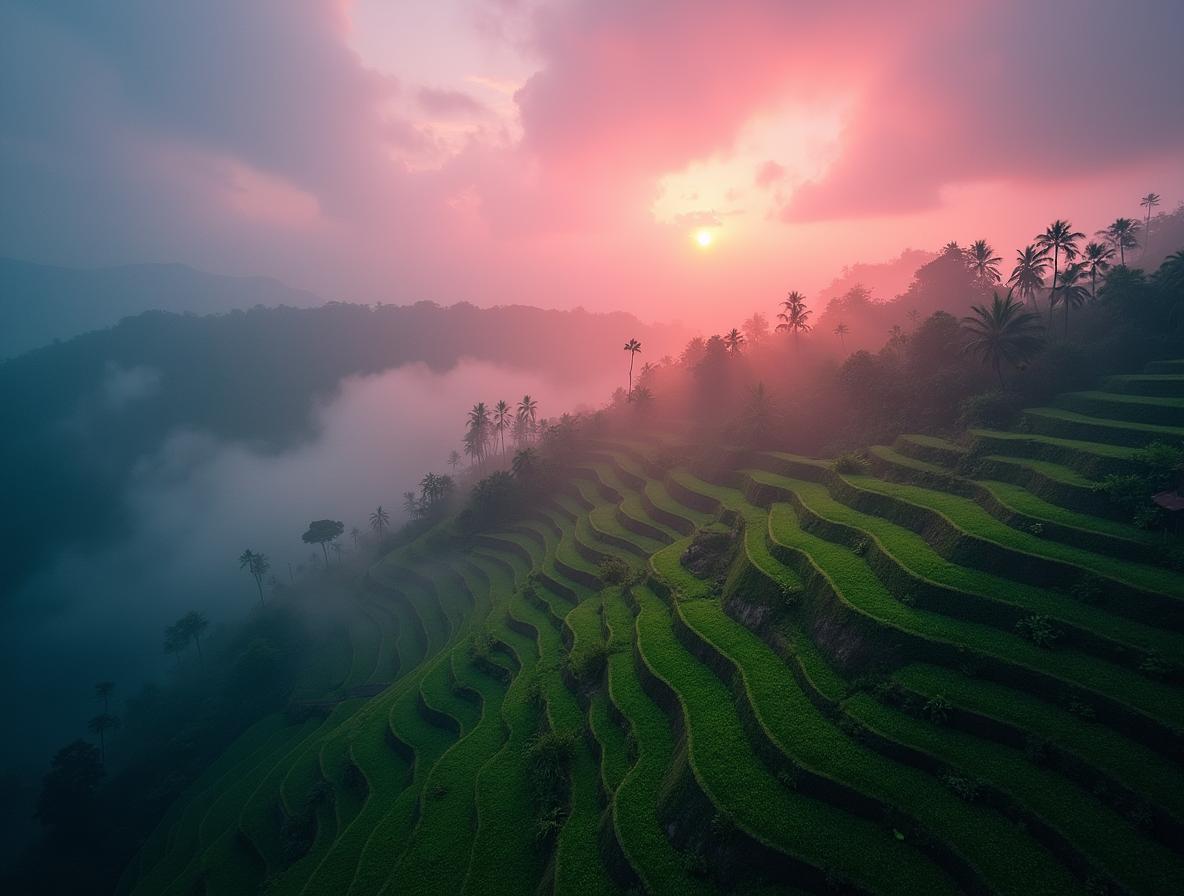
Kratom grows naturally in the tropical regions of Southeast Asia, primarily Indonesia, Thailand, and Malaysia. These aren’t arbitrary locations. The plant evolved here over millions of years, and the environmental conditions create specific alkaloid expressions that don’t replicate well elsewhere.
Why Geography Matters More Than You’d Think
The equatorial climate provides consistent conditions: high humidity, abundant rainfall, and temperatures that rarely drop below 70°F. Kratom trees don’t tolerate cold well. More importantly, they don’t produce the same alkaloid profiles when grown outside their native range.
Within Southeast Asia, regional differences create noticeable variations:
Indonesian kratom (primarily from Borneo, Sumatra, and surrounding islands) accounts for the vast majority of global supply. The volcanic soil in many regions provides mineral-rich growing conditions. Indonesian farms range from small family operations to larger commercial plantations, with quality varying accordingly.

Thai kratom has a complicated history. The plant was illegal in Thailand for decades, which actually increased interest in the traditional use that had existed for centuries. Recent legalization has reopened Thai cultivation, and some argue that Thai-grown kratom has distinct characteristics due to soil differences and traditional cultivation knowledge.
Malaysian kratom remains more restricted, with less commercial export. The limited supply means most “Malay” labeled products don’t actually come from Malaysia.
The Soil Chemistry Connection
Alkaloid production in plants is fundamentally a response to environmental stress and nutrient availability. Kratom trees growing in soil with specific mineral compositions tend to produce different alkaloid ratios than trees in nutrient-depleted or artificially fertilized soil.

Wild-growing trees in established forests typically have access to a complex nutrient network through mycorrhizal fungi and decomposing organic matter. This isn’t hippie speculation; it’s basic plant biology. Trees in rich, undisturbed soil can allocate resources to secondary metabolite production (including alkaloids) more efficiently than stressed trees fighting for nutrients.
The flip side: some research suggests that moderate environmental stress can actually increase alkaloid concentration as a defensive response. This is why “wild-harvested” and “plantation-grown” aren’t automatically better or worse. The full picture includes soil quality, tree health, and dozens of other variables.
Canopy Coverage and Light Exposure
Kratom trees naturally grow in tropical forest understory, receiving filtered light through the canopy above. The amount of direct sunlight affects leaf development and alkaloid concentration.
Trees grown in full sun tend to produce leaves faster but may have different alkaloid ratios than shade-grown trees. Some traditional harvesting practices specifically select leaves based on their position on the tree and exposure to light, a level of attention that mass production rarely allows.
Harvest Timing and Leaf Selection: The Decisions That Happen Before Processing Even Starts
By the time leaves reach a processing facility, the most important quality variables are already locked in. Harvest timing and leaf selection are where quality is made or lost.
Leaf Maturity and Alkaloid Content
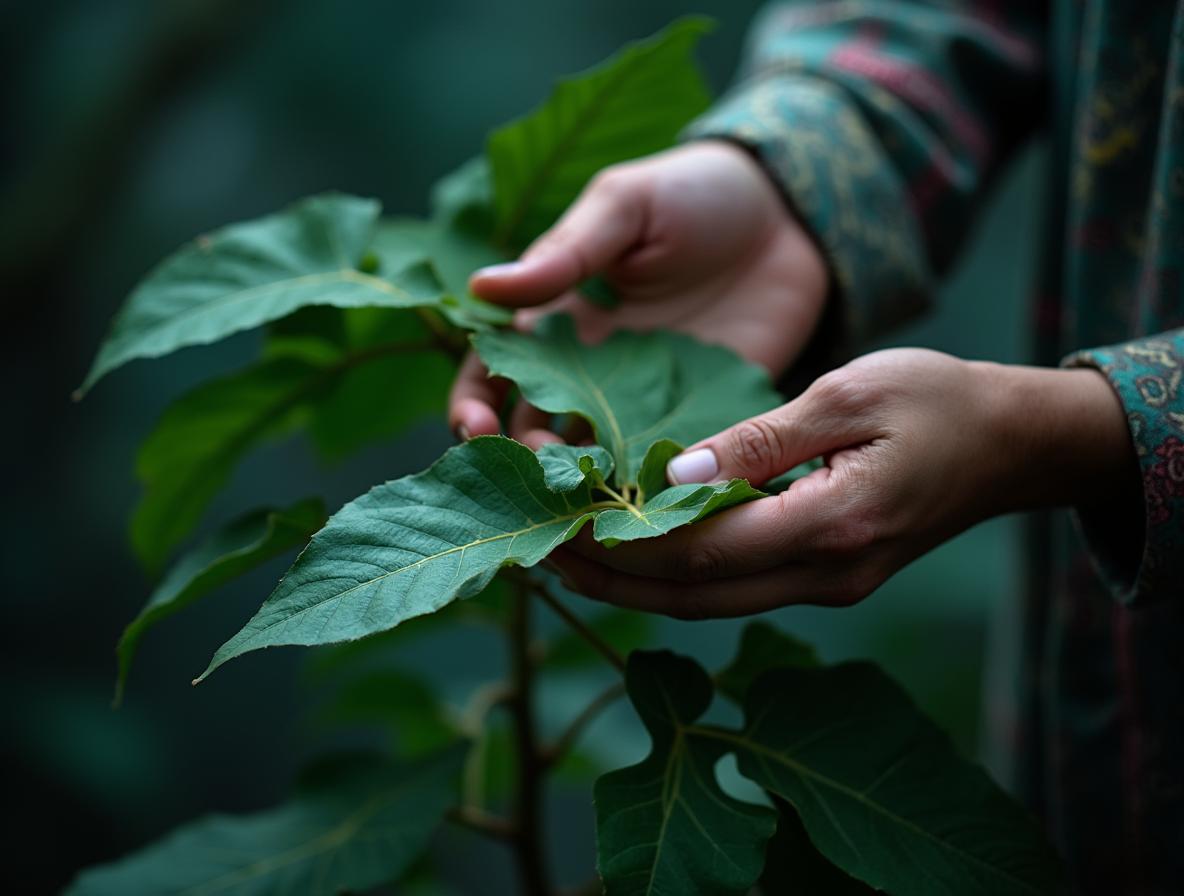
Young leaves, mature leaves, and old leaves contain different alkaloid concentrations. This isn’t opinion; it’s observable plant chemistry.
Young leaves (light green, smaller, still developing) typically contain lower total alkaloid content but may have different ratios of specific compounds.
Mature leaves (full-sized, darker green, well-developed vein structure) generally contain the highest alkaloid concentrations. Most quality-focused harvesting targets leaves at peak maturity.
Old leaves (yellowing, beginning to fall) have begun to degrade. Some compounds break down while others may concentrate. These are typically avoided in quality operations.
The visual cue that traditional harvesters use is vein color. You’ve probably seen kratom marketed by “vein color” (red, green, white). What most consumers don’t realize is that vein color is primarily determined by leaf maturity at harvest and processing method, not by different tree varieties. We’ll come back to this in the processing section.
Wild-Harvested vs. Farm-Cultivated: The Real Differences
“Wild-harvested” sounds premium. Sometimes it is. Sometimes it’s marketing.
Genuinely wild-harvested kratom comes from mature trees growing in their natural forest environment. These trees can be decades old, with deep root systems accessing mineral-rich soil layers. Harvesters typically select leaves carefully because they’re walking distances between trees and can’t afford to collect low-quality material.
The downsides: wild harvesting is labor-intensive, difficult to scale, and harder to verify. Claims of “wild-harvested” kratom are often unverifiable by the end consumer.
Farm-cultivated kratom comes from trees planted specifically for commercial harvest. Quality varies enormously depending on:
- Age of trees (young plantation trees produce different profiles than mature ones)
- Cultivation practices (organic methods vs. heavy fertilizer use)
- Harvest frequency (over-harvesting stresses trees and can reduce alkaloid content)
- Post-harvest handling (how quickly leaves move from tree to processing)
A well-managed farm with mature trees and careful harvesting practices can produce excellent kratom. A rushed operation stripping young trees produces garbage. The label won’t tell you which you’re getting.
Seasonal Considerations
Even in tropical climates with relatively stable temperatures, seasonal variations in rainfall affect alkaloid production. Trees produce different leaf chemistry during wet seasons versus dry seasons.
Some traditional harvesters time their collection to specific seasonal windows, believing that alkaloid content peaks at particular times of year. Whether this represents accumulated knowledge or confirmation bias is debatable, but the underlying science (that plant chemistry responds to water availability and other seasonal factors) is solid.
Drying and Processing Methods: Where Quality Is Made or Destroyed
You can start with perfect leaves from a mature tree in ideal soil, harvested at peak maturity, and still end up with a terrible product if processing goes wrong. This stage is where many products fail.
The Drying Decision
Fresh kratom leaves contain significant moisture and begin degrading immediately after harvest. How that moisture is removed affects the final alkaloid profile and determines much of what you’ll experience.
Indoor drying (controlled environment, regulated temperature and humidity) preserves alkaloid integrity most consistently. Leaves dried slowly in moderate temperatures tend to retain their original alkaloid ratios without significant degradation or conversion.
Outdoor sun drying (traditional method in many regions) exposes leaves to UV light and variable temperatures. This can accelerate certain chemical conversions, potentially altering alkaloid ratios. Sun-dried kratom isn’t automatically worse, but the results are less predictable.
Rapid high-heat drying (sometimes used for speed in commercial operations) can degrade heat-sensitive compounds. This is generally considered the lowest-quality approach.
What Creates “Red,” “Green,” and “White” Kratom
Here’s where things get interesting. Those vein color categories that dominate kratom marketing? They’re primarily processing distinctions, not botanical ones.
The same leaves from the same tree can become “red,” “green,” or “white” kratom depending on how they’re processed:
“White” kratom typically comes from leaves dried quickly with minimal light exposure, preserving the original lighter appearance and certain alkaloid characteristics.
“Green” kratom usually involves moderate drying times with some light exposure, creating a middle-ground appearance and profile.
“Red” kratom often results from extended drying, fermentation, or particular light exposure that darkens the leaf material and may alter alkaloid ratios through oxidation.
This means “strain” names like “Red Bali” or “Green Malay” tell you more about processing decisions than about where the kratom came from or what tree it came from. It’s a marketing framework that oversimplifies the actual variables affecting quality.
Understanding how kratom extract is made adds another layer. Extraction processes concentrate alkaloids from dried leaf material, and the quality of that starting material determines the ceiling for extract quality.
Fermentation and Oxidation
Some processing methods include intentional fermentation, where leaves are stacked or bagged while still containing moisture. This creates conditions for microbial activity and chemical conversion that can significantly alter the alkaloid profile.
Fermentation isn’t inherently good or bad. It’s a variable that changes the end product. Some users prefer the characteristics of fermented kratom; others don’t. The problem is that most products don’t disclose whether fermentation was used or how long it lasted.
Storage and Degradation
After drying, storage conditions continue to affect quality. Kratom alkaloids degrade over time, especially when exposed to:
- Light (particularly UV)
- Oxygen
- Heat
- Moisture
Product sitting in a warehouse for months before reaching consumers will have different characteristics than freshly processed material, even if the original quality was identical. This is why some products from seemingly reputable sources disappoint: you might be getting old stock.
What This Means at the Point of Purchase: Reading Quality Signals Like an Informed Consumer
All this agricultural and processing science sounds interesting, but what can you actually do with it when you’re deciding what to buy?
Questions That Actually Matter
When evaluating kratom products, focus on these practical signals:
Does the company talk about sourcing specifics? Vague claims about “premium Indonesian kratom” tell you nothing. Look for companies that can discuss their supply chain relationships, whether they work with specific farms or cooperatives, and how they verify quality at the source.
Is there third-party testing? Lab results that verify alkaloid content and screen for contaminants are the minimum standard for a serious product. Testing doesn’t guarantee great sourcing, but lack of testing is a red flag.
Does the company prioritize balanced alkaloid profiles? This language matters. Products that focus on mitragynine ratios and balanced profiles rather than maximum potency claims are typically approaching quality more thoughtfully. The goal isn’t just “strong,” it’s consistent and well-balanced.
What do they say about processing? Companies that understand their supply chain can usually explain their processing methods. If they can’t answer basic questions about how their product is made, they probably don’t know.
Red Flags to Watch For
Be skeptical of:
- “Strongest” or “most potent” claims: Quality isn’t about maximum intensity. Balanced profiles typically provide better experiences than products designed purely for alkaloid concentration.
- Exotic strain names with no sourcing details: If a company has fifteen different strain names but can’t explain where any of them come from, they’re probably repackaging the same few products with creative marketing.
- No batch testing or COA availability: Companies confident in their quality don’t hide lab results.
- Vague origin claims: “Sourced from Southeast Asia” could mean anything. Specificity suggests actual supply chain knowledge.
Why This Matters for Your Experience
When you understand that kratom quality is determined by dozens of agricultural and processing variables, you stop expecting every product to be the same. You also understand why price differences exist between products that look similar on the label.
Cheap kratom is cheap because corners were cut somewhere: younger trees, careless harvesting, improper drying, extended storage, lack of testing. You might get lucky with an inexpensive product. More often, you get what you pay for.
Premium kratom costs more because quality at every stage requires investment: relationships with reliable farms, selective harvesting, proper processing, climate-controlled storage, batch testing, and quality control throughout. These costs add up, but they also add up to a consistent product that actually delivers what you’re looking for.
If you’ve had a bad first experience with kratom, product quality is often the culprit. Before writing off the plant entirely, consider that you might have just tried a poorly sourced product.
Frequently Asked Questions
Why does kratom from different sources feel different even when it’s the same “strain”?
“Strain” names in the kratom industry are mostly marketing constructs, not botanical distinctions. The actual factors determining your experience are growing conditions (soil, climate, tree maturity), harvest timing (leaf age at picking), and processing methods (drying technique, fermentation, storage). Two products labeled “Green Malay” from different suppliers might come from completely different regions, harvested at different leaf maturities, processed using different methods. The name tells you almost nothing about what’s actually in the bottle.
What’s the difference between wild-harvested and farm-cultivated kratom?
Wild-harvested kratom comes from trees growing naturally in forest environments, typically mature trees with established root systems in mineral-rich soil. Farm-cultivated kratom comes from trees planted for commercial production. Neither is automatically better. A well-managed farm with mature trees and careful practices can produce excellent kratom, while wild-harvesting claims are often unverifiable. What matters more than the label is the actual quality of the specific product: tree maturity, harvest practices, and processing methods.
How can I tell if a kratom product comes from quality-focused sourcing?
Look for companies that can discuss their supply chain specifically (not just “premium Indonesian kratom”), provide third-party lab testing with actual COA documents, emphasize balanced alkaloid profiles rather than maximum potency, and can answer questions about their processing methods. Red flags include vague origin claims, lack of testing transparency, extreme potency marketing, and inability to explain how their product differs from competitors. Genuine quality requires investment at every stage, so extremely cheap products should raise questions about where costs were cut.
Does the drying method really affect what I’ll experience?
Yes. Drying method is one of the primary factors determining the final alkaloid profile. Indoor controlled drying tends to preserve original alkaloid ratios. Sun drying introduces UV exposure and temperature variation that can alter compound ratios. Rapid high-heat drying can degrade sensitive compounds. The “vein color” categories (red, green, white) that dominate kratom marketing are primarily determined by drying and processing decisions, not by different tree varieties. The same leaves processed differently produce products with noticeably different characteristics.
The Bottom Line
Kratom isn’t a monolithic product. It’s an agricultural commodity where quality varies based on growing conditions, harvest decisions, processing methods, and storage practices. Most consumers never learn this because the industry benefits from keeping things simple, and institutional sources treat all kratom as identical.
Now you know better. When you understand that a balanced alkaloid profile comes from deliberate sourcing decisions rather than luck, you can make smarter choices about what you buy. When you understand that “strain” names are mostly marketing, you can focus on the variables that actually matter.
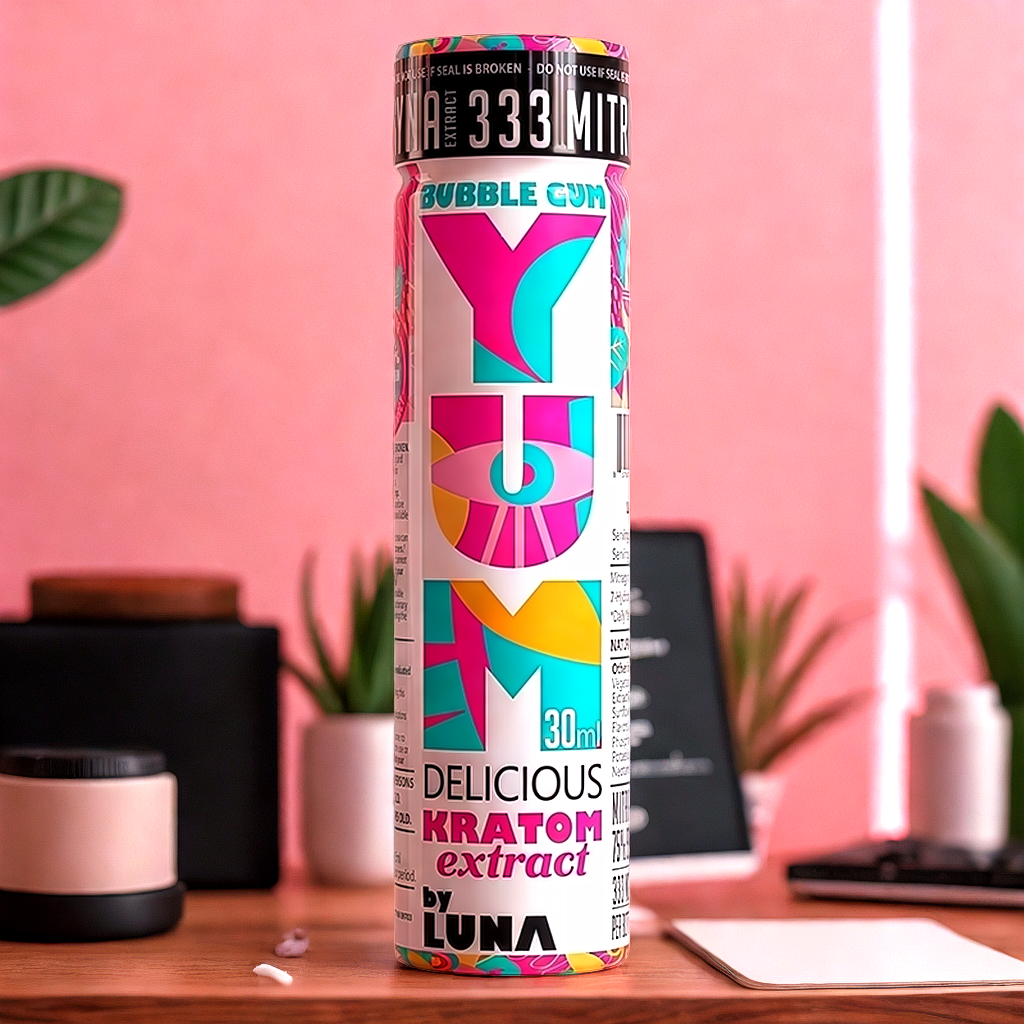
For consumers who care about sourcing quality, YUM represents what happens when balanced alkaloid profiles are the priority from farm to bottle. We work with suppliers who understand that quality starts at the tree, not at the packaging machine. Adults 21 and over who want to understand why our products differ from the random kratom they might have tried before can explore our kratom products and taste what intentional sourcing actually delivers.
Start with one capful. See how it compares to whatever you’ve tried before. If you’ve never tried kratom, even better. You’ll start with a baseline of what quality-focused sourcing produces, not with whatever happens to be cheapest on the shelf.
As always, if you have medical conditions or take medications, consult your healthcare provider before trying kratom. And if you have questions about any of this, check out our frequently asked questions or reach out directly.