
From Leaf to Liquid: What Kratom Actually Looks Like, Smells Like, and Feels Like in Your Hand
 Marcus Chen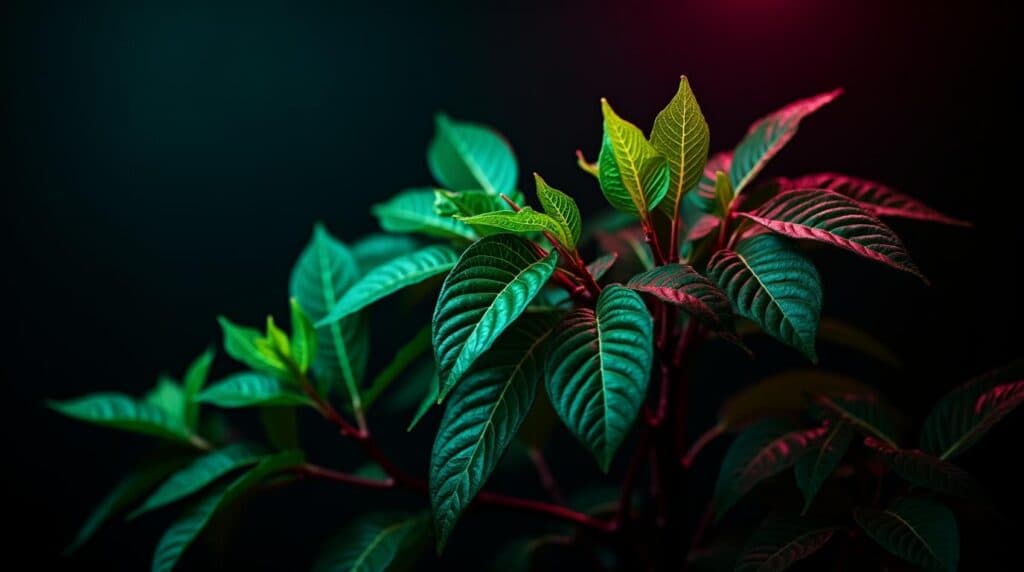
From Leaf to Liquid: What Kratom Actually Looks Like, Smells Like, and Feels Like in Your Hand
You’ve read about kratom. You’ve heard about kratom. You’ve probably seen twelve different headlines calling it everything from “natural coffee alternative” to “dangerous opioid.” But here’s what nobody’s actually told you: what this stuff looks like when it shows up at your door.
That’s a problem. Because understanding kratom intellectually (“it’s a tree from Southeast Asia with active alkaloids”) is completely different from understanding it practically (“why is this powder green and why does it smell like that?”).
This is your sensory orientation. The unboxing experience nobody else is giving you. By the end, you’ll know exactly what you’re dealing with before you ever take your first serving.
The Tree Nobody Pictures
When someone says “kratom,” most Americans picture… nothing. Or maybe some vague supplement powder in a bag. Almost nobody pictures what kratom actually is: leaves from a tree.
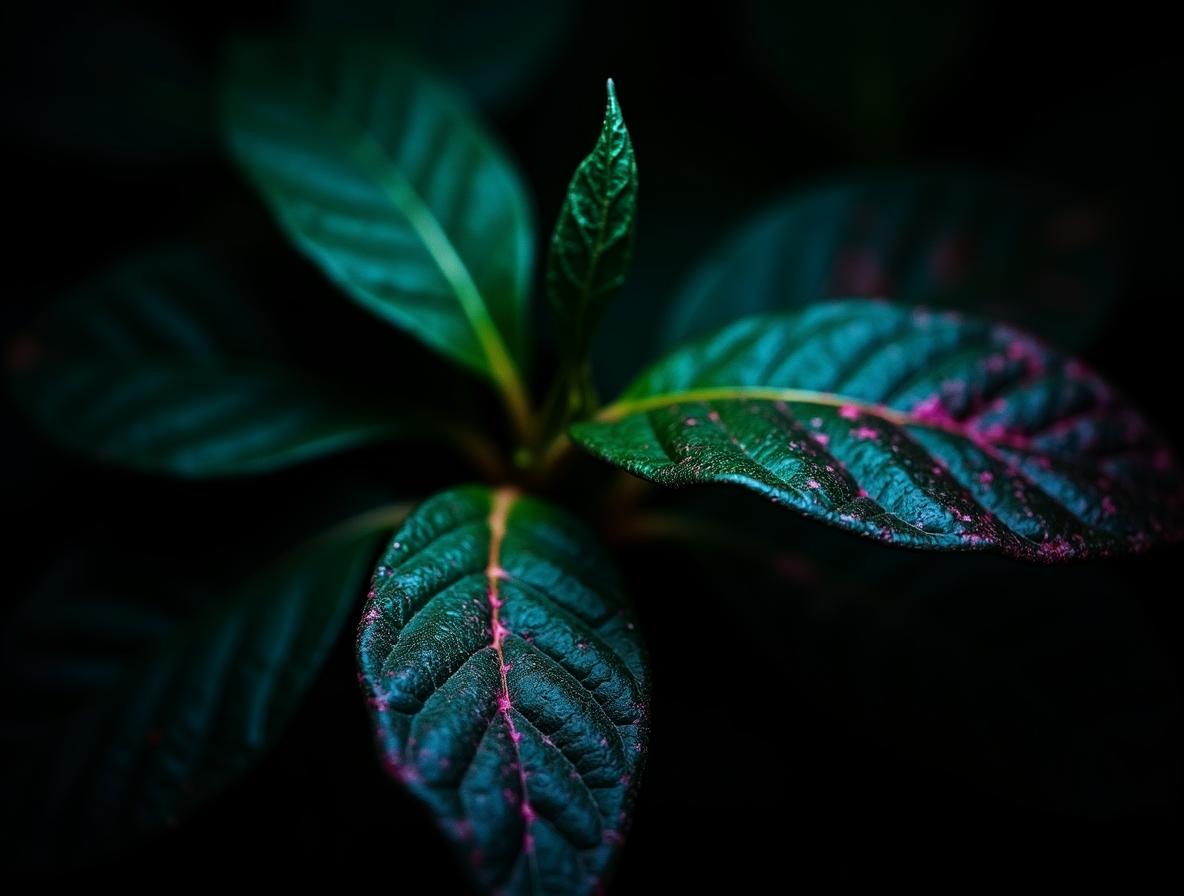
Mitragyna speciosa is an evergreen tree native to Thailand, Malaysia, Indonesia, and Papua New Guinea. It’s in the coffee family (Rubiaceae), which becomes relevant when you understand why some people compare kratom’s effects to a more substantial version of caffeine. These trees can grow over 80 feet tall in their natural habitat, with leaves that span 4-8 inches long and are dark, glossy green with visible veins running through them.
The leaves themselves look like something you’d find on a magnolia tree. Thick, waxy, substantial. In Southeast Asia, people have chewed these leaves or brewed them into tea for generations. That’s the plant reality that gets lost when you’re staring at a bottle on a shelf.
What you’re actually consuming when you take a kratom product is concentrated leaf material, processed in various ways to extract and preserve the active compounds (primarily mitragynine and 7-hydroxymitragynine). But understanding that it starts as actual leaves from actual trees helps ground the experience in something tangible.
If you want to understand more about the complete science behind the plant, the alkaloids, and how it actually works, we’ve covered that in depth elsewhere. Right now, we’re staying focused on what you’re going to see, smell, and taste.
Powder, Capsules, and Extracts: What You’re Actually Looking At
Walk into any kava bar or browse any kratom website and you’ll see three basic formats. Here’s what each one actually looks like in person.
Kratom Powder
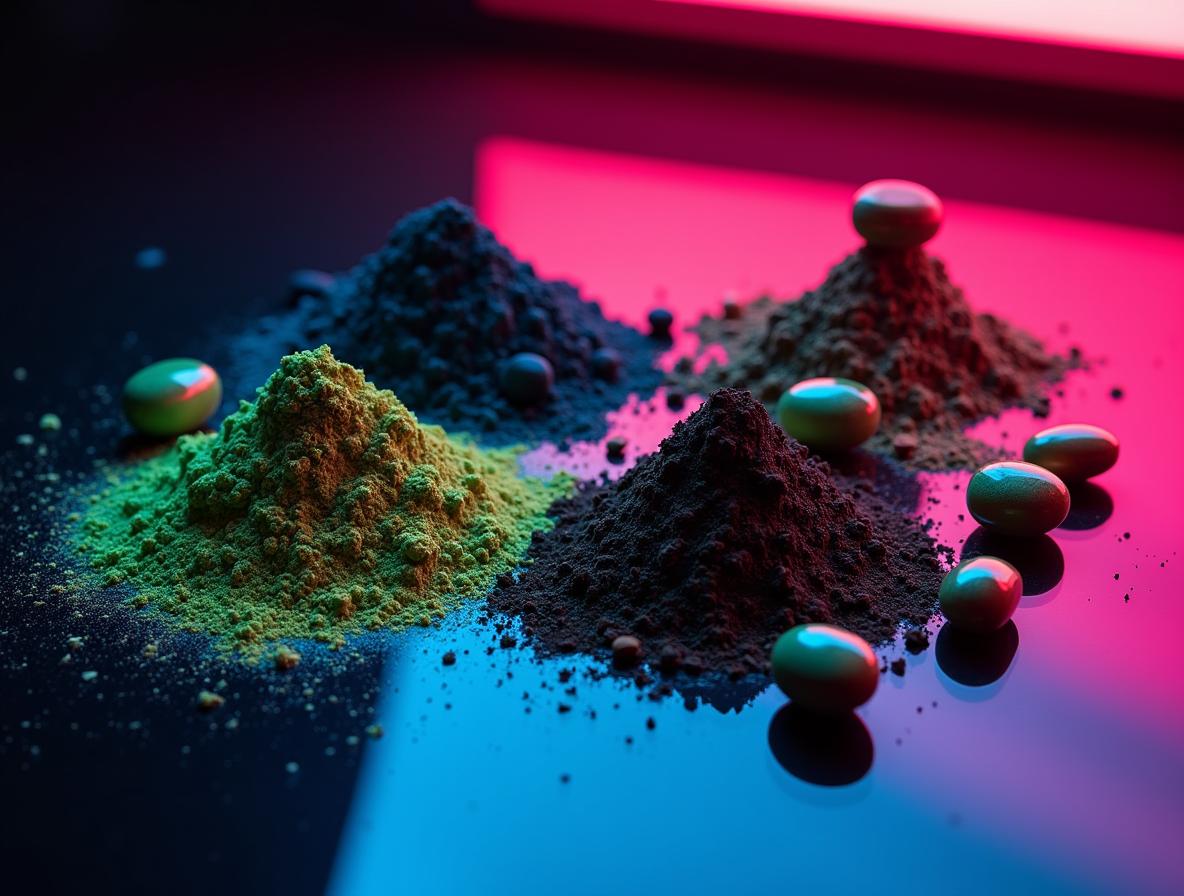
Raw kratom powder looks like finely ground matcha’s earthier cousin. The color ranges from bright green (fresher, usually from younger leaves) to brownish-green or even reddish-brown (older leaves, different drying methods). The texture is fine but not silky. Think closer to protein powder than flour.
Pick up a bag of kratom powder and smell it. You’ll get an immediate hit of something vegetal, earthy, and distinctly bitter. Some people describe it as “green tea that spent too long in the garden shed.” Others say it smells like dried herbs mixed with something vaguely mushroomy. It’s not unpleasant exactly, but it’s definitely distinctive.
The powder clumps slightly when you scoop it. It doesn’t dissolve easily in water (it suspends, which is different). If you’ve ever tried to mix matcha without a proper whisk, you know the challenge. Kratom powder is worse.
Capsules
Kratom capsules look exactly like any other herbal supplement capsule. Usually gelatin or vegetable-based, typically size 00 or 000 (the larger supplement sizes). Inside is the same powder, just pre-measured and encased.
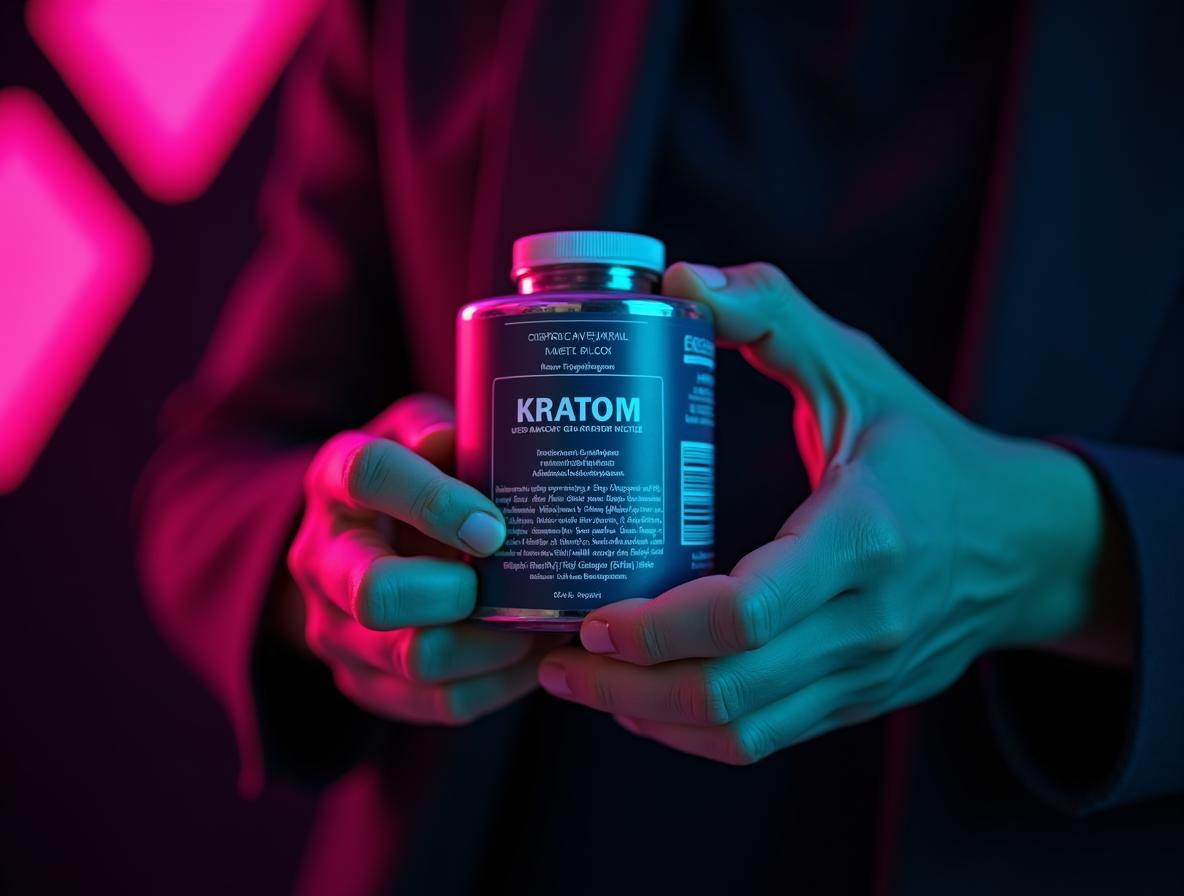
Break one open and you’ll see that same green-brown powder. The smell is muted by the capsule material until you crack it. Capsules solve the taste problem entirely (you’re not tasting anything), but they create a volume problem. Because kratom powder isn’t particularly dense with active compounds, you often need multiple capsules to equal what you’d get in a smaller serving of extract.
Extract Shots
This is where things get interesting. Kratom extract shots are concentrated liquid preparations, and they look nothing like the powder they came from.
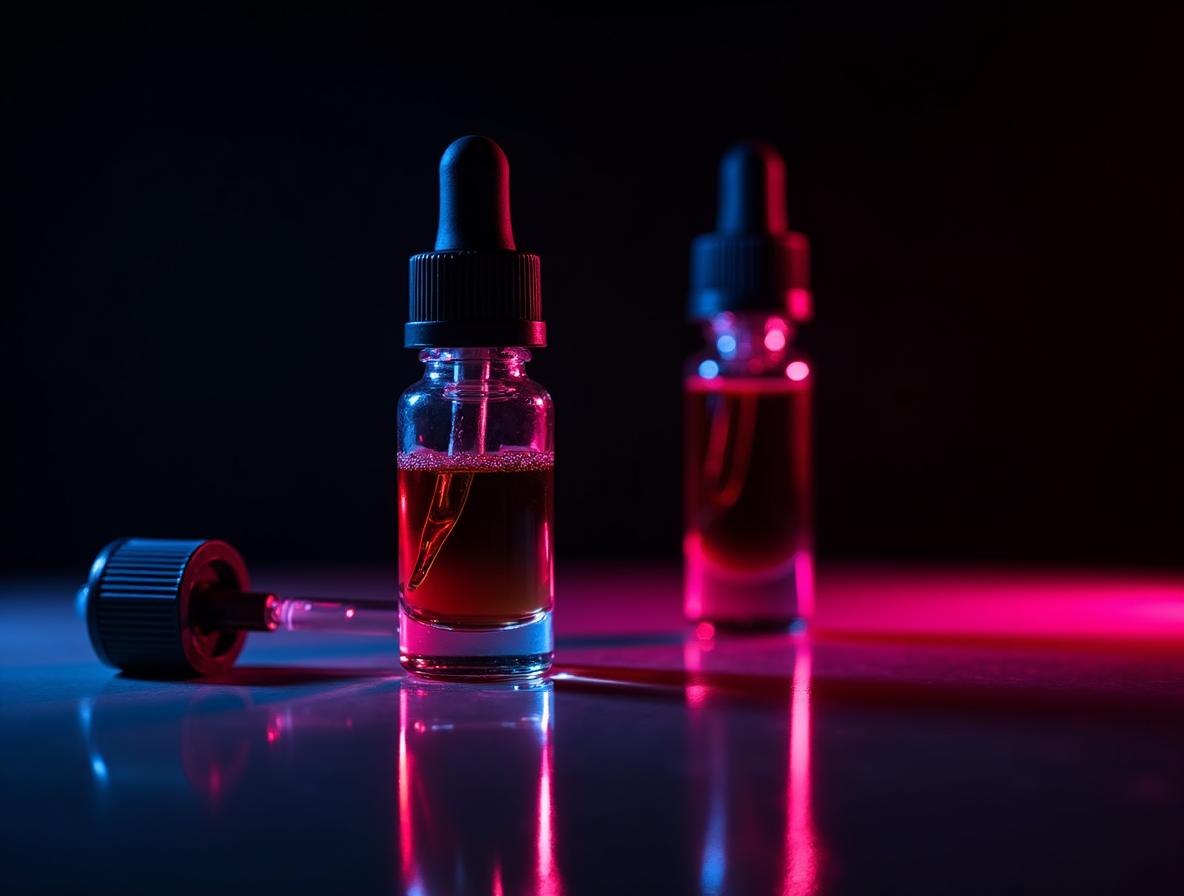
A typical extract shot is a small bottle (usually 15ml to 60ml) containing a dark liquid. Colors range from deep amber to almost black, depending on the extraction process and concentration. Some are opaque, some have a slight translucency. YUM shots, for example, have a distinct appearance that’s been engineered to look premium rather than sketchy (because plenty of kratom products look like they were bottled in someone’s garage).
The texture of an extract shot is thicker than water but not syrupy. Some settle over time, creating sediment at the bottom. This isn’t a sign of a bad product. It’s actually natural. Plant extracts contain particulate matter that can separate. A quick shake before drinking redistributes everything.
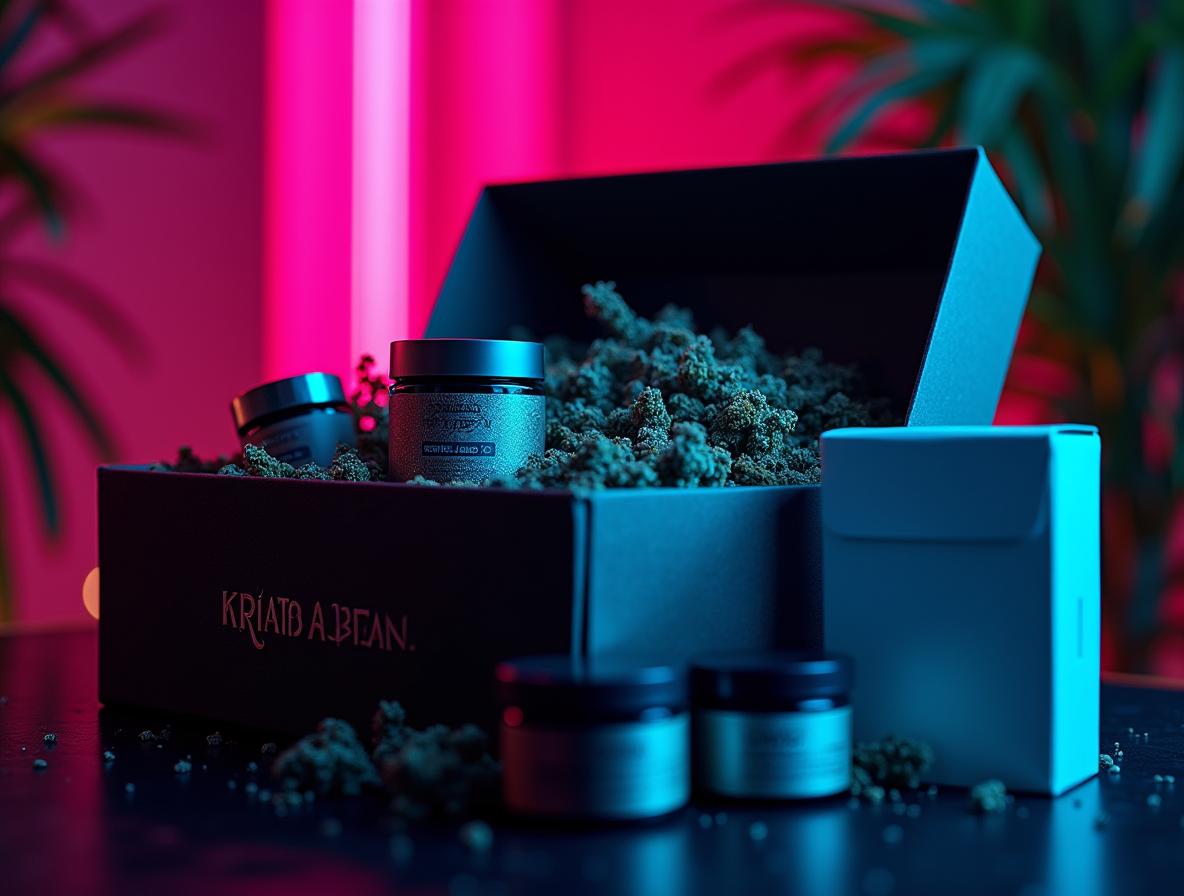
If you want the full breakdown of what makes a quality extract and how to choose wisely, that’s a deeper topic. But visually, you’re looking for consistent color, appropriate packaging, and clear labeling.
The Taste Problem (And Why It Matters More Than You Think)
Let’s be honest: traditional kratom tastes rough.
Kratom powder mixed into water tastes like bitter dirt with vegetal undertones. There’s no sugarcoating this. People who use powder regularly develop various “toss and wash” techniques (throwing the powder to the back of the throat and immediately chasing with liquid) specifically to minimize contact with taste buds. That’s how unpleasant the raw taste is.
Some describe it as “earthy but in a bad way.” Others compare it to concentrated green tea that’s been steeped for hours, mixed with something medicinal. The bitterness hits the back of your tongue and lingers. Even experienced users rarely claim to enjoy the taste of raw powder.
Capsules bypass this entirely by keeping the powder contained until it’s past your taste buds. Problem solved, except now you’re swallowing a handful of large capsules.
Extract shots occupy a middle ground that varies wildly by brand. Some extract shots taste like concentrated versions of the powder (read: worse). Others have been formulated with flavoring agents that range from “almost palatable” to “genuinely drinkable.”
Here’s why this matters more than you might think: if something tastes terrible, you’re less likely to use it consistently or correctly. You might rush through taking it, take less than intended, or just stop entirely. The experience of consuming a product is part of the product.
We’ve written extensively about why most kratom extracts taste like dirt and what actually makes one worth drinking. The short version: balancing alkaloid content with palatability is genuinely difficult. Most companies don’t bother trying. YUM exists specifically because we thought the category deserved better than “hold your nose and gulp.”
Reading the Label: What Those Numbers and Terms Actually Mean
You’re holding a kratom product. The label has numbers, percentages, and terms you’ve never seen before. Here’s how to decode what you’re looking at.
Mitragynine Content
Mitragynine is the primary active alkaloid in kratom. When a label lists mitragynine content, it’s telling you how much of this specific compound is in the product. Higher numbers generally indicate more concentrated products, but more isn’t automatically better. Balance matters.
“Full Spectrum”
This term means the extract contains the full range of alkaloids naturally present in kratom leaves, not just isolated mitragynine. Many users prefer full-spectrum products because the various alkaloids may work together (this is sometimes called the “entourage effect,” though that term is borrowed from cannabis research).
“Extract” vs. “Powder”
Powder is ground leaves. Extract is concentrated. A gram of extract contains more active compounds than a gram of powder because the extraction process removes plant material and concentrates the alkaloids. This is why extract serving sizes are much smaller than powder servings.
Serving Size
Pay attention to this. A bottle might contain 60ml of liquid, but the recommended serving might be 15ml. That’s four servings per bottle, not one. Many new users accidentally take far more than intended by ignoring serving recommendations.
For first-timers, the universal advice is: start small. One capful. Half a serving. See how your body responds before taking more. The “less is more” philosophy isn’t marketing copy. It’s practical advice for getting the experience you actually want.
What the Label Doesn’t Tell You
Labels don’t typically tell you about taste, onset time, or how the effects will feel for you specifically. They can’t, because individual responses vary significantly based on body chemistry, food intake, and other factors. What a label should tell you is what’s actually in the product, ideally backed by third-party lab testing.
Your First Unboxing: What to Expect When the Package Arrives
You ordered a kratom product. It shows up. Here’s what you’re dealing with.
Packaging
Quality kratom products come in proper packaging. Extract shots should be in sealed bottles, usually glass or food-grade plastic. Powder should be in resealable bags or containers. If something arrives in a sketchy Ziploc bag with a handwritten label, that’s a red flag.
Check for tamper-evident seals. Look for batch numbers and expiration dates. Legitimate companies track their products.
Storage Requirements
Kratom products are generally shelf-stable but do better with proper storage. Keep them away from direct sunlight, in a cool, dry place. Most extract shots don’t require refrigeration but won’t be harmed by it either. Powder should stay sealed to prevent moisture absorption.
Shelf Life
Properly stored, kratom products typically last 1-2 years, though potency may decrease over time. Check the packaging for specific guidance. If a product doesn’t have any expiration information, that’s concerning.
What “Normal” Looks Like vs. Red Flags
Normal: Consistent color, no unusual odors (earthy is normal, rancid is not), no mold or visible contamination, proper labeling, batch information.
Red flags: Inconsistent color within the same batch, off-putting chemical smells, visible contamination, missing labels or batch numbers, packaging that looks tampered with.
Traveling With Kratom
Kratom is legal in most U.S. states, but it’s banned in Alabama, Arkansas, Indiana, Rhode Island, Vermont, and Wisconsin. Some cities and counties have additional restrictions. If you’re traveling, know the laws of your destination. When flying, keep products in original packaging with clear labeling.
For a deeper understanding of the legal complexities and the honest reality behind the scary headlines, we cover that elsewhere. The practical point: don’t assume legality everywhere.
When to Use It
Most people report that kratom works best on an empty or light stomach. Taking it immediately after a heavy meal may delay onset and dull effects. Timing depends on your goals. Some people prefer morning use for focus and energy. Others use it socially in the evening.
If you’re curious about what kratom actually feels like from your first sip to four hours later, we’ve mapped that out in detail.
When NOT to Use It
Don’t use kratom if you’re under 21. Don’t use it if you’re pregnant or nursing. Don’t use it if you have underlying health conditions without consulting a healthcare provider first. Don’t combine it with alcohol or other substances. Don’t use it daily without understanding tolerance implications.
This isn’t about being preachy. It’s about having an informed experience rather than a reckless one.
The Sensory Experience Matters
Here’s something the institutional sources and warning labels never acknowledge: the physical experience of consuming something matters.
Whether it’s coffee’s ritual, wine’s complexity, or the satisfying crack of opening an energy drink, how we interact with substances is part of what makes them appealing or unappealing. Kratom has historically failed on this front. The powder is messy and tastes awful. Capsules are clinical and impersonal. Many extract shots feel like taking medicine rather than enjoying something.
That gap between “intellectually interested” and “actually enjoying this” is worth closing. It’s why brands that invest in experience (not just efficacy) matter.
If you’re still building your knowledge base about kratom, check out our frequently asked questions for more practical answers. And if you’re ready to browse what’s actually available, take a look at our kratom products.
Frequently Asked Questions
Why does kratom powder look different colors? Is green better than brown?
Color variations come from several factors: leaf age at harvest, drying method, and time since processing. Green powder typically indicates younger leaves or faster drying. Brown or red tones can indicate older leaves, longer drying times, or different processing methods. Color doesn’t determine quality directly, though many users have preferences. Freshness matters more than color, and consistency within a batch matters more than hitting a specific shade.
What does it mean when there’s sediment at the bottom of a kratom shot?
Sediment is normal in plant-based extracts. It’s essentially plant material that wasn’t fully dissolved during extraction. Some companies filter more aggressively than others, but sediment isn’t a quality indicator either way. Shake the bottle before drinking to redistribute everything. If sediment is accompanied by off-smells or visual contamination, that’s different. Normal settling versus actual spoilage are easy to distinguish.
How do I know if a kratom product has gone bad?
Trust your senses. Fresh kratom powder smells earthy and vegetal. Spoiled kratom may smell musty, rancid, or chemically off. Extracts should maintain consistent color. If something looks dramatically different than when you first opened it, or if you see any mold or unusual growth, discard it. When in doubt, don’t consume it.
Why do some kratom products taste so much worse than others?
Extraction methods, formulation choices, and whether a company invested in palatability all play roles. Some companies do minimal processing, resulting in products that taste like concentrated raw leaves. Others invest in flavor masking or complementary ingredients that reduce bitterness. YUM specifically engineered its formula to address this problem because we believe that an effective product that nobody wants to drink has failed half its job.
Ready to Experience the Difference?
You now know what kratom products actually look like, smell like, and taste like. You know what to expect when you open a package, how to read a label, and what red flags to watch for.
The gap between understanding kratom conceptually and holding a quality product in your hand is exactly where YUM lives. We built a kratom extract that finally solved the palatability problem without sacrificing what actually matters: alkaloid balance, quality sourcing, and verified lab testing.
Ready to experience what a kratom extract should actually taste like? Try YUM. Start with one capful. See for yourself.