
From First Google Search to Informed Decision: The 30-Day Kratom Discovery Map for Adults Who Actually Do Their Homework
 Marcus Chen
From First Google Search to Informed Decision: The 30-Day Kratom Discovery Map for Adults Who Actually Do Their Homework
You typed “what is kratom” into Google, scrolled past three contradictory headlines, closed your browser, and told yourself you’d figure it out later.
That was probably three days ago. Or three weeks. Maybe longer.
Here’s what nobody tells you: that’s completely normal. Most people don’t learn about kratom in one sitting. They circle back. They read something alarming, then something intriguing. They ask a friend who uses it, get a vague answer, and return to Google with new questions. The information discovery process takes time, and pretending otherwise is how people make uninformed decisions in either direction.
This isn’t another “what is kratom” explainer. You can find dozens of those (we’ve written the no-BS guide for curious high performers if you want the basics). This is different. This is a map for the actual research process you’re going through right now, whether you realize it or not.
Over the next month, you’re going to move through distinct phases. Confusion. Overwhelm. Clarification. Personalization. Decision. Most people stumble through these phases without recognizing them, which makes the whole process feel chaotic and never-ending.
Let’s fix that.
Why “What Is Kratom?” Is Never a One-Search Question

Search “what is kratom” right now and count the contradictions on page one.
Mayo Clinic calls it “unsafe and ineffective.” The DEA describes it as a stimulant at low doses and sedative at higher ones. The American Psychological Association frames it primarily through addiction concerns. Meanwhile, you probably know someone (or know of someone) who uses it regularly and seems perfectly fine.
This isn’t like researching a new coffee brand or fitness supplement. The information environment around kratom is genuinely confusing because different sources have different agendas, different levels of familiarity with the botanical, and different standards for what counts as evidence.
Medical institutions default to caution because that’s their job. Government agencies focus on regulatory concerns. Enthusiast communities emphasize personal experiences. Brand websites want to sell you something. None of these perspectives is wrong, exactly, but none tells the complete story either.
Here’s what this means for you: taking time to research is smart, not indecisive. Anyone who tells you kratom is “totally safe” or “extremely dangerous” in a single sentence is oversimplifying something that doesn’t fit neatly into either box.
The question isn’t whether you can understand kratom in one search. You can’t. The question is whether you’re willing to spend a few weeks gathering information before making a decision. If you’re reading this, you probably are.
Week One: The Information Overwhelm Phase (And How to Sort Through It)

Your first week of kratom research will feel like drinking from a firehose. This is normal. Here’s what you’re likely encountering:
Medical websites warning about risks. Most of these focus on potential for dependence, possible side effects, and the fact that kratom isn’t FDA-approved for any medical use. These warnings are legitimate concerns worth taking seriously, but they rarely provide context about who uses kratom, why, or how product quality affects outcomes.
Reddit threads with wildly varying reports. Some people describe life-changing experiences. Others describe nothing special. Some report negative reactions. The variable you’re missing: product quality, dose, and individual body chemistry vary enormously. We’ve written about why everyone describes kratom differently if you want to understand this better.
Brand marketing making it sound perfect. Any company claiming kratom has no downsides is lying. Period. Kratom is a botanical with active compounds that affect your body. That means it has effects, and effects can be positive or negative depending on context.
What to do this week:
- Write down your questions as they come up. Don’t try to answer them all immediately.
- Notice which sources cite actual research versus making general claims.
- Pay attention to who’s writing what you’re reading and what their incentive might be.
- Resist the urge to make a decision. You don’t have enough information yet, and that’s okay.
The “is it safe or dangerous?” binary is the wrong frame. Kratom isn’t universally either. Your body, the specific product, the dose, your other substances and medications, and your use patterns all influence outcomes. The goal this week isn’t to answer that question definitively but to recognize why it’s the wrong question.
Week Two: Getting Specific About What You’re Actually Trying to Solve
By week two, the initial information flood starts to settle. You’ve read enough to know the basics. Kratom comes from a Southeast Asian tree. It contains alkaloids that interact with brain receptors. Effects vary by dose. Quality varies dramatically by product.
Now the research gets personal.
Most people don’t research kratom out of pure botanical curiosity. Something prompted this. Maybe you’re tired of the caffeine rollercoaster. Maybe you want an alternative to alcohol for social situations. Maybe you’re looking for focus support that doesn’t make you jittery. Maybe a friend mentioned it and you got curious.
Questions to ask yourself:
- Why did I start researching this in the first place?
- What do I currently use for energy, focus, or relaxation, and how’s that working?
- What’s my relationship with caffeine? Alcohol? Other substances?
- If kratom “worked” for me, what would that actually look like?
- What would make me decide it’s not for me?

These questions matter because kratom isn’t a generic “wellness product” that works the same for everyone. Your goals shape whether it’s even relevant to your life.
Someone looking for clean energy without caffeine crashes has different needs than someone exploring alcohol alternatives for social situations. Both might find kratom useful, but they’d approach it differently.
This week, stop researching kratom in general. Start researching kratom for your specific situation. That focus will cut through a lot of noise.
Week Three: The Quality and Format Education Phase
Here’s where most people’s research falls apart. They understand what kratom is. They’ve identified why they’re interested. Then they buy the first product they see at a gas station and have a terrible experience.
Kratom product quality varies more than almost any botanical category. The difference between a well-made extract and a sketchy powder isn’t subtle. It’s the difference between a carefully crafted cocktail and bathtub moonshine.
What you need to understand about formats:

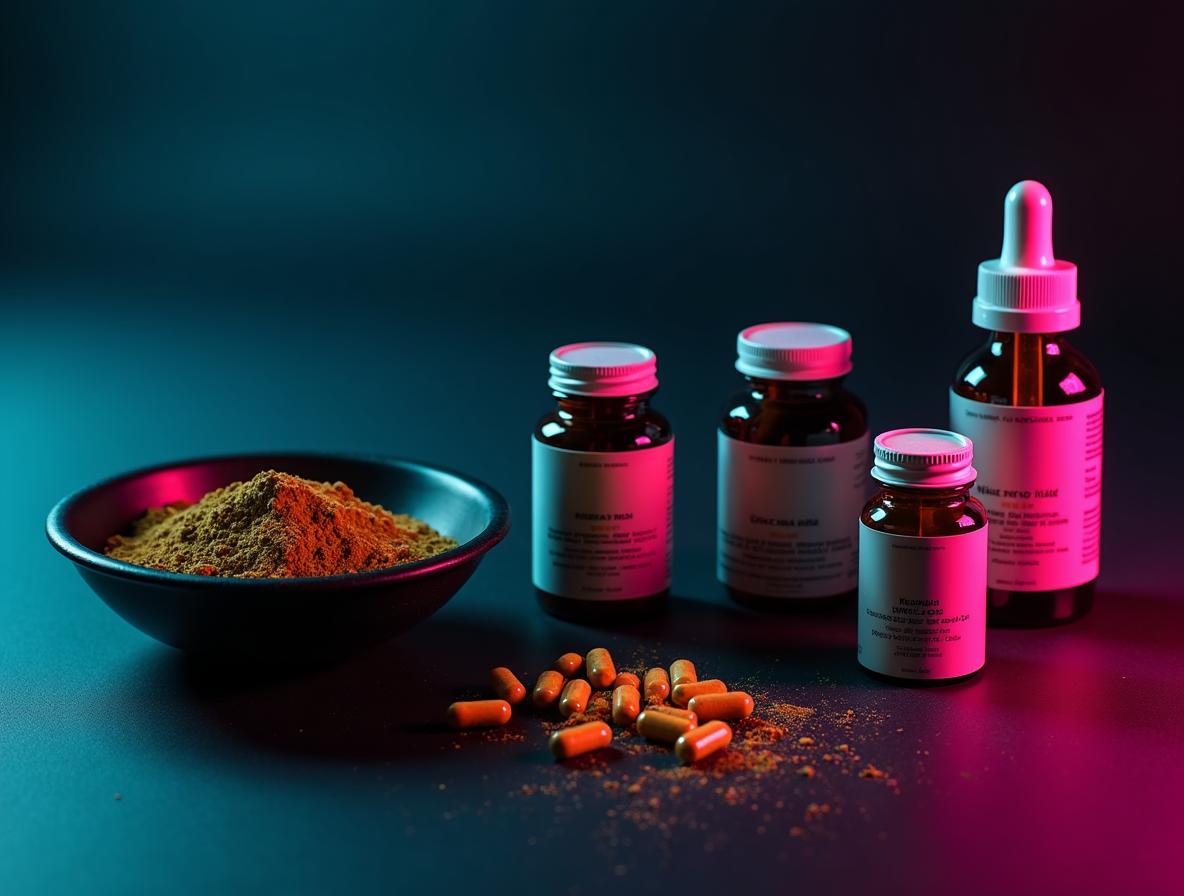
Raw powder is the traditional form. It’s also the most variable in quality and the hardest to dose consistently. The taste is, to put it politely, challenging. Most people who start with powder either develop a tolerance for the flavor or switch to something easier.
Capsules solve the taste problem but make dose adjustment slower. You’re also adding whatever the capsule is made from and trusting the fill accuracy.
Extract shots are concentrated liquid forms. They’re convenient and consistent when made properly, but “made properly” is doing a lot of work in that sentence. Bad extracts can isolate the wrong alkaloids or use questionable extraction methods. Good extracts maintain a balanced alkaloid profile and taste like something you’d actually want to drink.
We’ve covered extract quality markers in detail, but the key points for your week-three research:
- Look for products with third-party lab testing you can actually verify.
- Understand what “balanced alkaloid profile” means (not just high potency).
- Consider taste as a practical factor. You won’t stick with something you dread consuming.
- Compare price per serving, not just price per bottle.
This week, don’t buy anything yet. Just build your understanding of what separates quality products from garbage. That knowledge protects you regardless of what you decide.
Week Four: The Decision Framework—Try It, Wait, or Walk Away
You’ve done the work. You understand what kratom is, why different sources say different things, what you’re actually hoping to get from it, and what quality looks like. Now you face the actual decision.
There are three legitimate outcomes here, and only you can determine which fits.
Signs you might be ready to try it:
- You’ve identified a specific goal that aligns with what kratom reasonably offers.
- You’re not currently taking medications that could interact (when in doubt, talk to your doctor first).
- You’ve found a quality product from a transparent source.
- You understand that effects vary and one experience doesn’t define the botanical.
- You’re approaching this as an experiment, not a commitment.
Signs you should wait:
- You still have unresolved questions about interactions with your medications or health conditions.
- You’re in a life phase where adding any new substance feels like poor timing.
- You haven’t found a product you trust.
- You’re feeling pressure from someone else rather than genuine personal interest.
Signs it’s probably not for you:
- Your research has revealed concerns specific to your health situation.
- You have a history with substance dependence and don’t have systems in place for moderation.
- Your doctor has advised against it based on your specific circumstances.
- After four weeks, you still feel more anxious about it than curious.
If you decide to try: start small. One serving, or even half. Pay attention to timing relative to food. Don’t combine with alcohol or other substances for your first experience. Give it at least 45 minutes before deciding you “don’t feel anything.” For a detailed breakdown of what to expect, we’ve mapped the honest timeline of your first experience.
Success for a first try isn’t “feeling amazing.” It’s noticing what happens, tolerating the experience fine, and having useful data for deciding whether to continue exploring.
What Informed Kratom Users Wish They’d Known Before Day One
These lessons don’t fit neatly into the weekly phases but matter enough to include:
Less is genuinely more with kratom. This isn’t just responsible-use messaging. The dose-response curve is real. Many people who think kratom “doesn’t work for them” actually took too much and felt sedated or uncomfortable when a smaller amount would have hit the sweet spot.
Your first product choice matters. A bad first experience with a low-quality product might turn you off from something that could have been useful. Don’t cheap out on your first try just to “test it.” You’ll be testing the product as much as the botanical.
Tolerance builds with frequent use. This is true of caffeine, alcohol, and kratom alike. Occasional use maintains the effects. Daily use typically requires dose escalation or regular breaks. Understand this before you start, not after you’ve established a pattern.
Withdrawal is real for regular users. We’re not going to pretend otherwise. If you use kratom daily for extended periods and then stop suddenly, you’ll likely experience discomfort. This isn’t unique to kratom (try quitting caffeine cold turkey), but it’s worth knowing. Occasional use avoids this issue entirely.
One experience doesn’t define anything. Body chemistry, recent food intake, product quality, and even your mental state all influence a given session. If your first try is underwhelming or uncomfortable, that’s data, not a verdict.
Frequently Asked Questions
How long should I research kratom before trying it?
There’s no magic number, but most thoughtful people spend two to four weeks moving from general curiosity to informed decision. If you’ve read multiple sources, identified why you’re interested, understand quality markers, and feel confident rather than anxious about trying it, you’re probably ready. If you’re still confused about basics or haven’t addressed concerns specific to your health situation, keep researching.
Why do medical websites say kratom is dangerous while millions of people use it?
Medical institutions are structurally conservative. Their job is to warn about potential risks, and kratom has risks (dependence potential, possible side effects, interaction concerns, quality variability). What they often lack is context about real-world use patterns, product quality differences, and the population that uses kratom responsibly. Neither “it’s dangerous” nor “it’s perfectly safe” captures the full picture. Check out our breakdown of how to read between the lines on this topic.
What’s the difference between kratom powder and kratom extract for beginners?
Powder is ground-up kratom leaf with all its natural alkaloids. It requires measuring, tastes pretty rough, and varies in potency. Extract is concentrated, usually in liquid form, with a more consistent alkaloid profile. For beginners, quality extract shots are often easier because dosing is standardized and the taste problem is partially solved. The tradeoff is price per serving tends to be higher. Our format comparison guide goes deeper.
How do I know if kratom is right for my lifestyle and goals?
Ask yourself: What am I hoping to get from this? If the answer aligns with what kratom reasonably offers (clean energy, focus support, relaxation, social ease), and you don’t have health factors that make it unwise, it might fit. If you’re looking for something to “cure” a condition or replace necessary medical care, kratom isn’t that. If your lifestyle involves daily high-stress demands that would tempt you toward frequent use, build in guardrails before starting. The goal is a tool you use intentionally, not a habit you develop accidentally.
When you’re ready to experience what balanced alkaloid profile and premium taste actually mean, YUM is here. But only when you’ve done your research and decided it’s right for you. Start with one capful.