
From Coffee Panic to Kratom Controversy: Understanding Why New Substances Always Face the Same Playbook
 Marcus Chen
From Coffee Panic to Kratom Controversy: Understanding Why New Substances Always Face the Same Playbook
You’re researching kratom, and you’ve noticed something strange. The FDA says it’s dangerous. Reddit says it changed their life. Mayo Clinic warns against it. Your friend swears by it. Everyone seems to be screaming, and nobody agrees on anything.
Here’s what nobody’s telling you: this exact pattern has played out before. Multiple times. With substances you now consider completely normal.
This isn’t another “what is kratom” explainer. You can find those everywhere (including our own no-BS guide). Instead, this is about understanding WHY kratom is controversial right now, and what historical patterns can teach us about making sense of the noise.
The Pattern Nobody’s Talking About
Every substance that’s now part of mainstream culture went through a period of intense societal panic. Coffee. Cannabis. Alcohol after prohibition. Even tomatoes, which Europeans believed were poisonous for nearly 200 years.
The pattern looks remarkably consistent:

- Novel substance enters a new culture
- Early adopters report benefits
- Institutions respond with alarm (often citing lack of research)
- Media amplifies extreme cases
- Political/regulatory battles ensue
- Research slowly accumulates
- Society eventually lands somewhere (normalization, regulation, or continued restriction)
Kratom is currently sitting somewhere between stages three and five. Understanding this doesn’t tell you whether kratom will eventually be normalized like coffee or remain contested like certain other substances. But it does explain why the information environment is so chaotic right now.
Coffee’s Forgotten Controversy: From “Satan’s Drink” to Your Morning Ritual
Coffee seems so benign now that it’s hard to imagine anyone ever considered it dangerous. But the history is wild.
In the 16th century Ottoman Empire, coffeehouses were periodically shut down because rulers believed coffee caused social unrest and “dangerous” political discussions. Mecca banned coffee in 1511. The punishment for drinking it? Beating for first offense, drowning in a sewn-up leather bag for repeat offenders.
When coffee reached Europe, Italian clergy pressured Pope Clement VIII to ban it as “Satan’s drink.” (He reportedly tasted it instead and enjoyed it enough to give it papal approval.)
King Charles II of England tried to ban coffeehouses in 1675, claiming they were “places where the disaffected met, and spread scandalous reports concerning the conduct of His Majesty and his Ministers.” The ban lasted 11 days before public outcry forced him to reverse it.
The arguments against coffee sound familiar: it was an unregulated substance from a foreign land, it altered consciousness, it was being consumed in new social contexts that made authorities uncomfortable, and there wasn’t enough research to prove it was safe.
Today, coffee is a multi-billion dollar global industry. Starbucks has 35,000+ locations. Nobody asks if coffee is “dangerous.”
Cannabis, Alcohol, and the Regulatory Pendulum
Cannabis offers a more recent example of how dramatically public opinion and regulation can shift.
In 1936, the film “Reefer Madness” portrayed cannabis as causing insanity, violence, and moral corruption. By 1970, cannabis was classified as a Schedule I substance in the United States, meaning the government officially considered it to have “no accepted medical use” and “high potential for abuse.”
Fast forward to today: recreational cannabis is legal in 24 states. Medical cannabis is available in 38 states. The same substance that was portrayed as causing madness is now sold in sleek dispensaries with carefully calibrated dosages and strain-specific effects.
Does this mean cannabis was always safe and everyone was just wrong? Not exactly. Cannabis does have real risks, particularly for developing brains and certain vulnerable populations. But the gap between “reefer madness” and reality was massive.
Alcohol’s history is even more instructive. Prohibition (1920-1933) banned alcohol entirely in the United States. The result? Widespread illegal production, organized crime, and no reduction in actual alcohol consumption. When prohibition ended, alcohol didn’t become safe. It became regulated.
The point isn’t that all substances eventually become accepted. Some don’t. The point is that early institutional responses to novel substances are often driven more by unfamiliarity and moral panic than by careful risk assessment.
What the Institutional Response to Kratom Actually Tells Us
If you search “what is kratom” right now, you’ll notice something interesting about the top results. Mayo Clinic calls kratom “unsafe and ineffective.” The DEA lists it on their drug fact sheets. The FDA has issued multiple warnings. Hospital health systems publish cautionary content.

For someone doing research, this looks like a clear signal: the experts say it’s bad.
But here’s what you need to understand about why institutions respond this way:
Liability concerns. Medical institutions have enormous exposure when they recommend or even appear neutral about substances that later cause harm. The incentive structure heavily favors caution.
The precautionary principle. In the absence of extensive research, institutions default to “assume it’s risky until proven otherwise.” This is genuinely prudent for institutions. It’s less useful for individuals trying to make their own informed decisions.
Limited research. Kratom research is still emerging. There are studies, but not the decades of large-scale clinical trials that institutions typically require before endorsing something. This isn’t because kratom is necessarily more dangerous than researched substances. It’s because research takes time and funding.
Regulatory positioning. The FDA has a specific stance on kratom and has taken enforcement actions against companies making health claims. Government agencies tend to maintain consistent messaging regardless of emerging evidence.
None of this means institutional concerns are wrong. It means they’re institutional concerns, operating under institutional constraints and incentives. When medical institutions say “danger” and millions of users say “it works,” the truth is probably more nuanced than either extreme.
The Research Gap: What We Know, What We Don’t, and What That Means for You
Let’s be honest about where kratom research actually stands.
What we know:
- Kratom contains two primary active alkaloids: mitragynine and 7-hydroxymitragynine
- These alkaloids interact with opioid receptors, though differently than traditional opioids
- Many users report experiencing clean energy, focus, and mood support
- Kratom has been used traditionally in Southeast Asia for centuries
- Physical dependence can develop with regular use, and withdrawal symptoms are possible
What we don’t know:
- Long-term effects from extended use
- Optimal dosing protocols for different outcomes
- Full interaction profiles with other substances and medications
- How individual genetic variations affect response
This uncertainty cuts both ways. Those who say kratom is definitely dangerous are overstepping the evidence. Those who say it’s definitely safe are doing the same thing.
The informed position is acknowledging that millions of adults use kratom, many report positive experiences, some experience problems, and the science is still catching up. If you want to dig deeper into the complete science behind kratom and how it actually works, that’s a good place to start.
Reading the Room: How to Evaluate Kratom Information in 2025
Given the chaotic information environment, how do you actually figure out what to believe?
Red flags for fear-mongering:
- Uses extreme language (“deadly,” “epidemic”) without context
- Cites only adverse events without acknowledging widespread use
- Conflates kratom with traditional opioids
- Ignores user experience entirely
- Doesn’t distinguish between pure kratom and adulterated products
Red flags for hype:
- Claims kratom is a miracle with no downsides
- Suggests specific therapeutic or medical benefits
- Downplays dependence potential or withdrawal
- Recommends daily or high-frequency use
- Compares directly to prescription medications
Signs of credible information:
- Acknowledges both potential benefits and real risks
- Distinguishes between what’s known and what’s uncertain
- Discusses product quality as a factor in experience
- Recommends starting low and being cautious
- Suggests consulting healthcare providers when appropriate
Understanding alkaloid balance matters here. Products with different ratios of mitragynine to 7-hydroxymitragynine can produce very different experiences. Some products are engineered for maximum potency. Others prioritize balance. Understanding kratom extraction and quality markers helps you ask better questions before purchasing anything.
The Informed Consumer’s Position
So where does all this leave you?
If you’re considering kratom, here’s what intellectual honesty looks like:
Accept uncertainty. You’re making a decision with incomplete information. This isn’t unique to kratom. Every substance you consume, every supplement you take, every medication (with far more research) has unknowns. The question is whether you’re comfortable with this particular level of uncertainty.
Start small. If you decide to try kratom, one capful or a small serving is plenty to assess your response. More isn’t better, especially initially. The “less is more” philosophy exists for good reason.
Source matters enormously. The kratom market varies wildly in quality. Products without third-party lab testing are a gamble. Adulterants have been found in low-quality products. This isn’t fear-mongering. It’s basic consumer protection.
Know yourself. If you have a history of substance dependency, if you’re taking medications, if you have underlying health conditions, talk to a healthcare provider first. Yes, many doctors don’t know much about kratom. That conversation is still worth having.
Be honest about patterns. If you find yourself using kratom daily, increasing your serving size, or feeling like you need it to function, those are signs to step back and reassess. Understanding kratom’s relationship with your body over time is part of responsible use.
You’re an adult making adult decisions. Ultimately, this is about personal responsibility. Not every substance is for everyone. Not every person who tries something has a problem. The goal is making informed choices, not following either the fear or the hype.
FAQs
Why do medical institutions seem so negative about kratom when millions of people use it without problems?
Institutions operate under different incentives than individuals. They face liability if they appear to endorse something that later causes harm. They require extensive clinical research before making positive statements about any substance. And they tend to focus on adverse events rather than typical experiences. This doesn’t mean their concerns are invalid. It means their perspective is institutional, not individual. The gap between “this institution won’t recommend it” and “this is dangerous for you personally” is often larger than institutional messaging suggests.
How is kratom’s current legal and social status similar to or different from cannabis 20 years ago?
There are real parallels: widespread use despite institutional opposition, emerging research suggesting the situation is more nuanced than official positions indicate, state-level legal variability, and a contested regulatory environment. The differences are also significant: cannabis had a longer history of prohibition and more intensive enforcement, kratom doesn’t have the same association with counterculture movements, and the research pathways are developing differently. Whether kratom follows cannabis’s path toward normalization or diverges remains genuinely uncertain.
What questions should I ask before trying any kratom product for the first time?
Start with: Does this company publish third-party lab results? What’s the alkaloid content? Where is it sourced? How is it extracted? What do actual users (not just marketing materials) say about the experience? Is the company transparent about what’s in the product? If a company can’t answer these questions clearly, that tells you something. For a deeper framework on how to approach your first kratom experience, we’ve written extensively on this.
How do I know if a kratom source is prioritizing quality and balanced alkaloid profiles?
Look for companies that publish complete certificates of analysis (COAs) from independent labs. Check whether they test for contaminants (heavy metals, microbial contamination) in addition to alkaloid content. See if they discuss their sourcing and extraction methods transparently. Avoid companies that make medical claims, as that’s a regulatory red flag and often indicates a lack of sophistication. Companies that prioritize quality tend to talk about it specifically, not just claim to have “the best.” Our quality investigation guide breaks this down further.
The Bottom Line
Kratom is controversial right now because that’s how society processes novel substances. Coffee was controversial. Cannabis was controversial. The pattern is remarkably consistent.
This doesn’t mean kratom is definitely safe or will definitely become mainstream. It means the current information chaos is historically predictable, not evidence of unique danger.
Your job, as someone doing research, is to cut through both the fear-mongering and the hype. Look at what’s actually known. Acknowledge what’s uncertain. Make decisions that account for your own risk tolerance and circumstances.
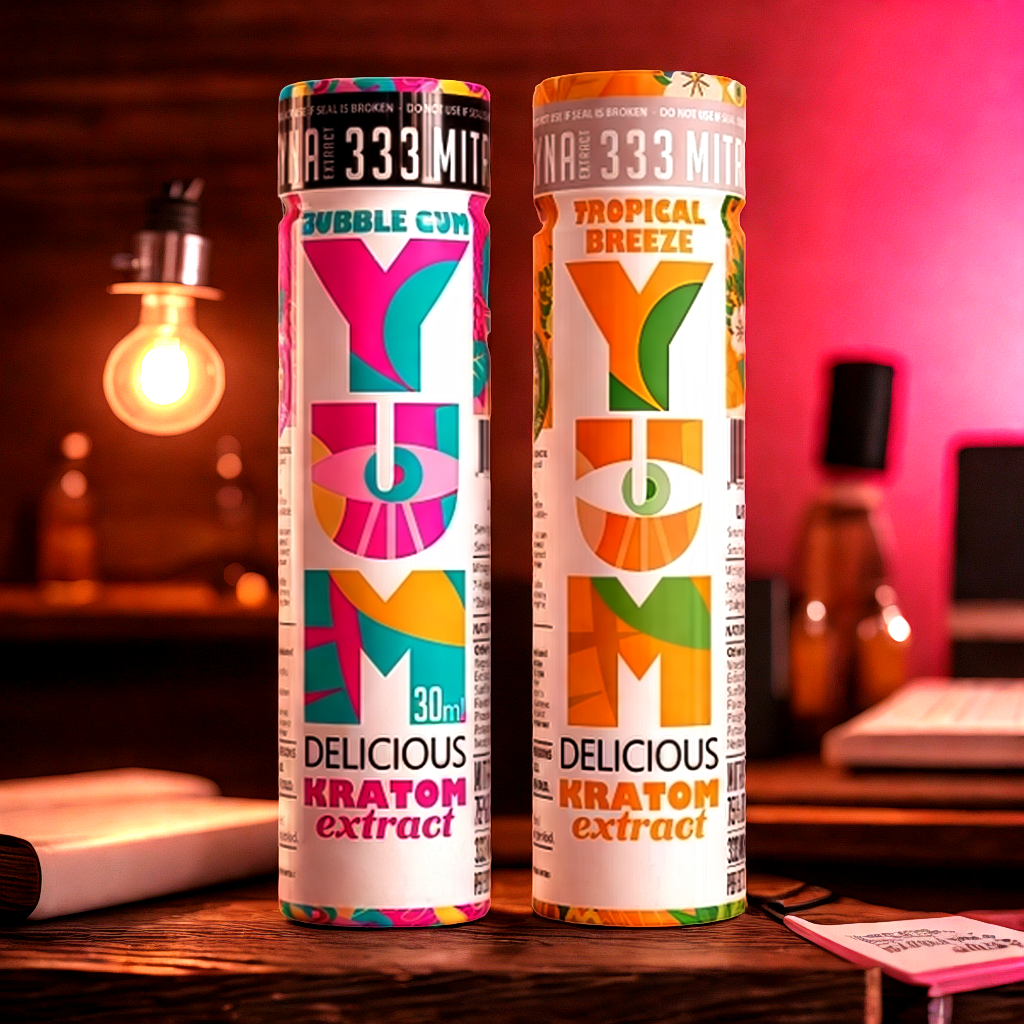
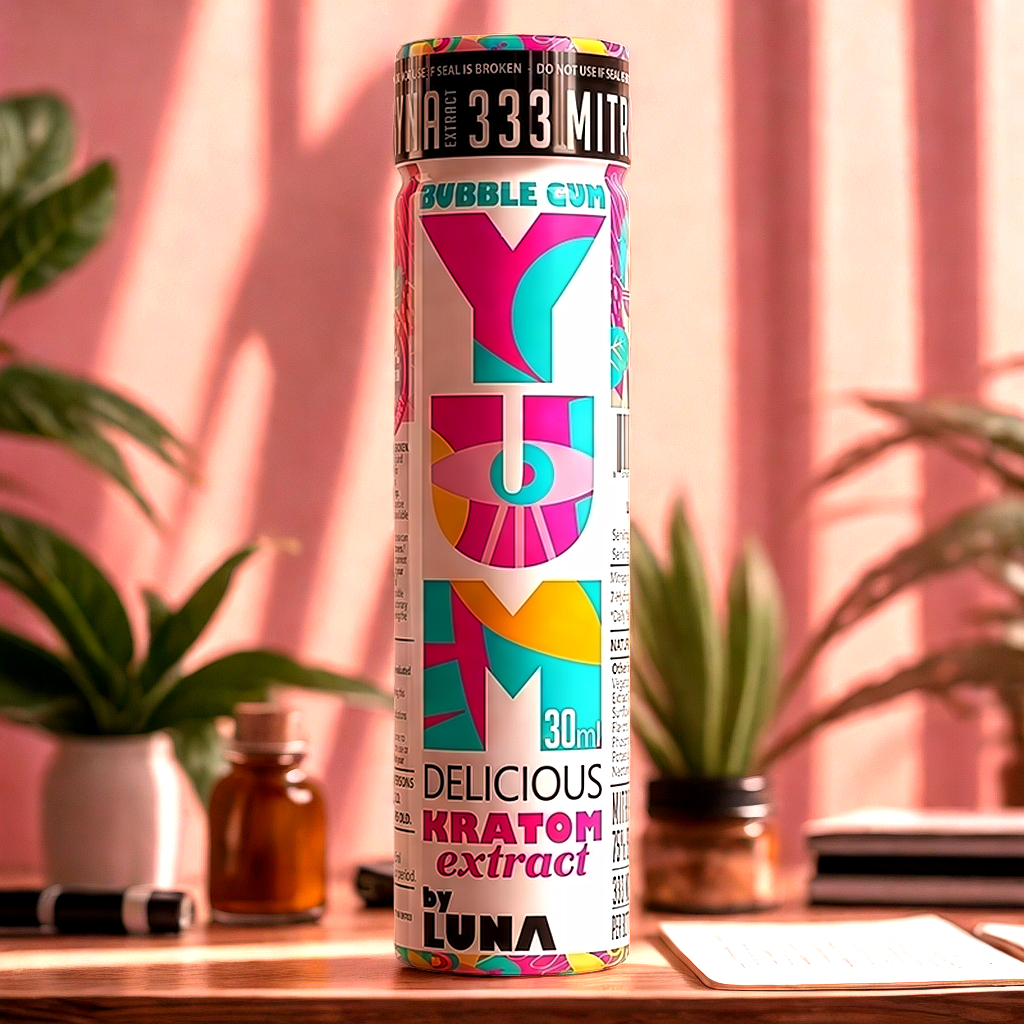
For those who’ve done their homework and want to experience what a properly balanced, actually-good-tasting kratom extract feels like, YUM was built for exactly this moment. Start with one capful. Experience the difference quality makes.
Adults 21+ only. If you have medical conditions or take medications, consult a healthcare provider first.