
Clean High Culture: Understanding Kratom's Role in the Movement Away from Alcohol, Stimulants, and Burnout
 Jess Morales
Clean High Culture: Understanding Kratom’s Role in the Movement Away from Alcohol, Stimulants, and Burnout
Walk into a kava bar in Austin, Miami, or Portland on a Friday night and you’ll notice something strange: the place is packed. People are laughing, conversations are flowing, the energy is social and relaxed. But nobody’s drunk. Nobody’s wired on caffeine either. They’re sipping something from coconut shells or small shot glasses, and they’re doing it together.
This isn’t a sober support meeting. It’s not a wellness retreat. It’s just a new kind of Friday night for a growing number of adults who’ve decided the old options don’t work for them anymore.
Kratom sits at the center of this shift. And if you’ve been curious about what kratom actually is, the real question might not be “what’s in it?” It might be “why are so many people choosing it now?”
Something’s Happening: The Quiet Revolution in How Adults Seek Energy and Relaxation
Here’s what the data shows: alcohol consumption among adults under 40 has been declining for over a decade. Kava bars have spread from niche Polynesian communities to mainstream urban neighborhoods. Functional mushroom cafes are popping up next to Starbucks. CBD products went from head shops to grocery stores. The “sober curious” movement has its own books, podcasts, and social media influencers.
Something is clearly happening. And it’s not just about avoiding hangovers.
Adults are asking a question that previous generations rarely considered: Is there a middle ground between stone-cold sober and intoxicated?
The traditional options were binary. You either drank (and dealt with impairment, hangovers, and the health costs) or you didn’t drink (and potentially felt like the odd one out in social situations). Caffeine was the only socially acceptable stimulant, but it came with jitters, crashes, and sleep disruption. Prescription options existed but required doctors, diagnoses, and came with their own baggage.
What people wanted was something different: a way to feel slightly different, more focused, more relaxed, more present, without losing themselves in the process. Functional. Controllable. Compatible with the rest of their lives.
That’s exactly where kratom fits.
Kratom 101: The 2-Minute Foundation Before We Go Deeper
If you need the basics, here they are:
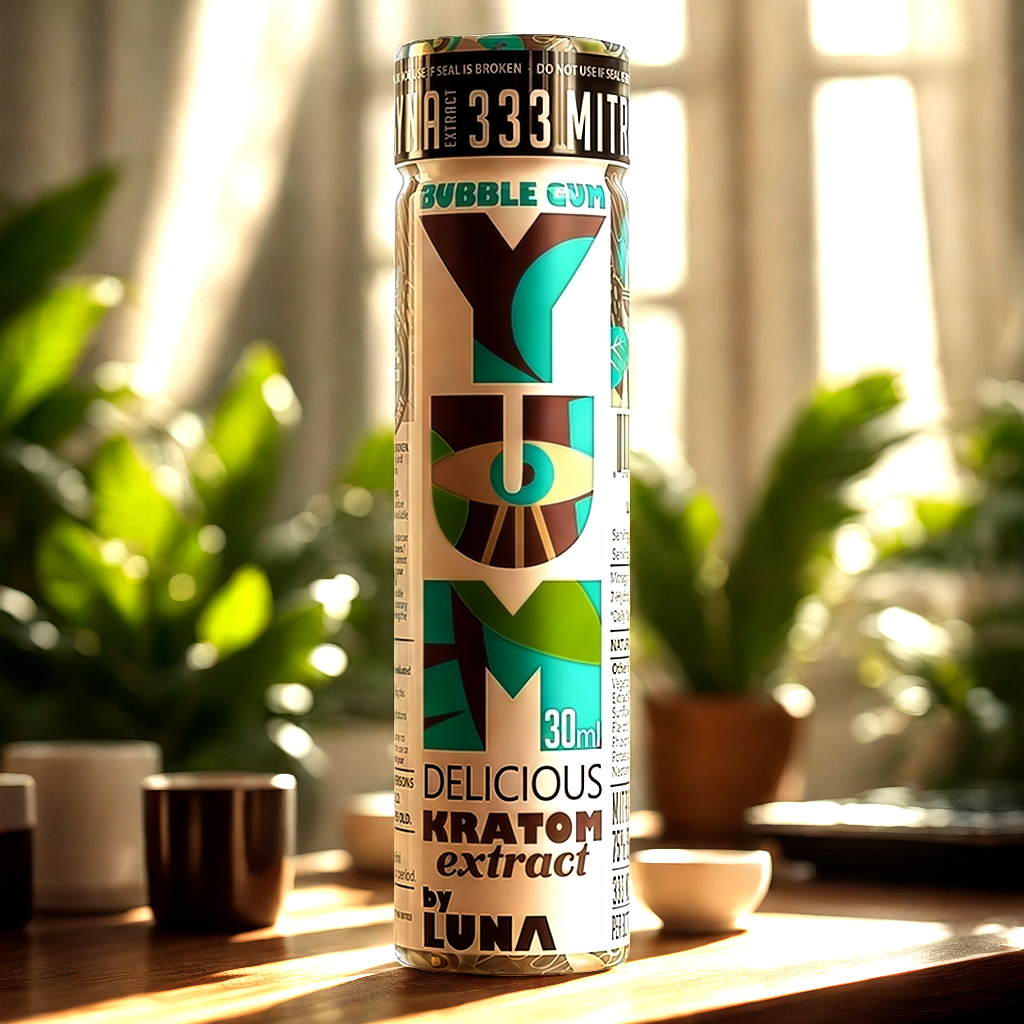
Kratom (Mitragyna speciosa) is a tropical tree native to Southeast Asia, related to the coffee plant. The leaves contain alkaloids, primarily mitragynine, that interact with receptors in the brain to produce effects that vary based on the amount consumed.
- Smaller amounts tend to produce what users describe as increased energy, focus, and sociability
- Larger amounts tend to produce what users describe as relaxation and calm

Kratom has been used in Southeast Asia for over 150 years. In the West, it’s available as raw powder, capsules, or concentrated extracts (like kratom shots).
For a deeper dive into the science, we’ve covered what kratom is and how the alkaloids actually work in detail elsewhere. This piece is about something different: context. Why this plant, why now, and what it means that millions of adults are making it part of their lives.
Why Now? The Perfect Storm That Made Kratom Mainstream
Kratom has been available in the U.S. for years. So why is it suddenly everywhere?
Several cultural currents converged at once:
Burnout Became Undeniable
The always-on work culture finally hit a wall. Remote work blurred the boundaries between professional and personal life. People weren’t just tired, they were depleted. The old approach (more coffee, push through, crash on weekends) stopped working for a lot of people. They started looking for something that provided energy without the nervous system assault.
Caffeine Fatigue Reached Critical Mass
Four cups of coffee by noon, energy drinks in the afternoon, and still dragging by 3pm. Sound familiar? Many adults hit a point where caffeine just didn’t deliver anymore. Tolerance built up. Sleep suffered. The jitters got worse. They needed an alternative that worked differently. Our guide on kratom for energy explores this transition in detail.
Alcohol Lost Its Appeal for Health-Conscious Adults
The wellness conversation finally caught up with drinking. Empty calories. Disrupted sleep. Next-day fog. Increased anxiety. Long-term health risks. For adults who carefully tracked their macros, optimized their sleep, and invested in recovery, the weekend binge started to feel incompatible with the rest of their lifestyle. They wanted a social lubricant that didn’t undo their progress.
The Demand for “Functional Intoxication” Emerged
This is the phrase that captures the shift: people don’t want to be impaired, but they also don’t always want to be completely baseline. They want to feel something while remaining functional. Present but relaxed. Energized but not manic. Social but in control.
Kratom, along with kava, certain adaptogens, and other botanicals, offers exactly that middle ground.
The Third Place Reinvented: Kratom in Kava Bars, Social Clubs, and Beyond
Sociologists talk about “third places”: spaces that are neither home nor work where community happens. For decades, bars filled this role. But for adults who don’t want alcohol to be the center of their social lives, what’s the alternative?
Enter the kava bar.
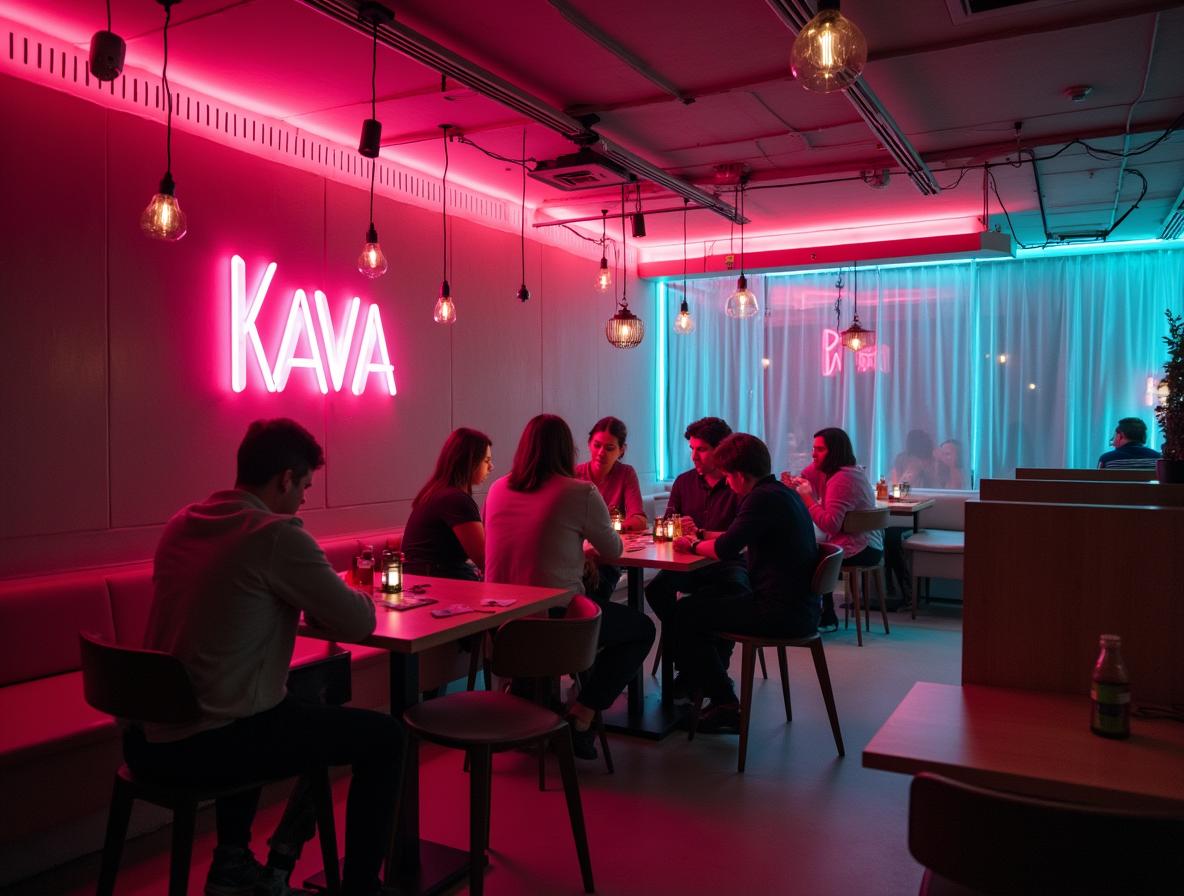
These establishments started appearing in Florida and Hawaii, then spread to Austin, Denver, LA, and beyond. They serve kava (a Polynesian root with relaxing properties), kratom, and sometimes other botanicals. The vibe is social but chill. People come to connect, work, play games, or just decompress. No one’s getting belligerent. No one’s regretting what they said the next morning.
Kratom is typically available as a shot or tea at these bars. And it’s becoming a ritual for a certain type of person: health-conscious, socially active, interested in alternatives to the standard options.
This matters because it normalizes kratom. It takes it out of the “sketchy supplement” category and into the “thing interesting adults do together” category. If you’ve been curious about how kratom fits into social settings, the going-out guide for people who want social energy without the hangover is worth reading.
The people at these bars aren’t trying to get wrecked. They’re trying to feel good while staying sharp. That’s a fundamentally different relationship with altered states than what the alcohol industry has sold for generations.
The Quality Question: Why Not All Kratom Serves This Lifestyle
Here’s where we need to get honest: most kratom products on the market don’t fit this lifestyle at all.
Walk into a convenience store or gas station and you’ll find kratom shots with aggressive packaging, unclear labeling, and a general vibe that screams “we’re trying to get away with something.” The products often taste terrible. The alkaloid profiles are unbalanced, spiked with isolated compounds that produce effects more intense (and less controllable) than what the whole plant provides. Users report feeling off the next day, or worse.
This is a problem. Because for kratom to fit a premium, functional lifestyle, the product itself needs to match that standard.
What does quality actually mean in this context?
- Balanced alkaloid profiles: The plant contains multiple active compounds that work together. Products that isolate or spike certain alkaloids often produce a harsher experience.
- Third-party testing: Lab-tested quality confirms what’s actually in the product and screens for contaminants.
- Taste that doesn’t require heroic effort: If you have to choke something down, you’re probably not going to make it a sustainable part of your routine.
- Transparent sourcing: Knowing where the kratom comes from and how it’s processed matters for consistency.
The difference between a quality kratom extract and a gas station shot is roughly the difference between craft whiskey and the bottom-shelf stuff in a plastic bottle. Technically the same category. Completely different experience. If you want the full breakdown, our guide on kratom extract quality, potency, and choosing wisely covers what to look for.
Who’s Actually Choosing This? A Profile of the Modern Kratom Consumer
The stereotype of the kratom user is outdated. Yes, some people discovered kratom while looking for alternatives to more problematic substances. That’s a legitimate and important part of the story.
But the new wave of kratom consumers looks different:
The Entrepreneur: Running a business means long days, high stakes, and constant demands on cognitive resources. Coffee gets her through the morning, but by afternoon she needs something that provides focus without the anxiety spike. Kratom became part of her deep work ritual.
The Creative Professional: He needs to hit flow states on demand, whether he’s designing, writing, or problem-solving. Caffeine makes him jittery. Alcohol kills creativity. He found that a small amount of kratom helps him drop into focus without the edge.
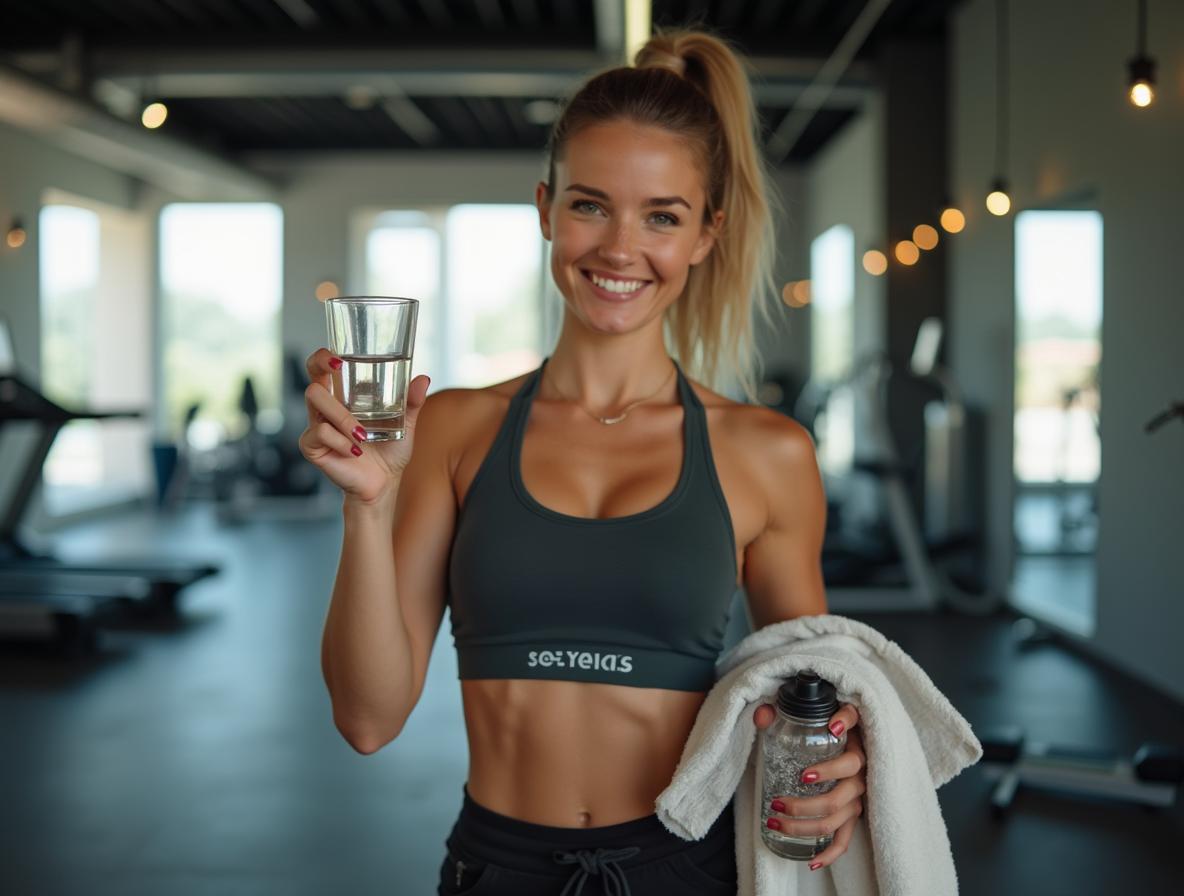
The Fitness Enthusiast: She tracks everything: sleep, macros, training load, recovery. Alcohol doesn’t fit her lifestyle, but she still wants to be social on weekends. Kratom gives her something to enjoy at the bar that doesn’t compromise her next morning’s workout.
The Parent Who Needs to Be Present: He can’t afford to be hungover. His kids don’t care that it’s Saturday, they’re up at 6am regardless. A small amount of kratom on Friday night lets him relax and connect with friends while staying sharp enough to handle what comes next.
The Night Shift Worker: Her schedule is brutal. Traditional stimulants either keep her awake too long or crash her at the wrong time. She’s experimented with kratom to manage energy during shifts without wrecking her sleep schedule.
These aren’t fringe cases. They’re increasingly common. The connecting thread is adults who take their performance and wellbeing seriously but don’t want to live like monks.
The Honest Conversation: Concerns, Considerations, and Responsible Use
If you’ve researched kratom online, you’ve seen the warnings. The FDA has raised concerns. Some states have restrictions. Reports of negative experiences exist.
Here’s the responsible take:
Kratom isn’t for everyone. People with certain medical conditions, those taking specific medications, pregnant or nursing women, and anyone under 21 should not use kratom. If you have any health concerns, talk to your healthcare provider before trying it.
Quality varies wildly. Many negative experiences stem from low-quality products with inconsistent or contaminated contents. This is a real problem in an unregulated market.
Tolerance and dependence are possible. Regular, daily use of kratom can lead to tolerance (needing more for the same effect) and dependence (experiencing discomfort when stopping). The “less is more” philosophy matters here: occasional use, starting with small amounts, and taking breaks are all part of responsible consumption.
Legal status varies by state. Kratom is legal in most U.S. states, but some have restrictions or bans. Know your local laws before purchasing.
Starting small is essential. If you’re new to kratom, begin with a small serving (one capful or less for extracts) and see how your body responds before adjusting.
We’ve covered the scary headlines and what’s actually behind them for anyone who wants a deeper analysis of the FDA warnings versus user experiences.
The point isn’t to dismiss concerns. It’s to acknowledge that informed adults can make their own decisions when they have accurate information.
Where This Is Heading: The Future of Functional Botanicals
The functional botanical category is growing rapidly. Kava, kratom, certain mushroom extracts, adaptogens, and other plants are moving from niche to mainstream.
Several trends are shaping where this goes:
Regulatory clarity is coming. Industry groups are pushing for standards (like the Kratom Consumer Protection Act, which establishes testing and labeling requirements). As regulation increases, quality is likely to improve and fly-by-night operators will exit.
Research is expanding. More scientists are studying kratom’s alkaloids and their effects. This will eventually provide clearer data on both benefits and risks.
Mainstream brands are entering. As the market matures, professional brands with real quality standards are replacing the gas station products. This legitimizes the category and raises expectations.
Consumer sophistication is increasing. Early adopters were willing to tolerate terrible-tasting products with inconsistent effects. The new wave of consumers expects something that actually fits a premium lifestyle.
The future of kratom depends on responsible brands and responsible consumers. If the industry keeps pushing low-quality products and making exaggerated claims, regulatory crackdowns become more likely. If consumers use kratom recklessly, the negative stories will keep making headlines.
But if quality improves, research expands, and adults use these products thoughtfully, kratom could become a permanent fixture in the broader movement toward functional alternatives to alcohol and traditional stimulants.
Is This for You?
Not necessarily. Kratom fits some lifestyles and doesn’t fit others.
It might be worth exploring if you:
- Are looking for alternatives to alcohol for social situations
- Want something that provides energy or focus without caffeine’s downsides
- Are curious about functional botanicals and have done your research
- Prioritize quality and are willing to pay for products that meet real standards
- Understand that “less is more” and aren’t looking to chase intensity
It’s probably not for you if you:
- Have medical conditions that could be complicated by botanical supplements
- Are looking for something to use daily at high doses
- Don’t want to think about sourcing, quality, or responsible use
- Just want to get wrecked
The clean high culture isn’t about escaping reality. It’s about finding ways to feel good while staying present and functional. Kratom is one option among several. It’s not magic, it’s not dangerous when used responsibly, and it’s not for everyone.
But for the right person, it fits.
Frequently Asked Questions
Is kratom the same as kava or are they different botanicals?
They’re completely different plants. Kava (Piper methysticum) comes from the South Pacific and primarily produces relaxation through compounds called kavalactones. Kratom (Mitragyna speciosa) comes from Southeast Asia and produces more varied effects through alkaloids like mitragynine. Many kava bars serve both, but they work differently and appeal to different moments. Some people use kava for evening wind-down and kratom for social energy.
Why are so many people switching from alcohol to kratom for social situations?
The short answer: no hangover, no impairment, no empty calories. Kratom provides a subtle shift in how you feel (more social, relaxed, or energized depending on the amount) without the cognitive impairment of alcohol. You can still drive home. You won’t say something you regret. And you’ll feel fine the next morning. For adults who still want the social ritual but don’t want the costs of drinking, it’s an attractive trade.
What makes a kratom extract “balanced” and why does that matter for the experience?
The kratom leaf contains dozens of alkaloids that work together. Some products isolate or spike specific alkaloids (particularly 7-hydroxymitragynine) to increase intensity. This can produce a harsher, less controllable experience. A balanced extract maintains the natural ratio of compounds found in the leaf, which typically produces smoother, more functional effects. Think of it like whole food versus isolated supplements: the complete package often works better than the extracted component.
How do I know if kratom fits my lifestyle or if I should skip it entirely?
Honest self-assessment helps here. If you have a history of substance dependence, kratom probably isn’t the right choice. If you have medical conditions or take medications, consult your doctor. If you’re looking for something to use daily at high doses, that’s a red flag. But if you’re a healthy adult over 21 who’s curious about functional alternatives, willing to start small, and committed to quality products and responsible use, kratom might be worth trying. One good test: read the concerns section above. If you found yourself skimming it or dismissing it, you’re probably not approaching this with the right mindset. If you took it seriously and still want to explore, you’re on better footing.
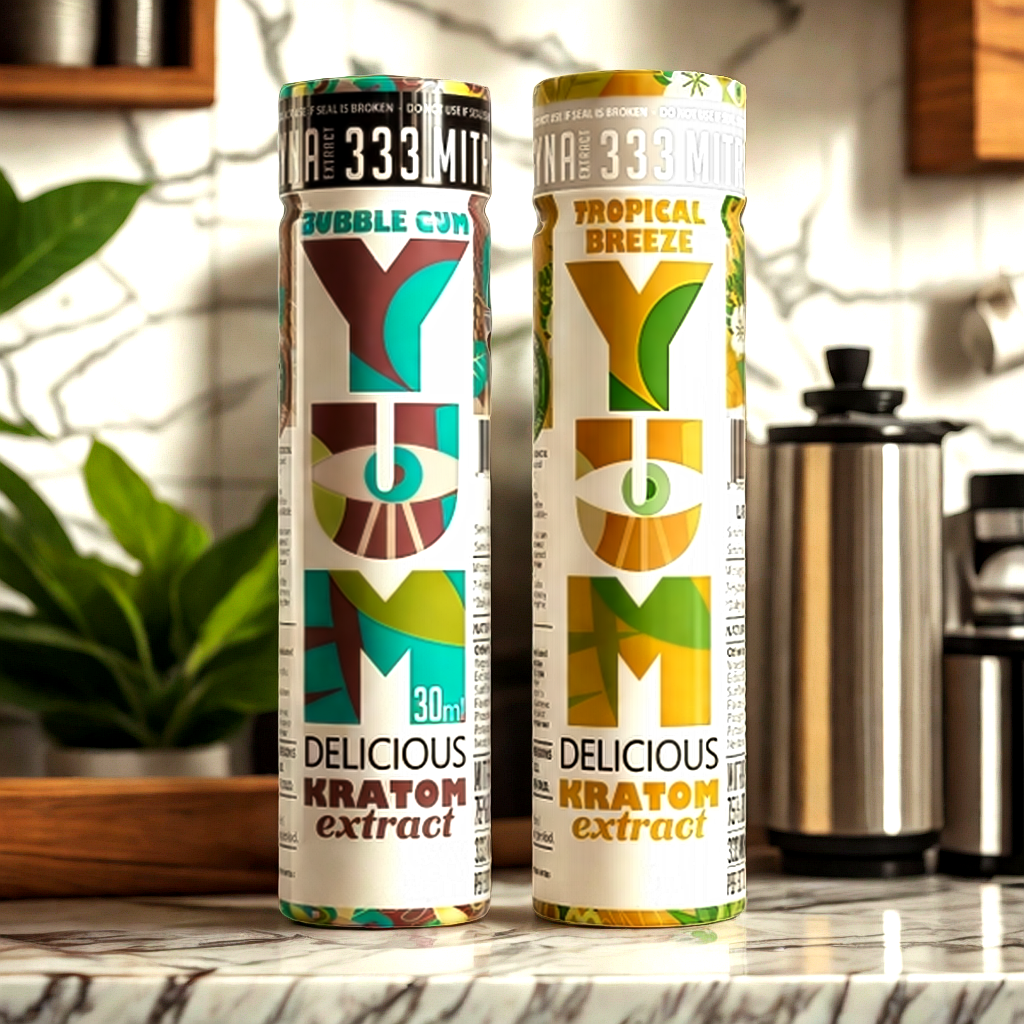
For those ready to explore what a balanced, quality kratom extract actually feels like, YUM was built for people who care about the experience, not just the effect. Third-party tested, designed for taste, and created for adults who expect more from their functional botanicals. Check our frequently asked questions if you want more details before deciding.