
Already Taking Nootropics, Adaptogens, or Pre-Workout? Here's How Kratom Actually Compares
 Marcus Chen
Already Taking Nootropics, Adaptogens, or Pre-Workout? Here’s How Kratom Actually Compares
You’ve got a medicine cabinet that looks like a supplement store exploded. Lion’s mane for cognition. Ashwagandha for stress. Maybe some alpha-GPC before deep work sessions. A pre-workout that makes your skin tingle. You track everything in a spreadsheet, know your optimal caffeine window, and can explain the difference between L-theanine and L-tyrosine without checking your notes.
And now, everywhere you look, kratom keeps coming up.
The problem? Most “what is kratom” content reads like it was written for someone who’s never touched a supplement in their life. You don’t need the basics. You need to know how this fits into what you’re already doing, whether it replaces anything you’re currently taking, or if it’s just noise.
This is the comparison you’ve been looking for.
You’re Not Starting From Zero, And That Changes Everything
Most kratom content falls into two camps: either breathless enthusiasm that ignores any nuance, or fear-based institutional warnings that treat you like you’ve never made an informed decision about what you put in your body.
Neither speaks to you.
You already understand bioavailability, tolerance curves, and why timing matters. You’ve probably experimented with stacks, cycled compounds to prevent adaptation, and know that “natural” doesn’t automatically mean “safe” or “effective.”
So here’s the relevant context: kratom is a botanical from Southeast Asia containing alkaloids (primarily mitragynine) that interact with opioid receptors, but in a fundamentally different way than actual opioids. If you want the complete science behind how it actually works, we’ve covered that in depth elsewhere.
What matters for this conversation: kratom isn’t a nootropic, isn’t an adaptogen, and isn’t a stimulant in the traditional sense. It occupies its own category. And that’s precisely why evaluating it requires a different framework than you’d use for anything else in your stack.
Kratom vs. Nootropics: Different Mechanisms, Different Use Cases
If you’re running a cognitive stack, you’re probably familiar with compounds like:
- Racetams (piracetam, aniracetam, phenylpiracetam)
- Modafinil alternatives (adrafinil, flmodafinil)
- Cholinergics (alpha-GPC, CDP-choline)
- Natural nootropics (lion’s mane, bacopa monnieri)
These compounds generally work through one of a few pathways: acetylcholine modulation, dopamine/norepinephrine activity, BDNF promotion, or cerebral blood flow enhancement. The goal is typically enhanced focus, memory consolidation, or processing speed.
Kratom doesn’t fit neatly into any of these boxes.

Its primary mechanism involves partial agonism at mu-opioid receptors, plus activity at adrenergic and serotonergic receptors. The experiential result at lower servings tends to be clean, focused energy with a mood lift. Not the laser-focus of a racetam. More like the mental clarity you get when everything just feels right.
When nootropics make more sense:
- You need sustained focus for learning or information processing
- Your goal is specifically memory enhancement
- You want something you can take daily long-term with minimal tolerance concerns
- You prefer compounds with decades of research behind them
When kratom might fit better:
- Your focus issues are actually motivation or mood-related, not cognitive capacity
- You need energy without the jitters or crash typical of stimulating nootropics
- You’re looking for something for specific occasions rather than daily use
- Traditional nootropics haven’t delivered the subjective experience you’re after
For many people, the answer isn’t either/or. You might use lion’s mane daily for long-term neurological support while keeping kratom for days when you need that extra push. The key is understanding they’re solving different problems.

Kratom vs. Adaptogens: The Stress-vs-Energy Question
Your adaptogen stack probably includes some combination of ashwagandha, rhodiola rosea, cordyceps, or maybe some mushroom blends. These compounds work on a fundamentally different timeline than kratom.
Adaptogens are cumulative. They modulate your HPA axis over weeks, gradually improving your stress resilience. You don’t take ashwagandha and feel different 45 minutes later. You take it for a month and realize you’re handling your workload without the same cortisol spike you used to get.
Kratom is acute. You feel it within 30 to 45 minutes, it peaks around 90 minutes to two hours, and it’s largely cleared within four to six hours. There’s no buildup period. No waiting to see if it’s “working.”
This distinction matters more than most people realize.
Adaptogens excel at:
- Long-term stress resilience
- Baseline energy improvement over time
- Supporting recovery and sleep quality (especially ashwagandha)
- Compounds you can take daily indefinitely

Kratom excels at:
- Acute situations where you need energy or mood support right now
- Days when your baseline adaptogen stack isn’t cutting it
- Social situations or creative sessions where you want a specific state
- Strategic use rather than daily reliance
The functional wellness stack guide goes deeper on how kratom compares to kava, mushrooms, and other botanicals you might already be using.
Can you take both? Many people do. Continuing your adaptogen routine while using kratom occasionally for specific needs is a common approach. Just be aware that both can affect your stress response, so paying attention to how they interact for you personally matters.
Kratom vs. Pre-Workout and Stimulant Stacks
This is where things get interesting for the fitness-focused supplement user.
Your typical pre-workout contains some combination of caffeine, beta-alanine, citrulline, and possibly some nootropic additions. Maybe you’ve also got a separate stimulant stack for non-training days involving caffeine, L-theanine, or harder stimulants.
Here’s what makes kratom different: the energy profile.
Caffeine-based energy feels wired. Even with L-theanine smoothing the edges, there’s a distinctive “revved up” quality. Your heart rate increases. You might feel slightly anxious at higher doses. And unless you’ve perfectly dialed your tolerance, there’s usually a crash somewhere.
Kratom energy (at appropriate servings) feels more like being switched on without being amped up. Many describe it as clean energy, similar to a great night’s sleep followed by a perfect cup of coffee, minus the jitters. The science behind this energy profile relates to the specific alkaloid ratios and how they interact with your receptors differently than straight stimulants.
For training specifically:
- Pre-workouts still make sense for pure physical performance, especially anything requiring acute power output
- Kratom might work better for longer, more endurance-focused sessions where sustained energy matters more than peak output
- Some people find kratom useful for the mental side of training: the motivation to start and the focus to finish
- Combining both is generally not recommended. Stacking stimulants is a recipe for overcorrection
If you want the athlete-specific perspective, the athlete’s honest guide breaks down when kratom makes sense in a training context and when it doesn’t.
The crash difference deserves emphasis. If you’re someone who hates the post-stimulant slump, kratom’s smoother offset might be exactly what you’ve been looking for. It tapers rather than drops.
The Practical Decision Framework: Add, Substitute, or Skip?
Here’s the decision tree for someone with an existing supplement routine:
Consider ADDING kratom occasionally if:
- Your current stack handles baseline needs but doesn’t give you that extra gear for high-stakes days
- You’ve been looking for a caffeine alternative for situations where jitters or crashes are problematic
- You want something for social or creative contexts that your current supplements don’t address
- You’re supplement-savvy enough to use it strategically rather than defaulting to daily use
Consider SUBSTITUTING kratom for something current if:
- You’re taking multiple stimulants and feeling overstimulated
- Your caffeine tolerance has gotten out of control and you need a reset
- You’re looking for mood support that your current nootropics aren’t delivering
- The acute vs. cumulative distinction means you’d rather have something that works when you need it
Consider SKIPPING kratom entirely if:
- You have a history of substance dependence (kratom can cause dependence with regular use)
- You’re in a state where it’s banned (Alabama, Arkansas, Indiana, Rhode Island, Vermont, Wisconsin)
- You take medications that could interact with opioid receptor activity
- You’re under 21
- Your current stack is working and you’re not experiencing problems it would solve
If you do decide to try it, the “less is more” principle matters significantly. Start with one capful or a small serving and see how you respond before assuming you need more. Many experienced supplement users overcorrect because they’re used to compounds that require higher doses. Kratom often works best at amounts that seem underwhelming on paper.
What Quality Actually Means When You’re Used to Lab-Tested Supplements
Here’s where your supplement experience works against you.
You’re probably used to buying from companies that publish Certificates of Analysis, use GMP-certified manufacturing, and standardize their extracts to specific compound percentages. That’s table stakes in the nootropic and adaptogen world.
The kratom market is different. Less regulated, more variable, and filled with products that would never pass the quality standards you’re used to.
What to look for when applying your supplement-buyer expectations to kratom:
Third-party testing is non-negotiable. Any company not publishing lab results is asking you to trust them without verification. You wouldn’t accept that from a nootropic company. Don’t accept it here.
Alkaloid balance matters more than just potency. Some products crank up the mitragynine percentage through isolation techniques that strip out the supporting alkaloids. This is like taking pure caffeine anhydrous instead of coffee. The experience differs. Look for extracts that maintain natural alkaloid ratios rather than just maximizing one compound.
Extraction method affects outcomes. Just like with mushroom supplements where hot water extraction differs from alcohol extraction, kratom extraction methods determine what ends up in the final product. The extraction method breakdown explains why this matters more than most buyers realize.
Format affects bioavailability and convenience. Coming from the supplement world, you understand that how you consume something matters. Kratom shots offer faster onset and more consistent dosing than powder, which requires measurement and has more variable absorption. The smart consumer’s guide to kratom extract covers the quality markers that separate premium products from the garbage you’ll find at gas stations.
Taste is actually a quality indicator. Most kratom tastes genuinely terrible. Like drinking muddy grass clippings. If a company has solved the palatability problem without burying the extract in sugar and artificial flavors, they’ve put real work into the product. If they haven’t, it suggests they’re cutting corners elsewhere too.
Frequently Asked Questions
Can I take kratom with my existing nootropic or adaptogen stack?
Generally, yes. Kratom works through different mechanisms than most nootropics and adaptogens, so direct interactions are unlikely. That said, be cautious about stacking with anything that affects opioid receptors, and avoid combining with other stimulants or CNS depressants. If you take medications of any kind, consult your healthcare provider first. The healthcare conversation prep guide can help you frame that discussion.
Will kratom replace my pre-workout or should I use both?
Don’t use both simultaneously. Stacking stimulants is how you end up jittery, anxious, and wondering why you thought this was a good idea. Instead, consider them for different contexts: pre-workout for high-intensity training where acute power output matters, kratom for endurance-focused sessions, creative work, or days when caffeine isn’t sitting right with you. Experiment to find which serves you better for specific goals.
How does kratom tolerance compare to caffeine or other stimulants I’m used to?
Kratom tolerance builds faster than caffeine tolerance for most people, which is why strategic, occasional use makes more sense than daily consumption. If you’re coming from a world where you take the same supplements every day without issues, know that kratom rewards cycling. Use it when you need it, not by default. Many experienced users limit themselves to a few times per week at most. The guide to sustainable use and tolerance covers this in detail.
What should I look for in kratom quality coming from the supplement world?
Apply the same standards you would to any premium supplement: published third-party lab results, transparent sourcing, GMP manufacturing practices, and a company that can answer detailed questions about their extraction and testing processes. Be especially wary of products making specific health claims (legally, they can’t) or those sold in convenience stores and gas stations. The quality standards in those channels are wildly inconsistent.
The Bottom Line
Kratom isn’t a better nootropic, a superior adaptogen, or a cleaner stimulant. It’s a distinct botanical with its own mechanism, use case, and risk profile. For someone with an established supplement routine, the question isn’t whether kratom is “good.” It’s whether it solves a problem your current stack doesn’t.
If you’re getting everything you need from what you’re already taking, there’s no reason to add complexity. But if you’ve been looking for something that delivers acute energy without jitters, mood support without sedation, or a caffeine alternative for specific contexts, kratom might fill a gap nothing else in your cabinet addresses.
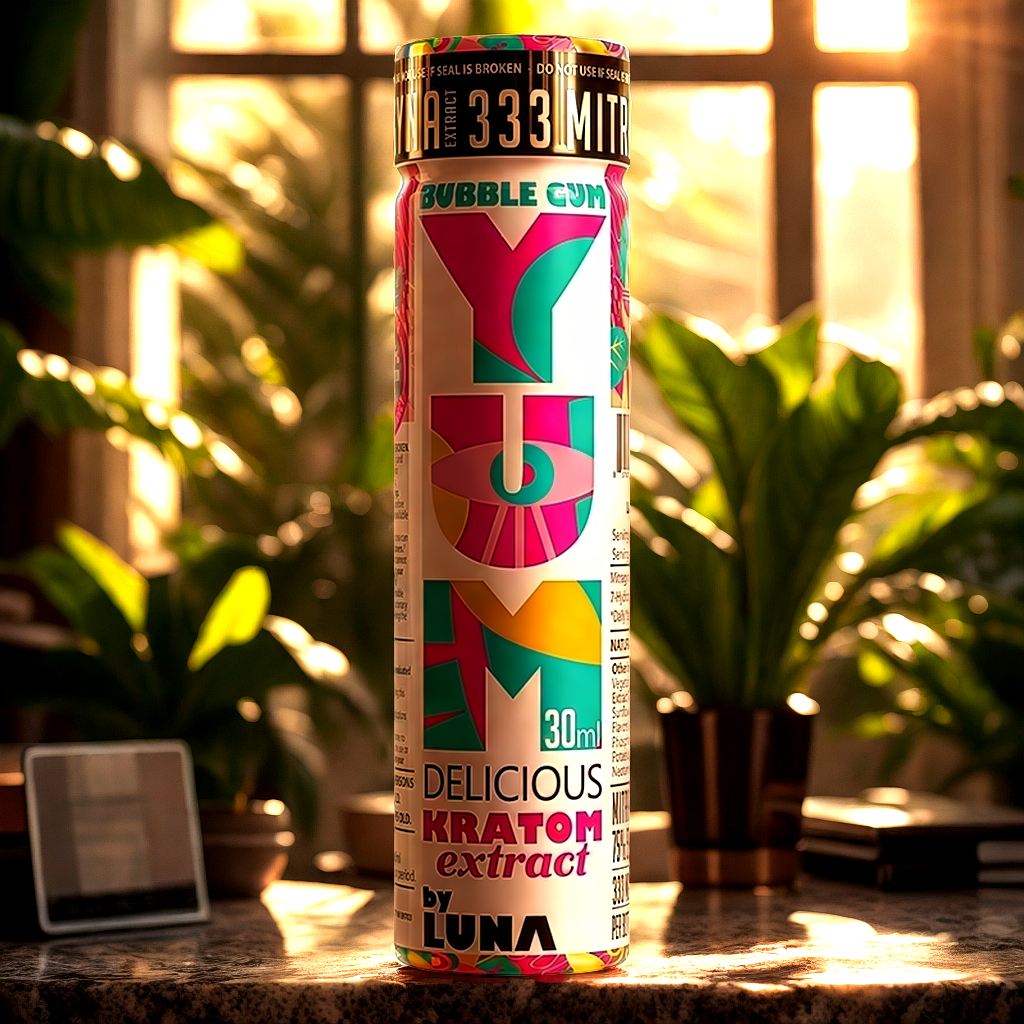
For readers ready to experience what a properly balanced kratom extract feels like, one that actually tastes good and prioritizes mitragynine for clean, focused energy, YUM was built for exactly this kind of informed consumer. Start with one capful and see how it compares to everything else you’ve tried.