
Already Spending Money on Energy, Focus, or Social Lubrication? Here's How Kratom Actually Stacks Up Against Your Current Routine
 Jess Morales
Already Spending Money on Energy, Focus, or Social Lubrication? Here’s How Kratom Actually Stacks Up Against Your Current Routine
You’re not here because you woke up this morning thinking “I need to learn about a Southeast Asian botanical.” You’re here because something in your current routine isn’t quite doing it for you anymore. Maybe your third coffee of the day stopped working months ago. Maybe you’re tired of that 3pm energy drink leaving you wired at midnight. Maybe you spent $80 at a bar last weekend and woke up feeling like garbage, wondering if there’s a better way to be social without the hangover tax.
Here’s the thing: you’re already spending money on energy, focus, or social lubrication. The real question isn’t “what is kratom?” in some abstract, botanical textbook sense. The real question is: could kratom do what your current stuff does, but better?
This isn’t a sales pitch. Some people try kratom and decide it’s not for them, and that’s completely valid. But if you’re evaluating whether to swap out one line item in your monthly budget for another, you deserve an honest comparison based on what you’re actually trying to accomplish.
You’re Already Paying for Something—The Question Is Whether It’s Working
Let’s do some quick math on what you might be spending right now:
- Morning coffee habit: $4-7 per day at a coffee shop, or $1-2 at home for quality beans. That’s anywhere from $30 to $210 per month.
- Afternoon energy drinks: $3-5 per can, a few times a week or daily. Call it $40-150 per month.
- Pre-workout supplements: $30-80 per tub, lasting 3-6 weeks depending on usage.
- Bar tabs: Wildly variable, but even “moderate” social drinking in a city can run $50-200+ monthly.
- Nootropic stacks: $40-120 per month for those chasing cognitive optimization.
None of these numbers are inherently bad. The question is whether you’re getting what you’re paying for. If your coffee gives you jitters by 10am, if your energy drink wrecks your sleep, if your bar tab comes with a two-day recovery period—that’s not a great ROI on your investment.
Kratom extract enters this conversation not as some miracle replacement, but as another option worth evaluating. If you want to understand what kratom actually is at a fundamental level, we’ve covered that elsewhere. This guide assumes you’ve done some basic research and now want to know: how does it actually compare to what I’m already using?
The Morning Caffeine Ritual: What Changes If You Add or Swap Kratom
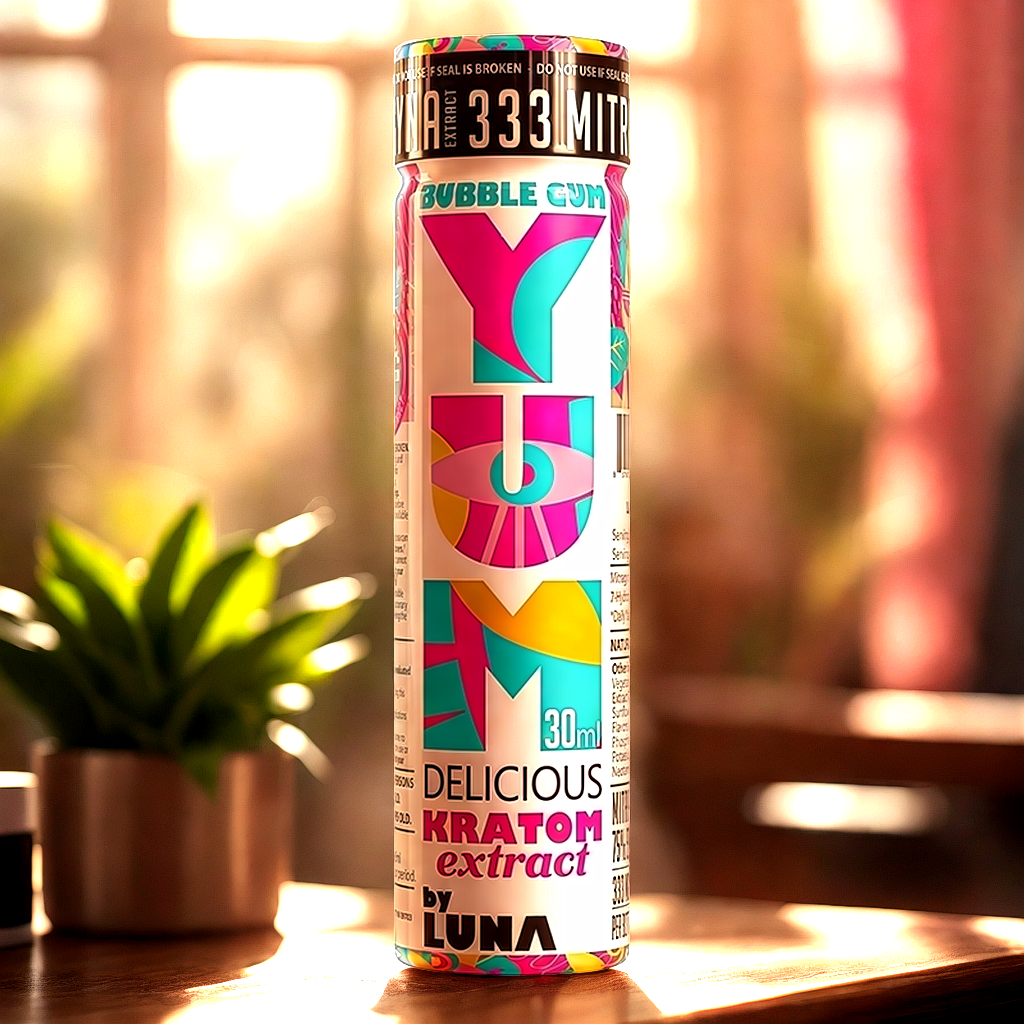
Coffee isn’t going anywhere for most people, and it doesn’t have to. Plenty of kratom users still drink coffee. But understanding how kratom differs from caffeine helps you figure out whether it might work for your specific situation.
The Caffeine Experience
Caffeine blocks adenosine receptors in your brain, which is why it makes you feel awake. The effect kicks in within 15-45 minutes, peaks around an hour, and then gradually fades over 3-5 hours. For many people, that fade comes with a crash—suddenly you’re more tired than you were before your first cup.
Caffeine also stimulates cortisol production and can trigger jitters, especially at higher doses or if you’re sensitive. That “wired but tired” feeling? Classic caffeine.
The Kratom Experience
Kratom works through different mechanisms. Users commonly report clean, sustained energy without the jittery edge that caffeine can produce. The onset is similar (15-30 minutes for extract shots), but the experience tends to feel smoother. Rather than a sharp peak followed by a crash, many users describe a 3-4 hour window of steady focus that tapers gradually.

For a detailed breakdown of what to expect, check out our guide on kratom benefits and effects from first sip to four hours later.
What This Means Practically
If you love coffee but hate the crash: Some users find that having coffee in the morning and kratom extract in the early afternoon gives them better coverage throughout the day without stacking stimulants. The kratom picks up where caffeine leaves off, without compounding the jitters.
If caffeine makes you anxious: Kratom isn’t a stimulant in the same way caffeine is. Some people who’ve abandoned coffee due to anxiety find kratom provides alertness without that edge.
If you’re spending $5-7 daily at coffee shops: A single kratom extract shot used strategically (not daily—we’ll get to that) might cover you for less money with a different, potentially preferable experience.
Important caveat: If you have medical conditions or take medications, consult your healthcare provider before adding anything new to your routine. This applies to kratom, new coffee habits, supplements, all of it.
The Afternoon Energy Drink Run: What Kratom Does Differently
The 2pm slump is real. Your lunch has diverted blood to your digestive system, your circadian rhythm is in a natural dip, and whatever caffeine you had this morning is wearing off. So you reach for an energy drink.
The Energy Drink Reality Check
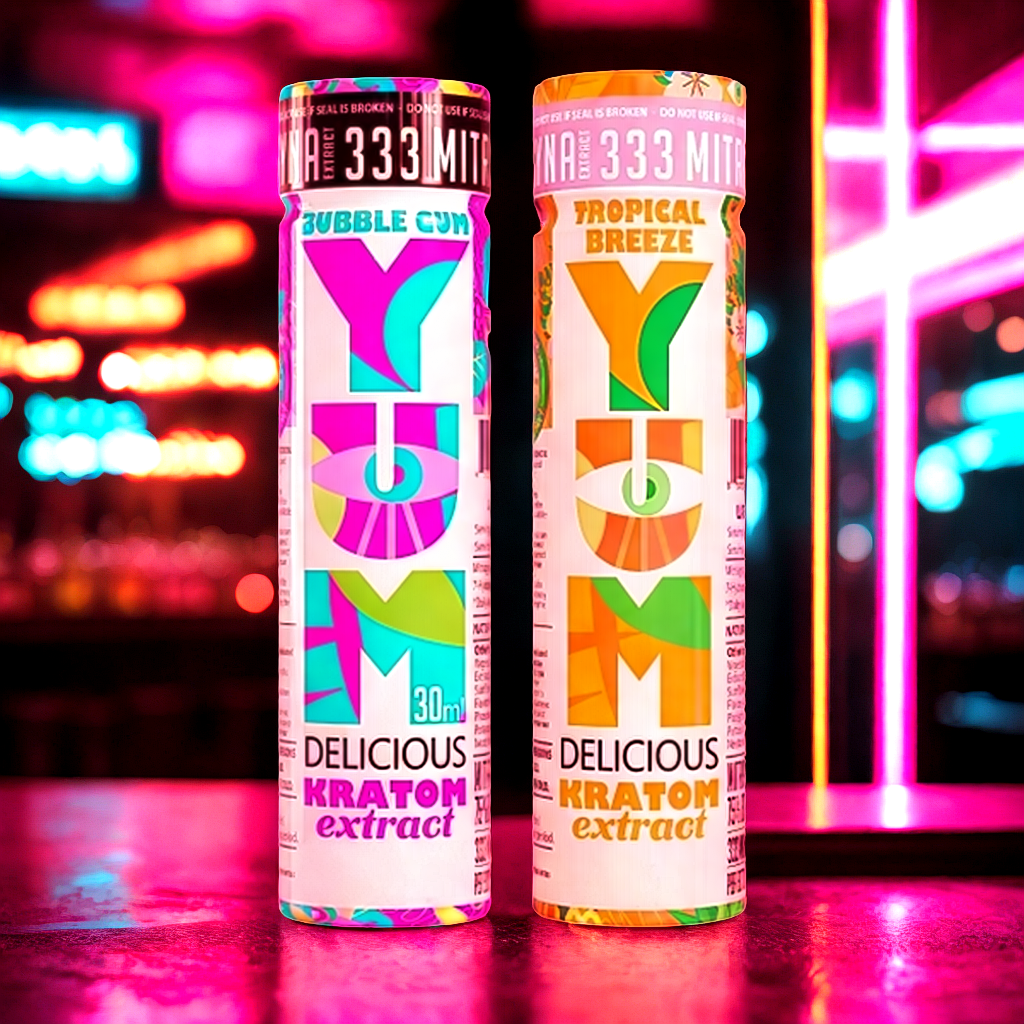
Most energy drinks are caffeine delivery systems with added B-vitamins and marketing. A typical can contains 150-300mg of caffeine (sometimes more), often paired with sugar or artificial sweeteners. They work, in the sense that caffeine works. But that 2pm energy drink becomes a problem at 11pm when you’re staring at the ceiling wondering why you can’t sleep.
The sugar versions add another layer: a blood sugar spike followed by a crash that can leave you feeling worse than before. Sugar-free versions avoid that but still hit you with late-day caffeine that disrupts sleep architecture.
Swapping in Kratom Extract
Kratom extract, used in the early-to-mid afternoon, offers energy without the caffeine load that disrupts sleep. Because it works differently than caffeine, many users find they can use it at 2pm and still fall asleep normally at 10 or 11pm.
The “no crash” experience users report isn’t marketing—it reflects a genuinely different mechanism than the caffeine-sugar-crash cycle. Energy tapers rather than plummets.
If you want to understand more about using kratom specifically for energy, we’ve written extensively about kratom for energy and ditching the jitters and crashes.
The Cost Comparison
Energy drinks at $3-5 each, consumed 3-5 times per week, run $40-100 monthly. Kratom extract used strategically for the same purpose (a few times per week for afternoon energy) can be comparable or lower, depending on your usage pattern. The difference is in the experience: no jitters, no crash, no midnight insomnia.
The Pre-Workout or Focus Stack: Where Kratom Fits (Or Doesn’t)
If you’re already into biohacking, optimizing, or just trying to squeeze more out of your gym sessions and work sprints, you’ve probably tried various pre-workouts, nootropics, or focus supplements.
What Kratom Is Not
Kratom is not a traditional stimulant. It won’t give you the beta-alanine tingles of a pre-workout. It’s not going to replace creatine for strength gains. It doesn’t work like racetams or modafinil for cognitive enhancement.
What Kratom Is
Kratom is a botanical extract that many users report supports sustained focus and physical energy. It’s not about explosive power; it’s about consistent output over a longer window. Think of it less as a pre-workout spike and more as a foundation for extended effort.
Where It Might Fit Your Routine
For deep work sessions: Some users find kratom excellent for 3-4 hour focused work blocks. Not the intense, almost manic focus of high-dose caffeine, but a calm, sustained attention that doesn’t burn out.
For endurance training: Users doing longer cardio sessions, cycling, or high-volume lifting sometimes prefer kratom’s sustained energy over the spike-and-crash of stimulant pre-workouts.
For creative work: The creative professional’s experience with kratom often differs from the gym-goer’s. Many report it supports flow states without the scattered, over-stimulated feeling that caffeine can produce during creative tasks.
Where It Might Not Be Right
If you need explosive, short-term power (heavy singles, HIIT sprints), a stimulant-based pre-workout might serve that goal better. Kratom’s strength is sustained energy, not peak output. Know what you’re optimizing for.
The Social Lubricant Question: Kratom vs. Your Bar Tab
This is where things get interesting for the sober-curious crowd. Alcohol is the default social lubricant in most Western cultures, but more people are questioning whether it’s worth the trade-offs.
The Alcohol Reality
Alcohol works. It lowers inhibitions, reduces social anxiety, and makes conversations flow more easily. But the costs are real: impaired judgment, calories, expense, hangovers, sleep disruption even from “moderate” drinking, and the general fog that hangs over the next day or two.
A night out can easily run $50-100+ in drinks, plus the Uber, plus the lost productivity the next day. Over a month of weekly socializing, that adds up fast.
What Kratom Offers Instead
Many users describe a social, talkative, engaged feeling from kratom without the impairment of alcohol. You stay sharp. You can drive. You don’t wake up dehydrated with a headache. There’s no “two-day recovery” from a big night out.
We’ve covered this extensively in our going-out guide for social energy without the hangover.
The Practical Social Scenarios
Happy hour with colleagues: A kratom shot before you head out can provide social energy while everyone else drinks. You stay engaged without getting sloppy or racking up a tab.
Date night: Some couples find kratom creates a relaxed, connected feeling without the impairment that can derail intimate conversation (or, well, other things).
Concerts and events: Standing for hours, staying engaged with friends, and not feeling wrecked the next day—kratom serves that scenario well for many users.
Honest Limitations
Kratom doesn’t feel like alcohol. If you specifically want the disinhibition and altered state that alcohol provides, kratom won’t replicate that. It’s a different experience. Some people prefer it; some don’t. Try it in a low-stakes social situation before relying on it for something important.
The Honest Math: What You’re Spending Now vs. What Kratom Costs
Let’s put real numbers to this, with the caveat that everyone’s usage patterns are different.
Current Spending Estimates
- Coffee shop habit (daily): $120-210/month
- At-home quality coffee (daily): $30-60/month
- Energy drinks (3-5x/week): $40-100/month
- Pre-workout/supplements: $30-80/month
- Alcohol (moderate social drinking): $50-200/month
- Nootropic stacks: $40-120/month
Many people are spending $150-400/month on various combinations of the above.
Kratom Extract Costs
Quality kratom extract shots vary in price depending on the brand and formulation. Used strategically (not daily—YUM emphasizes “less is more”), a few uses per week for specific purposes might run $60-120/month, depending on your pattern.
The key word is strategically. Kratom isn’t meant to be a daily crutch. It’s a tool for specific occasions: the important presentation, the long work session, the social event, the afternoon when you really need to perform. Used this way, it often costs less than the combination of things it might replace.
For a deeper dive into the cost-per-use math, see our breakdown on what kratom is actually worth per use.
What Kratom Won’t Replace (And Why That’s Fine)
Honesty time. Kratom is a tool, not a miracle. Here’s what it won’t do:
It won’t fix underlying health issues. If you’re exhausted because of poor sleep, chronic stress, or a medical condition, kratom might mask that temporarily, but it’s not addressing the root cause. See a doctor.
It’s not a medical treatment. Kratom is not FDA-approved for any medical purpose. It doesn’t treat, cure, or prevent any disease. If you’re dealing with medical issues, work with healthcare professionals.
It’s not meant for daily use. This isn’t us being coy—tolerance builds with frequent use, and the “less is more” philosophy isn’t marketing. It’s how kratom works best. Use it strategically, take breaks, and it’ll serve you better long-term.
Some people try it and don’t like it. That’s valid. Individual responses vary. If you try kratom and decide it’s not your thing, you haven’t failed at anything. It’s just not the right tool for you.
It won’t replace everything. You might find kratom works great for afternoon energy but you still want your morning coffee ritual. That’s fine. Mix and match based on what actually works for your life.
If you have any medical conditions or take medications, consult your healthcare provider before trying kratom. This isn’t legal boilerplate—it’s genuine advice. Your doctor should know what you’re putting in your body.
Frequently Asked Questions
Can I use kratom AND still drink coffee, or is it one or the other?
Plenty of people do both. Coffee in the morning, kratom in the afternoon is a common pattern. They work through different mechanisms, so they’re not directly competing. That said, pay attention to how you feel. If you’re getting overstimulated or anxious, you might be stacking too much. Start with lower amounts of both when combining and find your personal balance.
How long does kratom energy last compared to an energy drink or pre-workout?
Most users report 3-4 hours of clean, sustained energy from kratom extract. This is generally longer than an energy drink’s effective window (which often includes a crash) and comparable to or longer than most pre-workouts. The key difference is the quality: less peak intensity, more sustained consistency, and a gradual taper rather than a crash.
Is kratom actually cheaper than my current energy/focus routine?
It depends on your current spending and how you’d use kratom. If you’re dropping $5-7 daily at coffee shops plus $3-5 on afternoon energy drinks, kratom used a few times a week for key moments could reduce your overall spend. If you’re making coffee at home for $1/day, kratom would be an additional expense. Do the actual math for your situation.
What if I try kratom and it doesn’t work for me—is that normal?
Totally normal. Individual responses to any botanical vary based on body chemistry, expectations, the specific product, timing, whether you’ve eaten, and dozens of other factors. If your first experience doesn’t blow you away, you might try adjusting timing (empty vs. full stomach makes a difference) or serving size. But if you’ve given it a fair shot and it’s just not for you, that’s a perfectly valid conclusion. Not every tool works for every person.
The Bottom Line
You’re already spending money and brain space on managing your energy, focus, and social life. Coffee, energy drinks, pre-workouts, alcohol, supplements—these are all tools you’re already using, with varying degrees of success.
Kratom is another tool. Not better in every situation, not right for everyone, but genuinely useful for many people in specific contexts: clean afternoon energy without sleep disruption, sustained focus for deep work, social engagement without the hangover tax.
The only way to know if it works for you is to try it. Start small (one capful), pay attention to how you feel, and give it an honest evaluation against whatever it might replace in your routine.
Ready to see if kratom fits your routine? Start with one capful of YUM—it’s formulated for clean energy and actually tastes good. Less is more. See how it compares to whatever you’re currently using.
YUM products are for adults 21 and over. If you have medical conditions or take medications, consult your healthcare provider before use.