
12 Kratom Mistakes Everyone Makes (And How to Skip the Learning Curve Entirely)
 Jess Morales
12 Kratom Mistakes Everyone Makes (And How to Skip the Learning Curve Entirely)
You bought a kratom product. Maybe from a gas station, maybe from a kava bar, maybe online after reading fourteen conflicting Reddit threads at 2am. You tried it. And now you’re back on Google because something didn’t go the way you expected.
Welcome to the club. Almost everyone’s first kratom experience involves at least one costly mistake. Usually three or four.
Here’s the thing: kratom has a learning curve. Not because it’s complicated, but because the information out there is a mess. Medical institutions focus exclusively on risks. Marketing claims are often garbage. Reddit threads contradict each other constantly. And most people end up figuring things out through expensive trial and error.

This guide is the shortcut. Everything below comes from patterns that show up over and over again when people share their experiences. These are the mistakes that waste money, create bad experiences, and lead people to either give up on kratom entirely or develop habits they later regret.
If you’re new to kratom and want to understand what this botanical actually is before diving into mistakes to avoid, start there first. Otherwise, let’s get into it.
Why Most People’s Introduction to Kratom Goes Sideways
The core problem is expectation mismatch. People approach kratom with frameworks borrowed from other substances, and those frameworks don’t apply.

If you’re used to caffeine, you expect a predictable, dose-dependent effect that kicks in fast and wears off on schedule. Kratom doesn’t work like that.
If you’re used to alcohol, you expect more to equal more. With kratom, that relationship inverts at a certain point, and most people find that out the hard way.
If you’re used to supplements, you might expect subtle effects that build over time. Kratom is more immediate than that, but the experience varies based on factors most people don’t account for.
Add in the fact that product quality varies wildly across the market, and you’ve got a recipe for confusion. Many people have genuinely bad first experiences not because kratom isn’t for them, but because they made preventable mistakes.

Let’s fix that.
Mistakes #1-3: The Dosing Disasters
Mistake #1: Assuming More Is Better
This is the big one. The mistake that derails more first experiences than any other.
Kratom has what’s called a biphasic response. At smaller amounts, people typically report feeling energized, focused, and social. At larger amounts, the experience shifts toward relaxation and sedation. And at amounts that are too large, many people just feel nauseous and uncomfortable.
The instinct when something “isn’t working” is to take more. With kratom, that instinct will backfire almost every time. If you’re not feeling what you expected, the answer is almost never “double it.”
The fix: Start with one capful or the smallest recommended serving. Give it time. If you’re exploring extract products, understand that extracts are significantly more concentrated than raw powder. Less is genuinely more with this botanical.
Mistake #2: Not Waiting Long Enough Before Redosing
Kratom’s onset isn’t instant. Depending on stomach contents and individual metabolism, it can take 20 to 45 minutes to really feel the effects. Many people take a serving, feel nothing at the 15-minute mark, take more, and then get hit with both servings at once.
This creates an experience that’s much more intense than intended, often uncomfortable, and sometimes enough to put someone off kratom entirely.

The fix: Wait at least 45 minutes before deciding if something is working. An hour is better. Read a chapter of a book. Do some work. Let the effects arrive on their own timeline.
Mistake #3: Ignoring the Biphasic Nature
Related to mistake #1, but worth its own mention: many people want energy and focus, take too much because they think that’s how you “feel it more,” and end up drowsy and unmotivated.
This leads to the complaint: “Kratom just makes me tired.” No, too much kratom made you tired. The experience you wanted was available, just at a smaller serving.
The fix: If you want energy and focus, start small and stay small. If you accidentally overshoot, don’t fight it. Drink water, maybe eat something, and try again another day with a lighter touch.
Mistakes #4-6: The Product Selection Blunders
Mistake #4: Buying Based on Price Alone
The kratom market has massive quality variance. Some products contain exactly what they claim, are properly tested, and deliver consistent experiences. Others are poorly processed, potentially contaminated, or contain alkaloid profiles that are completely unbalanced.
The cheapest option is rarely the best value. It’s often the most expensive in the long run because you’ll either have bad experiences or need to take more to feel anything.
The fix: Look for brands that publish third-party lab results. Check for transparency about sourcing and processing. A slightly higher price point from a reputable company beats a bargain bin purchase that wastes your money and time.
Mistake #5: Ignoring Alkaloid Balance
Kratom contains multiple active alkaloids, and their ratios matter. Products that spike one alkaloid while neglecting others can create unbalanced, jittery, or one-dimensional experiences.
Many first-timers don’t know to look for this. They grab whatever’s available, have a weird experience, and conclude that kratom itself is the problem.
The fix: Understand the basics of kratom alkaloids and look for products that emphasize balanced extraction rather than just maxing out potency numbers.
Mistake #6: Forcing Yourself Through Terrible Taste
Raw kratom powder tastes like lawn clippings mixed with bitterness and despair. Many people try it once, gag their way through, and decide the whole category isn’t worth the effort.
Here’s what they don’t realize: you don’t have to suffer. Extract shots and properly formulated products can actually taste decent. The taste problem isn’t inherent to kratom. It’s a product quality problem.
The fix: Don’t assume all kratom products taste the same. If palatability matters to you (and it should, because compliance matters), seek out products designed with taste in mind.
Mistakes #7-9: The Timing and Context Errors
Mistake #7: Wrong Time of Day for Your Goals
Taking a stimulating serving right before bed is obviously a bad idea. But the subtler version of this mistake happens all the time: taking kratom when you need focus but you’re already exhausted, or taking it for social energy when you’re heading into a high-stress work meeting.
Kratom works with your physiology, not against it. If your body is screaming for sleep, a smaller serving might give you a brief window of alertness, but it won’t override genuine exhaustion for long.
The fix: Think about what you actually need and whether your current state supports it. Match your timing to your goals. Morning focus sessions work differently than afternoon energy boosts or evening social situations.
Mistake #8: Full Stomach vs. Empty Stomach Misconceptions
Some people take kratom right after a huge meal and wonder why it takes forever to kick in or feels weaker. Others take it on a completely empty stomach and find the effects too intense or experience stomach discomfort.
There’s no universal right answer here, but the extremes tend to cause problems.
The fix: A light snack or small meal about an hour before tends to work well for most people. Not stuffed, not starving. Experiment to find what works for your body.
Mistake #9: Expecting Consistent Effects Regardless of Your State
Sleep deprivation, dehydration, high stress, poor nutrition: these all affect how you experience kratom. The same serving on a well-rested, hydrated day can feel completely different than on a burnt-out, stressed day.
People often blame the product when really their baseline was the variable.
The fix: Before deciding a product “doesn’t work anymore” or “feels different every time,” check your fundamentals. How much sleep did you get? When did you last eat? Are you stressed? These matter more than most people realize.
Mistakes #10-12: The Expectations That Set You Up to Fail
Mistake #10: Expecting Pharmaceutical Precision
Kratom is a plant, not a pharmaceutical. Even high-quality extract products have natural variability. The experience won’t be identical every single time like popping an ibuprofen.
This frustrates people who want predictable, repeatable results down to the minute. Those people often end up chasing a specific experience, taking more and more to try to replicate it, and creating problems for themselves.
The fix: Embrace some variability. Track your experiences, yes, but accept that “good enough” is often the goal. The difference between a 7/10 day and a 9/10 day isn’t worth doubling your serving over.
Mistake #11: Direct Comparisons to Coffee, Alcohol, or Other Substances
“It’s like coffee but smoother” or “It’s like a few drinks without the impairment” are approximations people use. They’re not wrong, exactly, but they set up false expectations.
Kratom is its own thing. If you approach it expecting it to be “coffee plus” or “alcohol minus,” you’ll be confused by the ways it doesn’t match those templates.
The fix: Comparisons can be useful context, but let kratom be kratom. Judge it on its own terms after you’ve figured out what it actually does for you.
Mistake #12: Making It a Daily Default Before Understanding Your Response
Some people have a good first experience and immediately start using kratom every single day. Within weeks, they’ve built tolerance, need more to feel the same effects, and have created a habit they didn’t intend.
Kratom can be part of a sustainable routine, but jumping straight to daily use before you understand how your body responds is asking for problems.
The fix: Treat kratom as a strategic tool, not a daily default. Use it for specific occasions, specific goals, specific moments when you want that edge. Built-in breaks preserve the experience and prevent tolerance from creeping up on you. For adults 21+, understanding sustainable use patterns is essential.
The Mistake Nobody Talks About: Sticking With Bad Products Because You Think Kratom Is “Just Like That”
This might be the most expensive mistake of all, measured in wasted potential.
Someone tries kratom. Maybe it’s a gas station product, maybe it’s the cheapest option they found online. The experience is mediocre. It tastes horrible. The effects are inconsistent or uncomfortable. They either give up entirely or assume this is just what kratom is and resign themselves to a subpar experience.
Meanwhile, other people are having dramatically different experiences with quality products.
The product quality variance in the kratom market is enormous. Two products that look similar on the shelf can deliver completely different experiences. One might be poorly extracted, contaminated, or have an alkaloid profile that’s completely unbalanced. Another might be carefully crafted, properly tested, and designed to actually taste decent.
What to look for in a quality product:
- Published third-party lab testing (not just claims, actual accessible results)
- Transparency about sourcing and extraction methods
- A company that actually talks about alkaloid balance, not just potency numbers
- Palatability that suggests someone cared about the end experience
- Clear serving recommendations that emphasize starting small
If your first kratom experience was underwhelming, don’t write off the entire category. Consider that you might have just tried a bad product. Quality matters enormously here.
How to Actually Get Started (The Shortcut Version)
You’ve read the mistakes. Here’s the condensed version of how to avoid them:
1. Start smaller than you think necessary. One capful. Half the “recommended” serving if you’re unsure. You can always take more another time. You can’t un-take what you’ve already consumed.
2. Wait longer than feels natural. Give it 45 minutes minimum before making any decisions about whether it’s working. An hour is better.
3. Choose quality over price. Look for lab-tested products from companies that are transparent about their process. A mediocre experience with a cheap product costs more than a good experience with a quality one.
4. Match timing to goals. Know what you want (energy, focus, social ease) and time your use accordingly. And make sure your baseline (sleep, hydration, stress) supports what you’re going for.
5. Set realistic expectations. It’s a plant, not a pharmaceutical. Variability is normal. Good experiences are the goal, not identical experiences every single time.
6. Don’t make it daily until you understand your response. Strategic use preserves the experience. Daily use from day one builds tolerance fast and creates habits you might not want.
7. If your experience is mediocre, consider the product before blaming kratom itself. Quality variance is real. What you tried might just be garbage.
For those with medical conditions or taking other substances, consult your healthcare provider before trying kratom. This isn’t a substitute for medical advice or treatment. It’s a botanical that many adults 21+ find useful for clean energy and focus when used responsibly.
Kratom is currently restricted in some states, so check the legal status in your area before purchasing.
Frequently Asked Questions
How long should I wait before deciding if kratom is working for me?
Give it at least 45 minutes to an hour for effects to fully develop after taking a serving. For judging whether kratom is right for you overall, try it on three to five separate occasions with proper timing, appropriate serving sizes, and a quality product before making a final decision. One experience isn’t enough data, especially if variables were off.
Why do some people say kratom feels different every time they take it?
Several factors affect the experience: your sleep quality, hydration, stress levels, what you’ve eaten, and even your current mental state. Product quality also varies between batches and brands. If you’re experiencing wild inconsistency with a single product, try controlling for those personal variables first. If it’s still inconsistent, the product quality might be the issue.
What’s the biggest sign that a kratom product isn’t high quality?
Lack of transparency. If a company won’t publish lab results, won’t discuss their sourcing, and won’t explain their extraction process, those are red flags. Other signs include effects that feel “off” or unbalanced, wildly inconsistent experiences between uses, and taste that’s significantly worse than other products you’ve tried.
How often can I use kratom without building tolerance?
There’s no universal answer, but most experienced users recommend building in regular breaks rather than using daily from the start. Many people find that using kratom a few times per week, rather than every day, preserves the experience longer. If you notice needing more to feel the same effects, that’s your signal to take a break.
Ready to Skip the Learning Curve?
Most of the mistakes above have one thing in common: they could have been avoided with a better starting point. Better product quality solves many of the taste, consistency, and experience issues people struggle with.
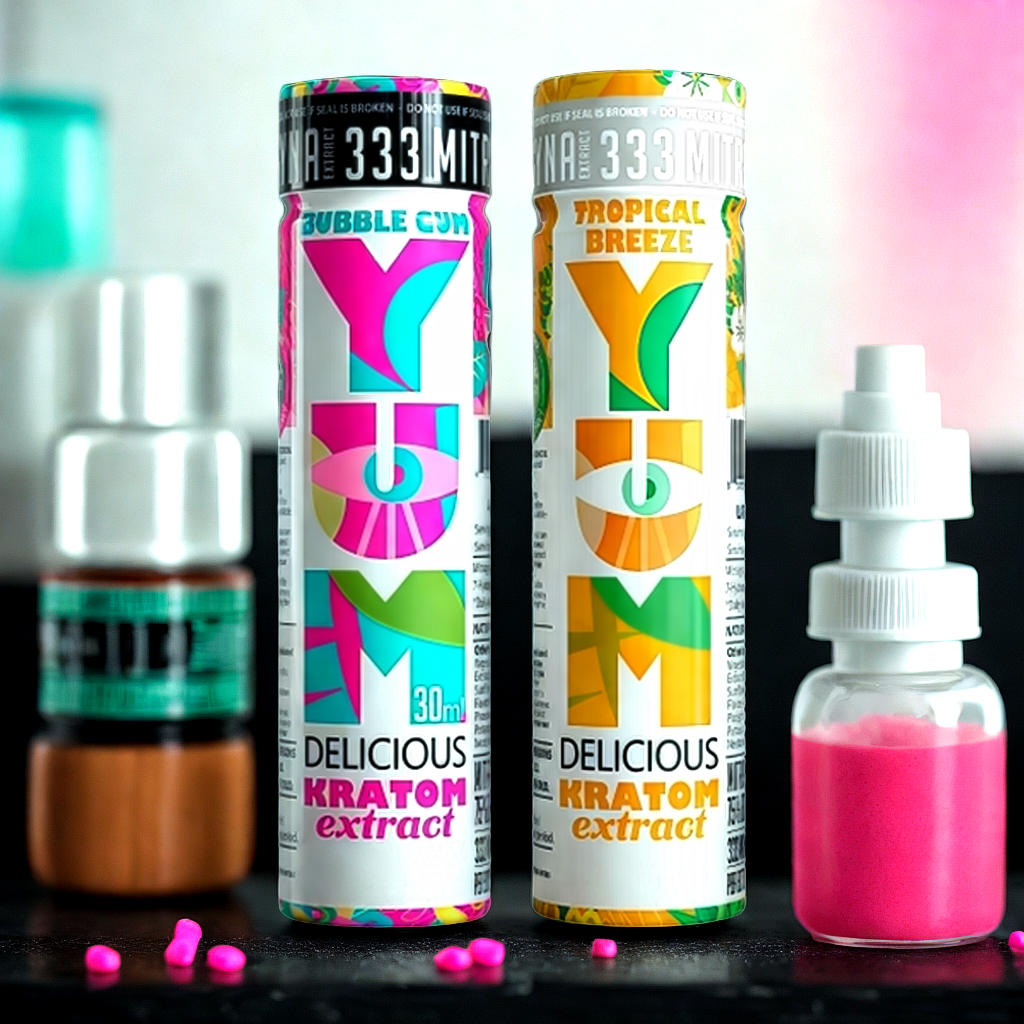
YUM was designed for people who’ve already done the research and don’t want to waste time on mediocre products. Balanced alkaloid profile. Taste that doesn’t make you suffer. Lab-tested quality you can actually verify. And clear guidance on starting small and building from there.
If you’ve been burned by bad products or confused by conflicting information, you don’t have to figure this out the hard way. Check out our kratom products and see what kratom is actually supposed to feel like when someone does it right.